

Early Victorian Furniture
Early victorian furniture brings together robust mahogany timbers, rich rosewood surfaces and sturdy construction designed to last generations.
Early Victorian Furniture
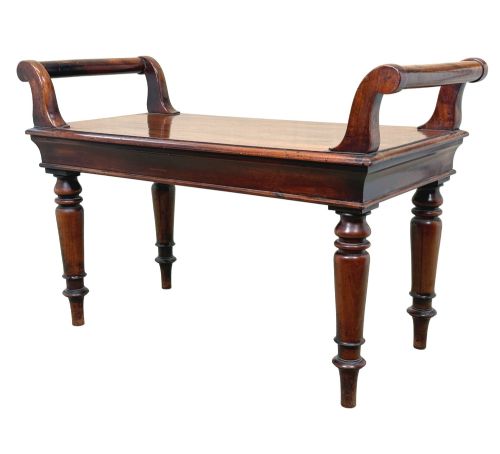
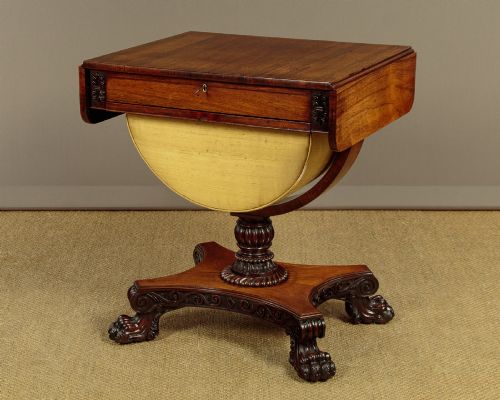
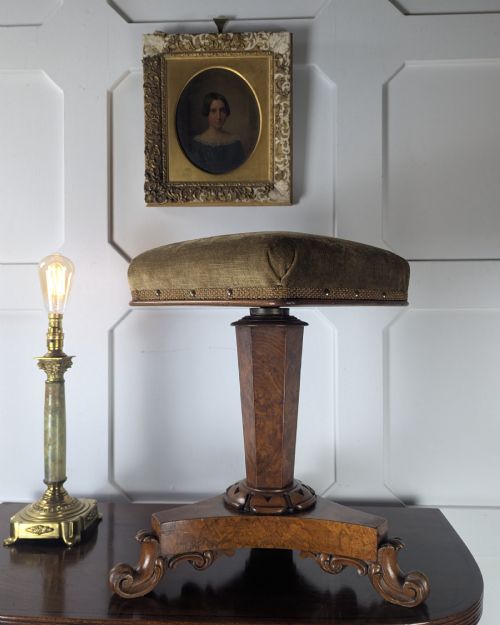
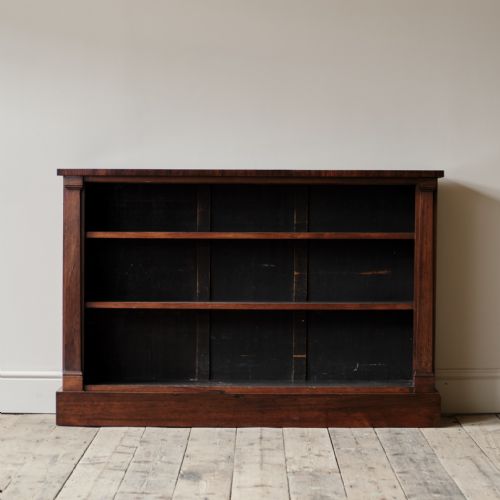
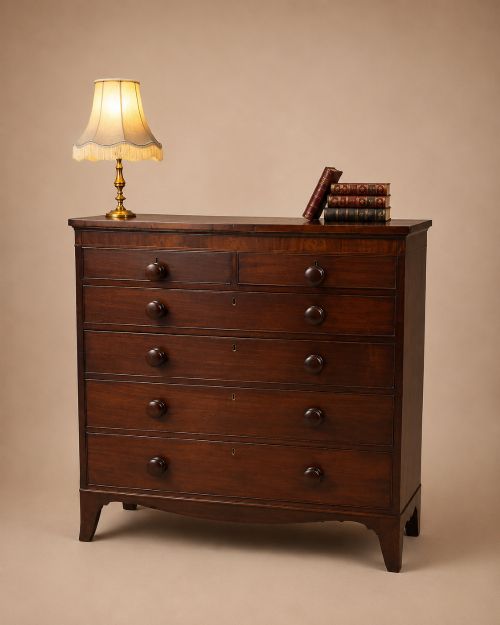
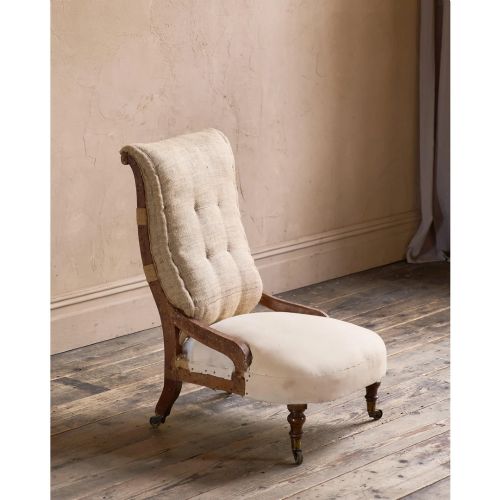
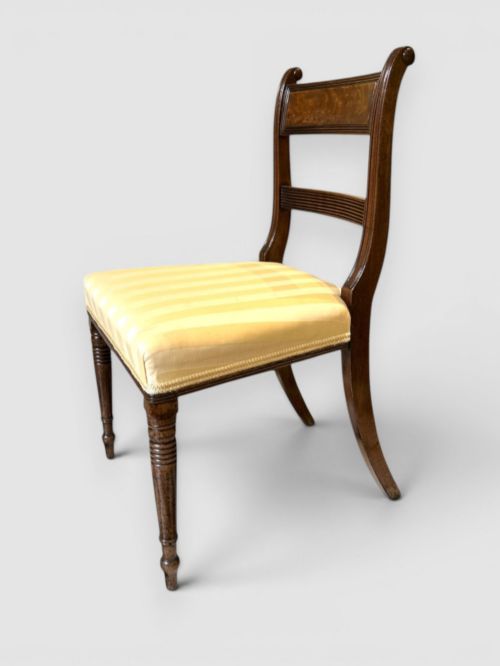
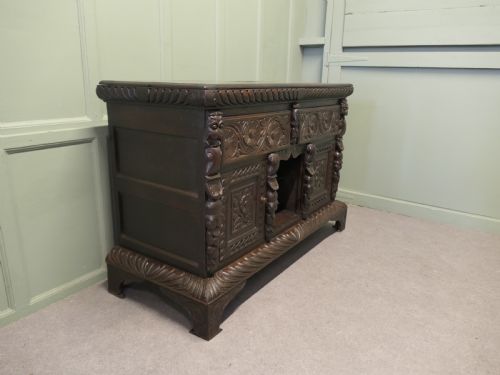
Early victorian furniture encompasses domestic items created during the mid-nineteenth century, blending practical utility with ornamental detail. Buyers exploring this category encounter a variety of forms including chests of drawers, Pembroke tables, bookcases, and seating.
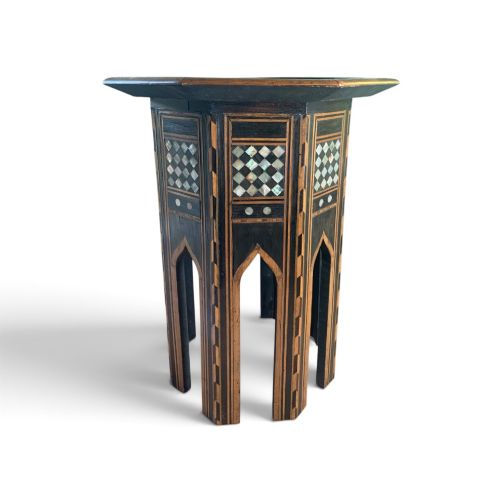
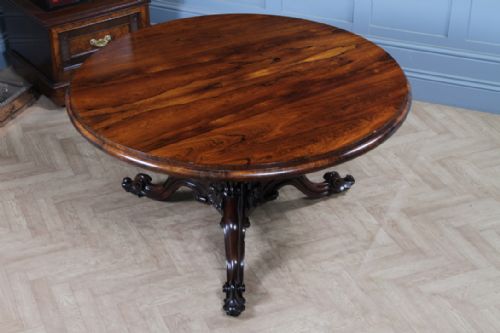
The pieces appearing on this page span several timber types and styles, reflecting the transition from earlier Georgian and Regency traditions into the full Victorian era. Mahogany and rosewood predominate among the formal items, alongside pine and oak found in country pieces.
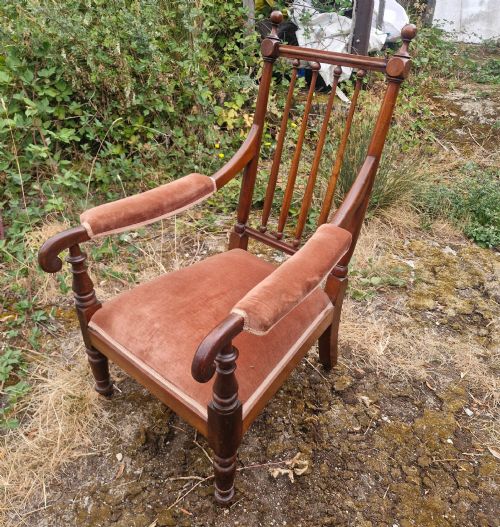
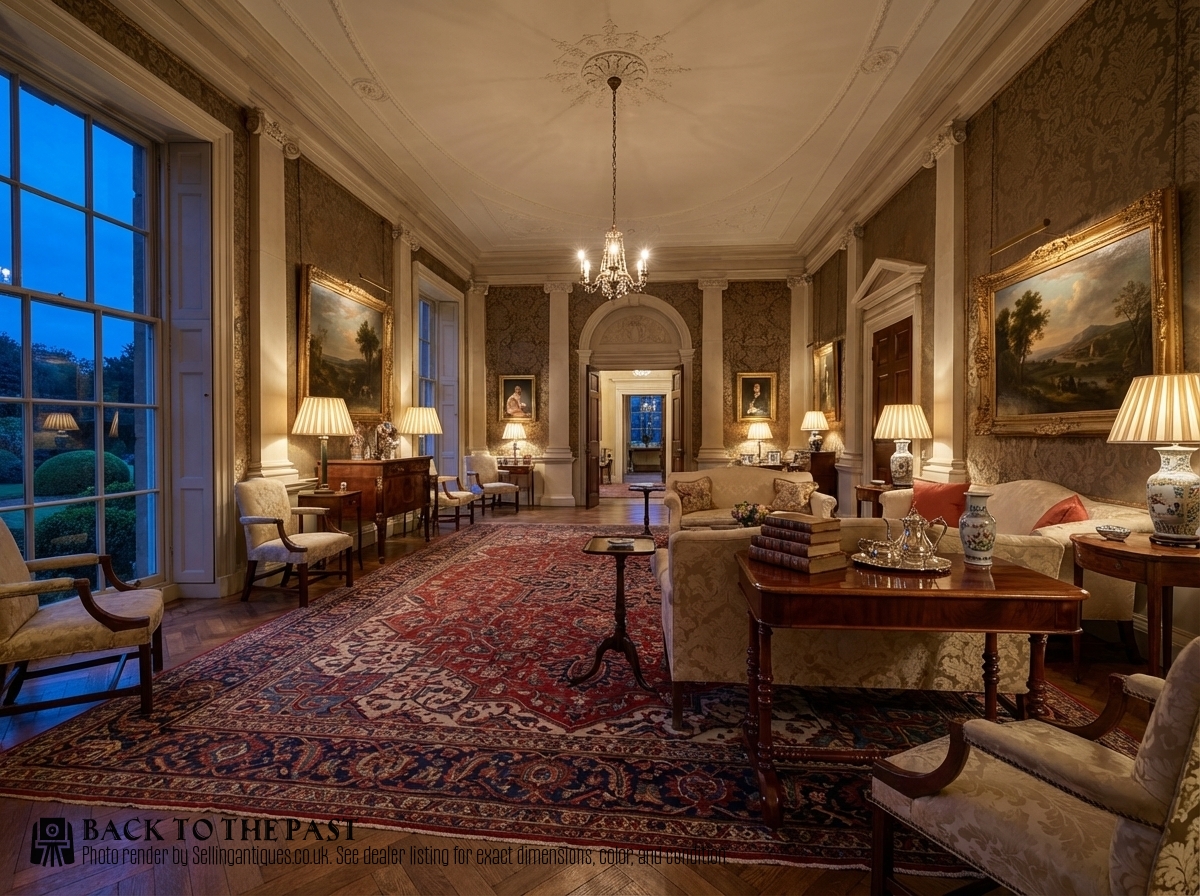
Domestic interiors of the period relied on these specific forms for daily living, dining, and storage. From revolving dumb waiters to chiffoniers and spindle back armchairs, the inventory demonstrates the wide range of household goods produced during the nineteenth century.
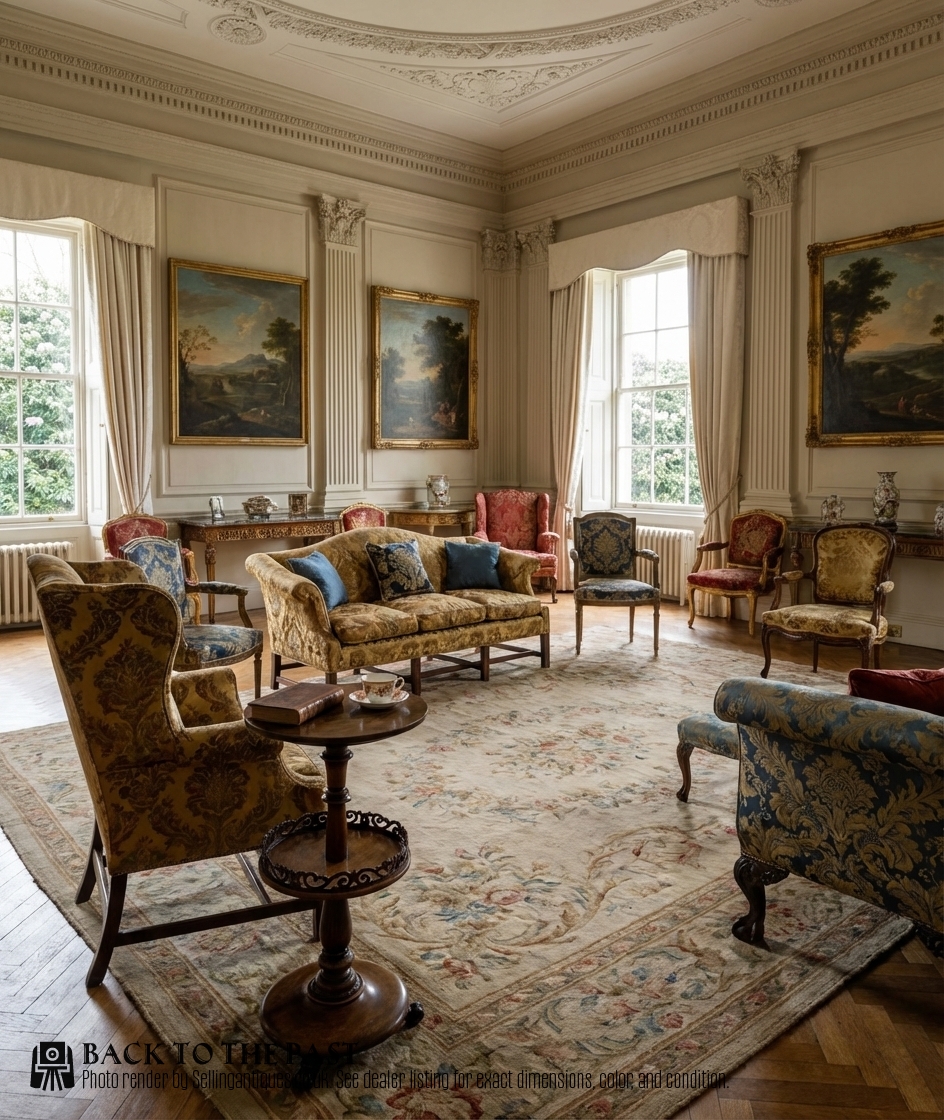
Materials and construction
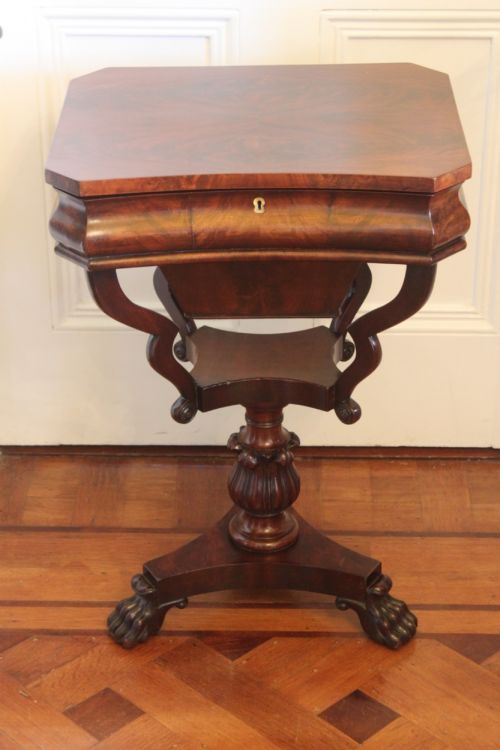
Cabinet makers utilised dense hardwoods such as mahogany, rosewood, and walnut, often applying figured veneers or curl grain patterns to prominent surfaces. Secondary woods like pine and oak appear in concealed areas and simpler country items.
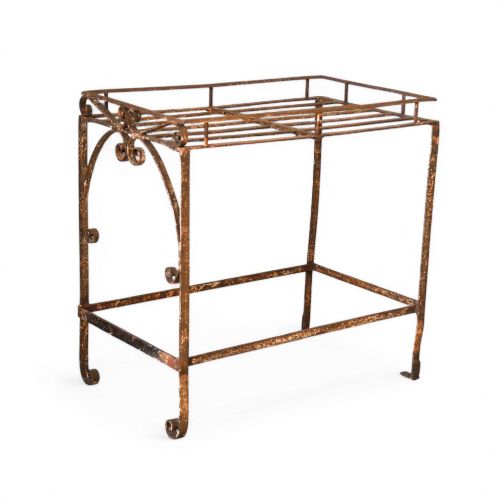
Metal fittings in brass, cast iron, and wrought iron provide structural support and functional hardware, seen on tables, garden seats, and drawer pulls. Paint finishes, wax polish, and faux marble treatments complete the surface appearance of specific items.
Early Victorian Furniture Retail Price Guide 2026
Typical asking prices for early victorian furniture among the pieces listed under this phrase on Sellingantiques today, from the lower quarter to the upper quarter. They describe what is for sale here now, not the wider market.
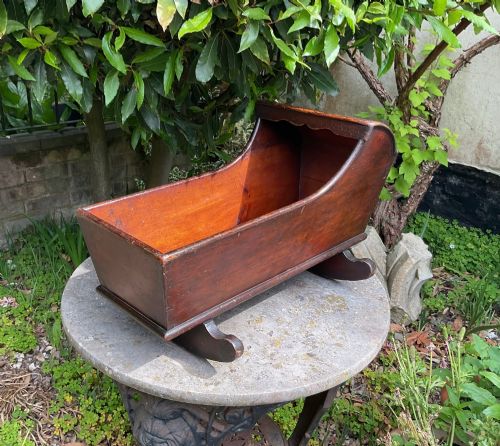
Doll's cradles and miniature cribs remind us that nineteenth-century children practiced housekeeping with scaled-down furniture.
Assessing quality and execution
The standard of execution depends on the selection of timber veneers and the precision of the joinery. Finer examples display carefully matched grain patterns, solid secondary timbers, and well-turned legs or carved details.
Proportion and scale distinguish finer workshops from standard production. Pieces maintaining small proportions or incorporating uncommon exotic woods like amboyna and Gonçalo Alves represent the upper tier of nineteenth-century manufacture.
Howard and Sons·Gillows·Holland and Sons·Coalbrookdale
The Early Victorian Furniture Glossary
- Pembroke table
- A small table with hinged drop leaves on two opposing sides. These items served multiple functions in nineteenth-century sitting rooms.
- Dumb waiter
- A tiered stand used for holding dishes or books without servant attendance. Revolving versions allow access from a seated position.
- Chiffonier
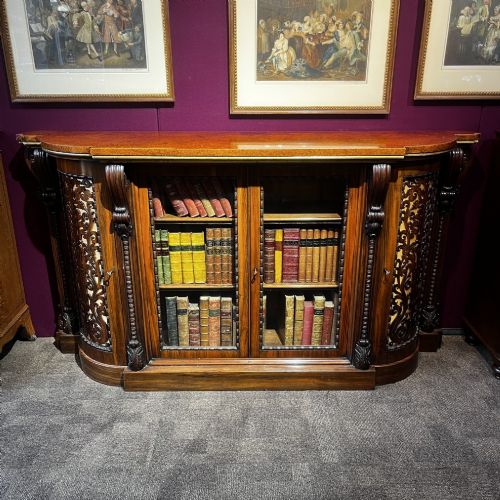
- A low sideboard or cabinet equipped with drawers and enclosed shelving below. This form became common in parlours and dining rooms.
- Wellington chest
- A tall, slender set of drawers secured by a hinged locking side stile. The design originated in the early nineteenth century.
- Whatnot
- An open set of multi-tiered shelves used for displaying decorative objects. They stand on corner posts or slender upright supports.
Early Victorian Furniture: Frequently Asked Questions
How do I identify early victorian furniture?
Examination of timber choices, construction methods, and stylistic cues helps determine the period. Makers of the era frequently relied on solid mahogany, rosewood, and walnut with traditional joinery.
Comparing the form against documented nineteenth-century design patterns provides further clarity on age and origin.
Were these pieces used daily?
Household items from this era served active domestic roles in dining rooms, libraries, and bedrooms. Chests stored clothing, while Pembroke tables accommodated writing and sewing.
Their sturdy construction in hardwoods ensured they withstood decades of regular household use.
What woods were used most?
Mahogany and rosewood appear frequently in formal tables, bookcases, and seating. Walnut and maple were also selected for figured grain effects on fine cabinets.
Pine and oak served for functional storage pieces and utilitarian items intended for simpler settings.
How do I care for polished wood?
Maintaining wood surfaces requires avoiding direct sunlight and excessive moisture. Regular dusting with a soft cloth preserves the wax or polish finish.
Occasional application of appropriate furniture wax keeps the timber nourished without building up heavy residues.