



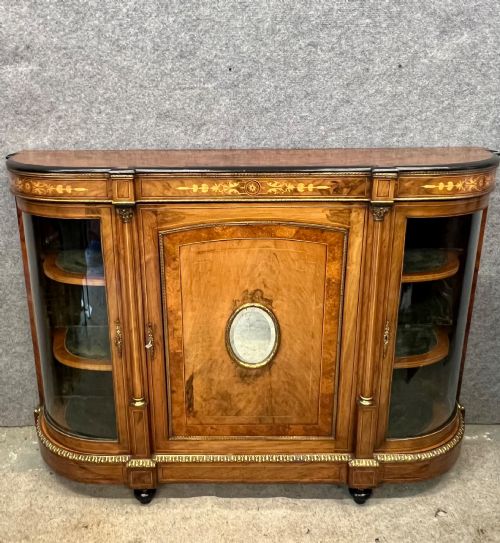


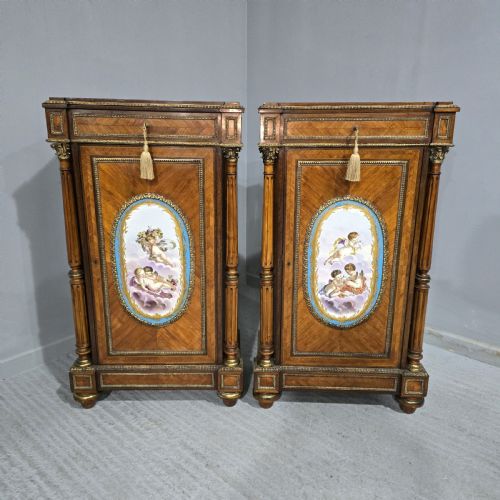


French Style Pier Cabinet
These french style pier cabinet pieces bring sophisticated nineteenth century display into a room, offering glazed or mirrored fronts and fine mounts.
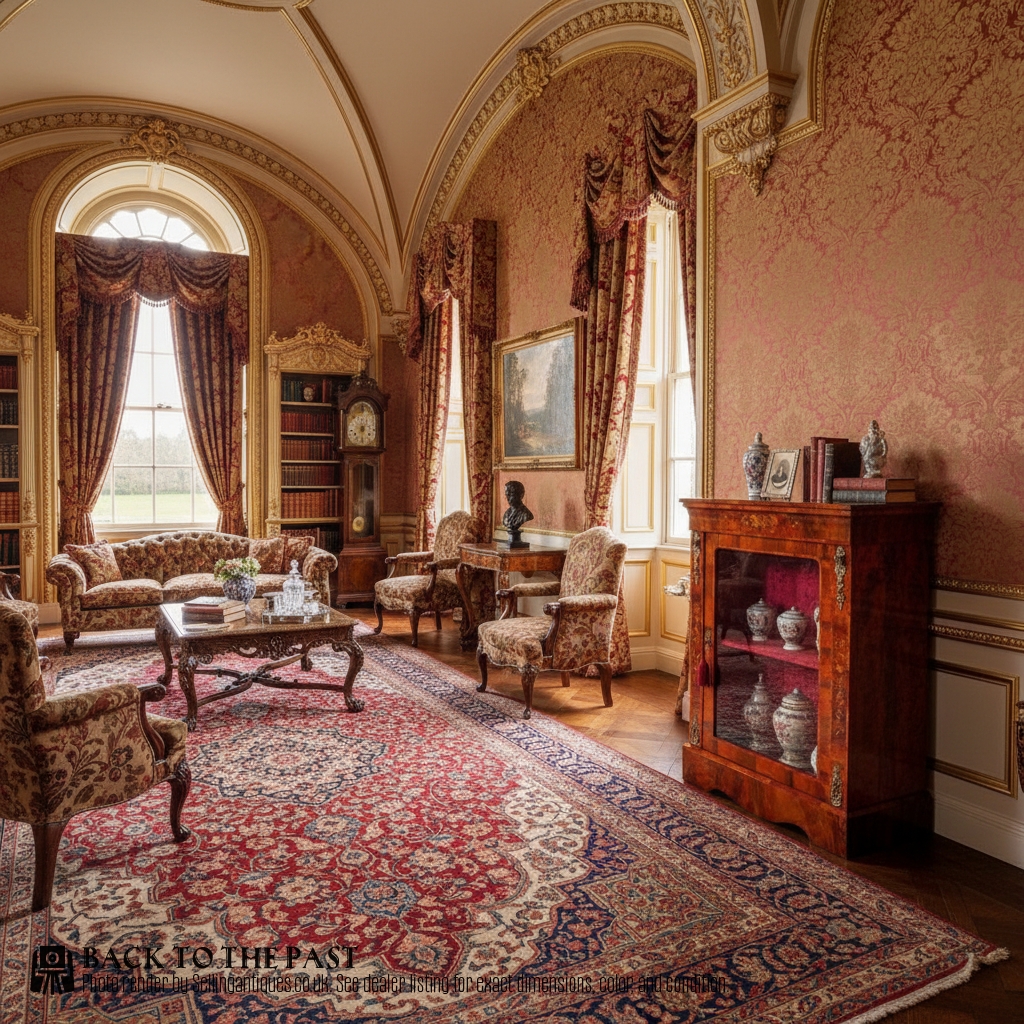
French Style Pier Cabinet
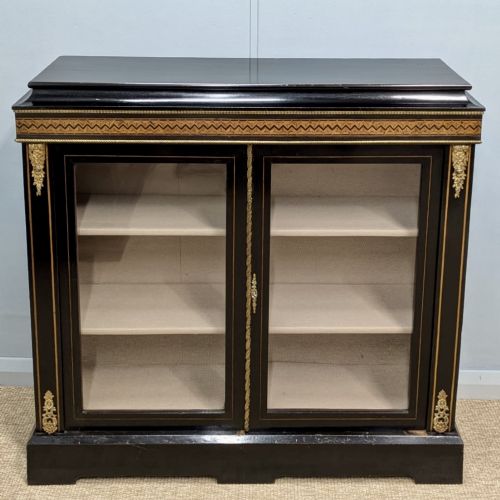
A french style pier cabinet is a narrow display piece designed to stand against the wall space between windows, often featuring a glazed door and gilt metal mounts. These items emerge chiefly in nineteenth century forms reflecting Victorian and Napoleon III revivals, alongside Louis XVI and Louis XV influences.
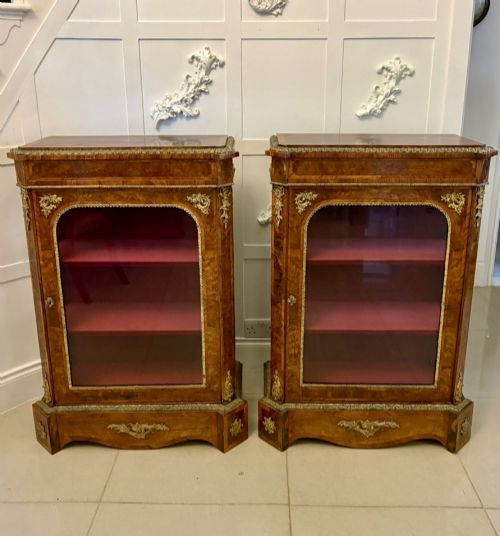
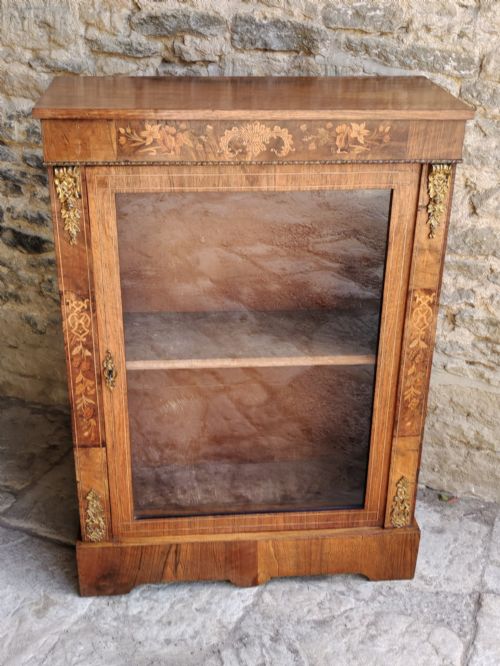
The buyer frequently encounters matched pairs or single examples constructed from walnut, burr walnut, ebonised wood, or rosewood. They function as both side cabinets and bookcases, equipped to display porcelain plaques and ceramics behind glass.
Origins span English cabinet makers adopting continental revivals and pieces fashioned directly in France during the mid to late nineteenth century. The typical specimen incorporates a flat marble top, standing low to the ground with shelf space inside.
How they were made
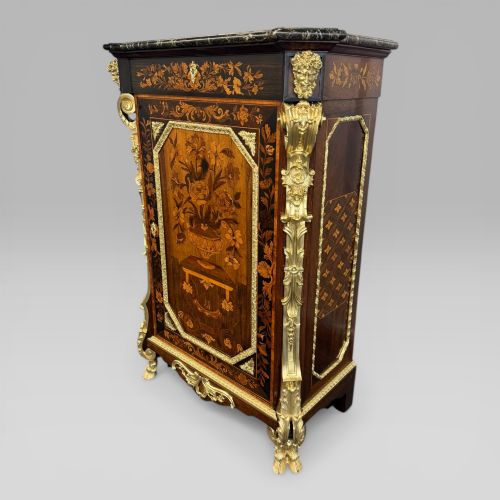
Carpenters built the carcase using dense timber foundations of walnut, rosewood, or ebonised wood, frequently layered with burr walnut or kingwood veneers. Marquetry and brass inlay decorate the door fronts and panels alongside delicate stringing.
Gilt bronze or ormolu mounts frame the corners, doors, and feet, fixed securely with brass screws. Painted porcelain plaques and Sevres style inserts are set directly into the timber frame, complemented by white or variegated marble tops.
French Style Pier Cabinet Retail Price Guide 2026
Typical asking prices for french style pier cabinet among the pieces listed under this phrase on Sellingantiques today, from the lower quarter to the upper quarter. They describe what is for sale here now, not the wider market.
Listings feature nineteenth century walnut and ebonised cabinets mounted with ormolu, marble, and porcelain plaques.
What varies in quality
The distinction rests in the crispness of the ormolu casting and the precision of the marquetry and floral inlay across the timber surfaces. Hand chased gilt metal mounts display sharper detail and deeper relief than mass produced alternatives.
Cabinet makers deployed superior burr walnut and figured rosewood veneers with balanced grain patterns that mirror each other across the door panels. The integration of hand painted porcelain plaques and heavy marble slabs elevates the construction.
Edward Holmes Baldock
The French Style Pier Cabinet Glossary
- Ormolu
- Gilded bronze mounts applied to the corners and panels of furniture. This technique creates a rich decorative contrast against dark timbers like walnut or ebonised wood.
- Marquetry
- Fitted wood veneers arranged in pictorial or geometric patterns across cabinet doors. Craftsmen use various tinted woods to build floral or scroll designs.
- Pier cabinet
- A narrow display cabinet built to fit the wall space between architectural windows. They typically feature glazed doors and internal shelving for ceramics.
- Sevres style
- Painted porcelain plaques decorated with classical scenes or floral motifs, mounted into the timber carcase. These ceramic inserts mimic the French royal factory output.
- Boulle
- A marquetry technique combining tortoiseshell and brass inlay. Named after a French royal cabinet maker, it creates a glittering surface pattern.
French Style Pier Cabinet: Frequently Asked Questions
Where do I put a pier cabinet?
These narrow cabinets suit tight wall spaces between windows or beside a fireplace where bulkier furniture will not fit.
Their shallow depth allows them to display books and ceramics without blocking walkways in a reception room or hallway.
How do I clean marble top cabinets?
Wipe the marble surface gently using a soft damp cloth and neutral soap to avoid scratching the polished stone. Keep acidic liquids away from the marble to prevent permanent staining.
Feed the surrounding walnut or rosewood timber occasionally with quality wax to maintain the grain lustre.
Can I use them as bookcases?
Many examples feature glazed doors and internal adjustable wooden shelves specifically designed to hold volumes. The glass protects delicate bindings from dust while keeping the collection visible.
Ensure heavy books stay distributed evenly across the timber shelves to prevent any sagging over time.
How do I tell Victorian from French pieces?
English Victorian versions often favour burr walnut with subtle marquetry and restrained ormolu mounts. French examples from the Napoleon III and Louis XVI revival periods frequently use ebonised wood, bolder gilt bronze, and Sevres style porcelain plaques.
Both traditions share a French aesthetic influence, though construction joints and timber choices reveal the workshop origin.