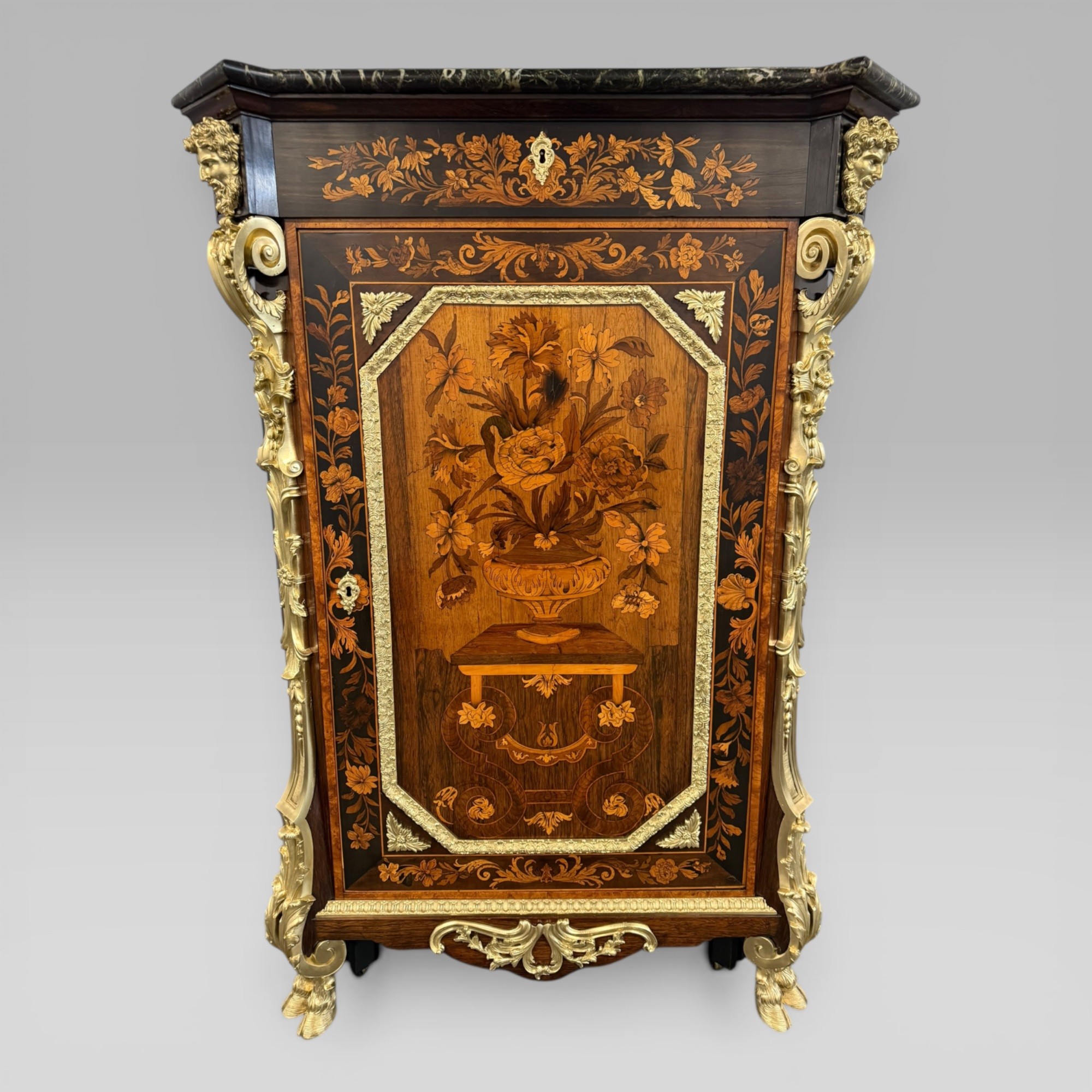
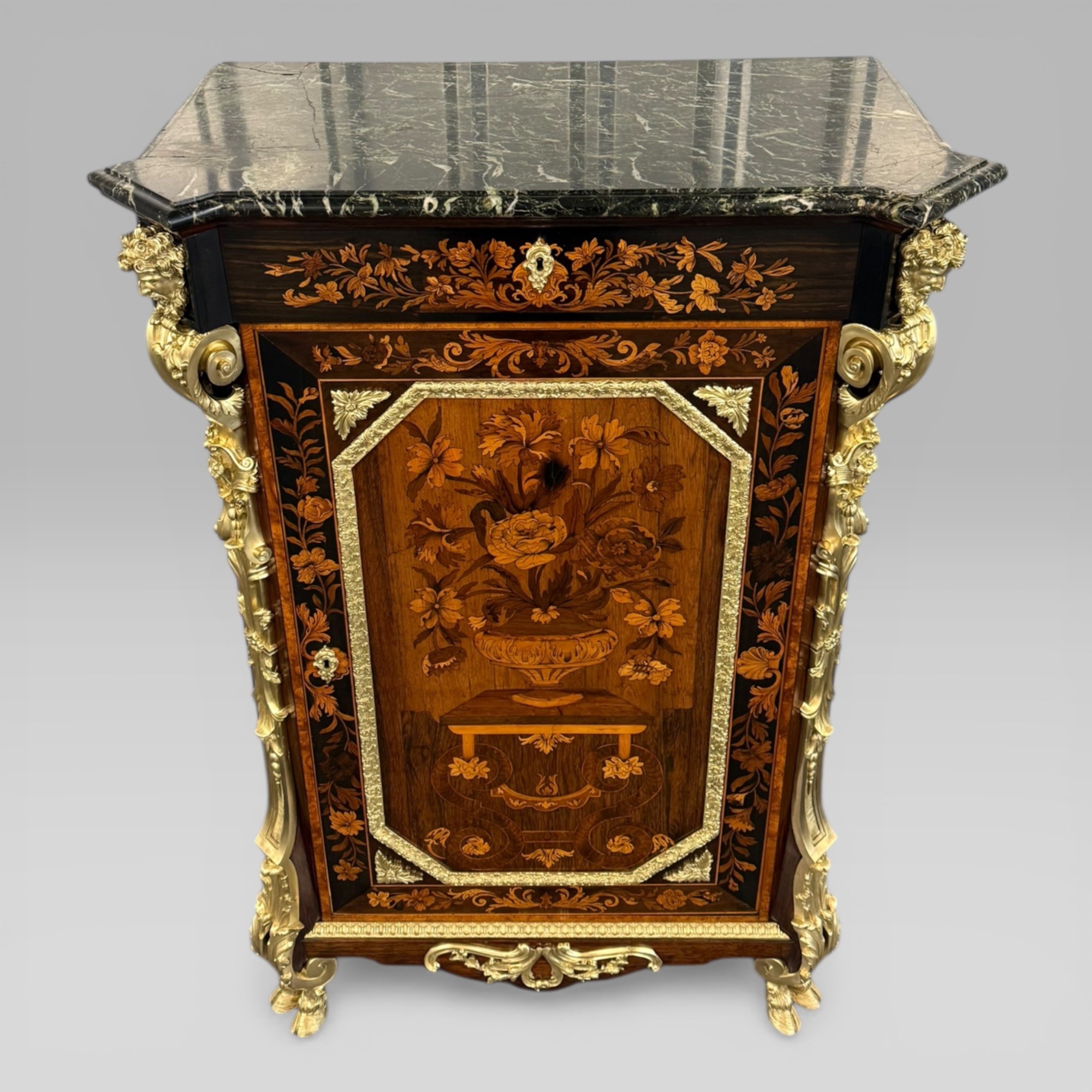
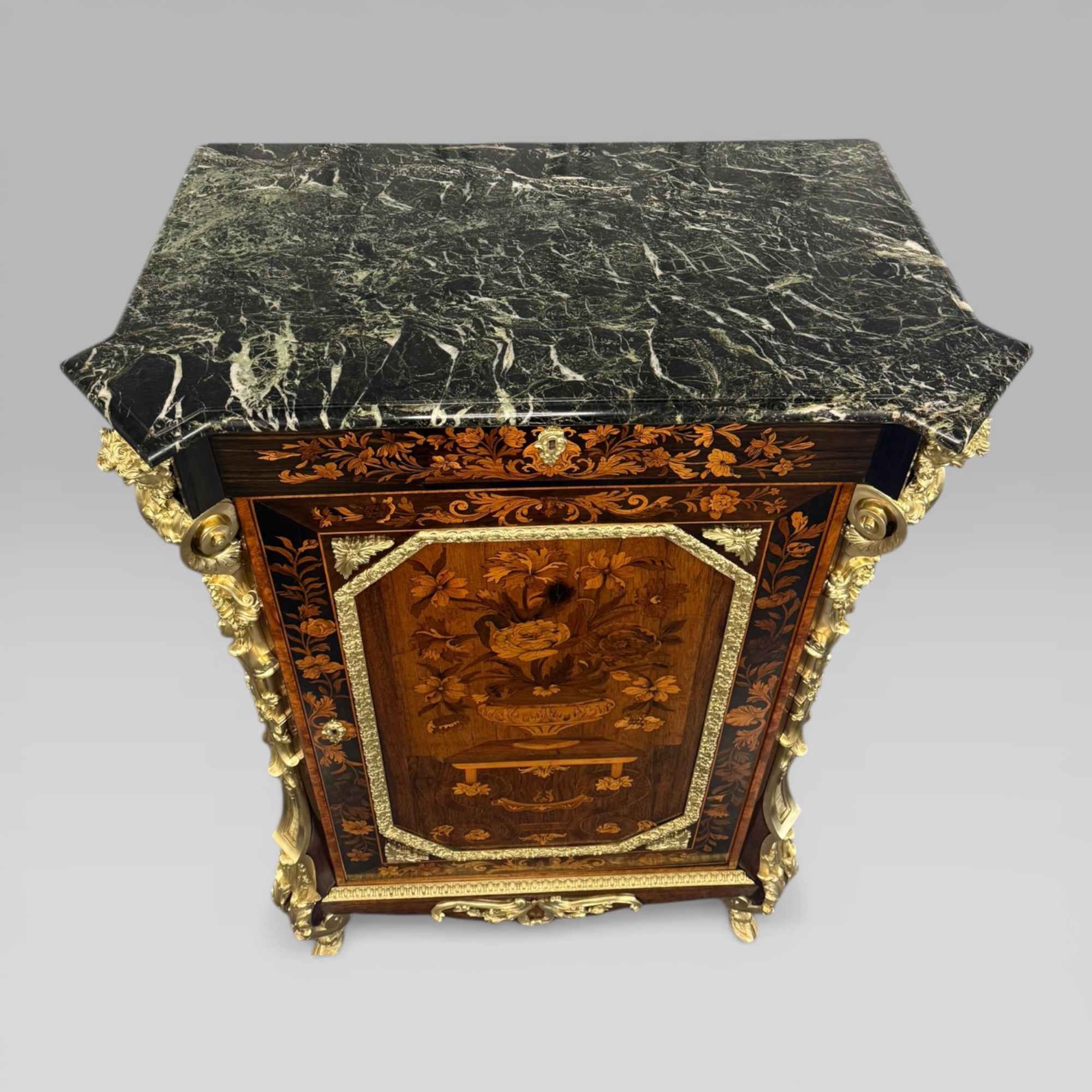
Knight Fine Antiques and Collectables has dated this Ormolu Mounted Pier Cabinet to the 19th Century.
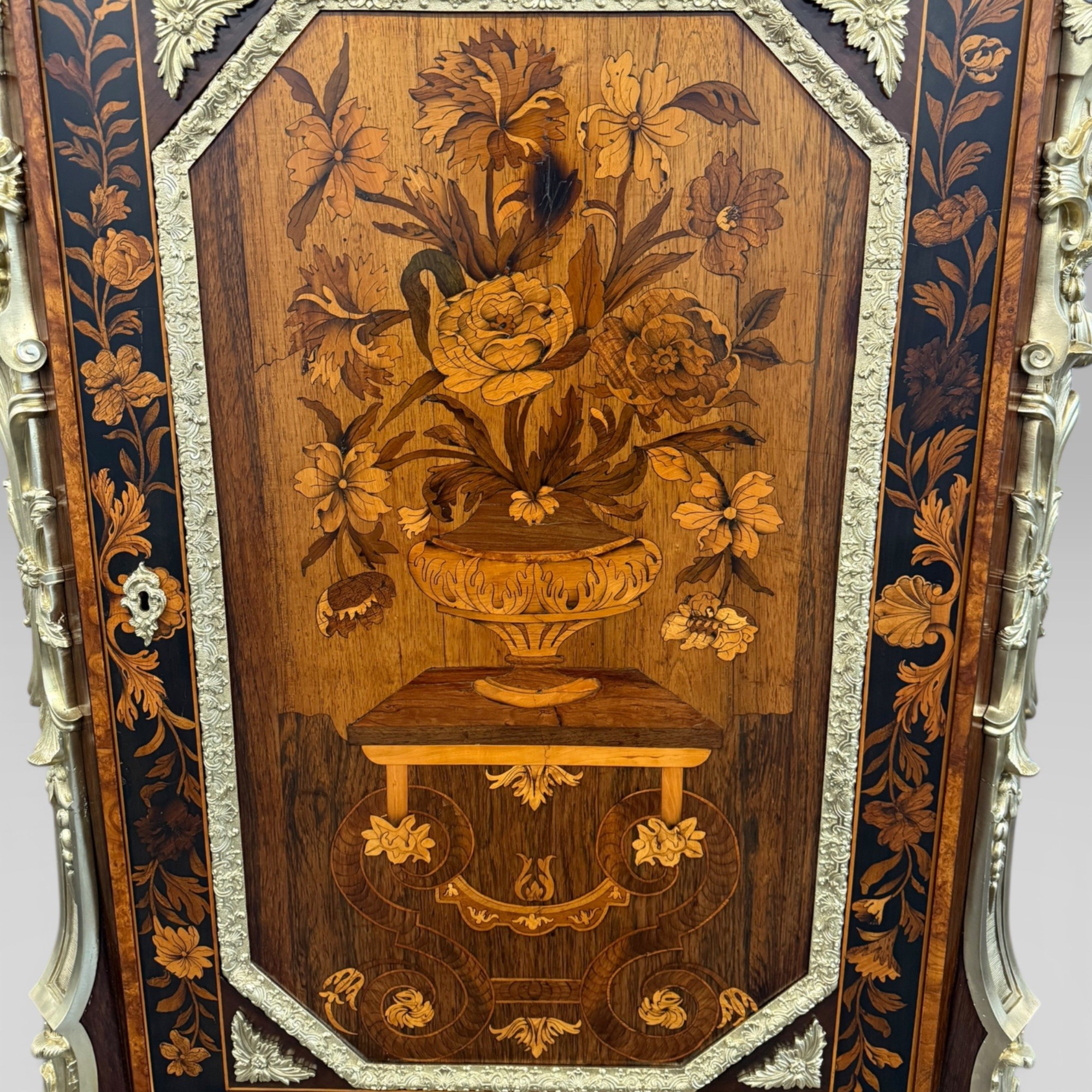
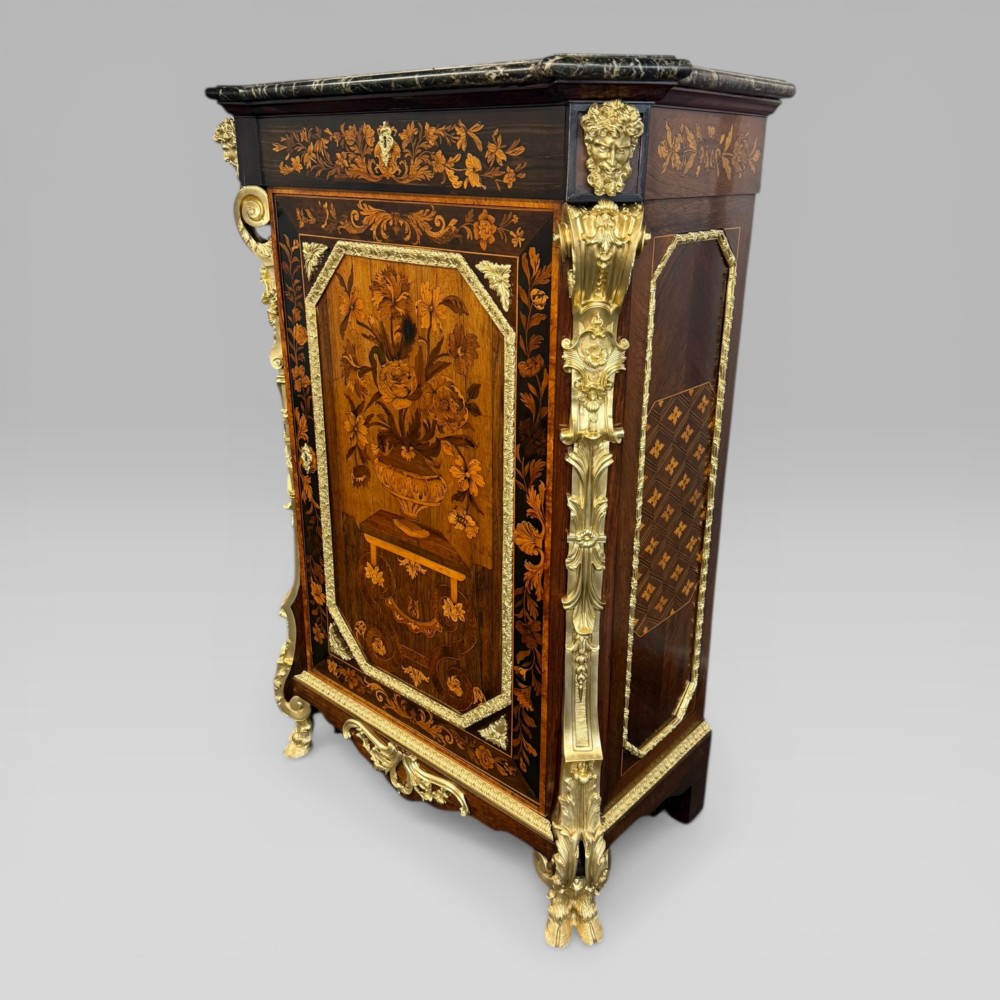
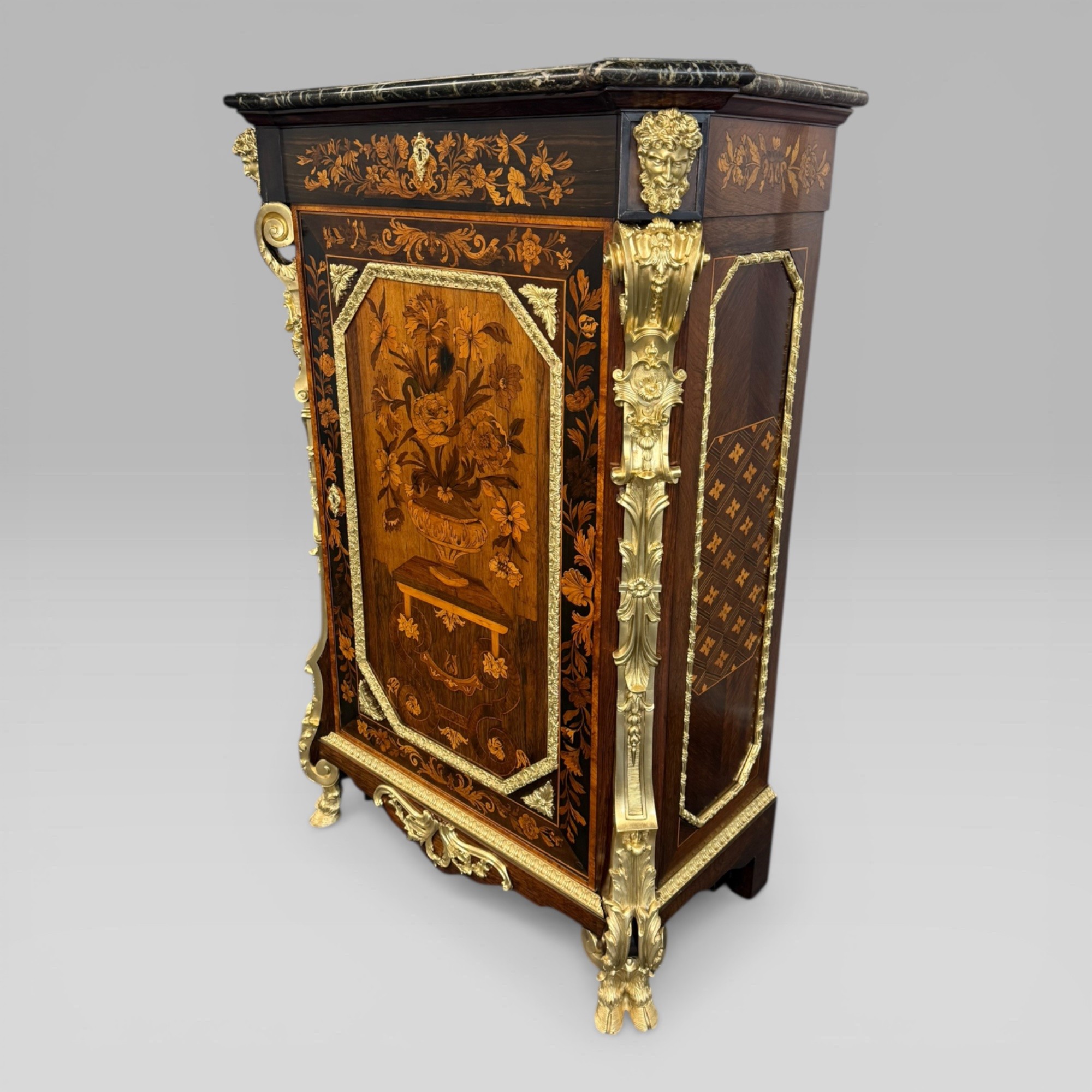
To the centre of the front is a naturalistic marquetry panel depicting an urn of flowers on a stand, resting above scrolling shaped forms. The veneers are particularly thick and finely worked, and this panel is estimated to date from the late 17th to early 18th century, likely of continental origin.
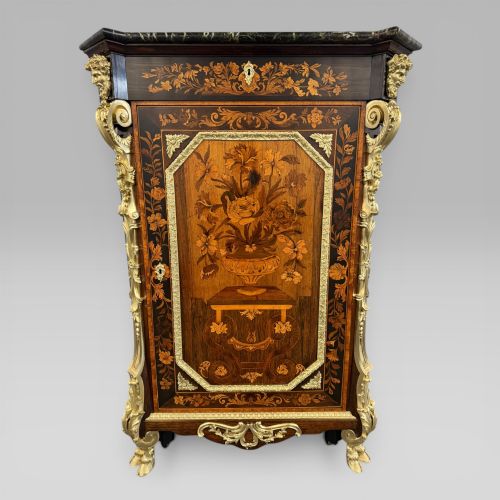
This central panel is framed by an ebony border with naturalistic floral marquetry, also believed to date from the late 17th or early 18th century. The marquetry to the sides is executed in the manner of André-Charles Boulle (1642–1732). For comparison, a cabinet in the Wallace Collection, attributed to André-Charles Boulle and dated circa 1670–1675, displays closely related marquetry decoration. That example is constructed of oak, ebony, tortoiseshell, brass and marquetry, and shows very similar floral designs.
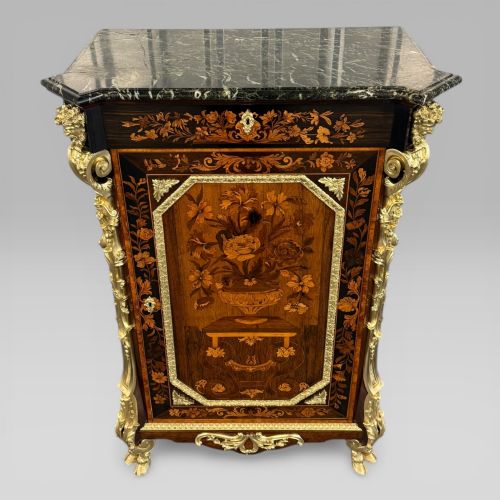
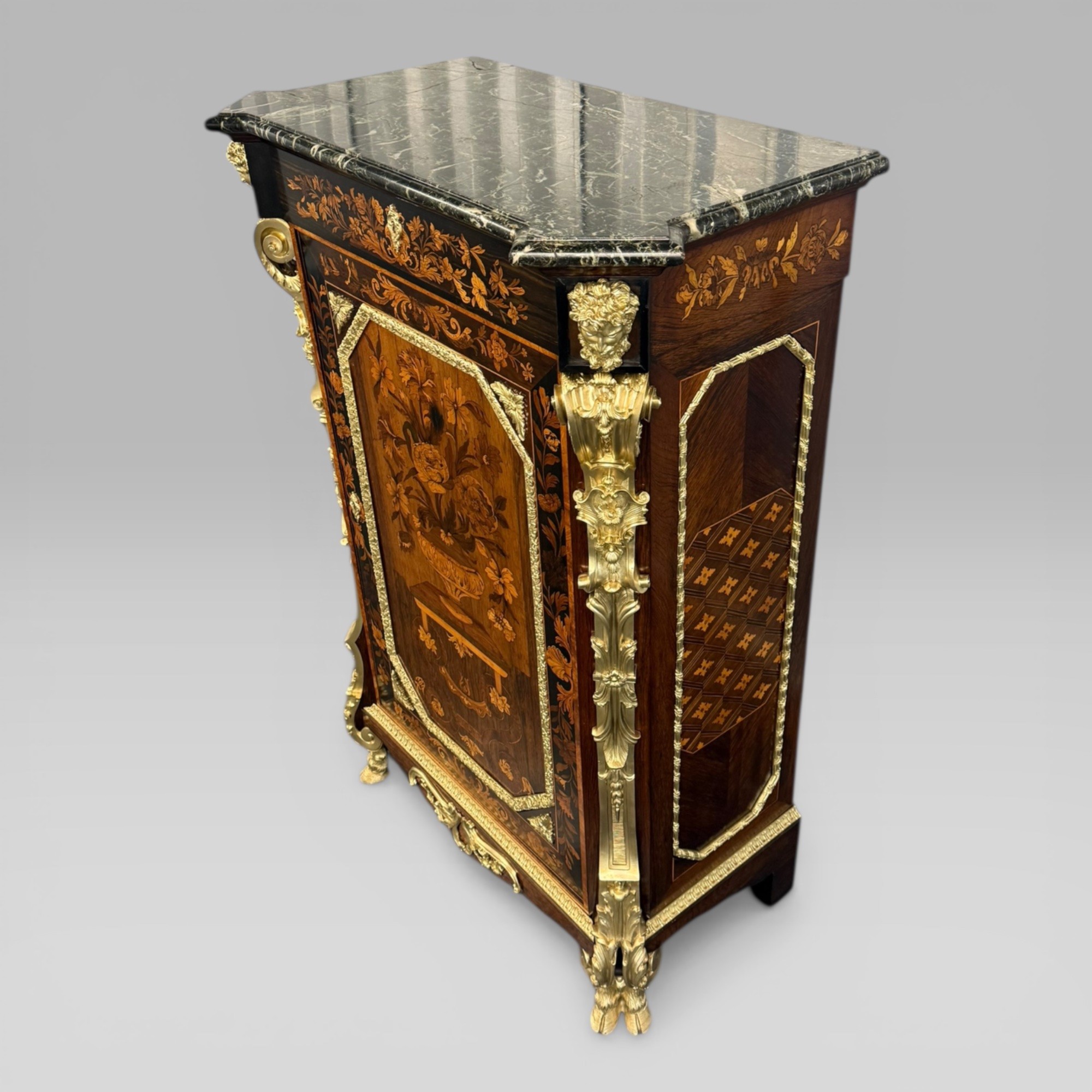
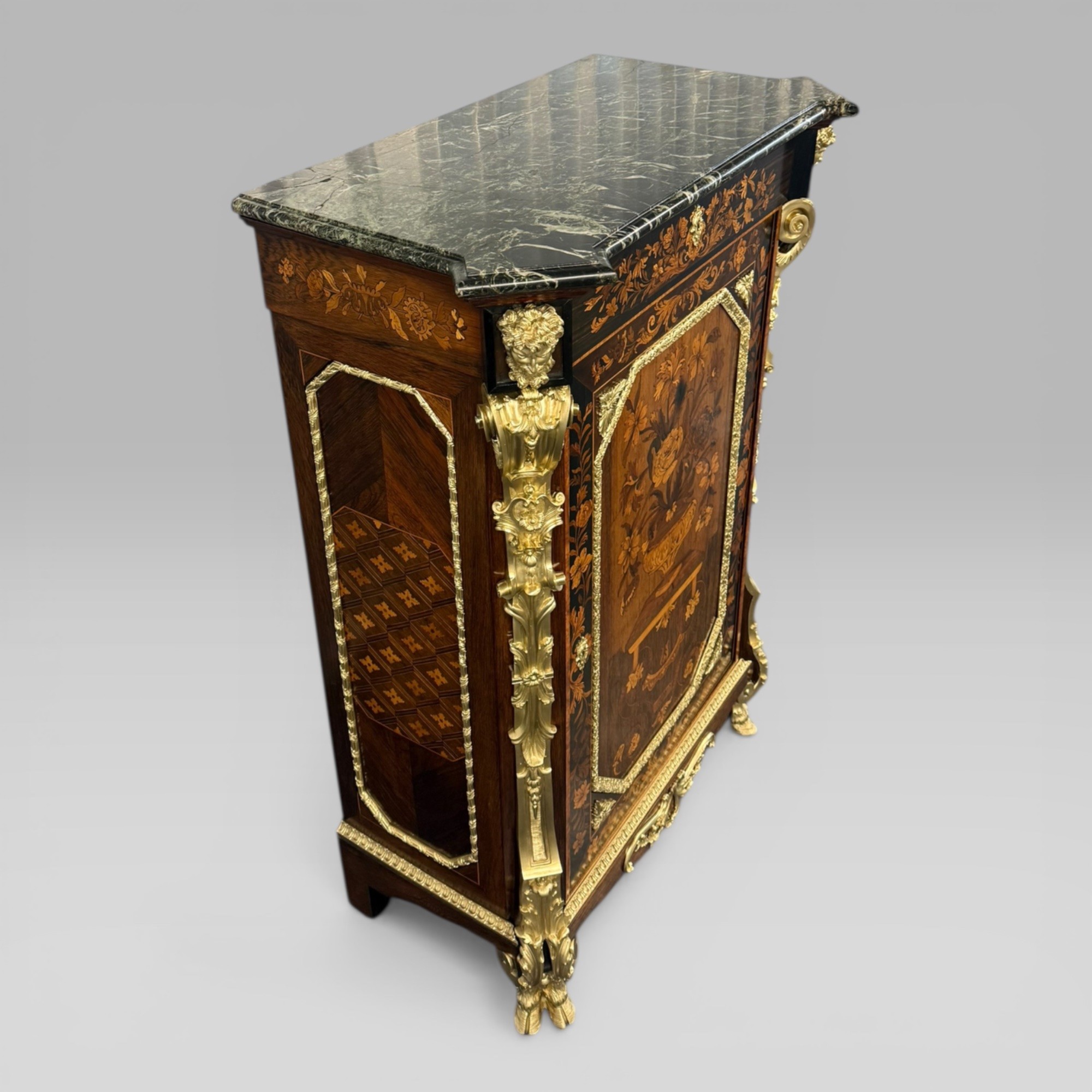
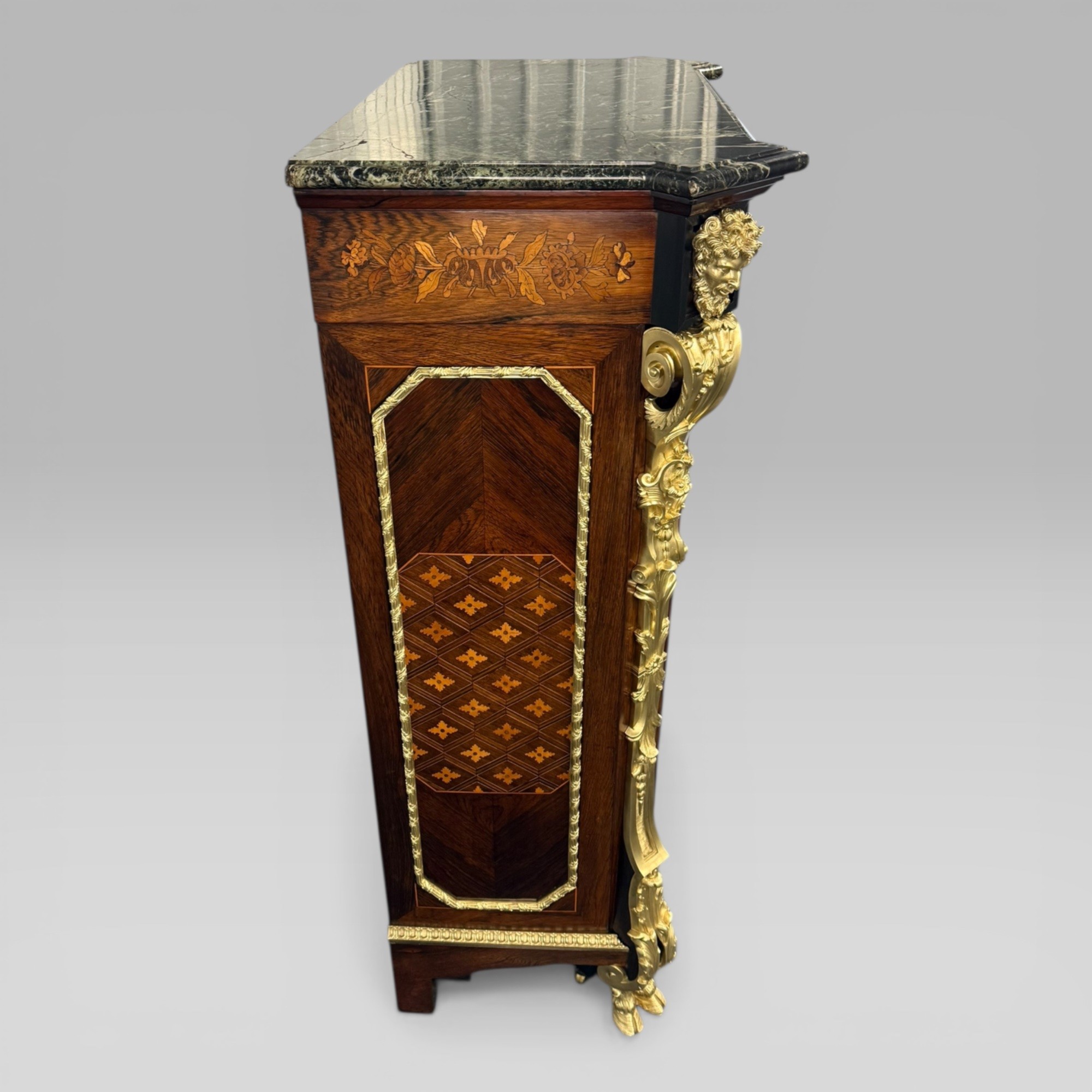
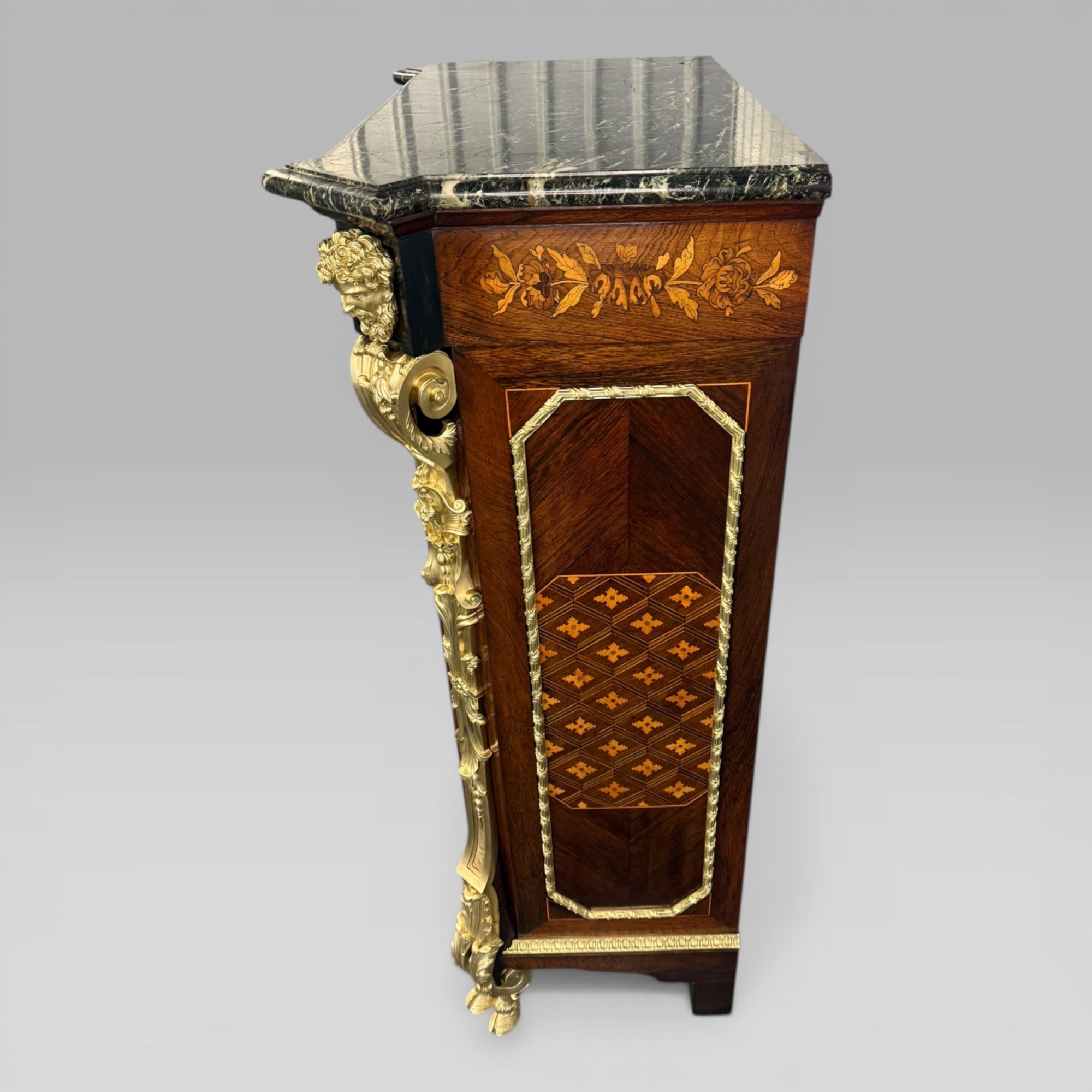
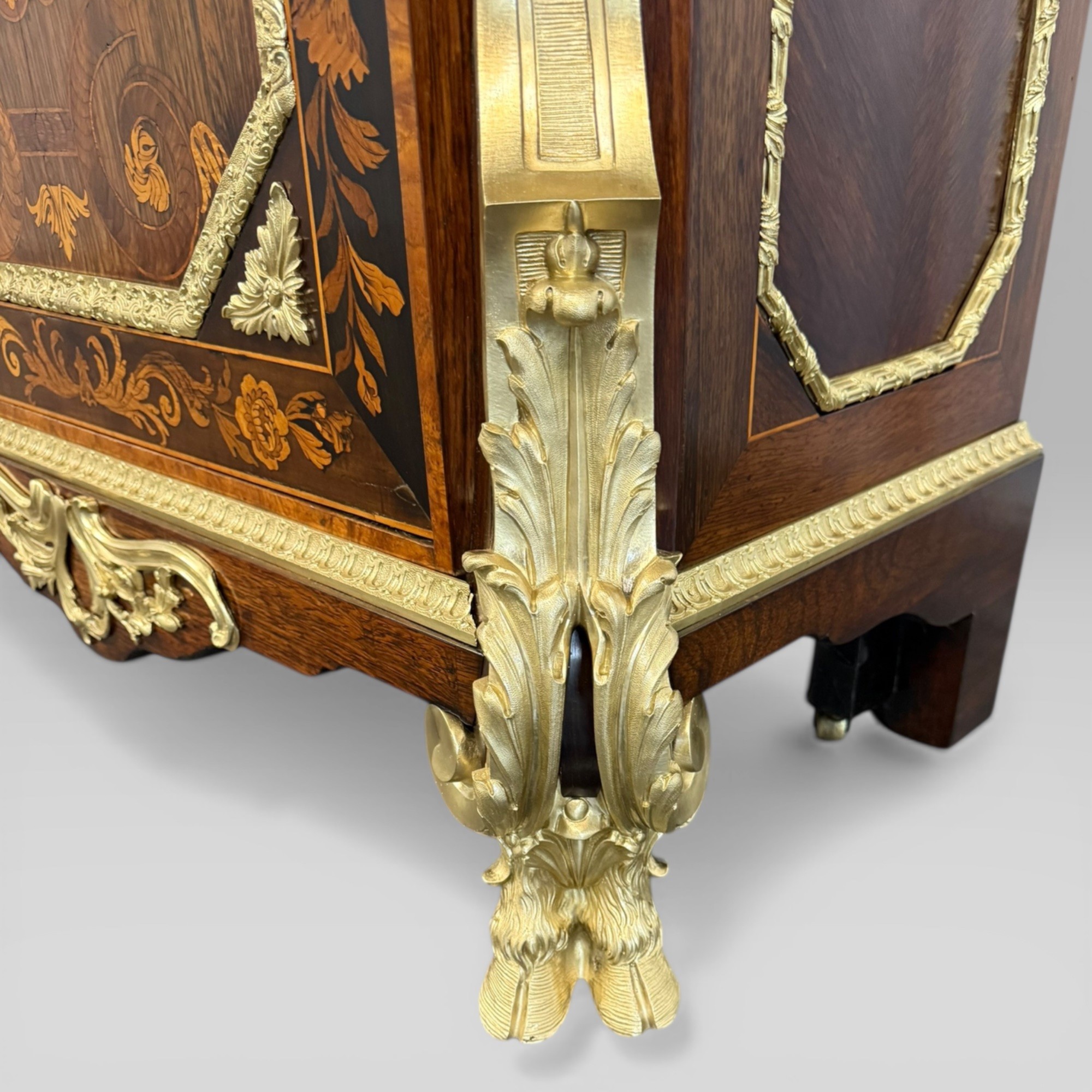
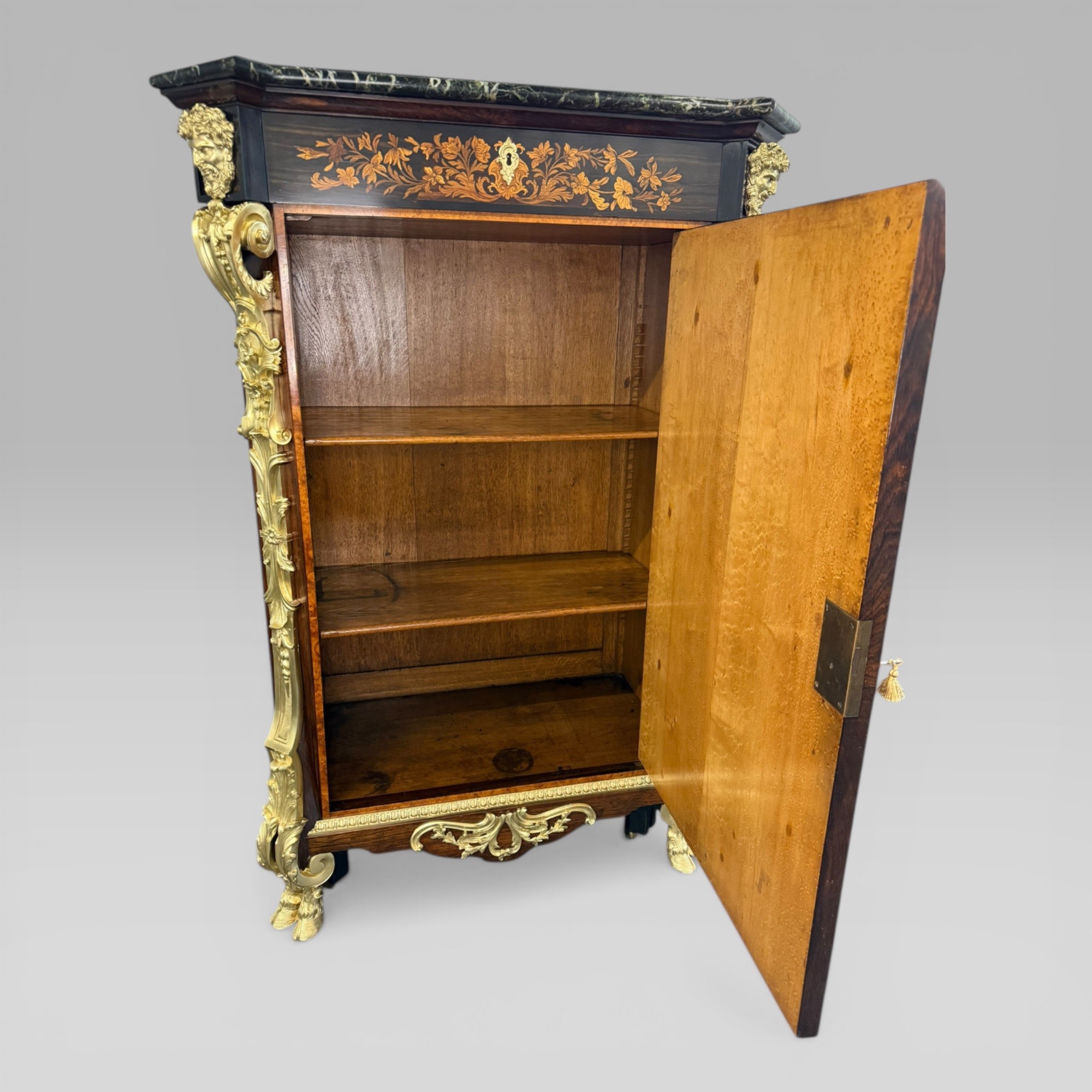
The cabinet is fitted with impressive ormolu mounts, many of which appear to originate from earlier furniture and were carefully selected by Baldock. The cabinet is fitted with impressive ormolu mounts, many of which appear to originate from earlier furniture and were carefully selected by Baldock. The most striking mounts run vertically up each canted corner of the front, topped with scrolling arched forms and decorated with floral detail. A closely comparable French commode in the Victoria and Albert Museum, dating to circa 1720, features remarkably similar brass columns terminating in hoof feet. Although that important commode bears no definitive maker’s stamp or provenance, specialists at the V&A have suggested that it is most likely attributable to the workshop of André-Charles Boulle.
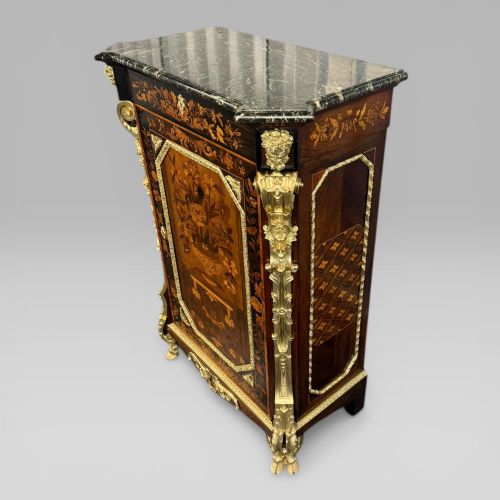
The strong similarity between the mounts may suggest that the ormolu on this cabinet was either inspired by Boulle’s designs, copied from them, or possibly even cast from the same master models used for the earlier commode.
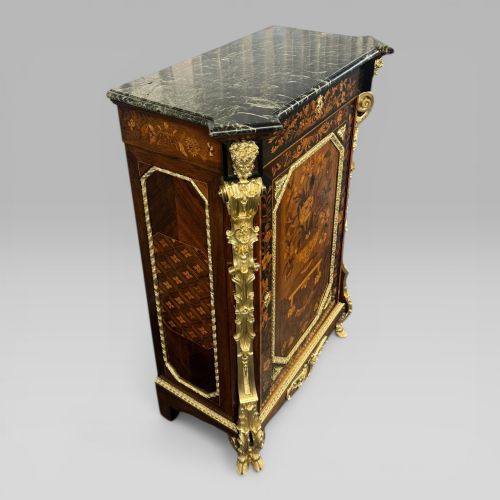
Most of the brass elements on the cabinet, including stringing and borders, are attached using bolts, a construction method characteristic of 18th century French ormolu mounts, rather than the later practice of simply pinning or screwing mounts to the surface. At the top of each front column is a mounted head with small horns, forming a matching pair. Combined with the hoof-form feet below, these mounts may represent a faun, the Roman mythological figure that is half human and half goat, associated with rustic woodland and animal spirits.
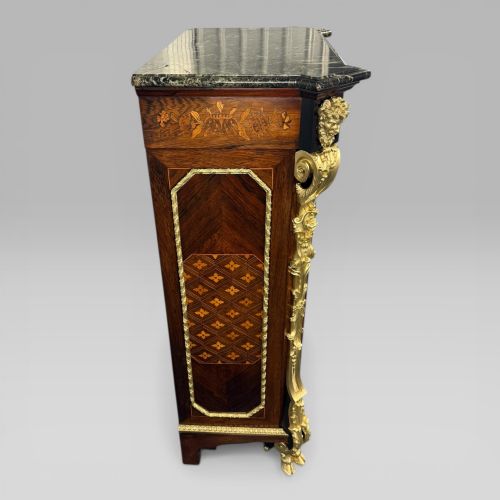
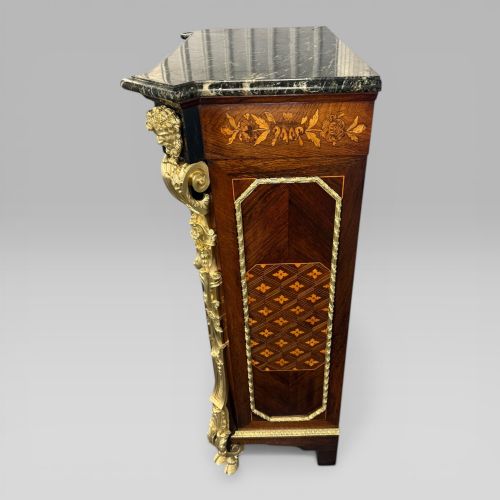
The side panels also incorporate earlier decorative elements. Each side features a trellis marquetry panel taken from an 18th century French furniture piece, and carefully integrated into the cabinet’s construction.
Dimensions
Overall Cabinet
Height – 128 cm (50.39 in)
Width – 89 cm (35.04 in)
Depth – 47 cm (18.50 in)
Internal Measurements
Height – 89.7 cm (35.31 in)
Width – 67.5 cm (26.57 in)
Depth – 33 cm (12.99 in)
Delivery
Free UK mainland delivery (excluding Scottish islands and other UK islands).
International delivery available — please contact us or request a quote.
Knight Fine Antiques and Collectables has dated this Ormolu Mounted Pier Cabinet to the 19th Century.
You can view the stock and full dealer information on the Knight Fine Antiques and Collectables Profile Page
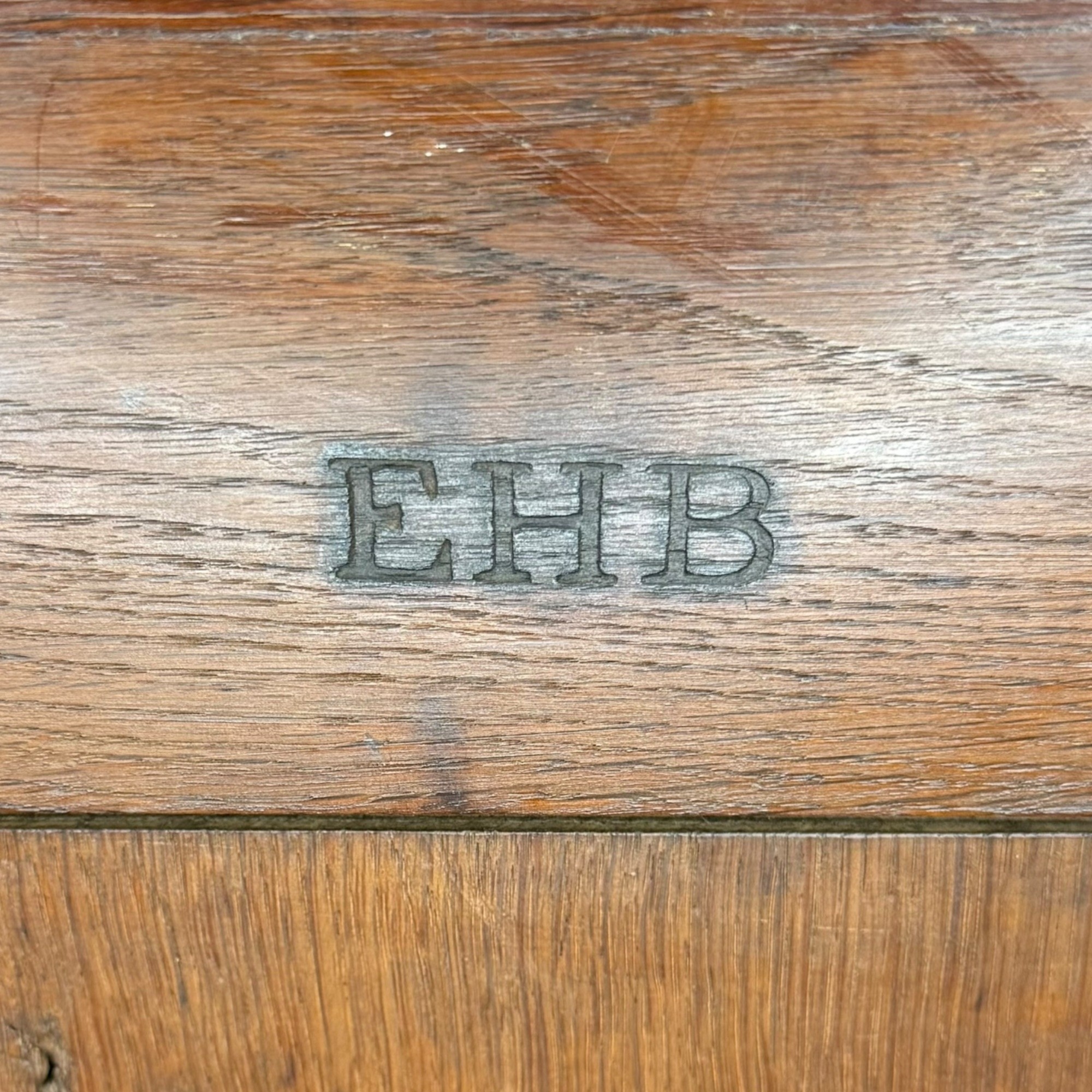
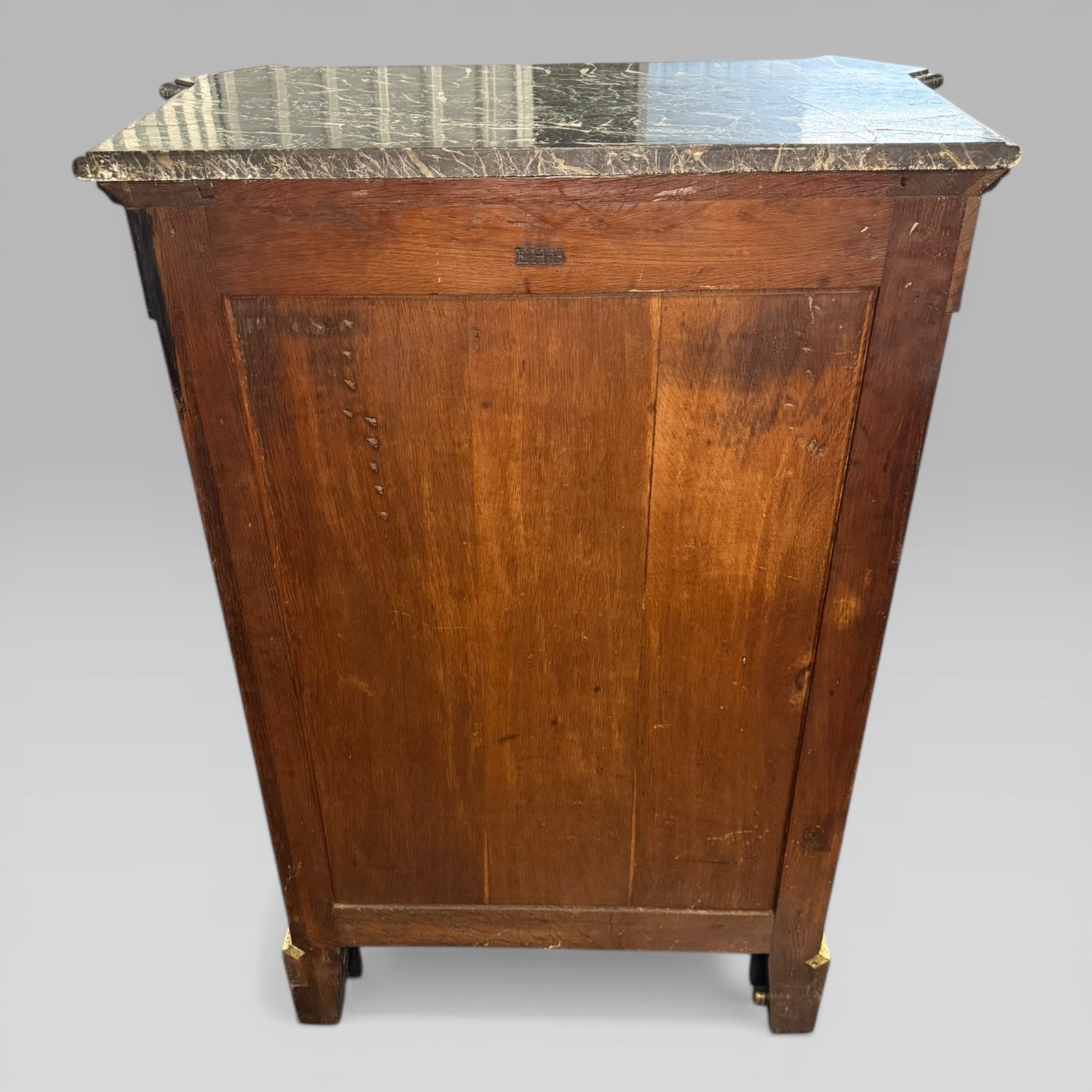
Antique Edward Holmes Baldock Ormolu Pier Cabinet with Blake Marquetry