



Marble Top Pier Cabinet
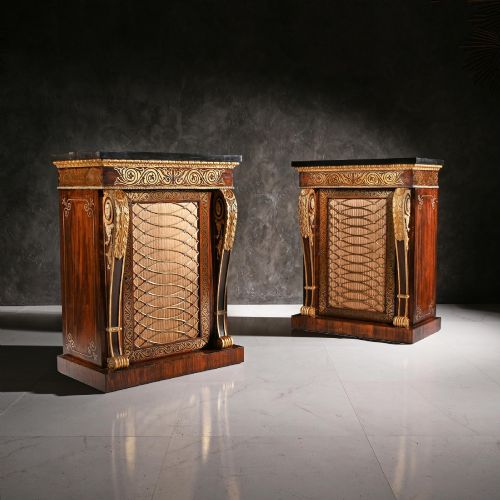
These marble top pier cabinet pieces combine polished stone surfaces with elegant timber frames, offering a striking display piece for any sophisticated interior.
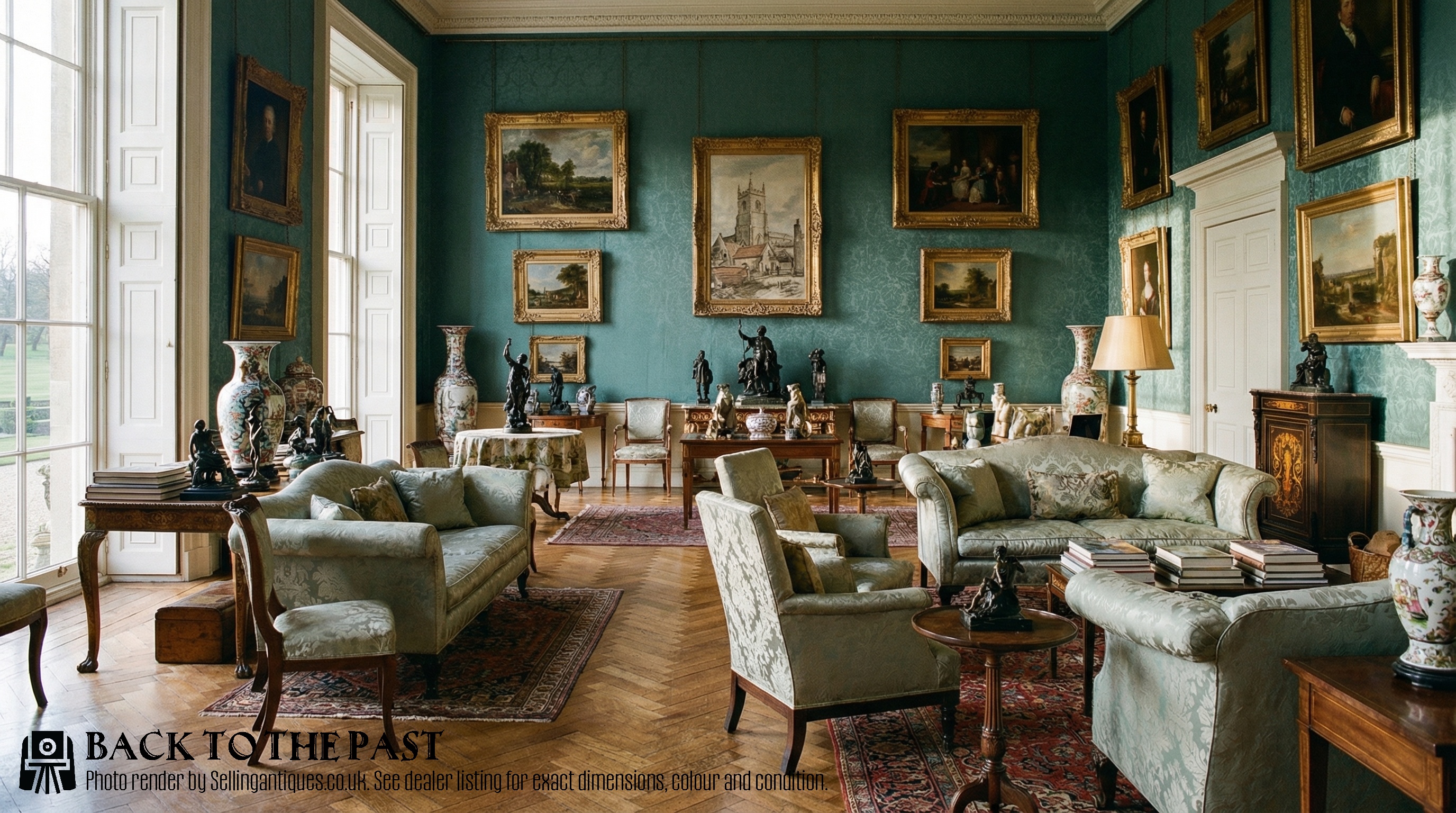
Marble Top Pier Cabinet
A marble top pier cabinet serves as a sophisticated wall-anchored furniture piece traditionally placed between windows, offering both a display surface and concealed storage. Buyers searching for a marble top pier cabinet encounter various forms including side cabinets, chiffoniers, and console tables dating predominantly from the nineteenth century.
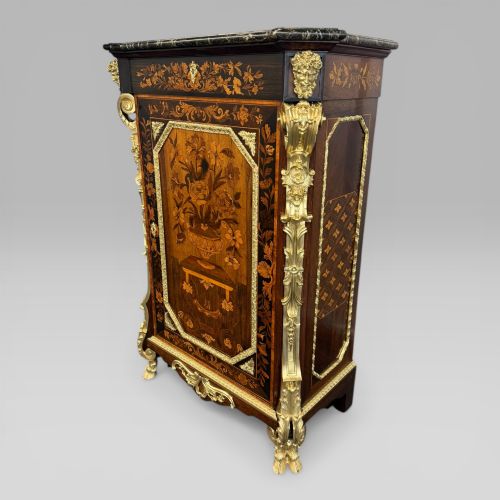
The physical evidence reveals diverse stylistic influences such as French Napoleon III, Regency, and Louis XVI revival. Pieces frequently incorporate rich timbers like rosewood and walnut alongside intricate marquetry and gilt mounts.
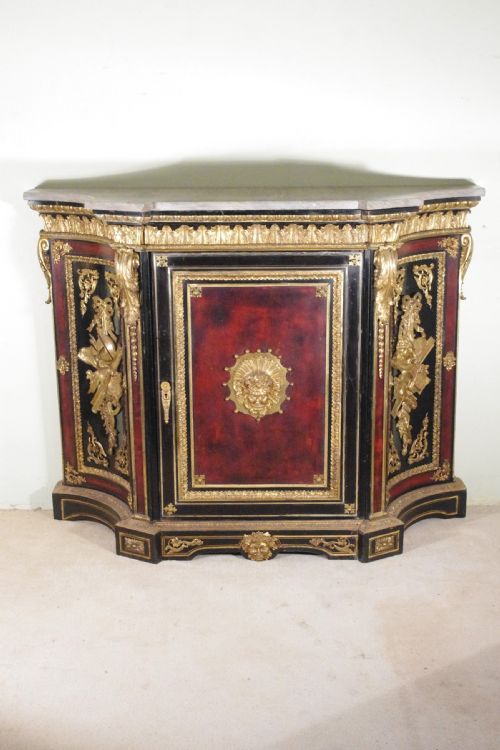
Originating largely from French and British workshops, these cabinets showcase polished stone slabs set above glazed or panelled doors. The selection ranges from narrow formats to serpentine fronts designed for specific architectural spaces.
Materials and construction methods
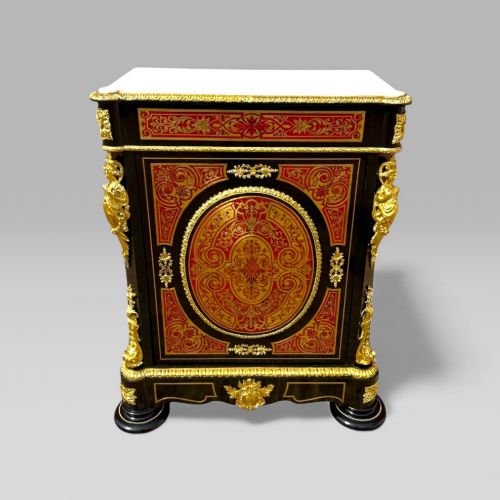
Cabinet makers utilised dense hardwoods including rosewood, walnut, kingwood, and ebonised wood as structural carcasses for these units. Surfaces were frequently decorated with brass inlay, tortoiseshell boulle work, and marquetry patterns.
Heavy marble slabs form the distinctive upper surfaces, occasionally featuring fossil variants or serpentine cuts. Artisans mounted cast or chased ormolu and gilt metal details to highlight corners, friezes, and door frames.
Marble Top Pier Cabinet Retail Price Guide 2026
Typical asking prices for marble top pier cabinet among the pieces listed under this phrase on Sellingantiques today, from the lower quarter to the upper quarter. They describe what is for sale here now, not the wider market.
Listings feature marble, rosewood, brass, ormolu, kingwood, ebonised wood, glass, and walnut across Victorian, Regency, and Napoleon III periods.
Evaluating craftsmanship and detail
Quality in these furniture items rests on the precision of the timber marquetry and the crispness of the cast ormolu mounts. Finer examples display meticulous brass inlay and sophisticated wood selection rather than plain veneered surfaces.
The integrity of the stone top and the weight of the underlying carcass separate standard production from superior craftsmanship. Original glass panels and well-preserved fire gilding elevate the standing of an individual piece.
Louis Constantin Le Gaigneur·Edward Holmes Baldock
The Marble Top Pier Cabinet Glossary
- Pier cabinet
- A low cabinet designed to fit against the wall space between two architectural windows. These items often feature glazed doors for displaying porcelain or books.
- Ormolu
- Gilded bronze mounts applied to furniture for decorative accent. The technique involves mercury gilding on bronze bases.
- Marquetry
- The art of applying veneer pieces in geometric or pictorial designs to a wooden structure. Craftsmen use contrasting woods, brass, and tortoiseshell.
- Boulle
- A specific type of marquetry using tortoiseshell and brass inlay developed in France. It is associated with opulent nineteenth-century cabinet making.
- Chiffonier
- A small sideboard or tall cabinet featuring shelving and cupboard space below a flat top surface. Many examples include fitted marble tops.
Marble Top Pier Cabinet: Frequently Asked Questions
What is a pier cabinet?
A pier cabinet is a low storage unit traditionally built to fit the narrow wall space situated between two windows in a formal room.
These pieces typically combine a flat stone surface with enclosed shelving to display decorative objects or house small collections.
How do I clean marble?
Marble surfaces require gentle cleaning with a damp cloth and mild neutral soap to avoid damaging the polished stone finish.
Harsh chemical cleaners and acidic substances must be avoided completely to protect the natural porous structure of the stone top.
Are these cabinets French or English?
The listings include both French and British origins, with many pieces reflecting nineteenth-century continental design revivals.
French pieces frequently incorporate ebonised wood, boulle work, and ormolu mounts, whilst British examples often highlight rosewood and brass inlay.
Where should I place it?
These cabinets suit hallways, living rooms, and dining spaces where a narrow footprint allows for elegant display without obstructing pathways.
The flat marble surface provides an ideal location for lighting, clocks, or decorative porcelain.