


Nineteenth Century Pier Cabinet
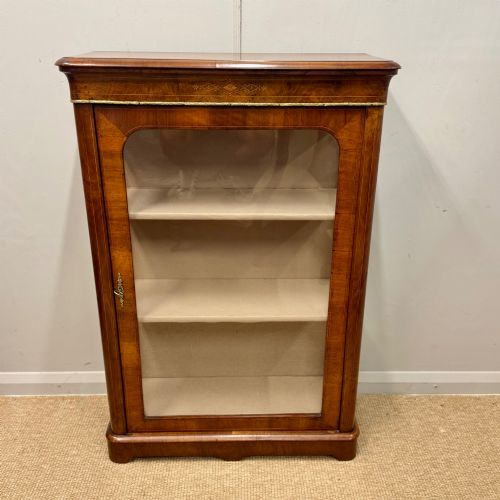
A nineteenth century pier cabinet is a low display piece designed to sit against the wall between windows, offering elegant storage for treasured objects.
Nineteenth Century Pier Cabinet
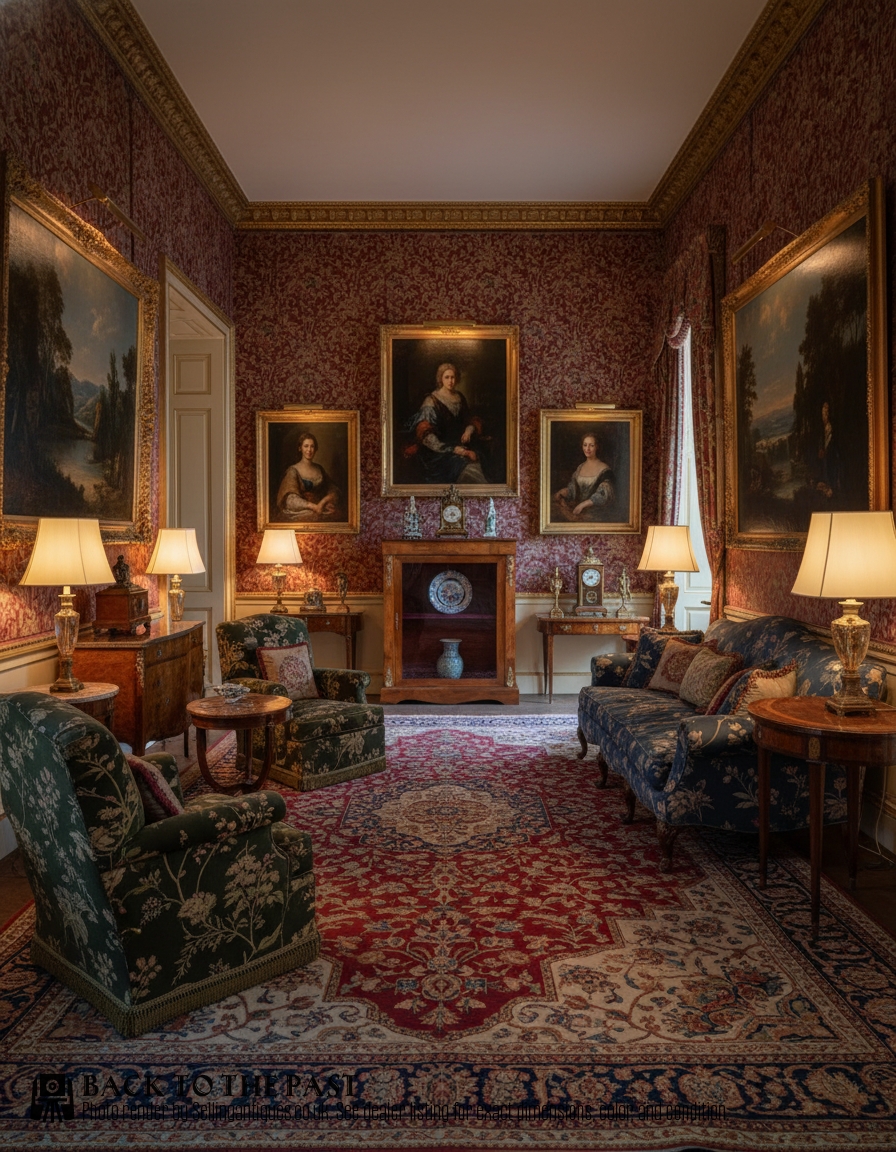
A nineteenth century pier cabinet provides low storage and display surface specifically proportioned for the narrow wall space between windows in period rooms. These pieces appear in forms ranging from straightforward side cabinets to glazed display furniture and serpentine credenzas.
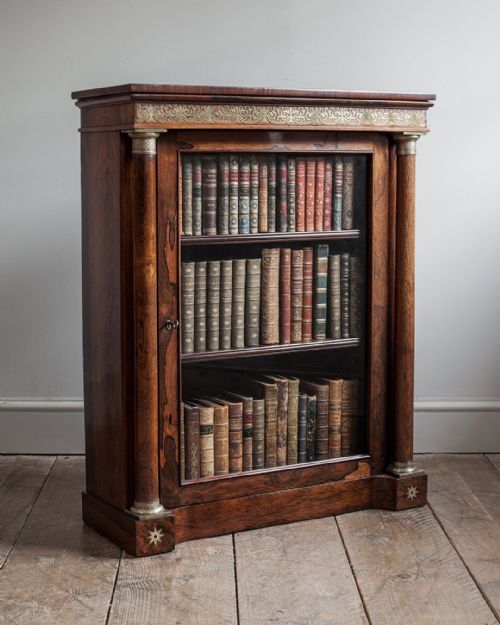
The versions most commonly met on this page belong to the Victorian and Regency periods, frequently constructed from walnut, burr walnut, rosewood, or mahogany. Makers often incorporated glass doors to protect collections whilst allowing maximum visibility.
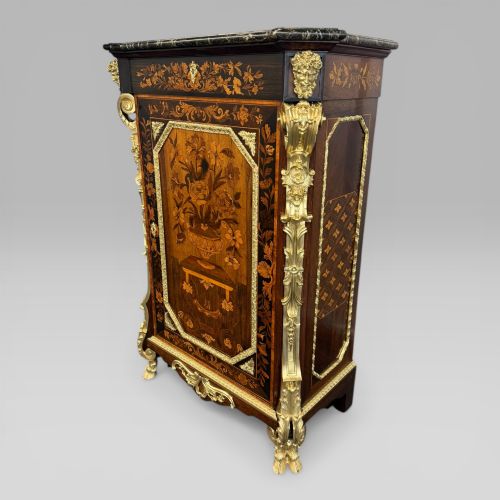
Stylistic influences vary across the selection, encompassing French Revival, Louis XVI Revival, French Louis XV, Chinoiserie, and Napoleon III designs. Many incorporate marquetry, boxwood inlay, or painted decoration to enhance their visual appeal.
Materials and construction
Cabinet makers utilised rich timbers including rosewood and burr walnut, often applying cross-banding and intricate marquetry in boxwood. Carcasses were built to house glass panels, providing secure enclosed shelving for delicate ceramics and books.
Metal mounts in brass and ormolu frequently accent the corners, borders, and doors of these cabinets. These cast and chased decorative elements emphasise the architectural lines of the furniture and reflect the French influence popular during the period.
Nineteenth Century Pier Cabinet Retail Price Guide 2026
Typical asking prices for nineteenth century pier cabinet among the pieces listed under this phrase on Sellingantiques today, from the lower quarter to the upper quarter. They describe what is for sale here now, not the wider market.
Music cabinets share the floor with display furniture, ready to hold nineteenth century sheet scores behind locked glass doors.
Markers of quality
The refinement of the marquetry inlay and the choice of timbers set superior examples apart from standard production. Finely figured burr walnut and delicate boxwood work require high skill, whereas plainer veneers suggest simpler workshops.
The crispness of the ormolu mounts and the integration of quality cast brass details indicate superior craftsmanship. Heavier, less articulate metalwork and basic timber selection generally mark out more utilitarian pieces.
Edward Holmes Baldock·Edwards and Roberts
The Nineteenth Century Pier Cabinet Glossary
- Ormolu
- Gilded bronze mounts used to decorate furniture. Makers cast and finished these metal elements to highlight corners and door frames.
- Marquetry
- Decorative veneer patterns assembled from various woods. Craftsmen cut thin slices of timber like boxwood and walnut to form complex pictorial designs.
- Burr walnut
- Timber taken from the wart or growth on a walnut tree. It yields highly figured grain patterns prized for decorative cabinet surfaces.
- Boulle
- A technique of inlaying brass and tortoiseshell. Named after a French cabinet maker, this method creates shimmering contrasting surface patterns.
- Cross-banding
- A border veneer applied with the grain running perpendicular to the centre panel. This framing technique provides a neat visual edge to cabinet doors and tops.
Nineteenth Century Pier Cabinet: Frequently Asked Questions
What is a pier cabinet used for?
A nineteenth century pier cabinet served to display porcelain, small books, and decorative objects in principal rooms. The enclosed glass shelves protected delicate items from dust whilst keeping them visible.
Because they were built to occupy narrow wall spaces between windows, they provided functional storage without blocking natural light or obstructing movement around the room.
How do I identify a Victorian pier cabinet?
Victorian examples frequently feature dark timbers such as walnut and burr walnut, often enhanced with boxwood marquetry and gilt metal mounts. They commonly incorporate glazed doors and polished wooden surfaces typical of the mid-nineteenth century.
Earlier Regency pieces tend to utilise rosewood and mahogany with cleaner classical lines, whereas Victorian cabinets often embrace heavier proportions and varied revival styles.
Where should I place a nineteenth century pier cabinet?
These cabinets suit narrow wall spaces, hallways, or reception rooms where standard sideboards prove too bulky. Their shallow depth allows them to sit comfortably against walls without dominating the floor plan.
Pairing a cabinet with a matching mirror or placing it between windows honours the original architectural purpose for which cabinet makers designed them.
What woods were used in these cabinets?
Cabinet makers predominantly selected walnut, burr walnut, rosewood, and mahogany for the primary carcases and exterior surfaces. These dense hardwoods provided a stable base for fine veneers and intricate inlay work.
Secondary timbers supported the internal shelving and framing, whilst decorative additions relied on boxwood for contrasting marquetry details.