
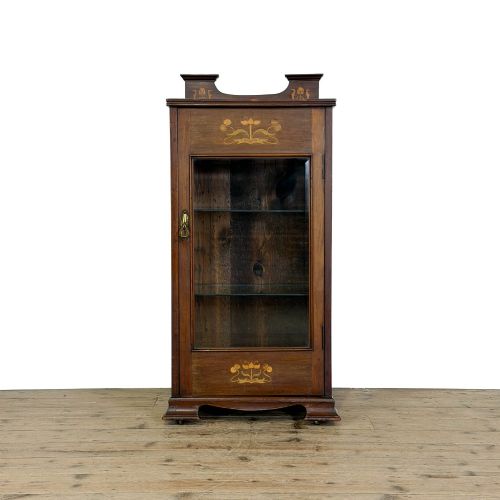
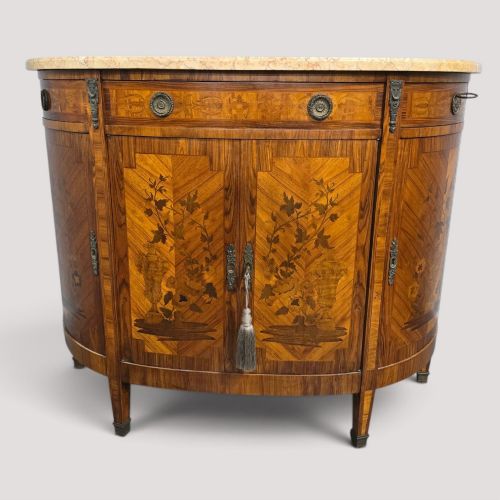

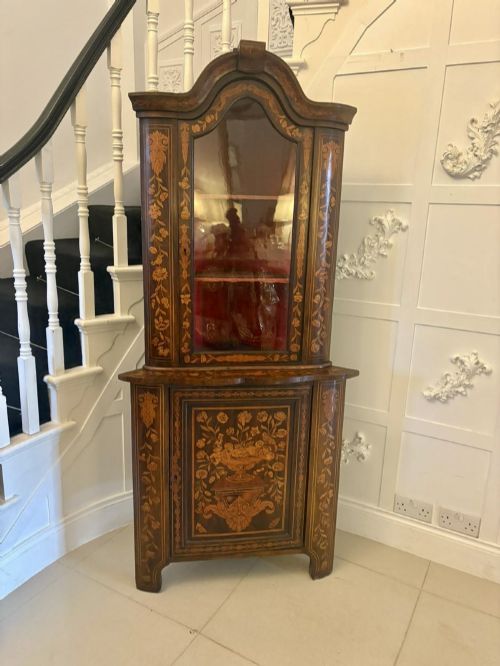
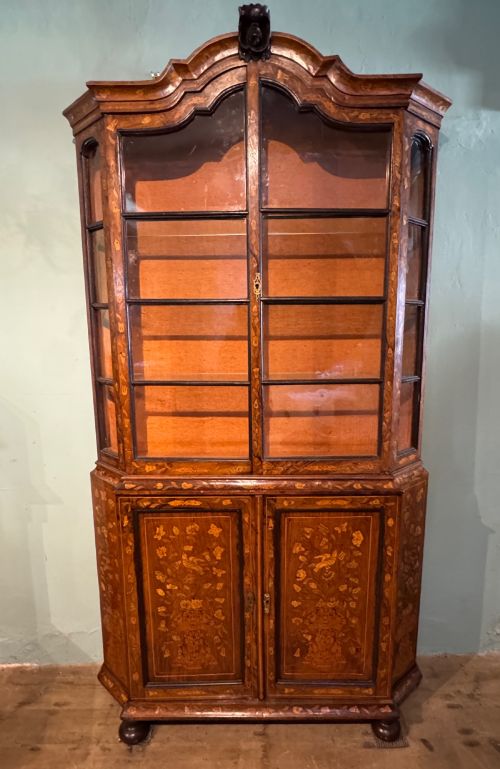
Floral Marquetry Cupboard
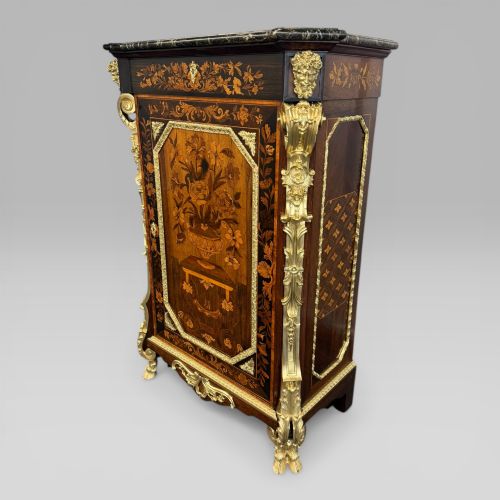
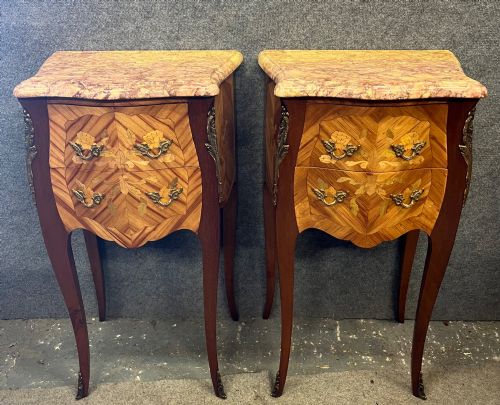
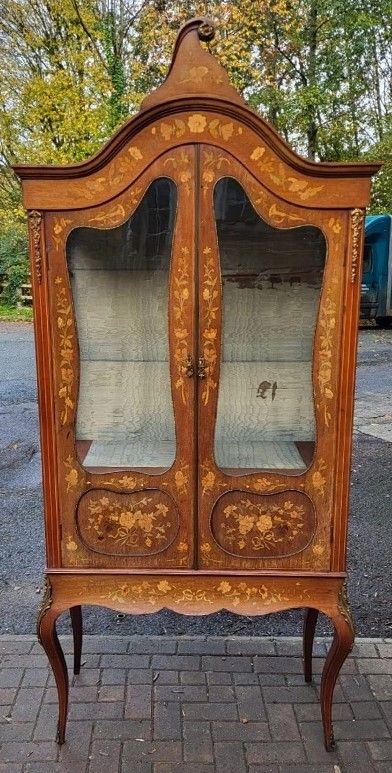
These floral marquetry cupboards bring intricate floral imagery and figured timbers into living spaces with remarkable artistry.
What these floral marquetry cupboards are
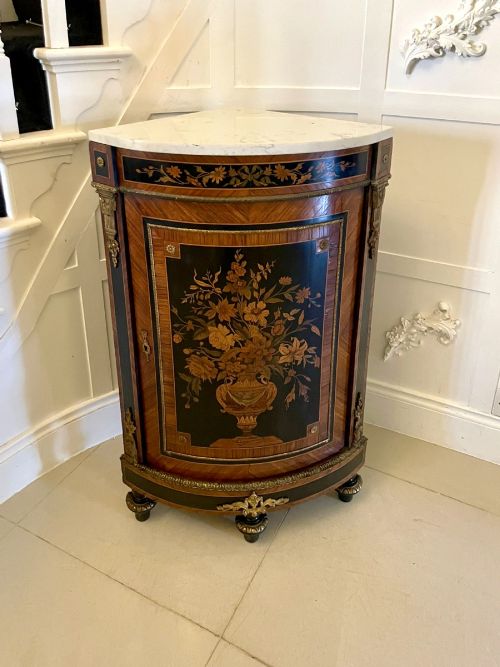
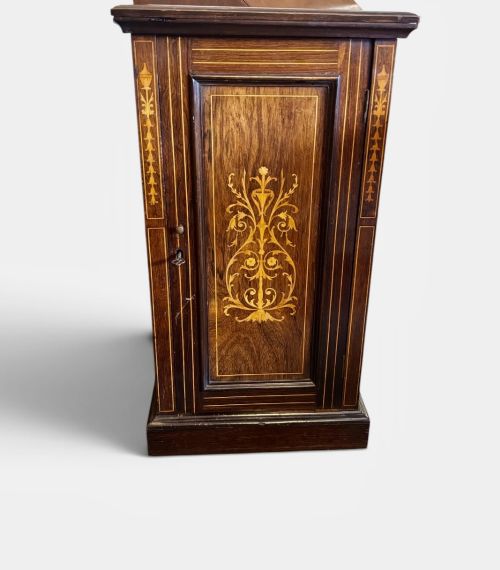
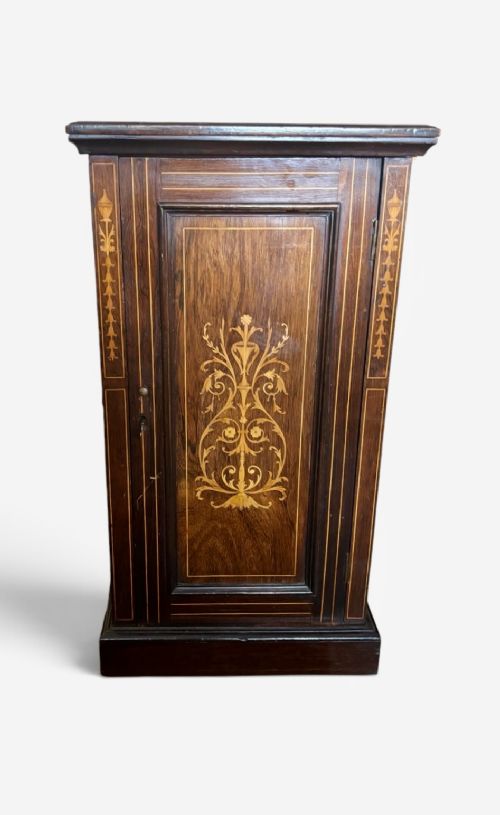
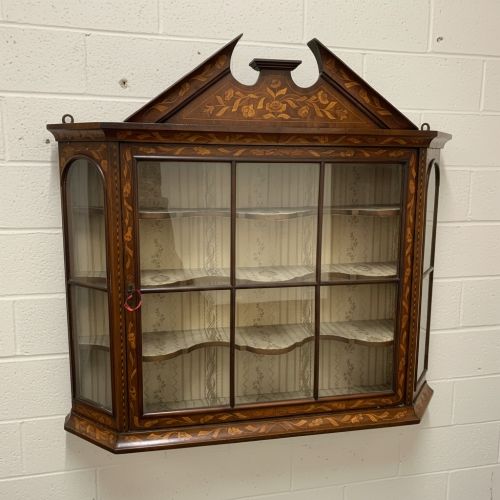
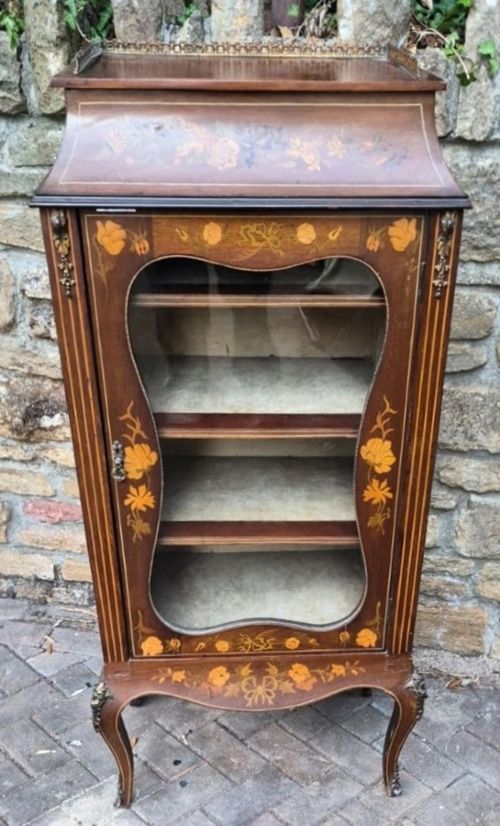
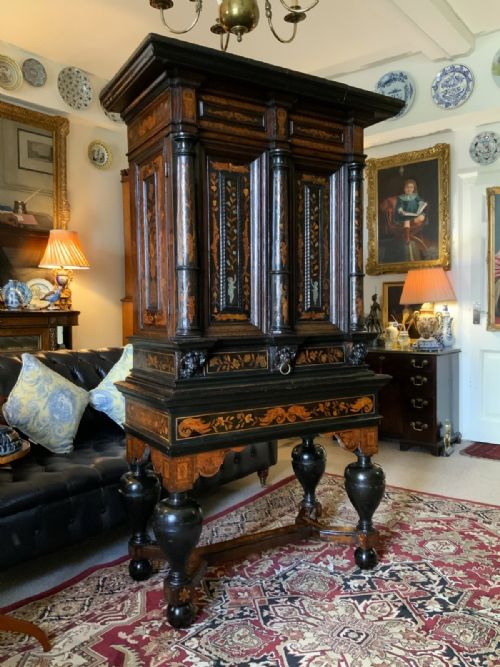
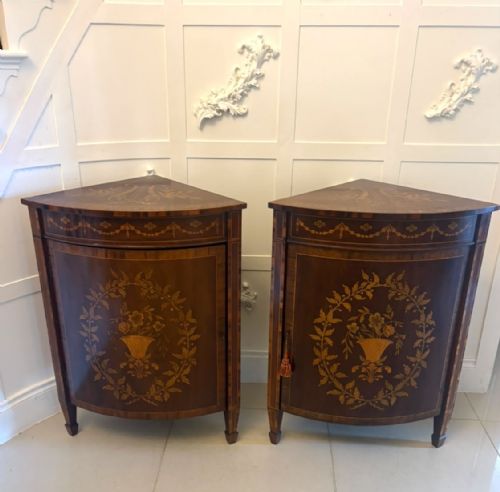
A floral marquetry cupboard combines practical storage with elaborate timber inlay depicting floral and foliate motifs. Pieces range across multiple forms including corner cabinets, cabinets on stand, pier cabinets, and cocktail cabinets.
The items seen span several distinct periods from the seventeenth century through to the 1930s. Regional interpretations vary from Dutch Baroque and Dutch marquetry to French Louis XVI, French Rococo, and Victorian revivals.
Cabinets on stand and double corner cabinets sit alongside serpentine side cupboards and marble-topped corner cupboards. Walnut, oak, rosewood, kingwood, fruitwood, and tulipwood provide the foundational structures for these floral designs.
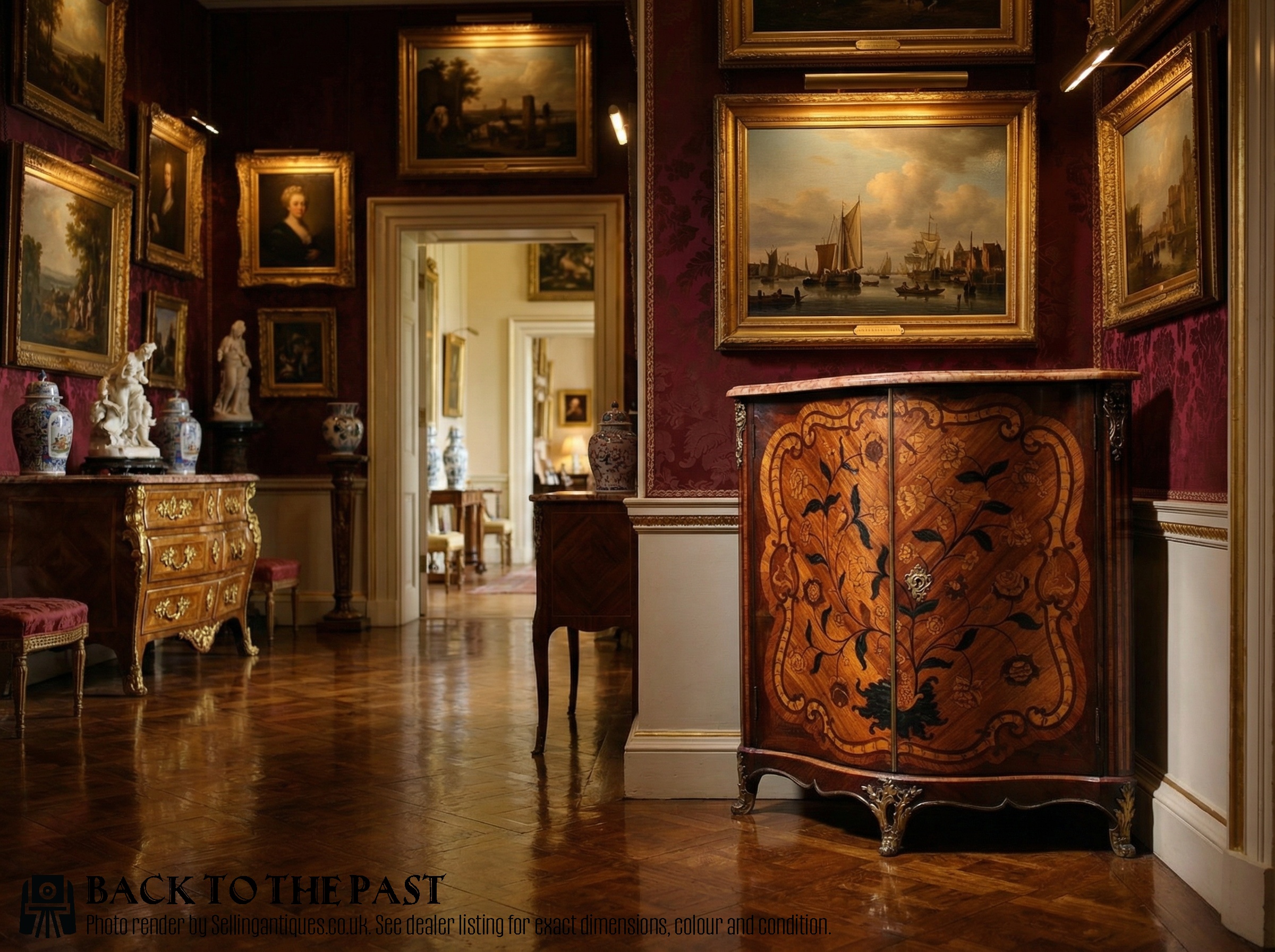
How they were made
Craftsmen construct these cabinets using solid and veneered timbers such as walnut, oak, rosewood, kingwood, fruitwood, and tulipwood. Fine veneers are carefully sawn and fitted together to create pictorial floral patterns across the surfaces.
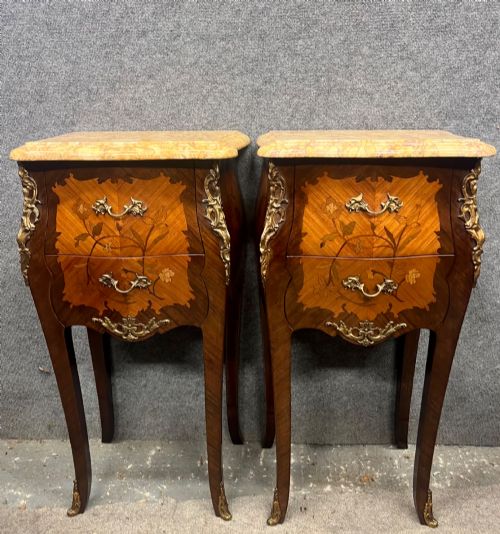
Maker details and decorative accents incorporate materials like ormolu, brass, marble tops, and pewter inlay. Serpentine shapes and demi-lune forms require specialised shaping of the wood carcasses to accommodate the curved marquetry panels.
Retail Price Guide 2026
Typical UK retail prices for floral marquetry cupboard, calculated from the Sellingantiques database of over a million retail prices indexed since 2003. This retail price guide relies exclusively on Sellingantiques data; no external sources or auction records are used, so the figures do not describe the wider market.
Listings feature periods spanning from the seventeenth century through Victorian times up to the 1930s.
What varies in quality
The sophistication of the timber selection and the precision of the veneer cutting define the distinction between standard examples and exceptional pieces. Intricate floral shading achieved through scorched wood adds depth found in superior specimens.
Integration of secondary materials like ormolu mounts, pewter stringing, and marble tops alters the visual weight and refinement of a cabinet. The complexity of the carcass shape, from straight-fronted corner units to serpentine double cabinets, influences the level of joinery skill required.
Edward Holmes Baldock·Blake
The Floral Marquetry Cupboard Glossary
- Marquetry
- Decorative veneer work forming pictures or designs using various tinted woods and natural materials. This technique allows for complex floral scenes across the doors and panels of a cabinet.
- Ormolu
- Gilded bronze mounts applied to furniture for decorative enrichment. These metallic details often frame doors or accent corners on revival and baroque pieces.
- Serpentine
- A curved shape that undulates with a convex centre flanked by concave sides. This contour demands advanced woodworking skill to apply marquetry veneers evenly.
- Demi-lune
- Half-moon shaped furniture designed to fit flush against a wall. Such profiles appear on specific inlaid cabinets from the twentieth century.
- Pier cabinet
- A piece of furniture built to stand against the wall space between windows. These narrow cabinets frequently feature detailed inlay and decorative mounts.
Frequently Asked Questions
What is a floral marquetry cupboard?
A floral marquetry cupboard is a storage piece adorned with detailed wood veneer inlays depicting flowers and foliage. These cabinets encompass corner units, side cupboards, and pier cabinets from various European traditions.
Craftsmen assembled these items using diverse timbers and decorative mounts to serve both functional and aesthetic roles in historical interiors.
How do I identify Dutch marquetry?
Dutch marquetry often displays dense, multi-coloured floral and bird motifs executed in contrasting fruitwoods and walnut. Pieces from this tradition frequently incorporate substantial floral coverage across all visible exterior surfaces.
These cabinets often date from the seventeenth century or nineteenth-century revivals, showing characteristic Baroque influences.
Where were corner cabinets placed?
Corner cabinets were designed to utilise awkward or unused room junctions efficiently. They provided accessible shelving while occupying minimal floor space in domestic settings.
Floor-standing and wall-hanging variants both served to store glassware, porcelain, or personal items in principal rooms.
What timber is beneath the veneer?
Carcase woods typically include sturdy timbers like oak or pine, which provide structural stability. Finer woods such as walnut, rosewood, and tulipwood form the visible exterior surfaces and decorative veneers.
This method ensured the furniture remained structurally sound while displaying expensive and decorative woods externally.
How should I care for an inlaid cabinet?
Keep inlaid cabinets away from direct sunlight and sudden temperature changes to protect the delicate veneer glues. Maintaining stable indoor humidity prevents the various woods from expanding or contracting at different rates.
Apply gentle wax polishes sparingly and buff with a soft cloth to preserve the natural sheen of the historic timber.