


Antique Marquetry Chest
An antique marquetry chest brings together intricate wood veneers and practical storage, offering a tangible link to centuries of skilled cabinet making.
Antique Marquetry Chest
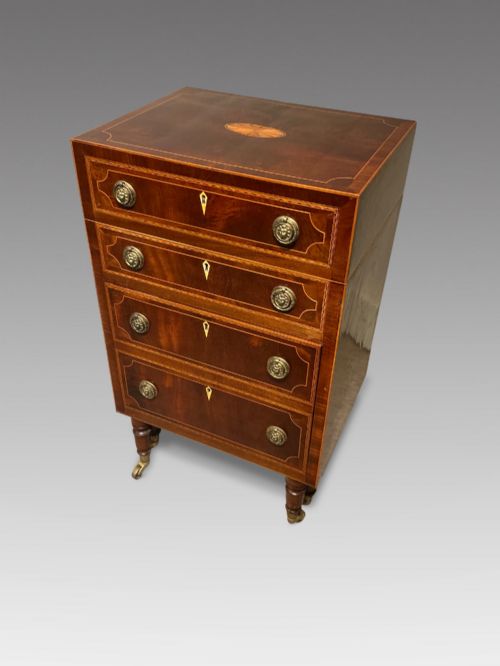
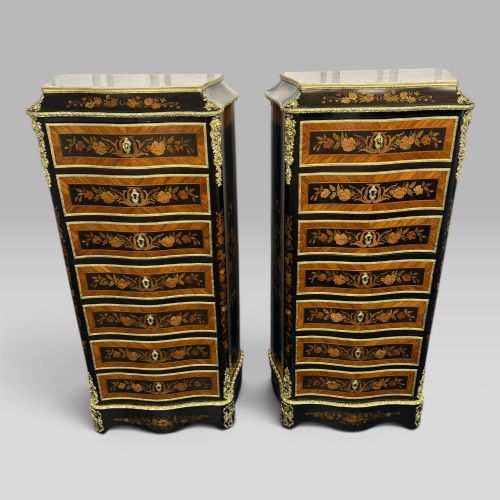
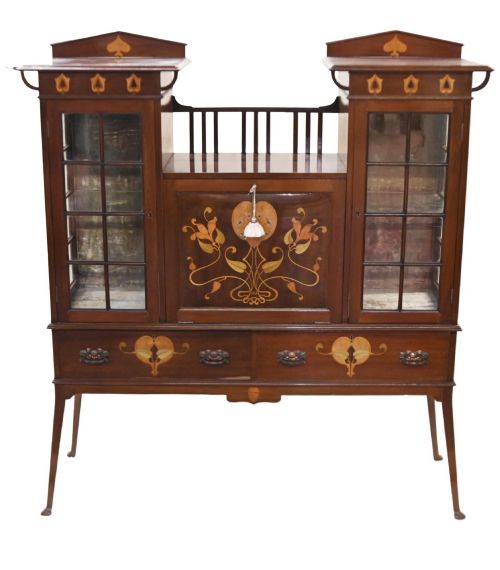
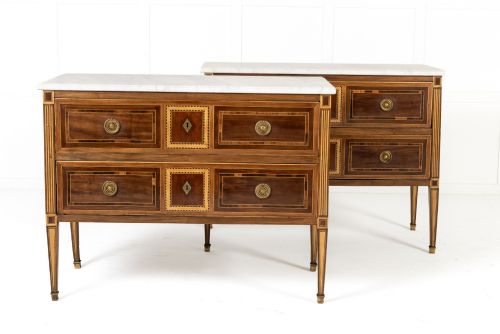
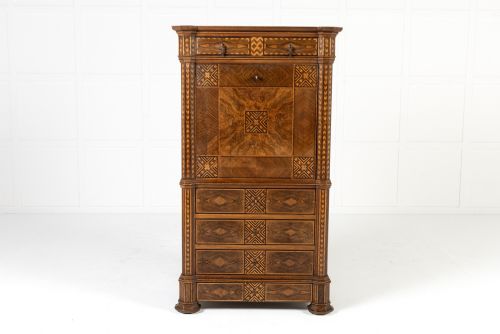
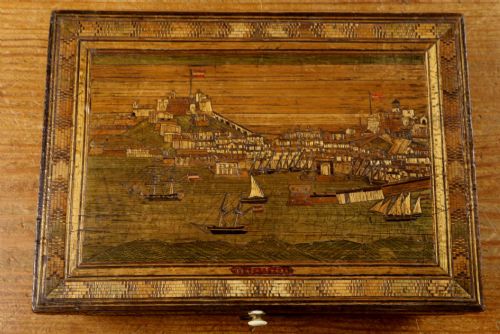
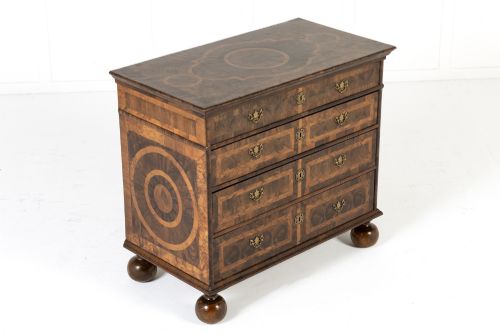
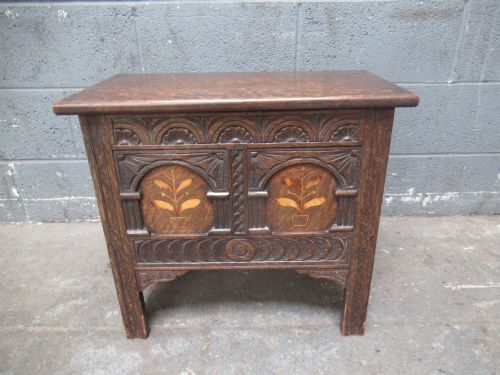
An antique marquetry chest serves as a practical storage piece decorated with pictorial or geometric wood veneers. Buyers frequently encounter French commodes, Dutch Baroque cabinets, and English walnut pieces spanning the seventeenth to the nineteenth centuries.
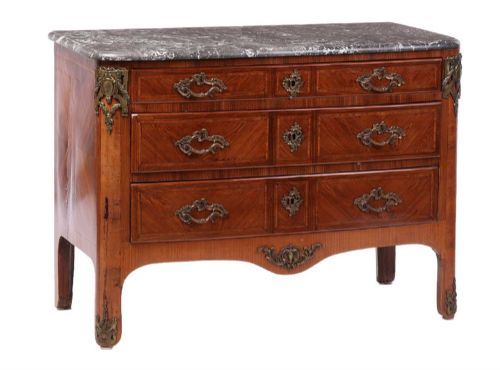
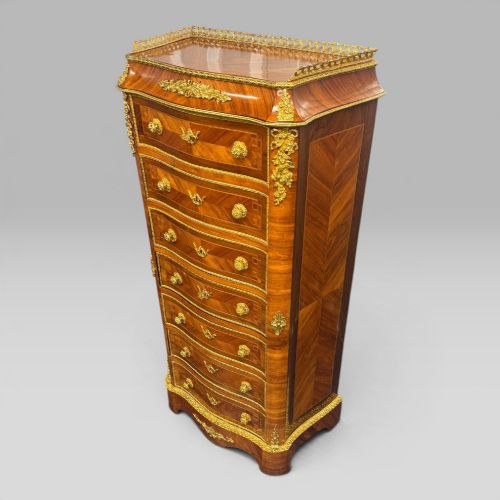
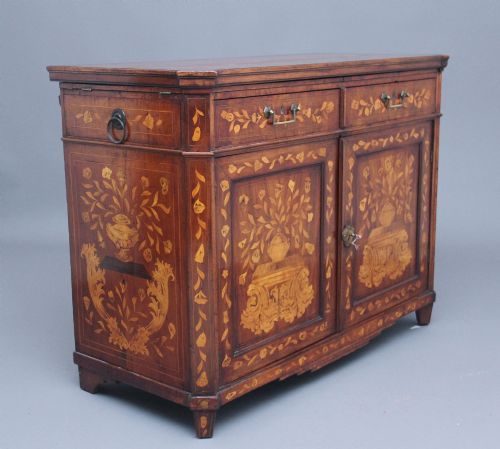
Pieces originating from Dutch workshops tend to display dense floral designs across walnut carcasses, while continental commodes often adopt serpentine or bombe silhouettes with kingwood and mahogany veneers.
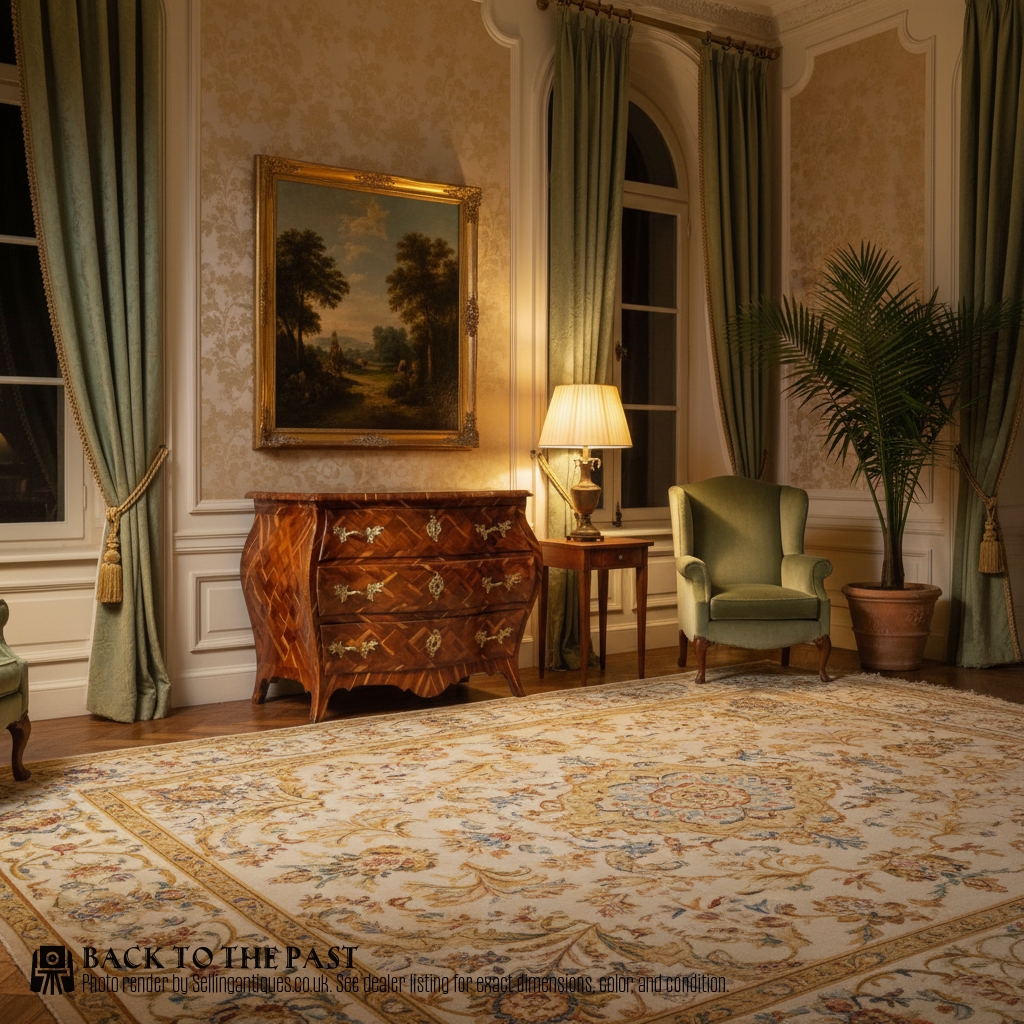
Materials and construction methods
Cabinet makers constructed the primary carcasses from foundational timbers such as oak, walnut, or pine before applying fine decorative veneers. These surfaces received meticulous layers of contrasting woods including fruitwood, mahogany, satinwood, and kingwood.
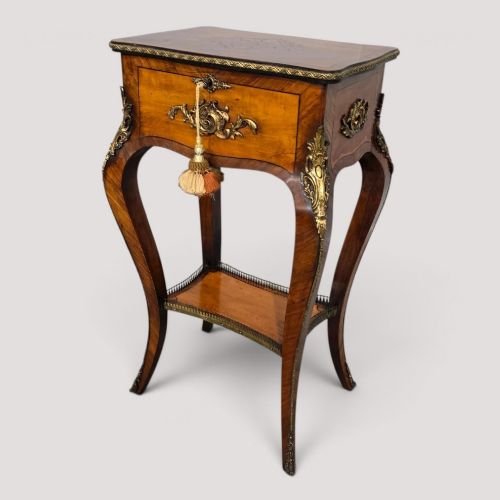
Craftsmen cut thin veneer sheets to form pictorial patterns, occasionally incorporating pewter, ivory, or bone details within the floral arrangements. Ormolu mounts and marble tops frequently complete continental examples from later periods.
Joinery techniques relied on traditional dovetailing for drawers and mortise and tenon frames for the main body. Veneers were glued to the substrate and hand-finished to highlight the natural grain variations.
Antique Marquetry Chest Retail Price Guide 2026
Typical asking prices for marquetry chest among the pieces listed under this phrase on Sellingantiques today, from the lower quarter to the upper quarter. They describe what is for sale here now, not the wider market.
Several Dutch floral cabinets hide secret compartments behind sliding frieze drawers designed for confidential papers.
Factors determining the calibre of pieces
The precision of the veneer cutting and the tightness of the joinery distinguish superior examples from standard workshop output. Master craftsmen ensured that individual wood segments fit seamlessly without excessive filler or misalignment.
The choice of secondary woods and the complexity of the pictorial design indicate the workshop's investment in the piece. Richly figured burr walnut and balanced floral compositions suggest higher status commissions.
Jacques Bircklé·Maison Krieger·J Shoolbred
The Antique Marquetry Chest Glossary
- Marquetry
- The art of applying decorative veneer pieces to a structural surface to create pictorial designs. Artisans cut various coloured woods together to form intricate patterns.
- Bombe
- A swelling, outward-curved contour found on the sides and fronts of advanced cabinet furniture. This undulating shape requires specialist skill to veneer successfully.
- Commode
- A low chest of drawers originating in France during the seventeenth century. These pieces usually feature decorative mounts and marble tops.
- Serpentine
- A curved shape featuring a convex centre flanked by concave ends, creating a gentle wave effect along the front of a chest.
- Kingwood
- A dense, heavily figured timber native to Brazil, prized for its rich purple-brown tones and dark striping utilised in fine veneer work.
Antique Marquetry Chest: Frequently Asked Questions
How do I clean an antique marquetry chest?
Maintain the surface by dusting gently with a dry, soft cloth to prevent particulate accumulation in the veneer seams.
Apply a microcrystalline wax periodically to nourish the wood and protect the historical finish from moisture.
Can I use a marquetry chest in a modern interior?
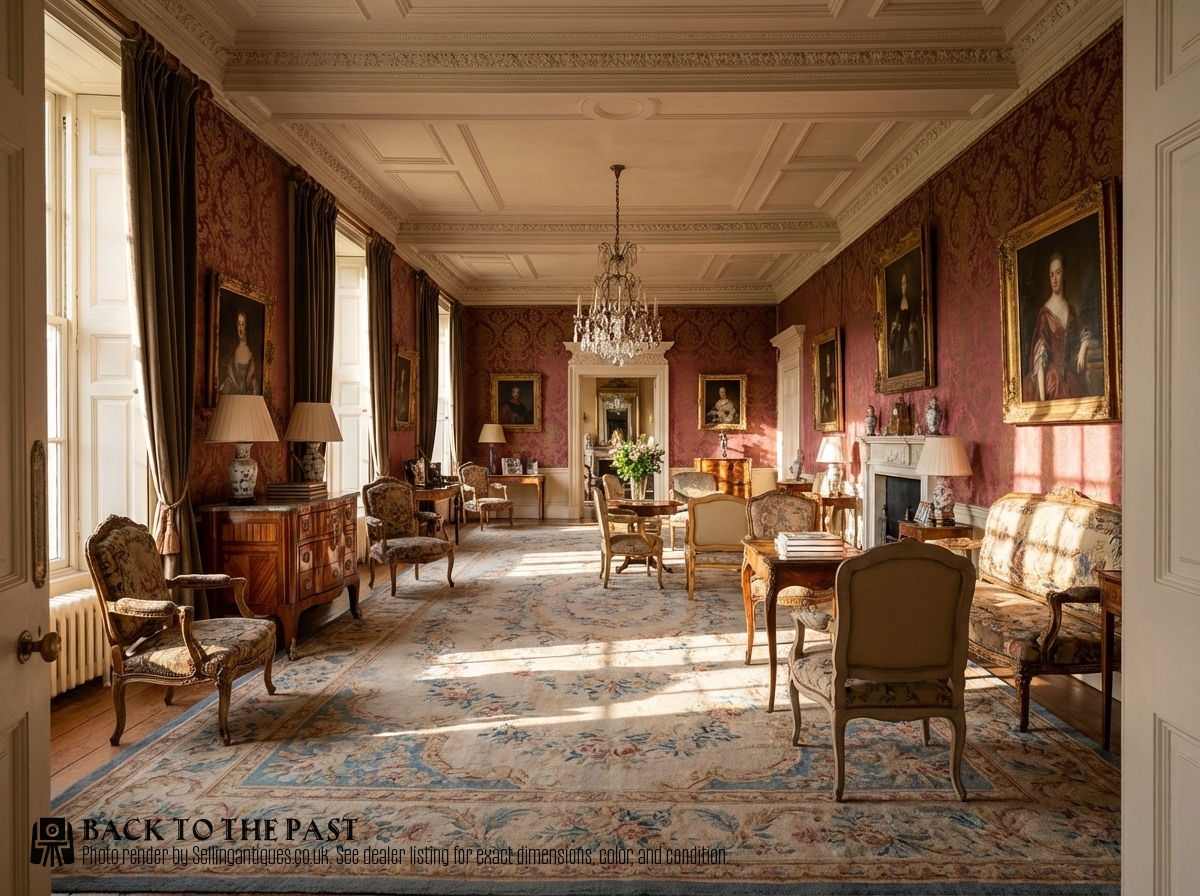
These pieces function effectively as focal storage units in contemporary bedrooms, hallways, or living spaces.
Pair the rich wood tones and floral details with neutral walls to highlight the craftsmanship without visual clutter.
What is the difference between marquetry and parquetry?
Marquetry involves cutting diverse veneers to form pictorial scenes, scrolls, or floral compositions.
Parquetry uses geometric blocks of wood to create repeating patterns such as cubes or chequers.
How can I date an antique chest?
Examine the secondary woods inside the drawers, structural joinery methods, and the specific style of the veneer motifs.
Earlier seventeenth and eighteenth-century examples exhibit hand-cut dovetails and native timbers, whereas revival pieces from later eras often incorporate machine-sawn components.