


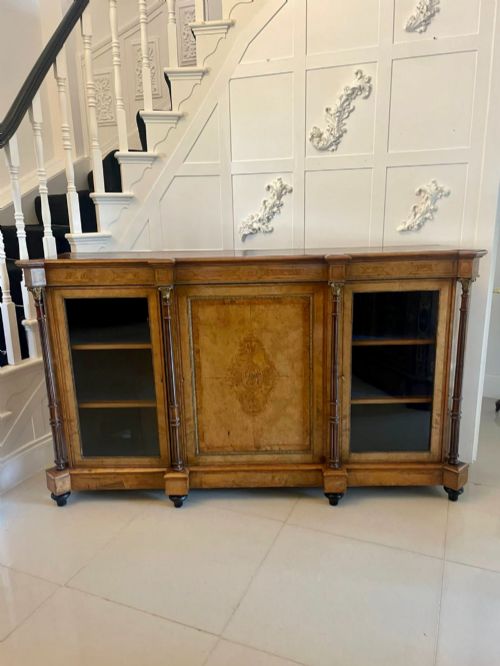
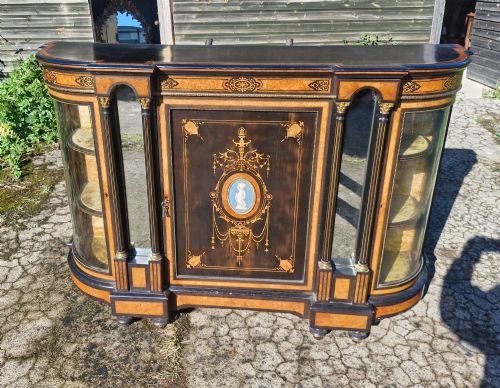
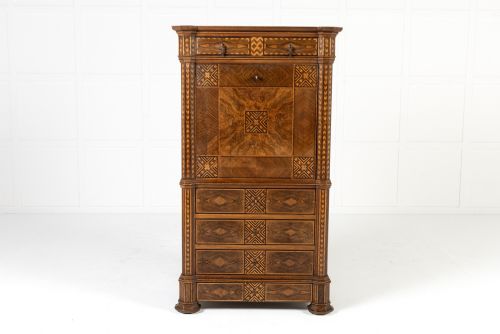
Walnut Marquetry Cabinet
A walnut marquetry cabinet brings richly figured timber and intricate floral inlays into a room, combining display space with centuries of cabinet-making skill.
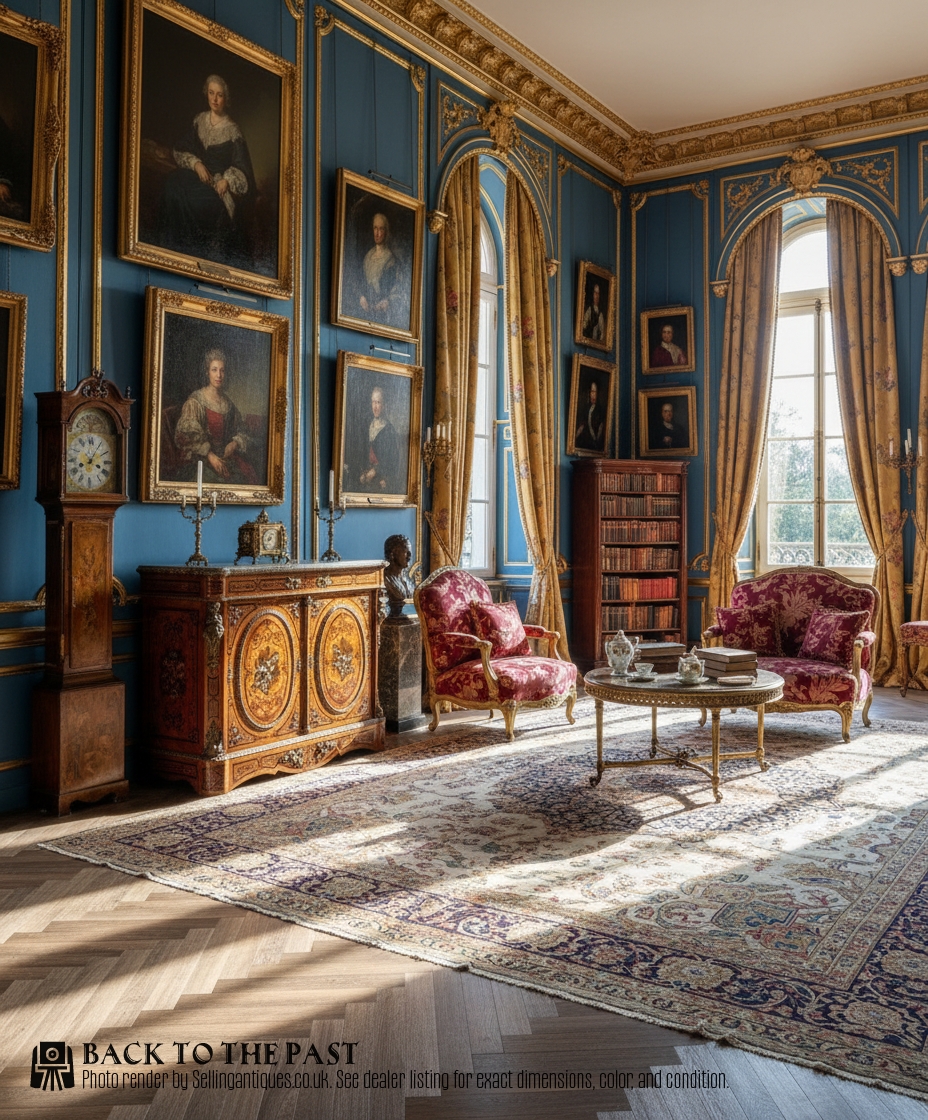
Walnut Marquetry Cabinet
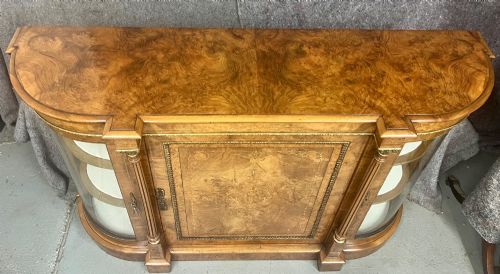
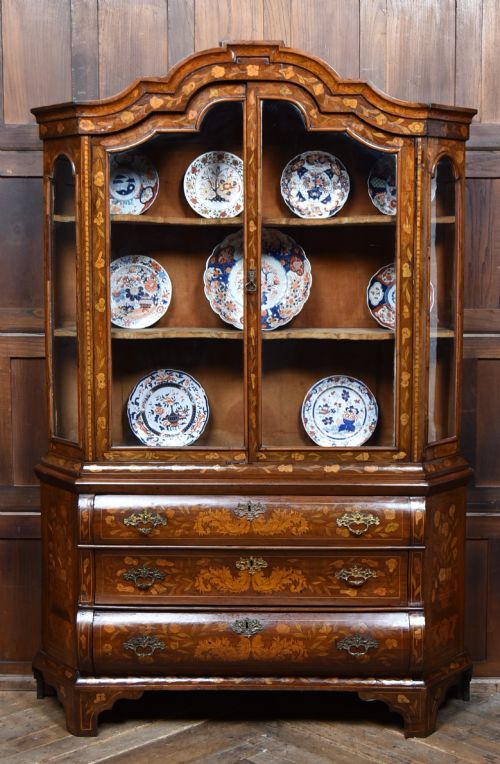
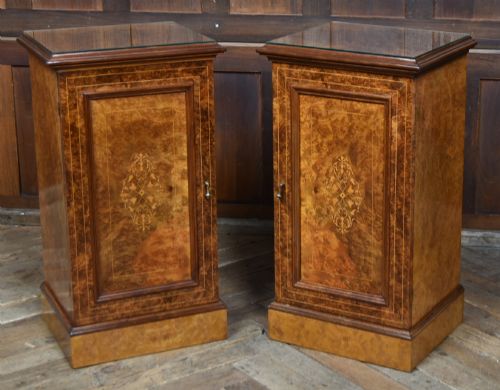
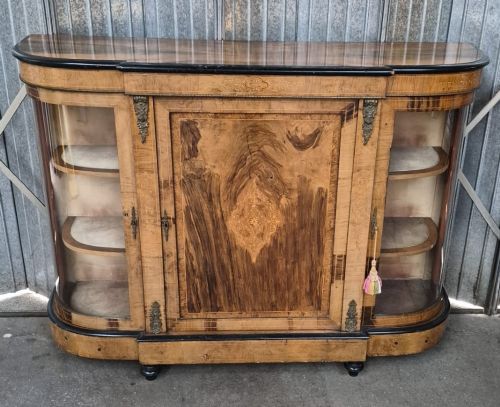
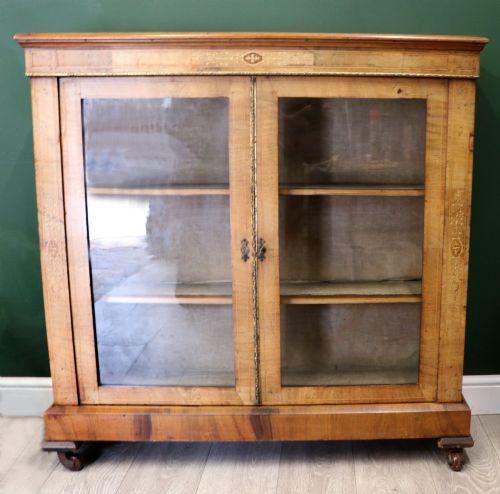
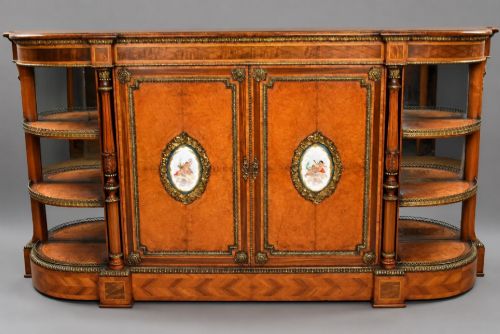
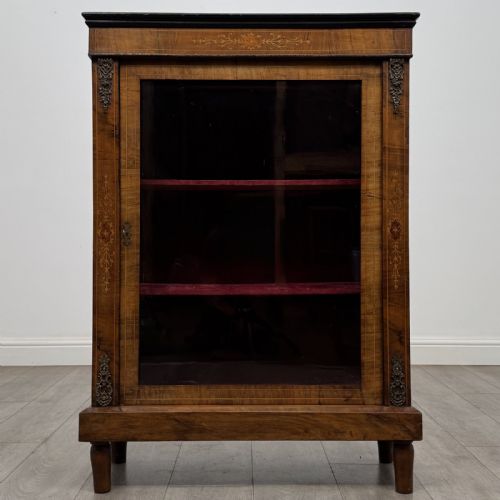
When searching for a walnut marquetry cabinet, a buyer encounters pieces primarily spanning the seventeenth, eighteenth, and nineteenth centuries, alongside later revivals. The selection frequently includes Victorian pier cabinets, credenzas, and elaborate Dutch Baroque or provincial pieces.
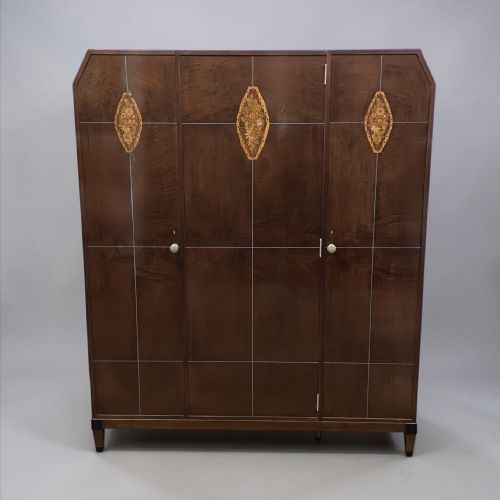
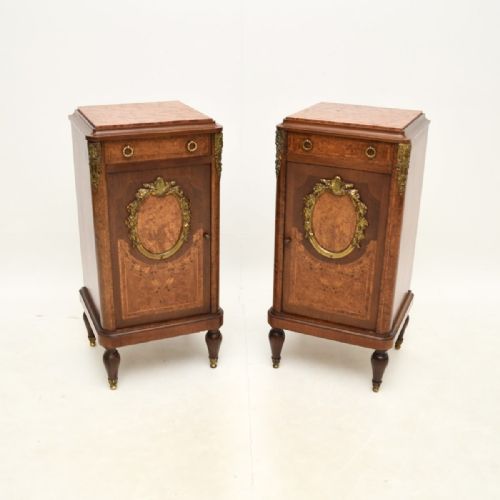
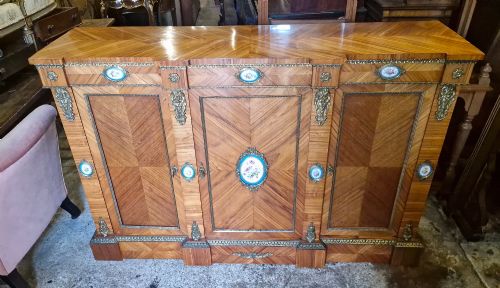
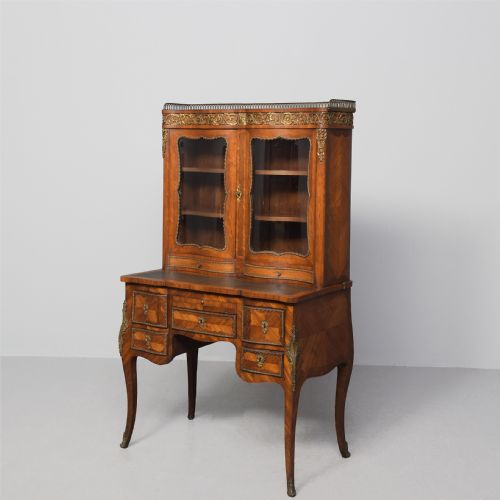
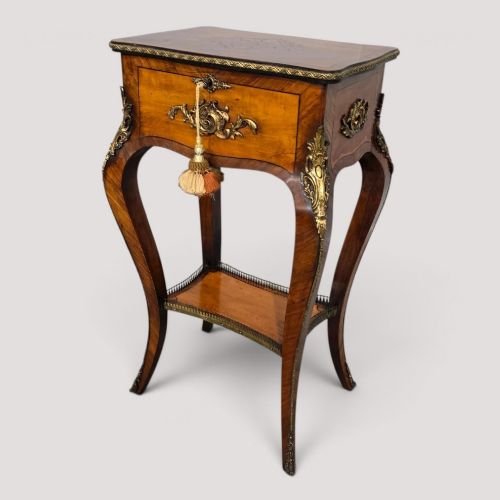
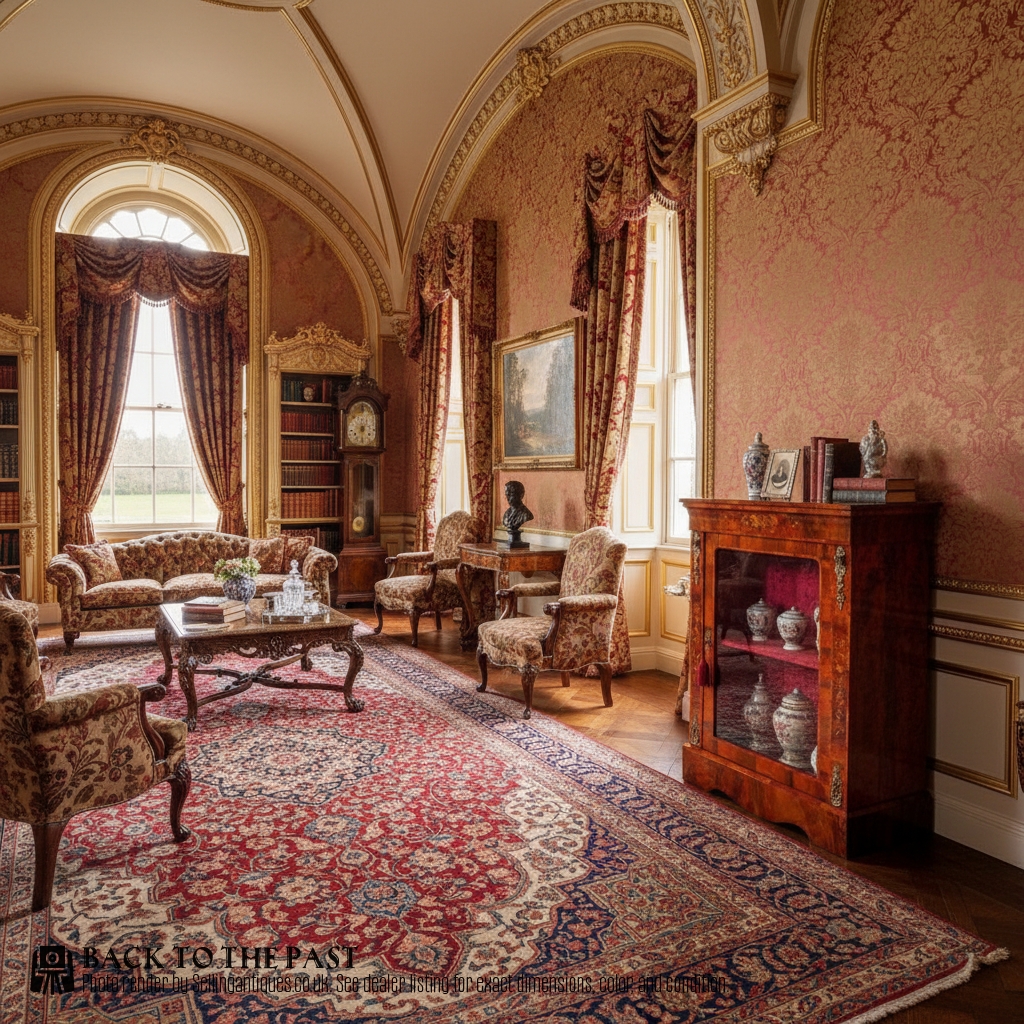
Forms range widely from tall display cabinets and linen presses to bedside tables, commodes, and writing bureaux. Credenzas and side cabinets dominate the Victorian examples, often featuring glazed doors and gilt mounts intended for formal reception rooms.
Provincial Dutch and German variants from the eighteenth century frequently display pictorial floral marquetry across bombé or serpentine bodies. French influences appear through Louis styles, incorporating marble tops and neoclassical symmetry into the cabinet work.
How they were made
Cabinet makers utilised foundational carcases of pine or oak, veneering them in figured walnut and burr walnut to achieve striking grain patterns. Floral and architectural designs were then painstakingly built up using contrasting timbers like fruitwood, inlaid directly into the surface.
Ornaments of cast ormolu, polished brass, and pewter provided structural trim and framing for panels, while marble slabs formed resilient tops on commodes and side cabinets. Glass was carefully fitted into doors for display pieces, held by slender timber glazing bars.
Walnut Marquetry Cabinet Retail Price Guide 2026
Typical asking prices for walnut marquetry cabinet among the pieces listed under this phrase on Sellingantiques today, from the lower quarter to the upper quarter. They describe what is for sale here now, not the wider market.
Some provincial Dutch cabinets hide secret interior drawers behind cascading floral marquetry that takes genuine patience to decode.
What varies in quality
The sophistication of the marquetry design sets exceptional pieces apart from standard workshop output, measured by the precision of the veneer cutting and the variety of woods employed. Dense, highly figured burr walnut surfaces command greater appreciation than plain timber grounds.
Integration of mounts and secondary materials indicates the tier of production. Fine chasing on ormolu mounts, intact porcelain plaques, and original internal fittings elevate a cabinet far above simpler utilitarian iterations.
Gillows
The Walnut Marquetry Cabinet Glossary
- Marquetry
- Decorative veneer work forming pictorial or geometric patterns by assembling thin pieces of wood and other materials onto a carcase. This technique allows for complex floral and architectural imagery across cabinet doors and tabletops.
- Burr walnut
- Timber taken from the abnormal growths of a walnut tree, yielding a swirling, highly figured grain pattern. It is prized for veneering prominent surfaces of fine cabinets.
- Ormolu
- Gilt bronze mounted onto furniture as decorative feet, key escutcheons, and structural edging. The finish requires meticulous casting and gilding processes.
- Pier cabinet
- A low or tall cabinet designed specifically to stand against the wall space between windows. These pieces often feature glazed doors for the display of ceramics or curiosities.
- Credenza
- A sideboard or display cabinet originating in the nineteenth century, frequently fitted with central cupboards and curved flanking glass doors. They served both storage and formal display functions in Victorian interiors.
Walnut Marquetry Cabinet: Frequently Asked Questions
Where were walnut marquetry cabinets placed?
These cabinets traditionally occupied formal reception rooms, drawing rooms, and parlours where guests gathered. Pier cabinets stood neatly between windows, while larger credenzas anchored main salon walls.
Smaller variants like bedside tables and diminutive chests found placement in private chambers. Their combination of surface display and internal storage suited public entertaining and private use alike.
How do I distinguish eighteenth-century Dutch pieces?
Eighteenth-century Dutch examples typically display exuberant floral and urn marquetry executed in contrasting fruitwoods across undulating surfaces. The construction often involves robust carcases with rich burr walnut grounds.
Later Victorian interpretations tend towards tighter geometric borders or stylised floral sprays combined with ormolu mounts. Examining the secondary woods inside drawers helps confirm the earlier continental origins.
What is burr walnut?
Burr walnut is harvested from the knotted outgrowths of walnut trees, producing a dense, highly swirled pattern of growth rings. Cabinet makers sliced this timber into thin veneers to cover large flat expanses.
Its striking visual movement makes each panel unique, elevating the status of any cabinet it adorns. Makers reserved this material for the most visible exterior surfaces.
How do I care for walnut furniture?
Walnut benefits from stable room temperatures away from direct sunlight and heat sources to prevent timber shrinkage and veneer lifting. Regular dusting with a soft, dry cloth preserves the polished finish.
Occasional application of appropriate wax feeds the timber and maintains its natural lustre without sealing the grain permanently. Harsh chemical cleaners must be avoided entirely to protect the antique polish.