
Victorian Display Cupboard
A victorian display cupboard brings refined glazed storage into a room, offering a purposeful way to showcase collections behind timber frames.
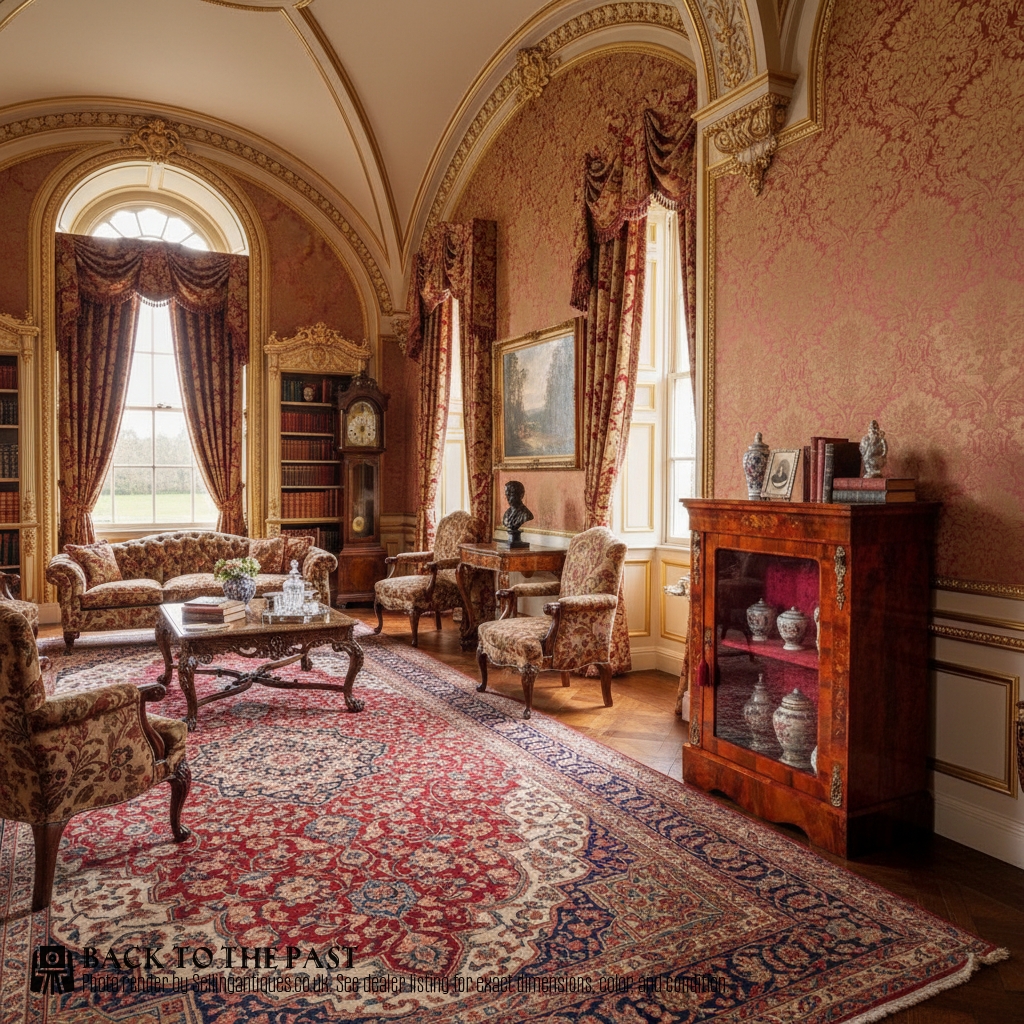
Victorian Display Cupboard
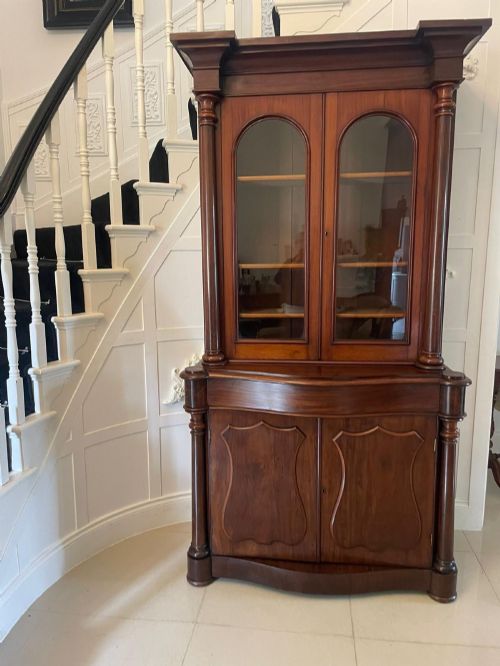
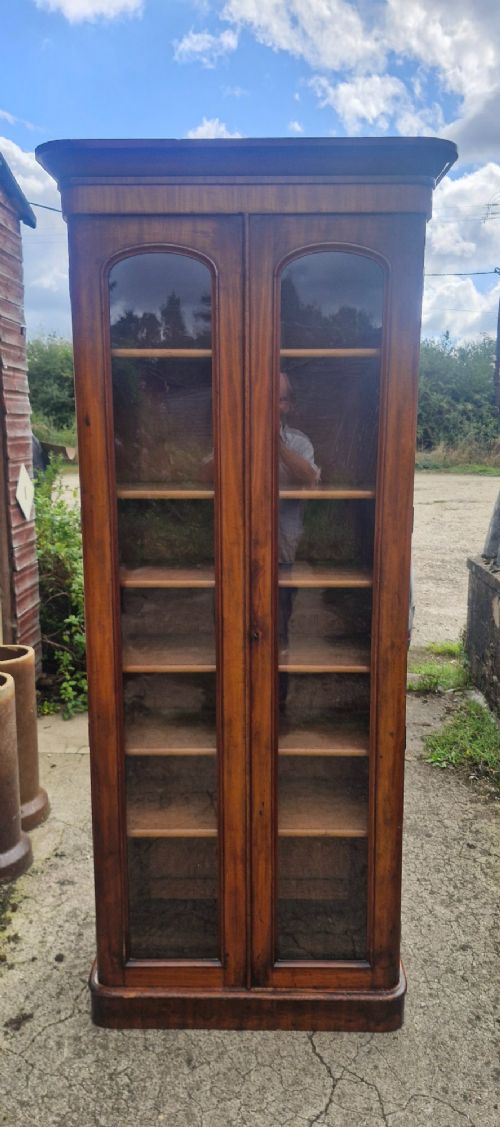
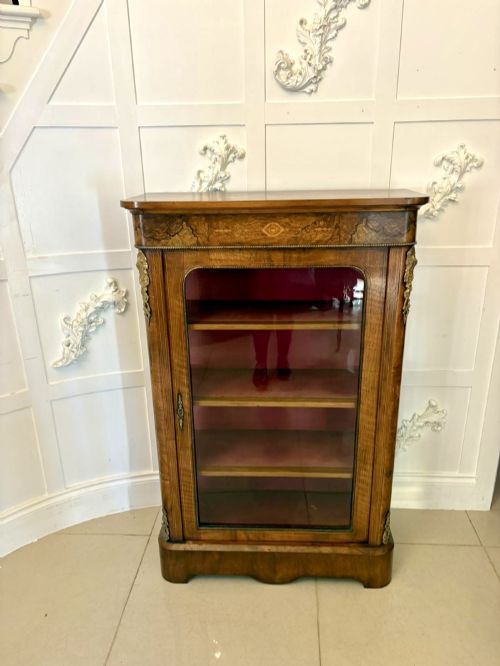
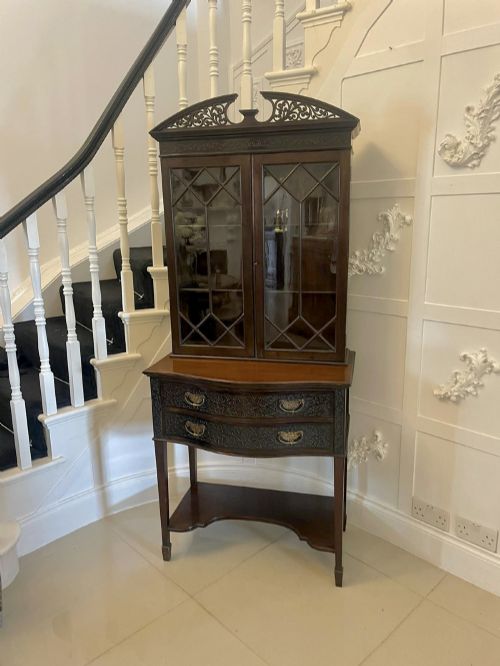
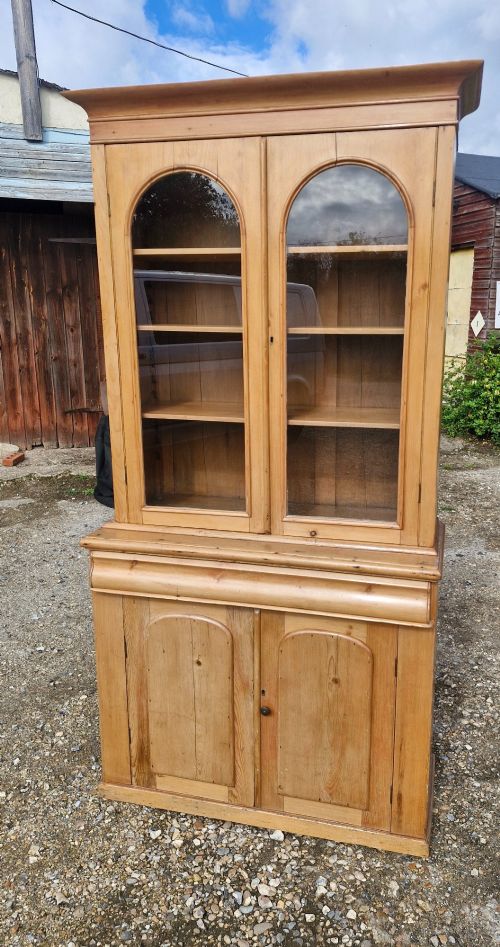
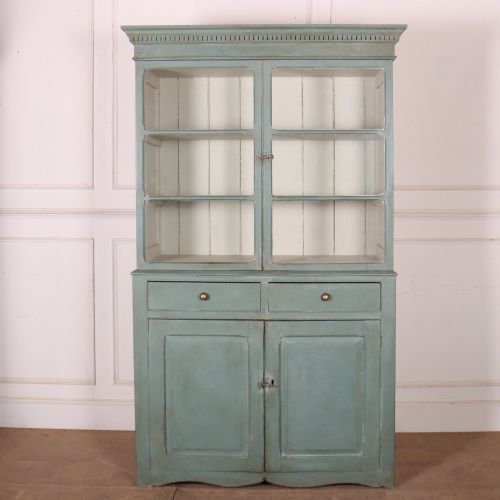
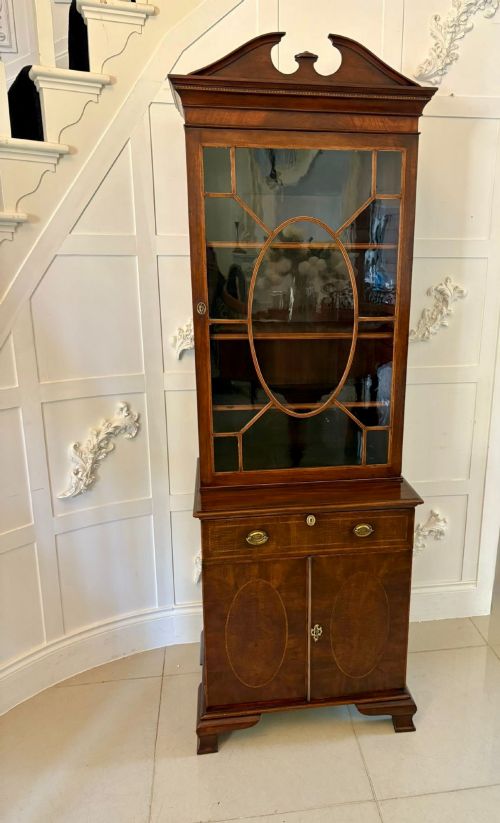
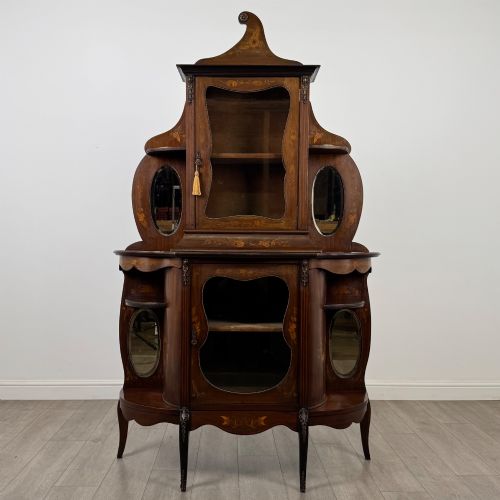
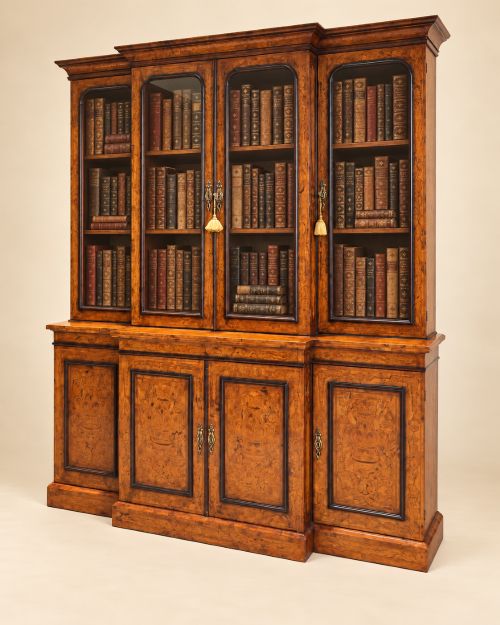
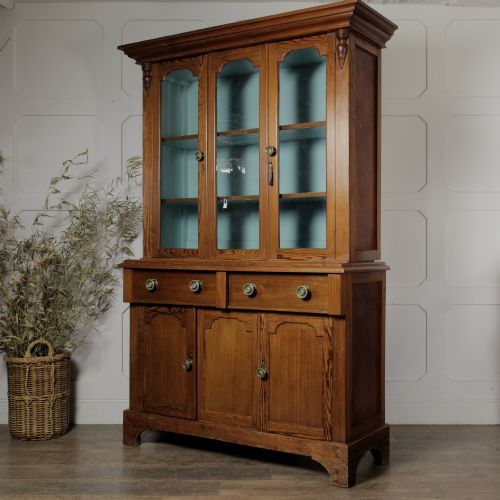
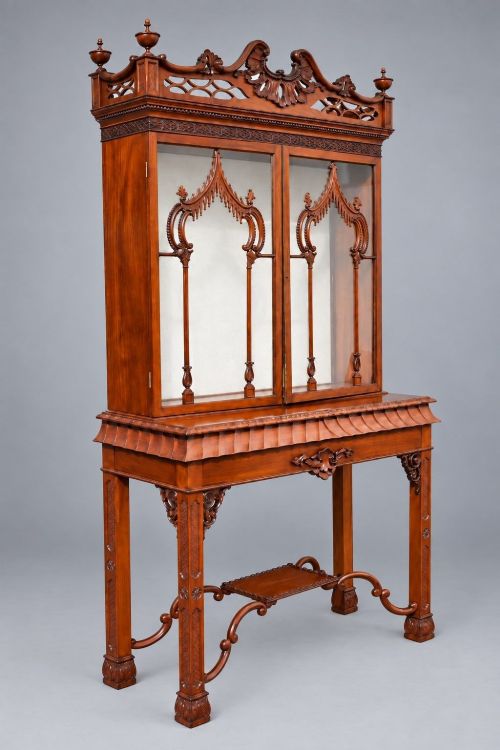
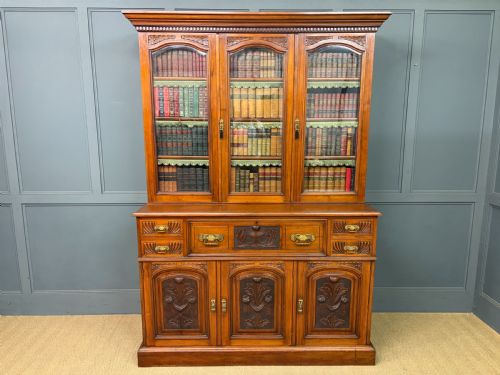
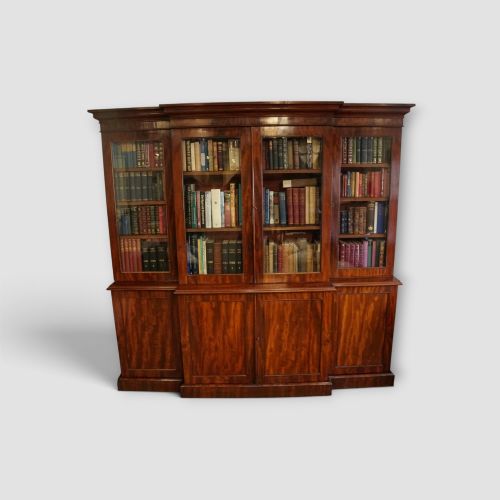
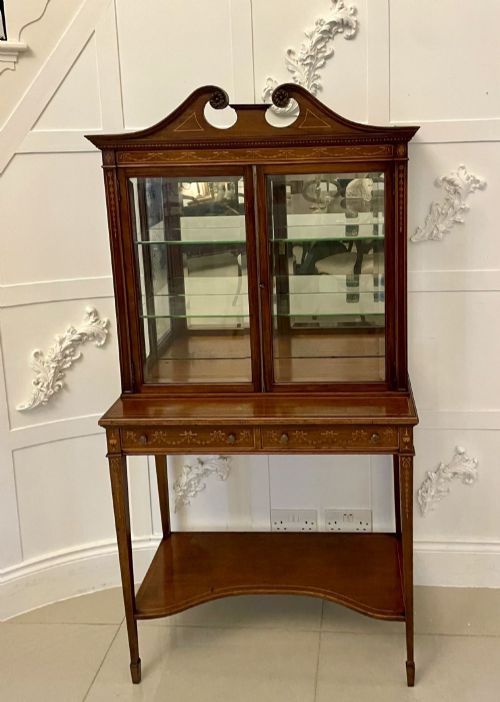
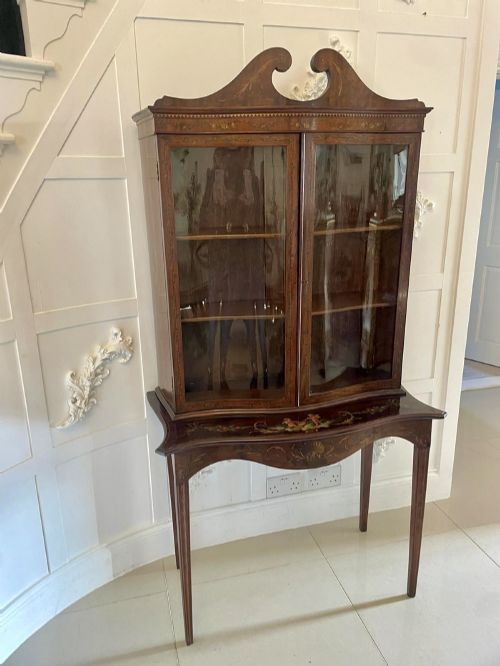
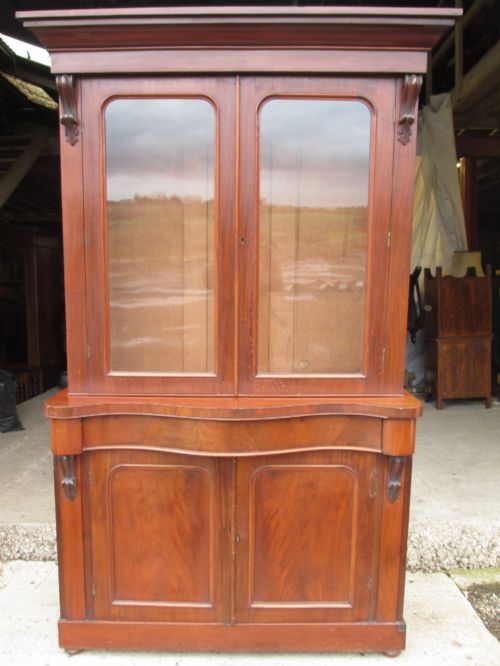
When searching for a victorian display cupboard, a buyer encounters a diverse range of forms designed to house books, china, and curated collections. The selections span upright bookcases, slender pier cabinets, corner units, and kitchen dressers originating across the nineteenth century.
Mahogany and walnut examples dominate the formal drawing room variations, often featuring glazed upper doors and inlaid woodwork. Pine and oak iterations emerge from country kitchens and workshops, providing sturdy utility alongside plain or painted surfaces.
The period covers mid-century craftsmanship through to late nineteenth-century revivals, encompassing Sheraton influences, Art Nouveau flourishes, and practical shop display pieces.
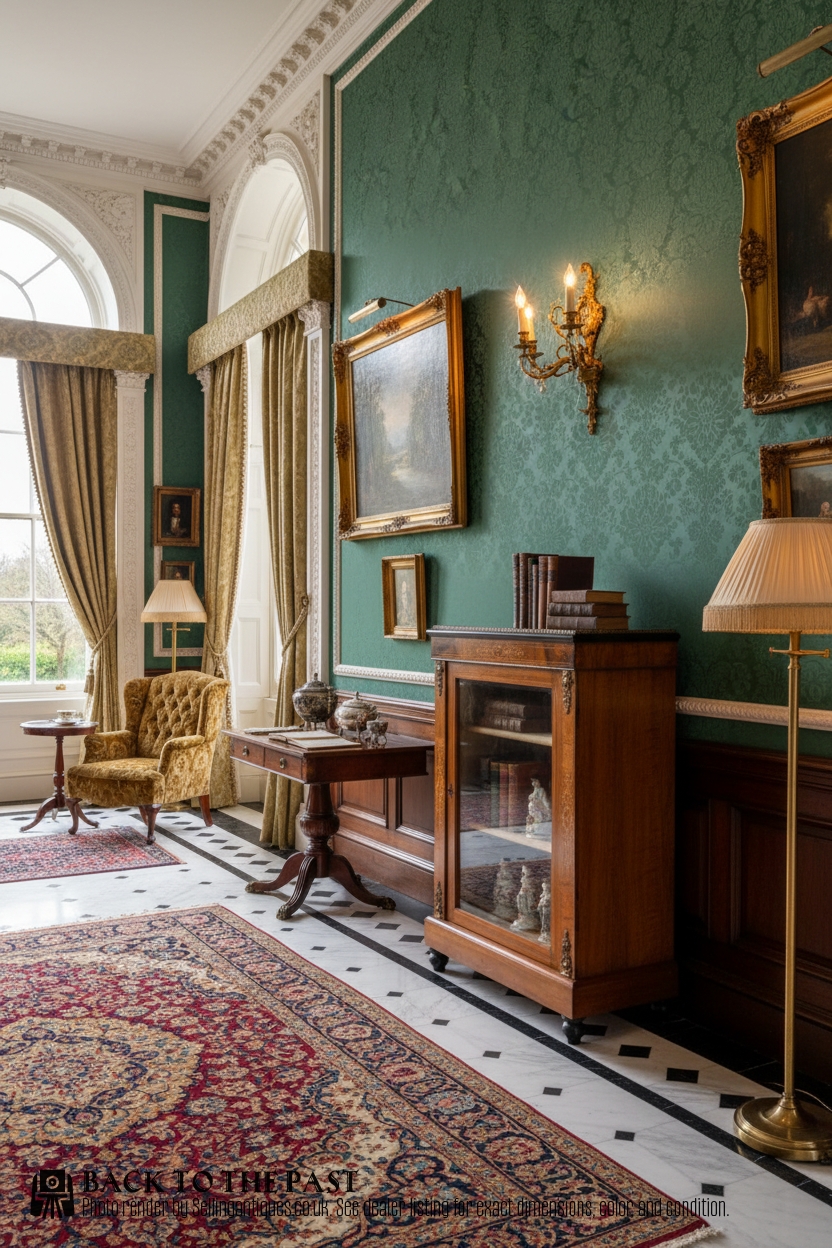
Materials and Construction
Cabinet makers utilised dense hardwoods like mahogany, walnut, and satinwood for formal pieces, frequently embellishing surfaces with marquetry inlay, ormolu mounts, and polished glass panels. Secondary timbers such as pine provided sturdy internal framing for shelving and backing boards.
Country and utility pieces relied on durable oak, pitch pine, and fruitwood, constructed with visible joinery and functional brass hardware. Glazing techniques ranged from simple rectangular panes to astragal bars and curved glass doors designed to maximise light entry.
Victorian Display Cupboard Retail Price Guide 2026
Typical asking prices for victorian display cupboard among the pieces listed under this phrase on Sellingantiques today, from the lower quarter to the upper quarter. They describe what is for sale here now, not the wider market.
Listings feature mahogany, walnut, oak, and pine across Victorian forms including glazed bookcases, pier cabinets, and kitchen dressers.
Standards of Execution
The distinction between standard utility storage and finer cabinet work rests on timber selection and decorative restraint. Figured veneers, precise marquetry, and fire-gilded ormolu mounts elevate formal display cabinets above straightforward pine and oak cupboards.
Proportion and structural integrity define the maker's success, evident in flush-fitting doors, original glazed panes, and well-balanced cornices. Refined detailing such as carved foliage, painted decoration, and integrated adjustable shelving separate exceptional examples from mass-produced workshop items.
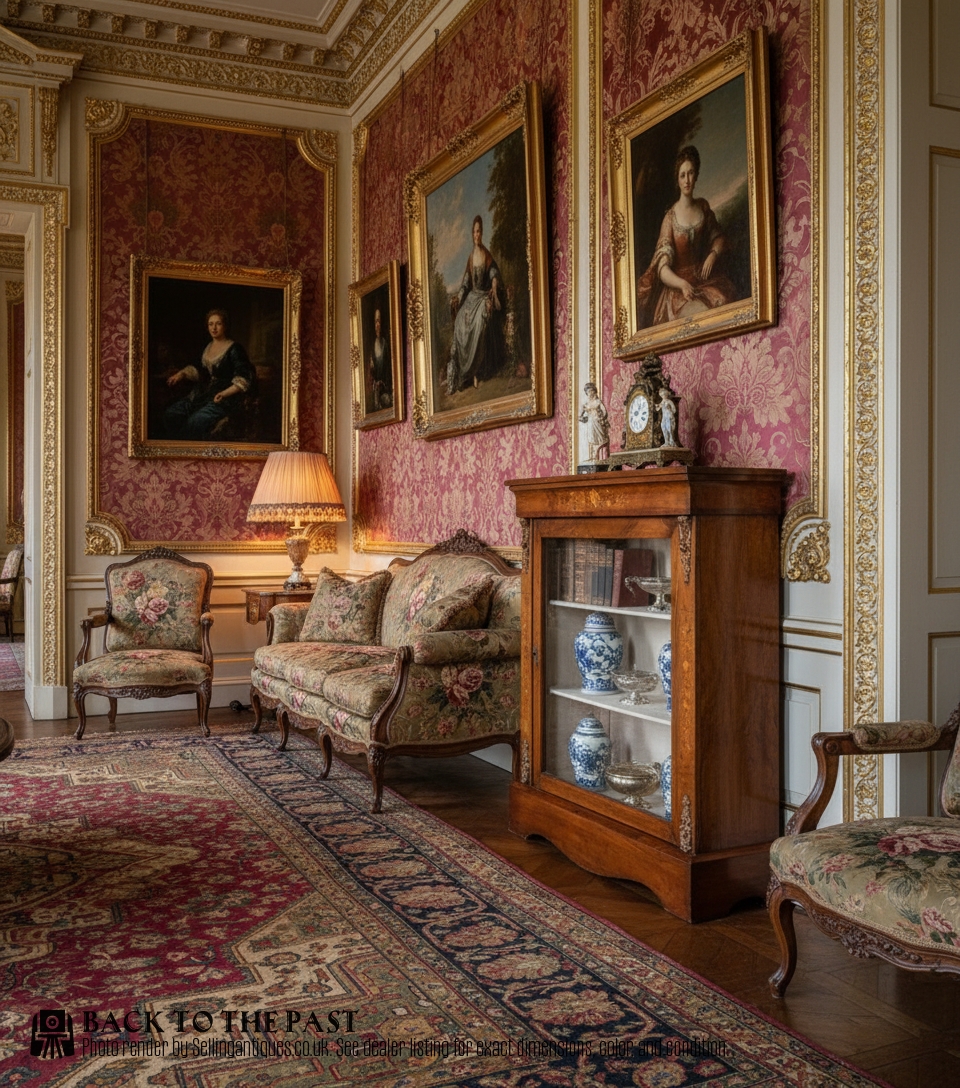
Jas Shoolbred·Edwards & Roberts
The Victorian Display Cupboard Glossary
- Breakfront
- A cabinet design where the central section projects forward from the flanking wings. This creates architectural depth and visual weight across large bookcases.
- Astragal
- A moulded strip of wood or metal separating panes of glass within a glazed door. These delicate divisions form geometric patterns typical of period cabinets.
- Pier cabinet
- A low, freestanding display cabinet designed specifically to fit against the wall space between windows. They frequently feature serpentine or straight glazed fronts in walnut or mahogany.
- Marquetry
- The art of applying decorative veneer pieces to a structure to form pictorial or geometric designs. Craftsmen utilised contrasting toned woods to achieve tonal shading.
- Ormolu
- Cast bronze furnishings finished with a high-karat gold mercury gilding. These decorative mounts adorn the corners and friezes of high-status Victorian cabinets.
Victorian Display Cupboard: Frequently Asked Questions
Where should I place a display cupboard?
These cabinets suit drawing rooms, studies, and dining spaces where natural light enhances the glazed doors and interior shelves. Positioning them away from direct heat sources protects vulnerable nineteenth-century veneers and solid timber panels.
Ensure adequate floor clearance and secure taller upright bookcases to the wall for stability, particularly when housing heavy collections of ceramics or books.
How do I adjust the internal shelves?
Many Victorian bookcases and cabinets incorporate traditional wooden ratchets, brass shelf studs, or slotted uprights that allow shelves to move freely. This flexibility accommodates volumes and display objects of varying heights.
Take care when shifting heavy timber shelves to avoid damaging the internal veneered or painted linings of the cabinet.
Can these cabinets hold heavy books?
Formal mahogany and walnut bookcases are engineered to bear substantial weight across their fixed or adjustable wooden shelving. Solid oak and pine library pieces offer similar structural capacity for heavy volumes.
Lighter pier cabinets and satinwood display pieces are better suited to lighter ornaments, ceramics, and glassware rather than dense rows of heavy folios.
How do I date a Victorian cupboard?
Dating relies on observing construction methods, timber choices, and stylistic markers such as Sheraton Revival inlay or Art Nouveau curves. Mid-century pieces often display heavier proportions and figured mahogany, while late-century examples utilise satinwood or lighter oak.
Original glass, backboards, and hardware provide further clues to the precise decade of manufacture within the nineteenth century.