

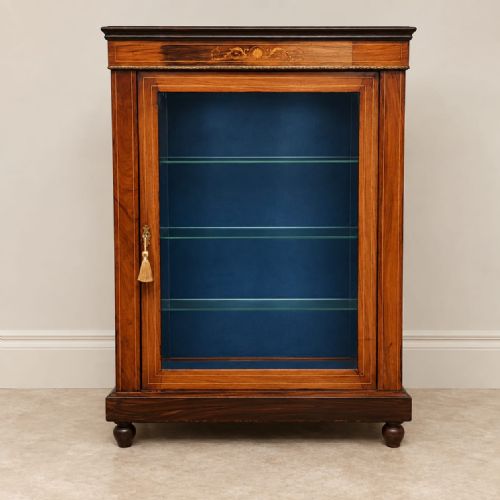
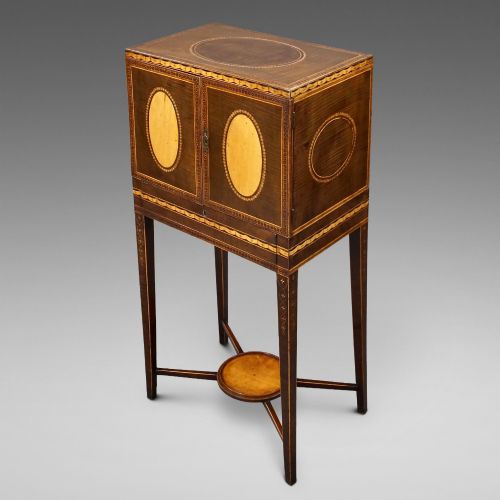
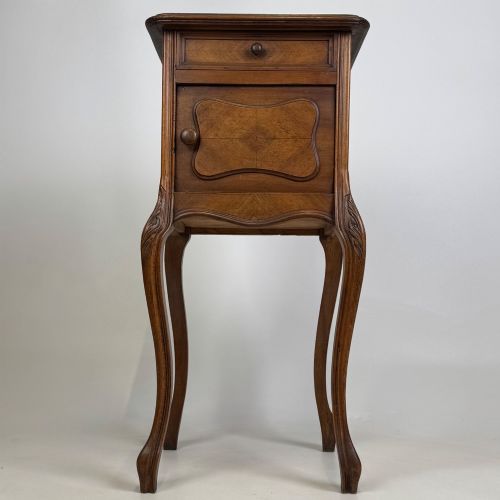
Antique Marquetry Cupboard
An antique marquetry cupboard brings intricately patterned wood inlay into a room, offering both practical storage and exceptional decorative presence.
What these antique marquetry cupboard pieces are
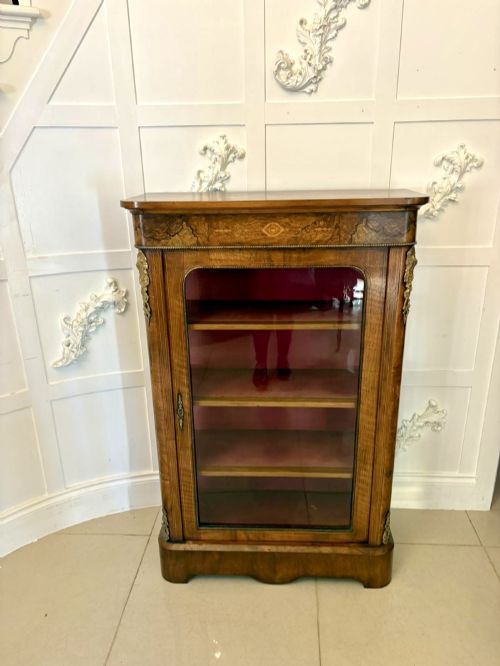
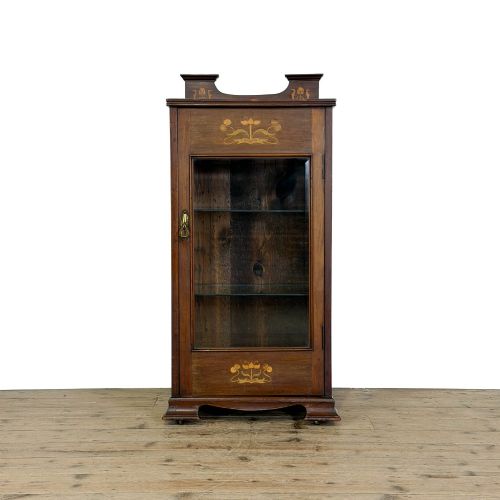
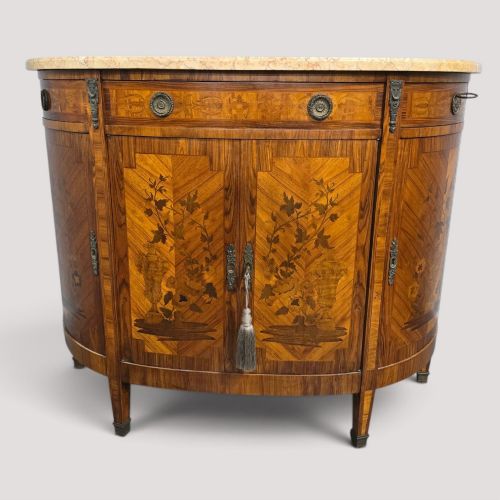
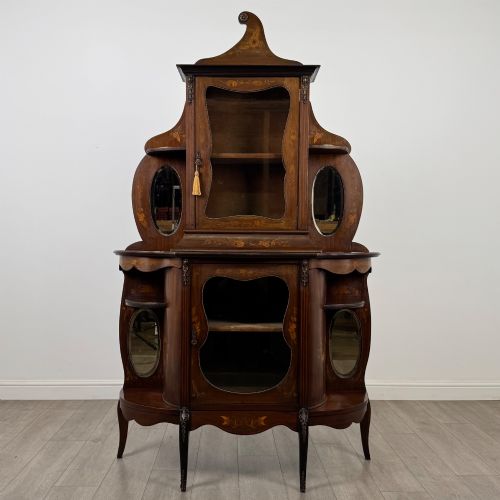
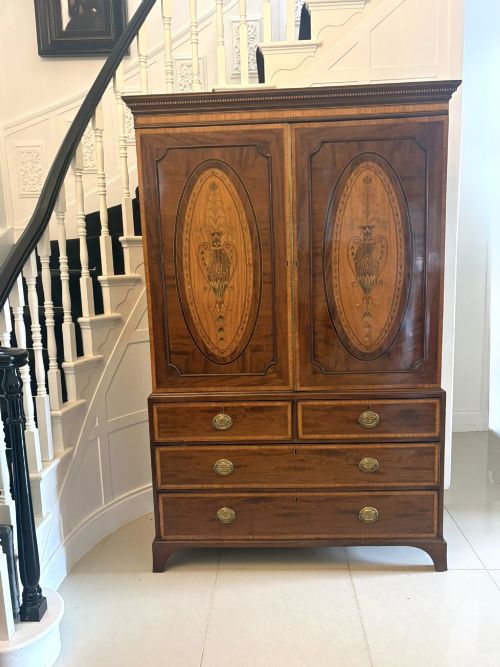
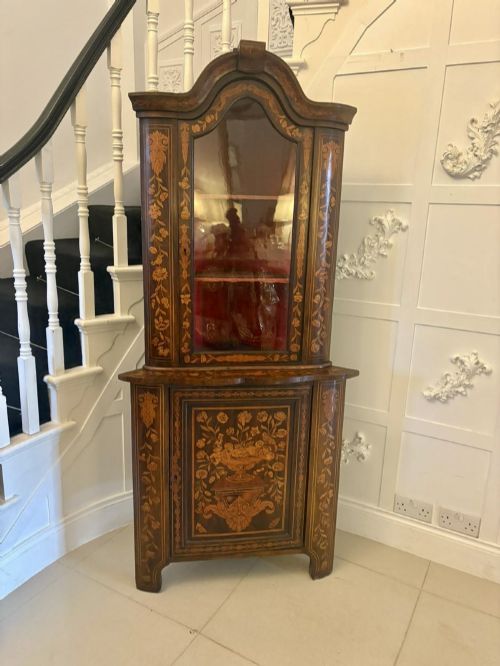
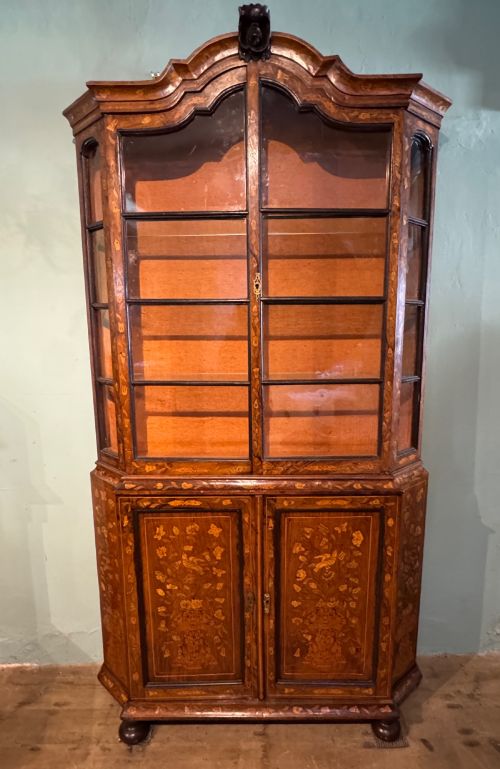
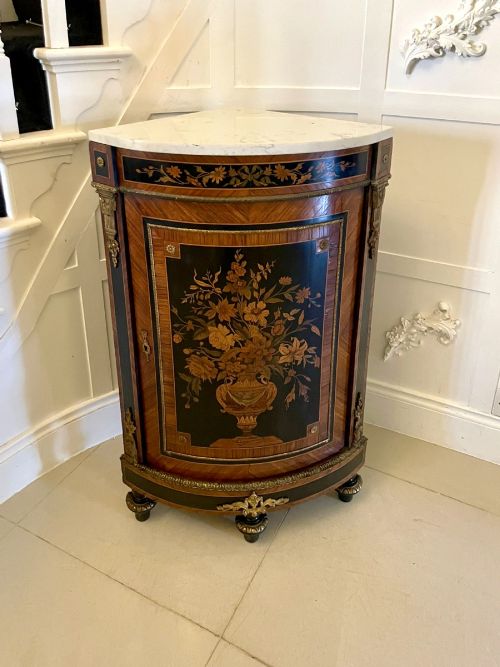
When you search for an antique marquetry cupboard, you encounter a variety of forms including display cabinets, sideboards, corner cabinets, vitrines, and hanging cupboards. These storage pieces appear across multiple historical periods, notably the nineteenth century, early twentieth century, and specific dates such as sixteen-sixty, eighteen-thirty, eighteen-seventy, eighteen-ninety-five, and nineteen-hundred.
The styles span Dutch Baroque, Louis XV, French Rococo Revival, Edwardian, Victorian, and Sheraton revival. You are most likely to meet walnut and mahogany structures, often embellished with detailed inlaid patterns across doors, fronts, and panels.
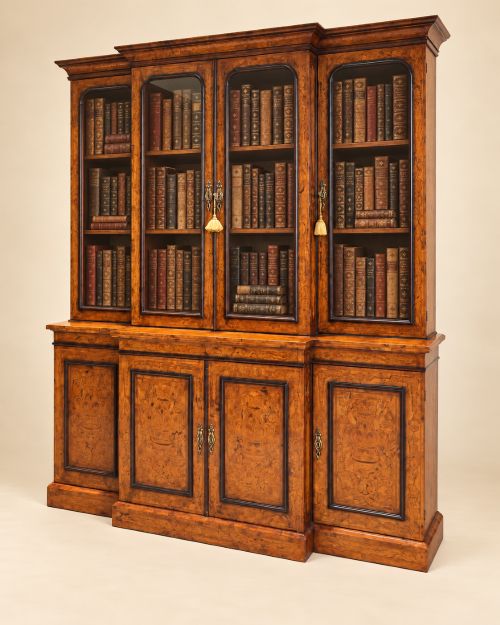
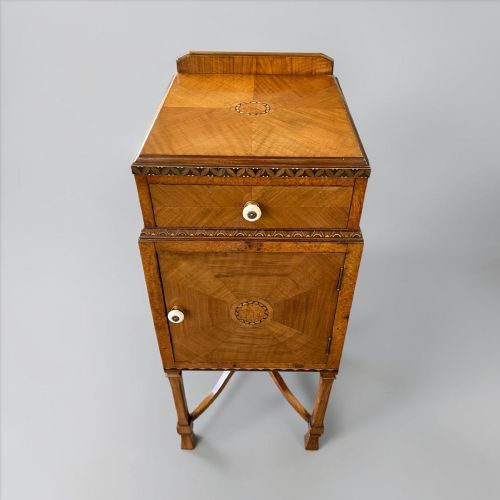
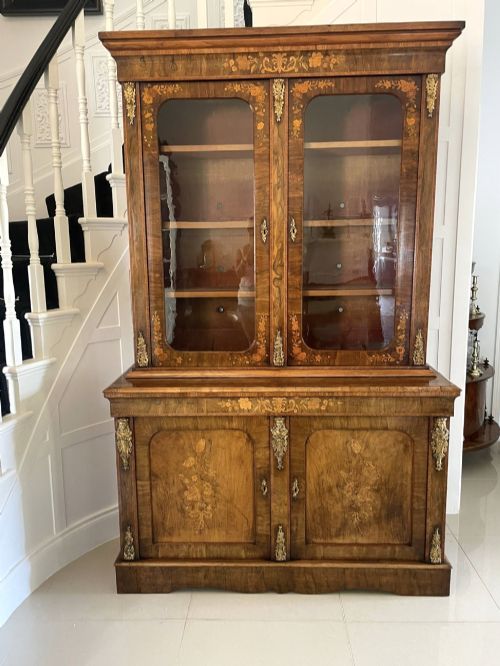
Origins range from English workshops to Dutch and French makers. Forms vary from monumental four-door breakfront bookcases to miniature hanging cupboards, corner cupboards, and compact side cabinets.
Materials and construction techniques
Cabinet makers constructed these pieces using primary timbers such as walnut, burr walnut, mahogany, oak, kingwood, rosewood, and fruitwood. Inlays utilise contrasting woods and botanical elements to create pictorial or geometric marquetry designs.
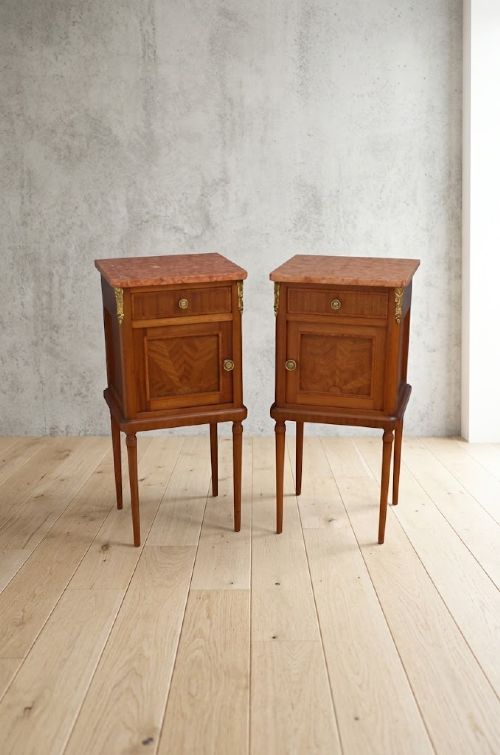
Mounts and decorative accents incorporate ormolu, brass, and glass elements, particularly on vitrines and display cabinets. Marble tops appear on specific side cabinets, while interior fittings include shelves, drawers, and glazed panels.
Retail Price Guide 2026
Typical UK retail prices for marquetry cupboard, calculated from the Sellingantiques database of over a million retail prices indexed since 2003. This retail price guide relies exclusively on Sellingantiques data; no external sources or auction records are used, so the figures do not describe the wider market.
Some nineteenth-century makers secreted miniature cupboards in hallways just large enough for pocket watches and calling cards.
Distinctions in quality
Quality rests in the precision of the wood inlay and the choice of timbers, such as burr walnut or figured mahogany, balanced against the secondary woods. Master craftsmanship shows in the seamless integration of floral or geometric marquetry across curved surfaces and doors.
The refinement of cast ormolu mounts, the clarity of glass, and the presence of maker signatures or stamps distinguish standard workshop production from works by notable makers like Edwards and Roberts.
Edwards and Roberts
The Antique Marquetry Cupboard Glossary
- Marquetry
- Decorative wood inlay forming pictorial or geometric patterns on furniture surfaces. It differs from buhl or parquetry through its elaborate pictorial use of contrasting veneers.
- Vitrine
- A glass-fronted display cabinet designed for showing porcelain or collectables. These pieces often feature marquetry panels on the lower sections.
- Ormolu
- Gilded bronze used for decorative mounts, feet, and key escutcheons on French and revival furniture. It adds metallic contrast to the timber surface.
- Encoignure
- A corner cabinet designed to fit neatly into room angles. They appear in single or double-height formats with inlaid doors.
- Burr walnut
- Timber taken from walnut tree growths, featuring swirling grain patterns. It provides a highly decorative surface for cabinet fronts.
Frequently Asked Questions
What is an antique marquetry cupboard?
An antique marquetry cupboard is a storage piece decorated with fitted wood veneers that form pictorial or geometric designs. These items range from small hanging cupboards to large breakfront bookcases.
They combine utility with elaborate surface decoration, utilising timbers like walnut, mahogany, and kingwood alongside brass, ormolu, and glass.
How do I identify the period?
Period identification relies on timber choices, construction methods, and stylistic influences such as Dutch Baroque, Louis XV, or Edwardian revival. Makers marks and structural characteristics also help date each piece.
Nineteenth-century examples often feature French revival styles, while pieces from nineteen-hundred frequently display Sheraton revival or Edwardian characteristics.
Where should I place a display cabinet?
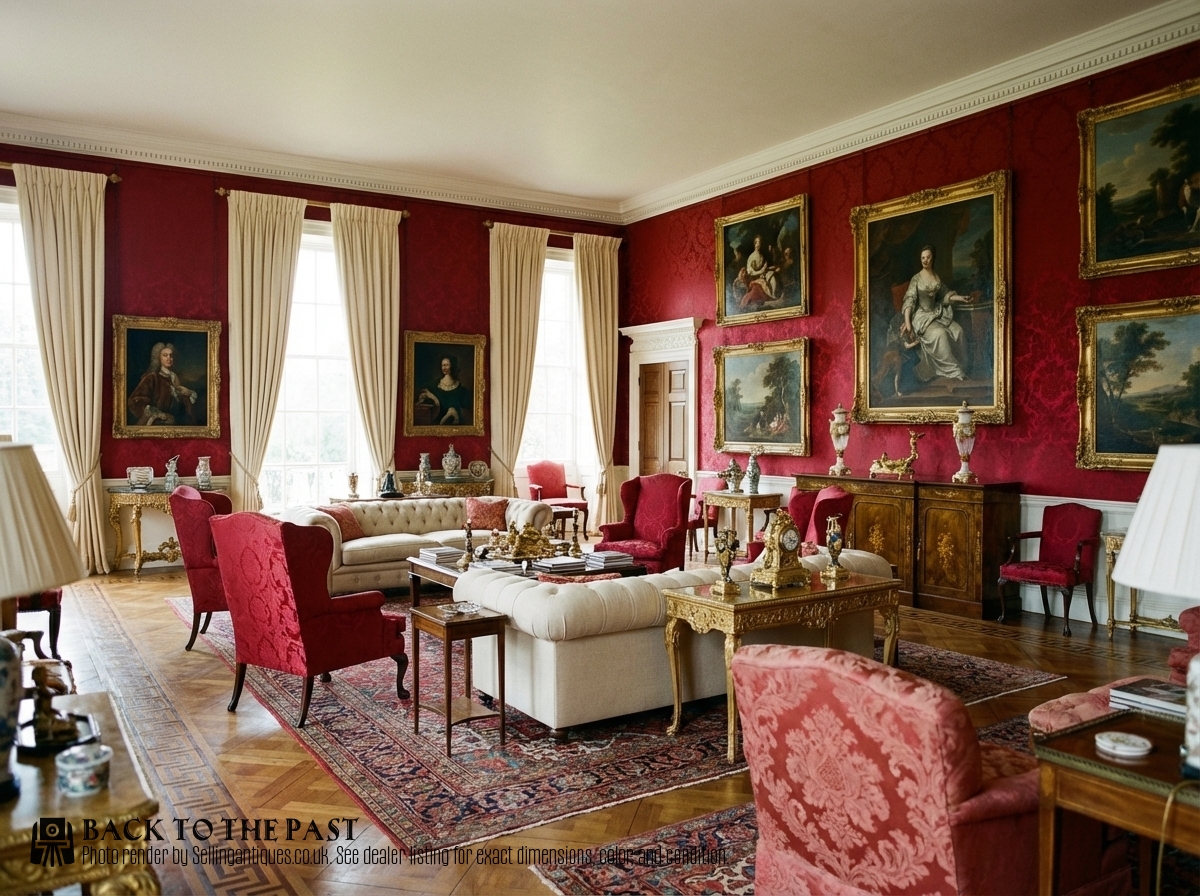
Display cabinets and vitrines suit reception rooms, dining areas, or hallways where their glass panels and inlaid surfaces remain visible. Corner cabinets make effective use of unused angles in smaller spaces.
Keep these pieces away from direct sunlight and heat sources to protect the delicate wood veneers and marquetry inlay from fading or drying.
How do I care for inlaid wood?
Maintain inlaid furniture by dusting gently with a soft, dry cloth and avoiding silicone-based polishes. Maintain stable room humidity to prevent the veneers from lifting.
Occasional application of appropriate furniture wax preserves the finish on walnut, mahogany, and rosewood surfaces without harming the marquetry.