

Brown Walnut Sideboard
A brown walnut sideboard brings rich grain and practical dining room storage, spanning Victorian credenzas to Art Deco servers.
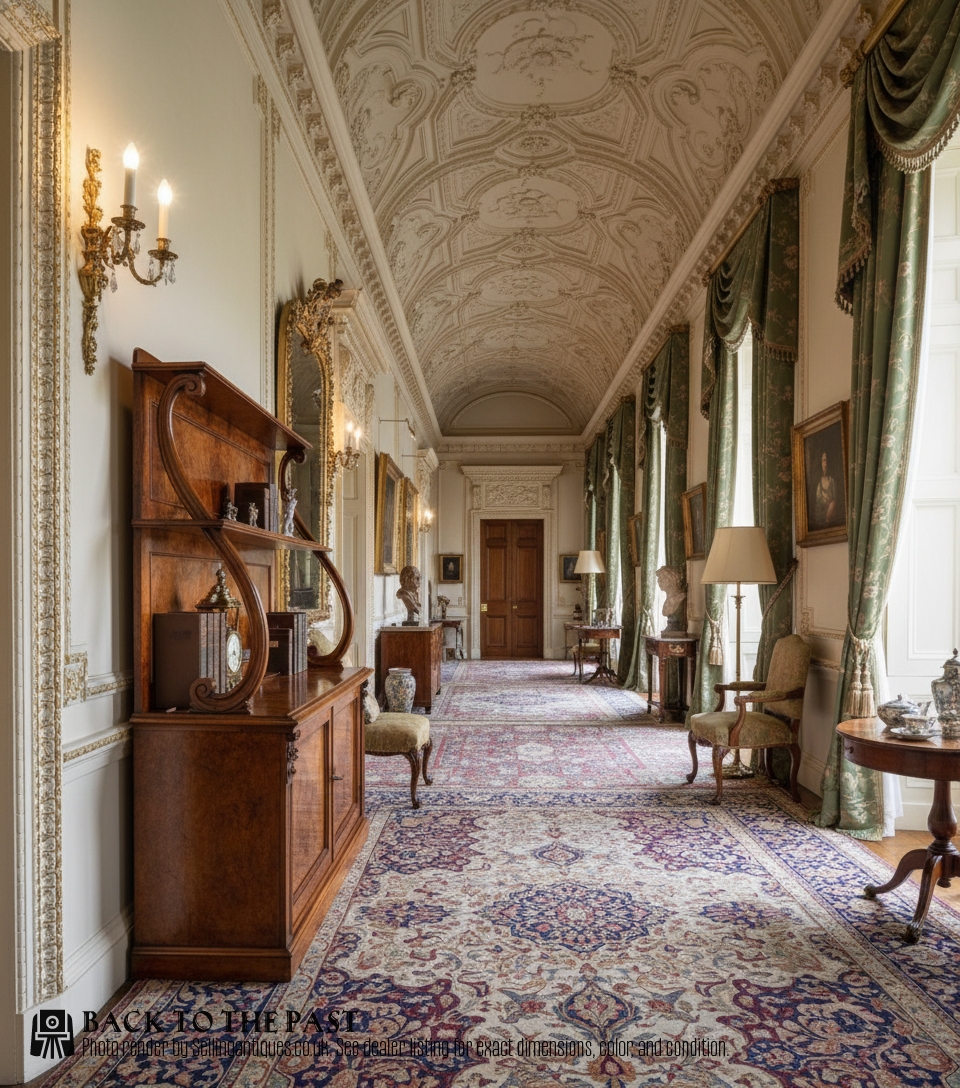
Brown Walnut Sideboard
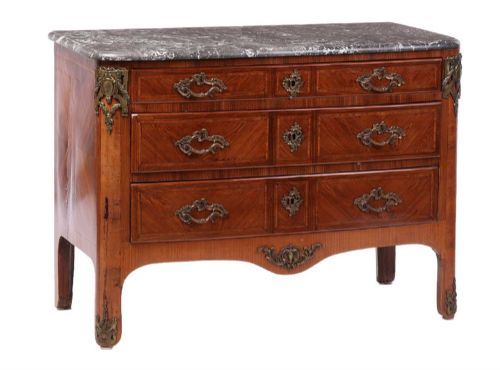
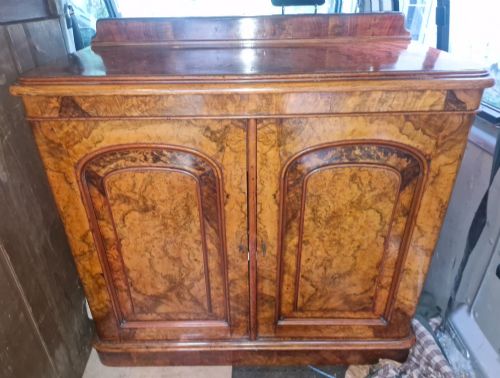
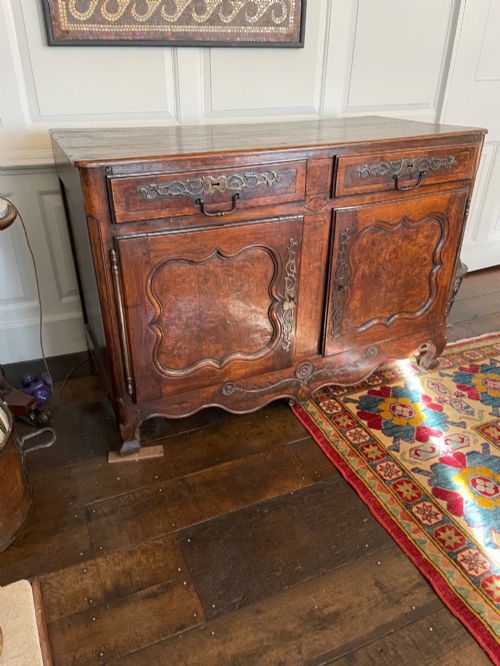
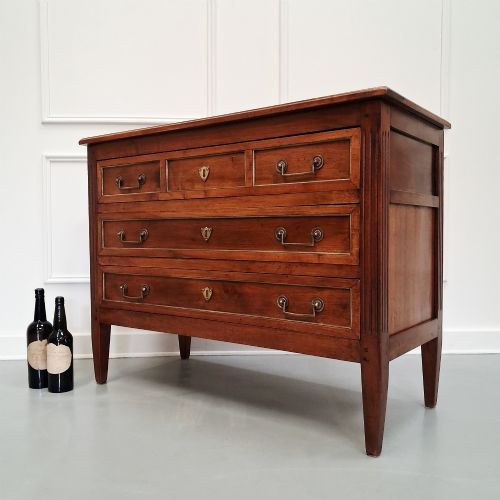
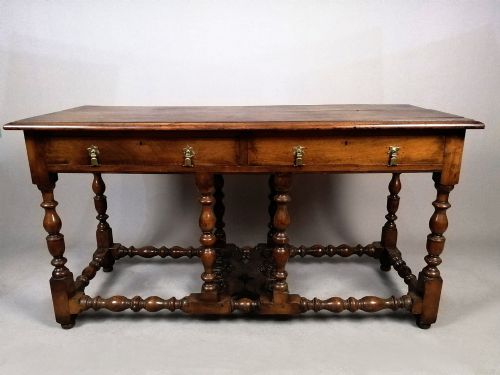
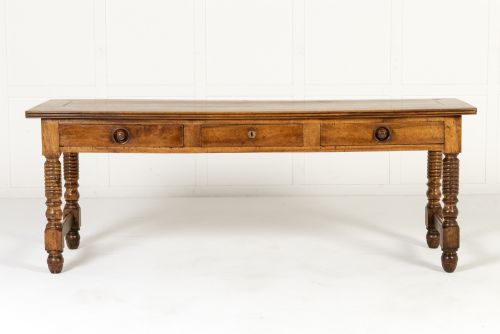
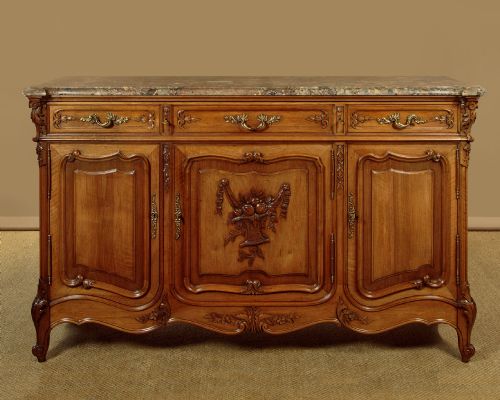
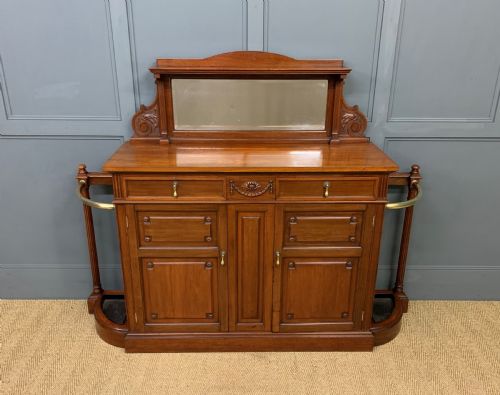
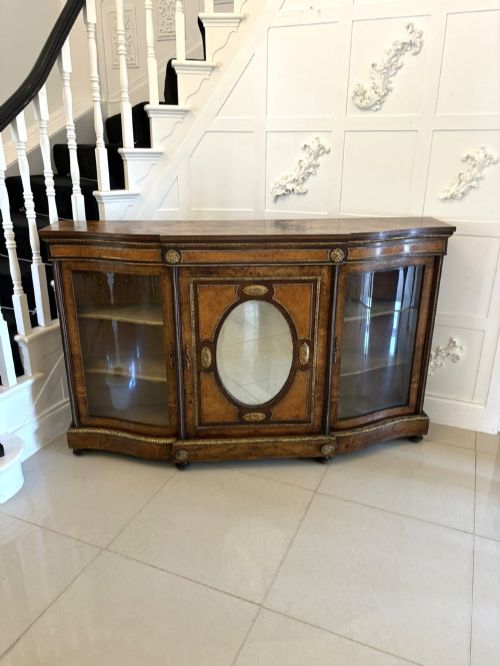
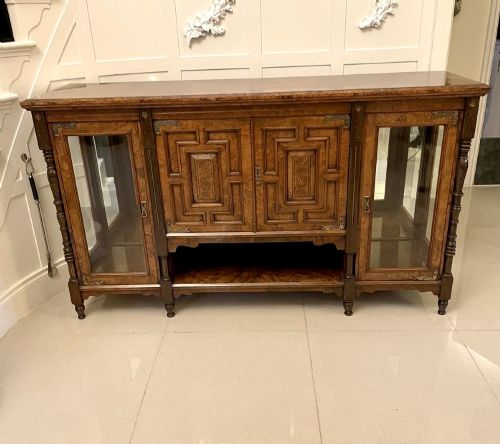
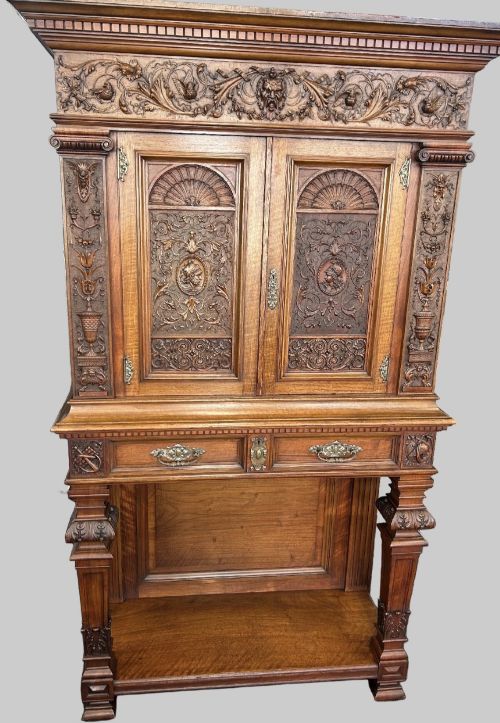
A brown walnut sideboard provides substantial storage for dining spaces, taking the form of credenzas, serving tables, and chiffoniers. These pieces emerge across several periods, from eighteenth-century craftsmanship through Victorian revivals and into the nineteen-thirties.
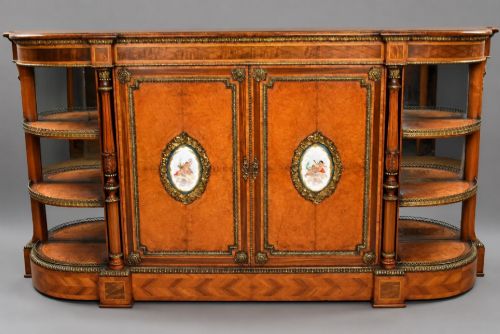
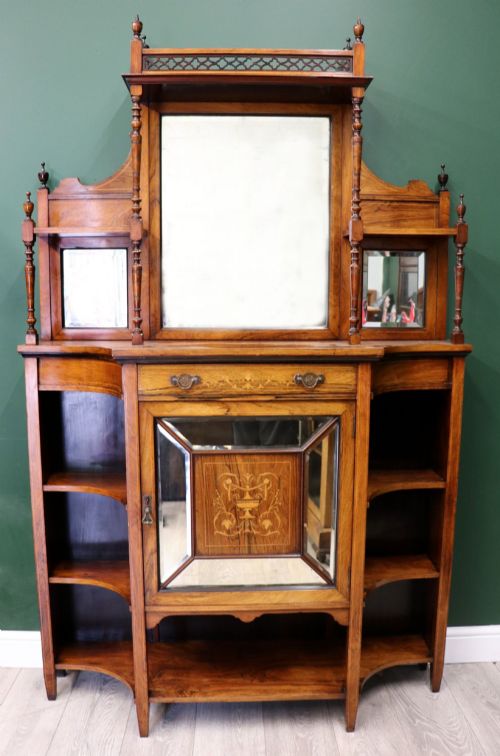
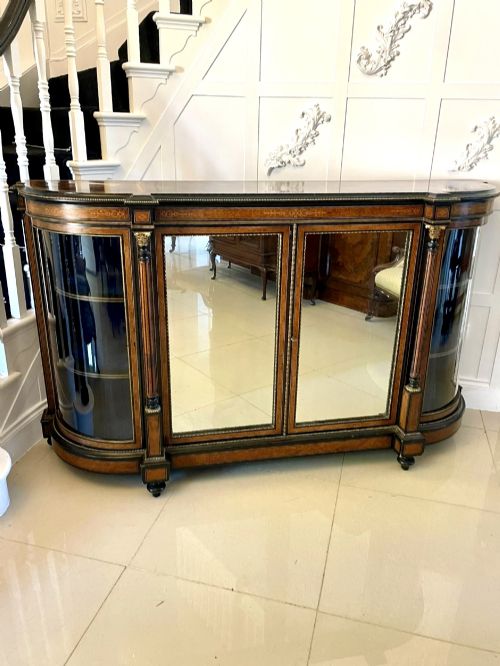
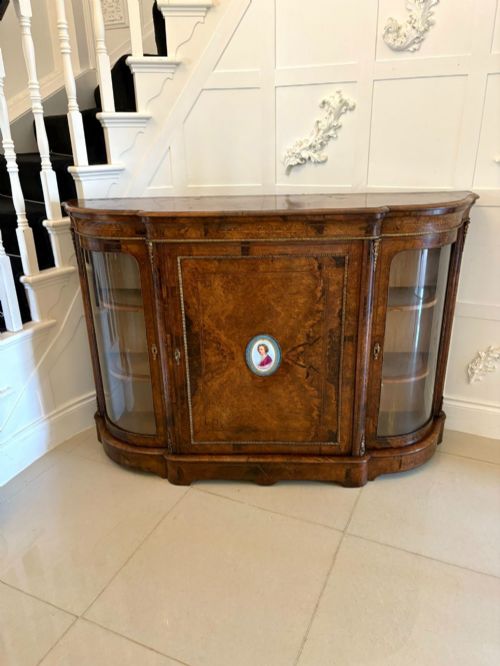
The Victorian era contributes heavily to this selection, particularly through burr walnut credenzas adorned with marquetry and ormolu mounts. Alongside these ornate nineteenth-century cabinets, buyers encounter streamlined Art Deco designs and robust Edwardian dresser bases.
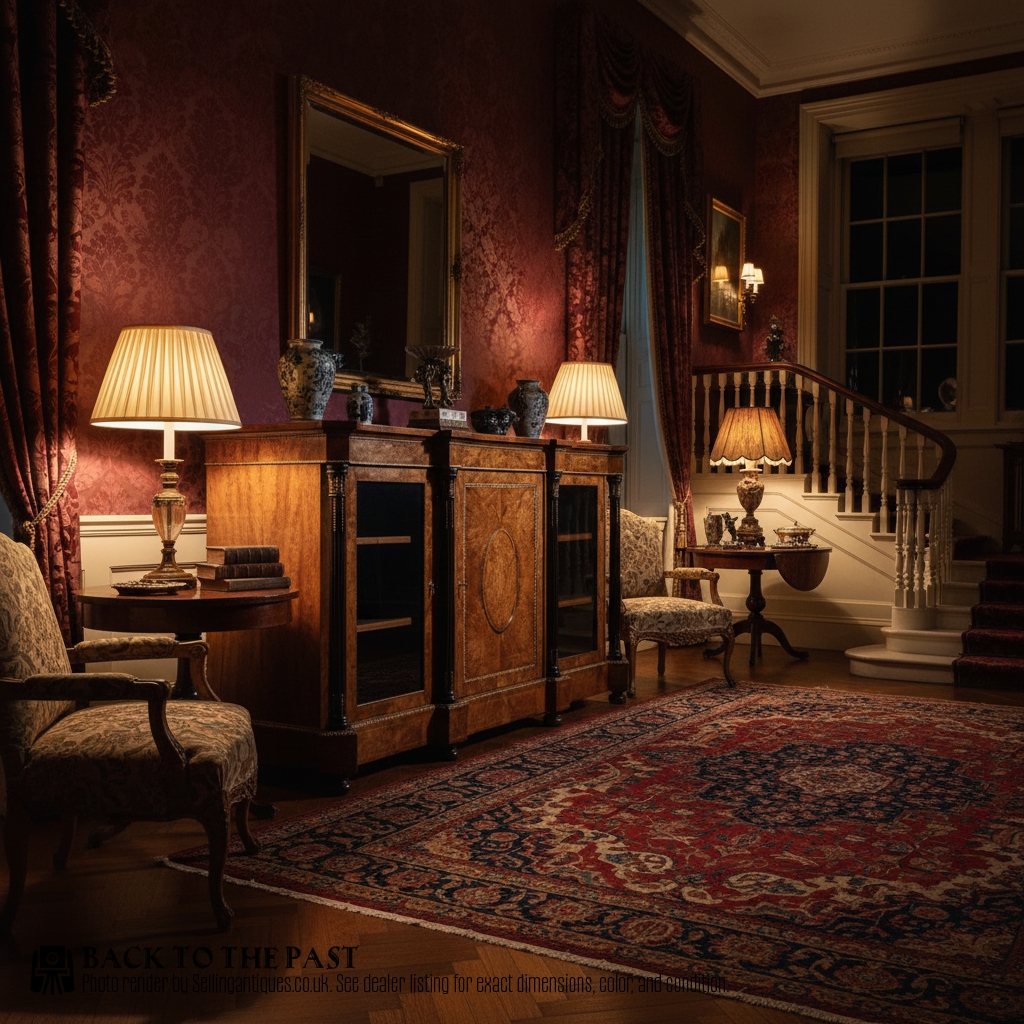
Materials and Construction
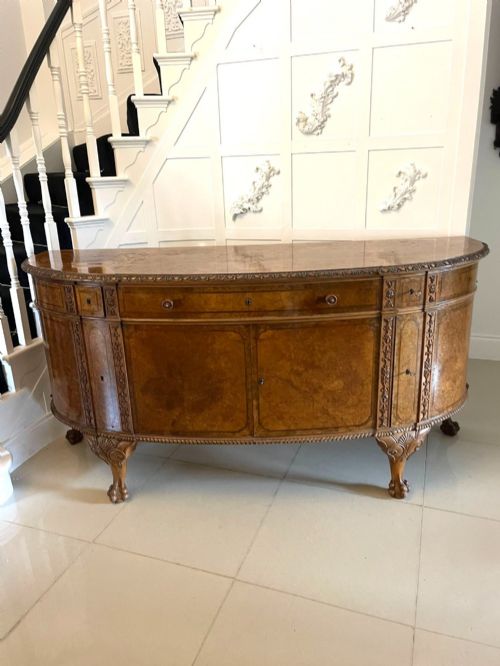
Cabinetmakers utilise solid walnut and walnut veneer to achieve striking figured grain patterns, frequently selecting burr walnut for its complex, swirling patterns on primary display surfaces. Secondary timbers provide structural stability within the framework of large credenzas and servers.
Decorative elements involve brass fittings, porcelain plaques, and cast ormolu mounts fixed to the cabinetry. Marquetry inlay work appears across Victorian examples, while glass panels feature in display cabinets and mirror backs amplify light in larger sideboards.
Brown Walnut Sideboard Retail Price Guide 2026
Typical asking prices for brown walnut sideboard among the pieces listed under this phrase on Sellingantiques today, from the lower quarter to the upper quarter. They describe what is for sale here now, not the wider market.
Listings span from the 18th century through the Victorian era and into 1930s Art Deco designs.
Assessing Craftsmanship
Quality rests upon the selection of timber veneers and the precision of the marquetry work embedded into the cabinet fronts. Superior pieces display continuous, book-matched grain patterns that flow evenly across multiple doors and drawers.
The refinement of cast brass or ormolu mounts and the integrity of internal carcase construction separate standard production from exhibition pieces. Maker attribution, such as work originating from established firms, further distinguishes the top tier of survivors.
Maurice Adams·Shoolbred and Co·Maison Gagneau·Hille of London·Étienne Kohlmann
The Brown Walnut Sideboard Glossary
- Burr walnut
- A specialised timber cut from the abnormal growth of a walnut tree, yielding intricate swirling patterns highly prized for cabinet fronts.
- Credenza
- A low dining room cabinet used for serving food and displaying porcelain, frequently fitted with glass doors or open central shelving.
- Ormolu
- Gilded bronze mounts cast in decorative scrollwork and applied to the corners and panels of nineteenth-century furniture.
- Marquetry
- The art of applying small pieces of varied veneer to form geometric or floral pictures on the surface of wood.
- Serpentine front
- A cabinet face curved with a convex centre flanked by concave ends, demanding advanced woodworking skill to execute.
Brown Walnut Sideboard: Frequently Asked Questions
What is a brown walnut sideboard used for?
These cabinets serve as dining room storage for cutlery, linen, and serving dishes, while the surface functions as a buffet during meals.
Many styles incorporate display compartments behind glass doors for showcasing porcelain and glassware to guests.
How do I identify a Victorian credenza?
Victorian examples typically feature figured burr walnut veneers combined with marquetry inlay and cast ormolu mounts along the front.
They often take a serpentine or bow-front shape, sometimes including central cupboard doors flanked by curved glass display cabinets.
What is the difference between an Art Deco sideboard?
Art Deco pieces from the nineteen-thirties favour geometric lines, figured walnut surfaces, and contrasting woods like sycamore without ornate nineteenth-century carving.
They offer a streamlined aesthetic that contrasts with the heavier ornamentation seen on Victorian and Edwardian furniture.
How should I care for walnut furniture?
Keep walnut pieces away from direct sunlight and heat sources to prevent the wood from drying and the veneer from lifting.
Apply suitable beeswax polish occasionally and buff gently with a soft cloth to maintain the natural lustre of the grain.