

Antique French Buffet
An antique french buffet brings solid timber storage and centuries of European craftsmanship directly into a dining room or hallway.
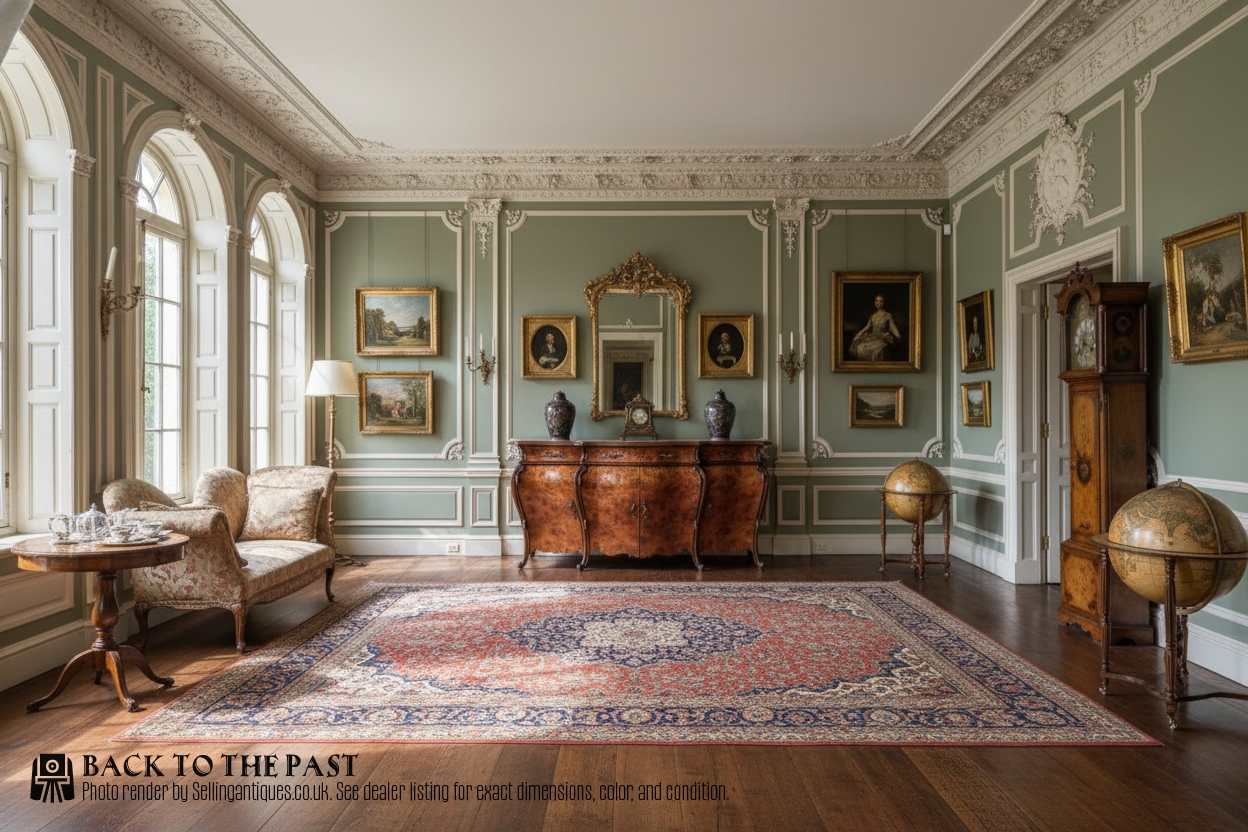
Antique French Buffet
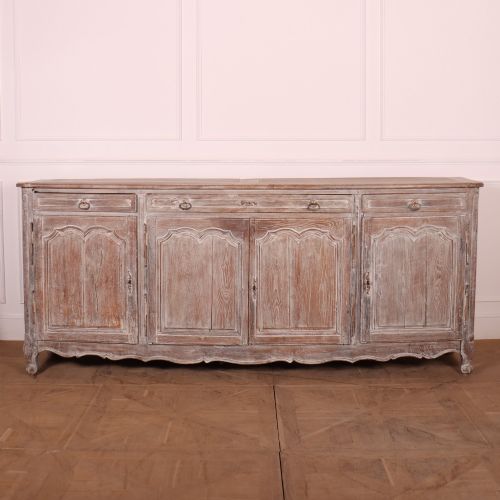
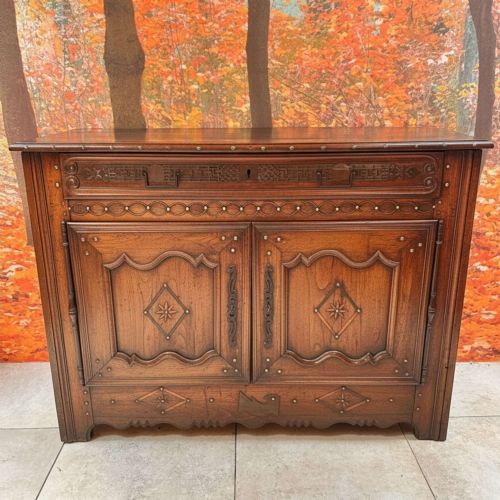
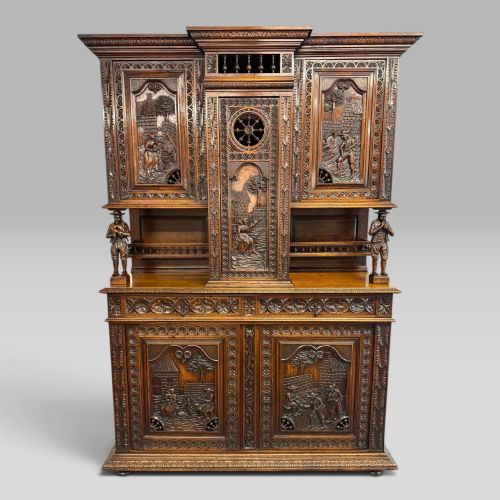
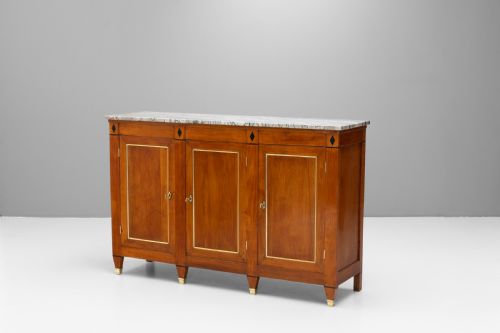
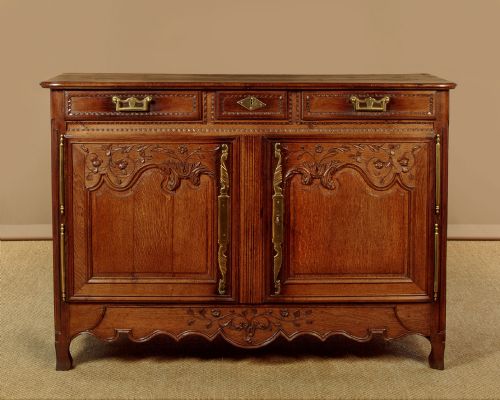
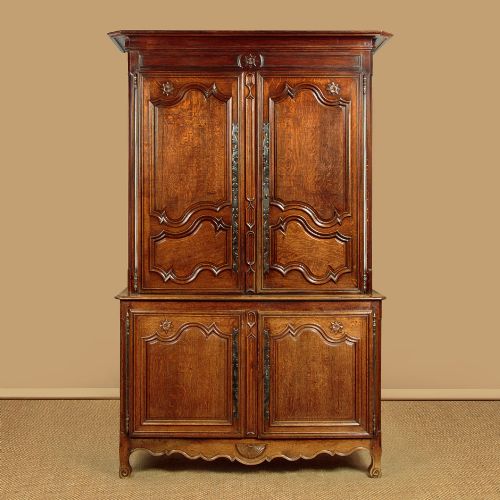
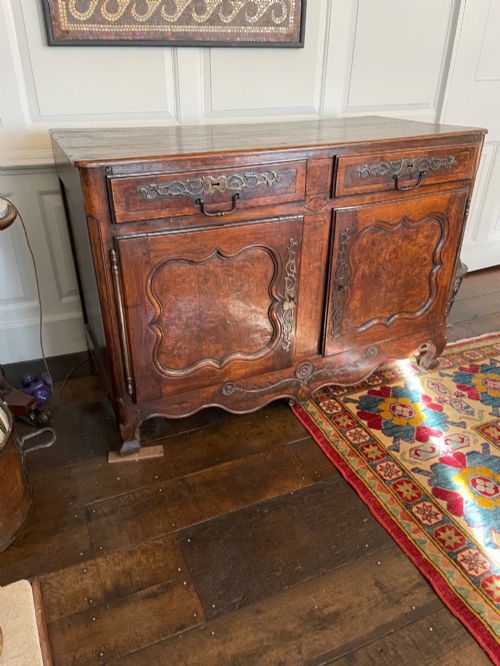
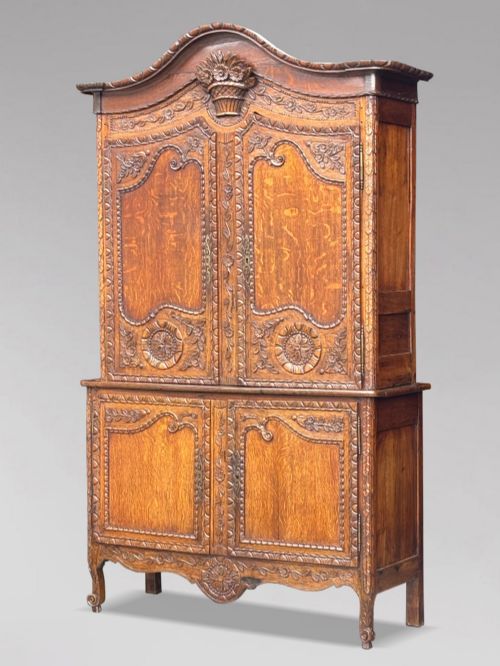
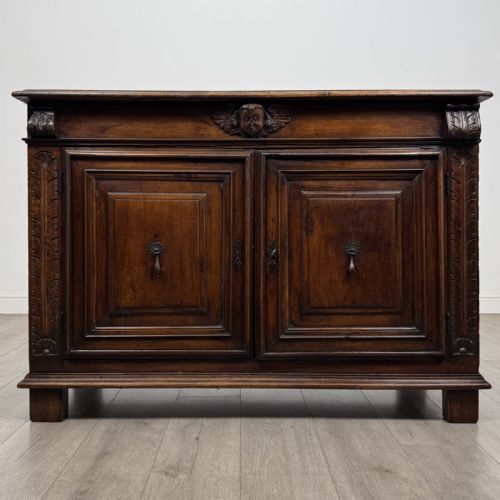
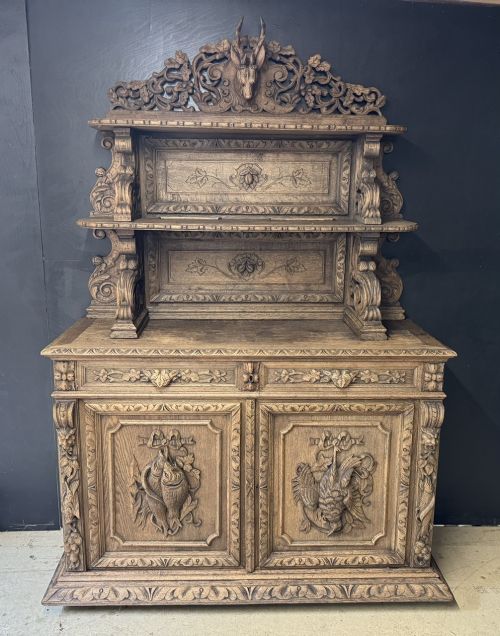
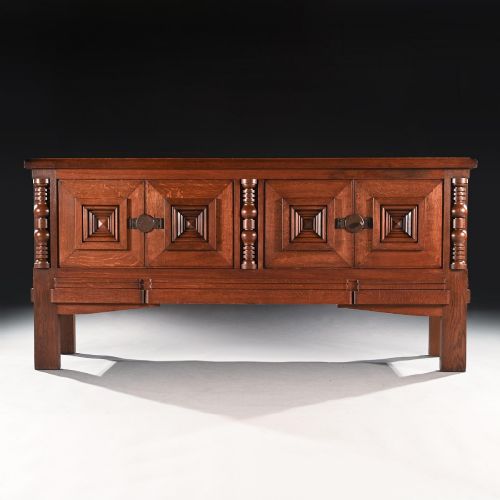
When searching for an antique french buffet, buyers encounter a diverse selection of storage furniture spanning from the seventeenth century through the art deco era. The pieces range from low provincial serving tables and sideboards to imposing two-part cupboards known as buffet à deux corps.
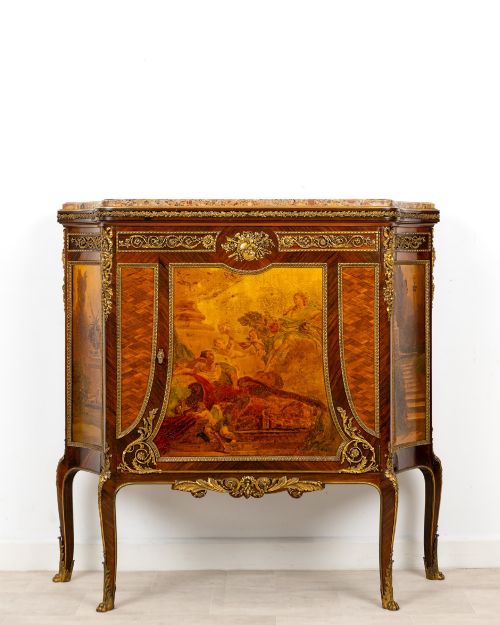
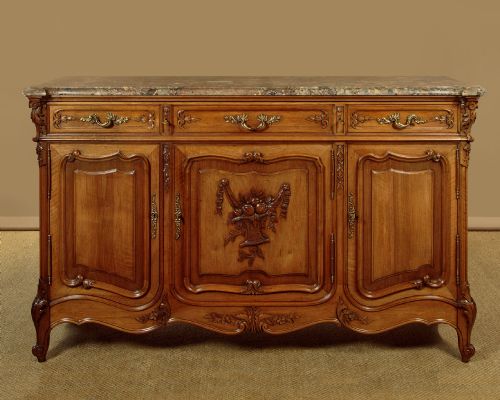
Regional variations dominate this category, showing distinct characteristics from rural fruitwood furniture to elaborate urban credenzas. Oak and walnut serve as the predominant woods, often paired with marble tops or intricate hand carvings depicting hunting scenes and floral motifs.
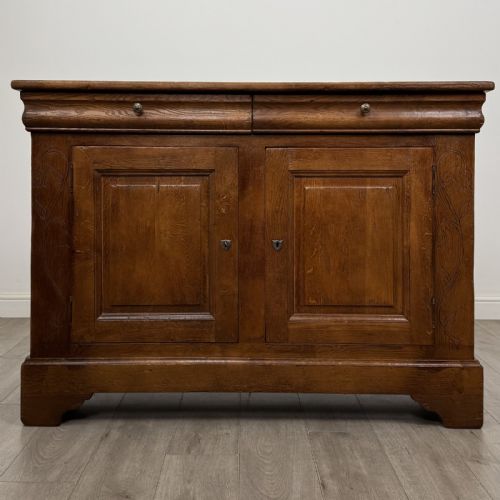
Buyers frequently meet nineteenth-century provincial interpretations alongside earlier eighteenth-century examples built for country houses and chateaux. These sturdy storage units function practically in modern homes as sideboards, kitchen dressers, and hallway cabinets.
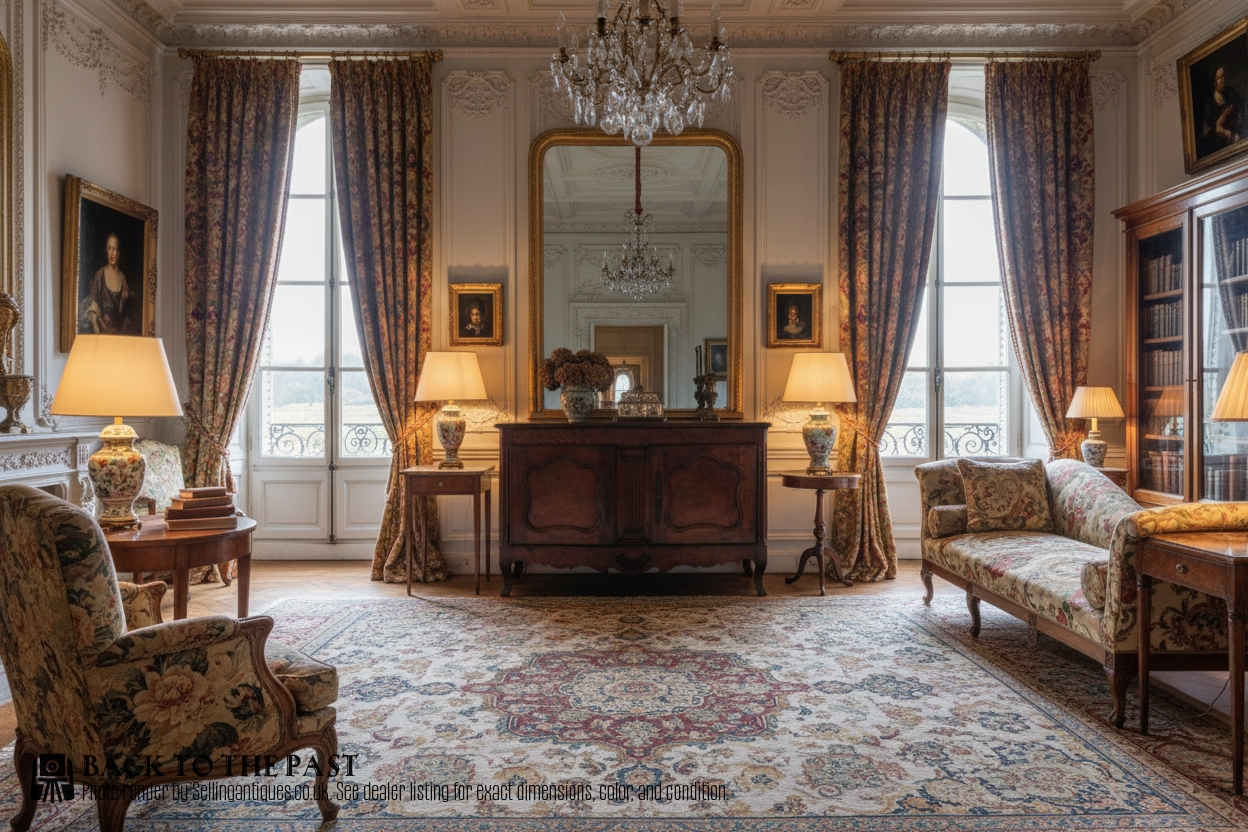
Materials and construction methods
Cabinet makers utilised heavy domestic timbers including oak, walnut, cherry, ash, and elm to build these structural storage pieces. Provincial workshops relied on solid regional hardwoods, while finer urban pieces incorporated exotic veneers like kingwood and amboyna over secondary bases.
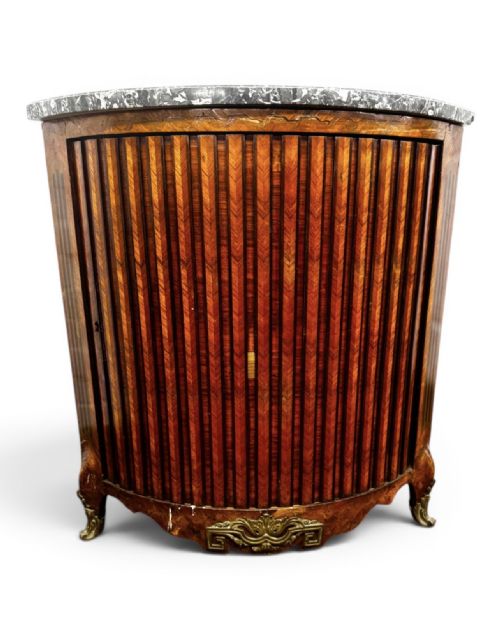
Surface ornamentation involved deep hand carving, marquetry, and painted finishes, frequently complemented by cast brass or ormolu mounts. Many nineteenth-century and earlier examples feature fitted marble slabs inset into the wooden top surfaces for durability and display.
Antique French Buffet Retail Price Guide 2026
Typical asking prices for french buffet among the pieces listed under this phrase on Sellingantiques today, from the lower quarter to the upper quarter. They describe what is for sale here now, not the wider market.
Materials commonly paired with these wooden cabinets include marble, brass, ormolu, and glass.
Distinctions in quality and execution
The standard of an antique french buffet rests on the crispness of its hand carving and the selection of timber used for the panels and frame. Superior pieces display tight joinery, original hardware, and balanced proportions that reflect the specific regional style of their origin.
Condition and originality heavily influence the standing of a piece, distinguishing untouched provincial country furniture from heavily restored examples or later revival items. The integration of high-status elements like heavy marble tops or elaborate marquetry separates standard utility storage from exhibition-grade examples.
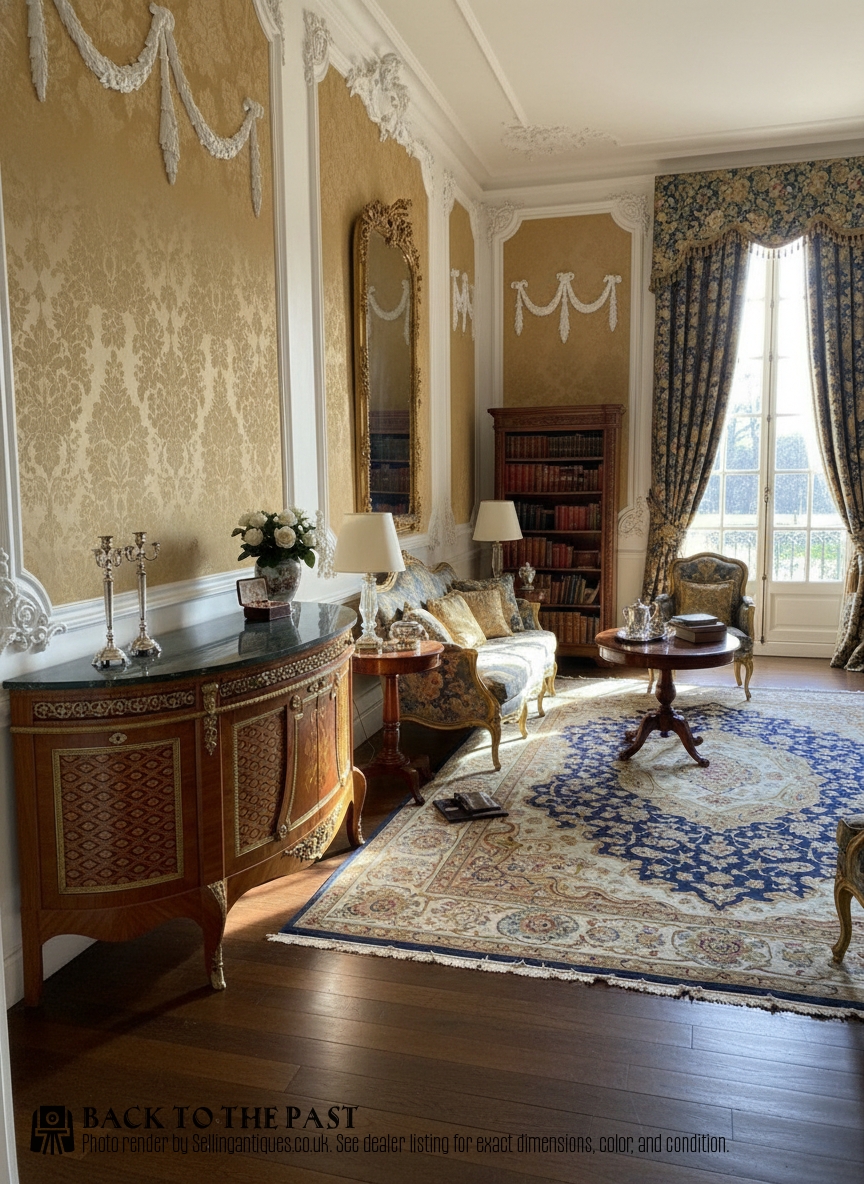
The Antique French Buffet Glossary
- Buffet à deux corps
- A tall two-part storage cabinet featuring a lower cupboard base surmounted by a matching upper section. These monumental pieces provide extensive shelving and display capacity.
- Enfilade
- A long low sideboard or credenza typically fitted with a series of multiple doors in a linear arrangement. This form developed for serving food in large dining rooms.
- Ormolu
- Gilded bronze mounts applied as decorative highlights to locks, handles, and corners on nineteenth-century and revival furniture. It adds metallic contrast to dark woods like walnut.
- Marquetry
- The art of applying thin decorative veneer pieces to form geometric patterns or pictorial designs on cabinet surfaces. Walnut and exotic woods frequently showcase this technique.
- Provincial
- Describing furniture made in regional areas outside major urban centres by local craftsmen using available local timbers. These pieces exhibit simpler, sturdier construction than court furniture.
Antique French Buffet: Frequently Asked Questions
How do I date an antique french buffet?
Dating relies on examining the construction marks, timber types, and stylistic indicators such as hardware and carving motifs. Eighteenth-century pieces typically show hand-split boards and pegged joints, whereas later nineteenth-century examples incorporate machine-sawn elements and standardised screws.
Provincial furniture often retains traditional local building methods long after urban centres have adopted new technologies. Comparing the handles, locks, and overall proportions against documented period styles helps narrow the manufacturing decade.
Where should I place an enfilade?
An enfilade works best against a long dining room or hallway wall where its linear design can be fully appreciated. Because these pieces are typically low and long, they provide convenient surface space for serving food or displaying lamps and ceramics.
Ensure you measure the depth and length of the space carefully before placement, as these cabinets vary significantly in proportions. Keeping them away from direct heat sources protects the old timber and prevents the wood from warping.
Are marble top buffets difficult to maintain?
Marble top surfaces require gentle cleaning with mild soap and water, avoiding acidic cleaners that can etch the stone. The heavy stone slab simply rests on the wooden base in most traditional designs, making it possible to lift out for moving.
Applying a protective stone sealer periodically helps guard against stains from liquids placed on the sideboard during daily use. The marble itself offers a durable, heat-resistant workspace that originally served kitchen and dining room utility.