

French Provincial Furniture
French provincial furniture brings rustic charm and regional character into a room through honest craftsmanship.
What French provincial furniture is
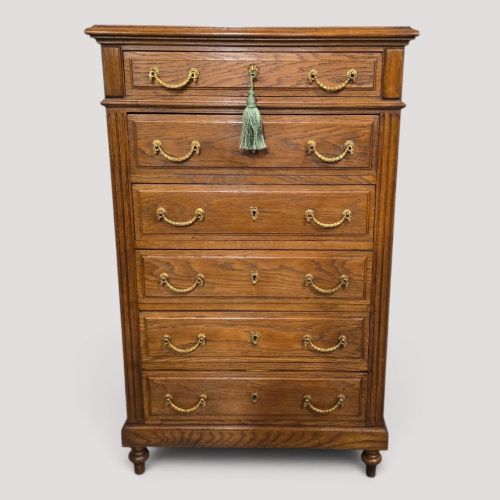
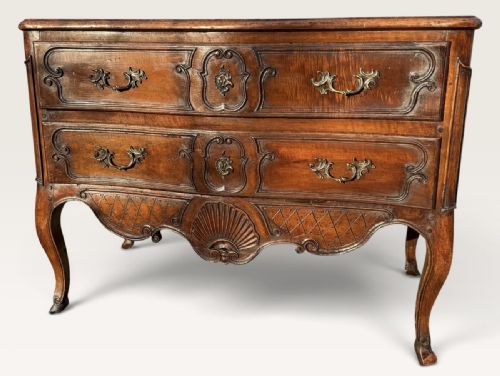
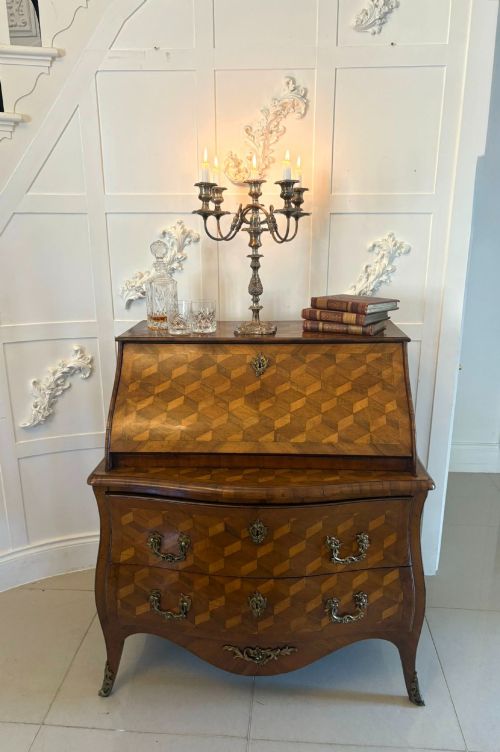
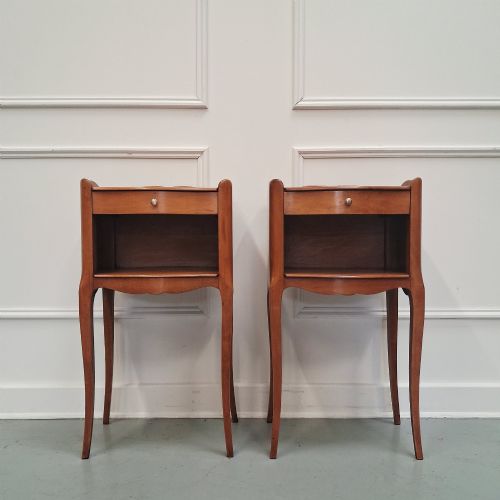
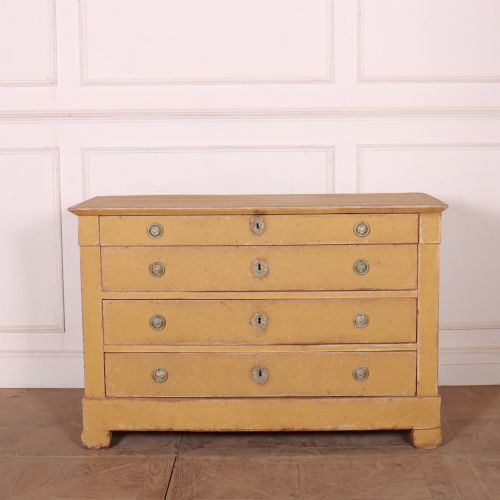
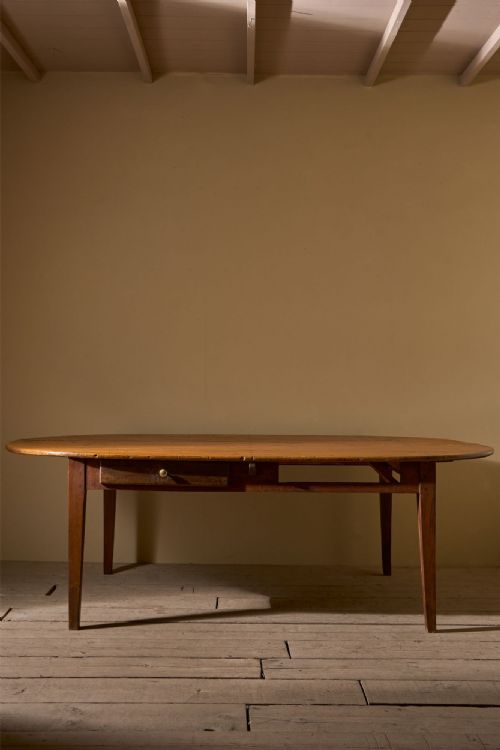
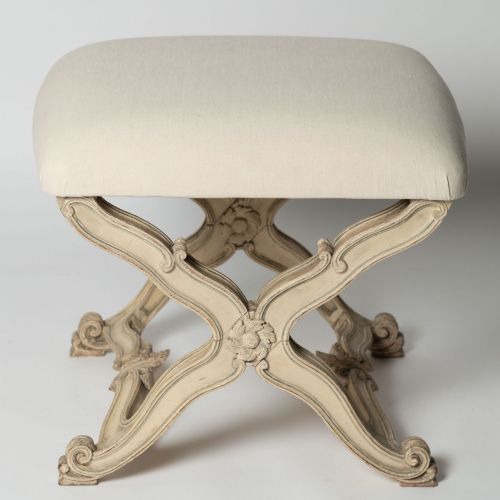
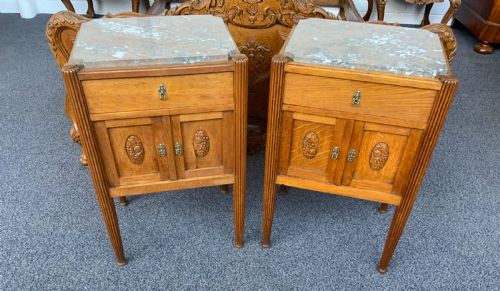
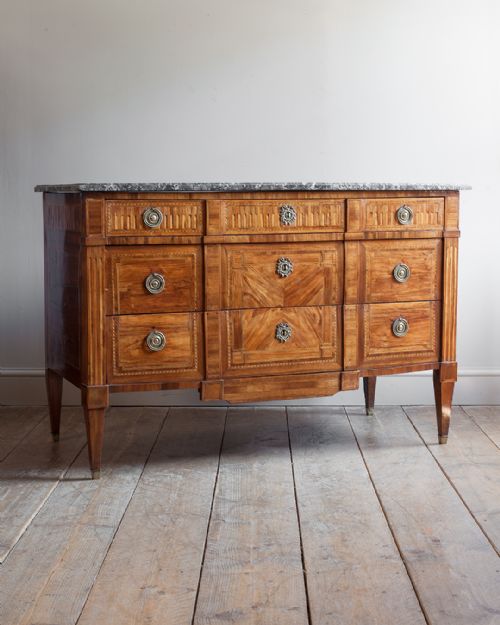
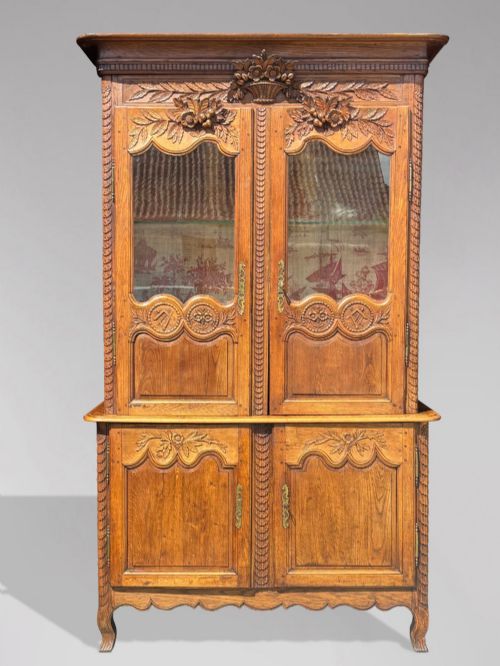
Buyers browsing this selection encounter nineteenth-century walnut and cherry commodes alongside mid-eighteenth-century chestnut pieces and oak cupboards. These survivors demonstrate how provincial cabinetmakers adapted grand metropolitan forms into sturdier domestic furniture.
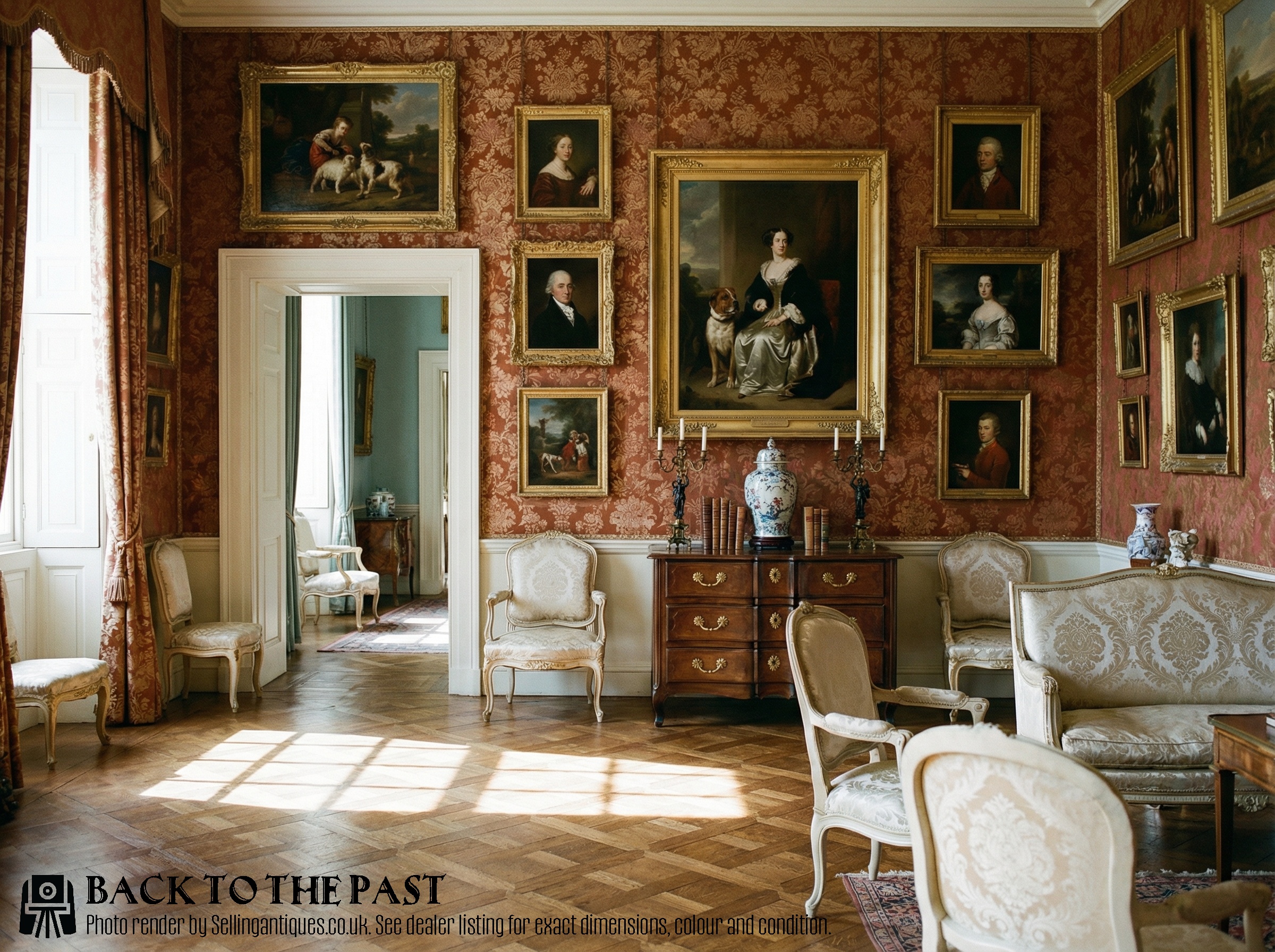
How they were made
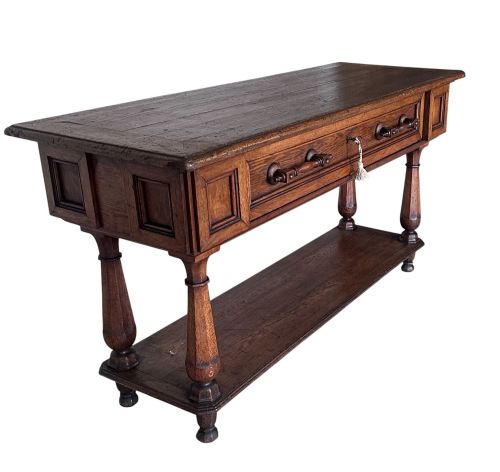
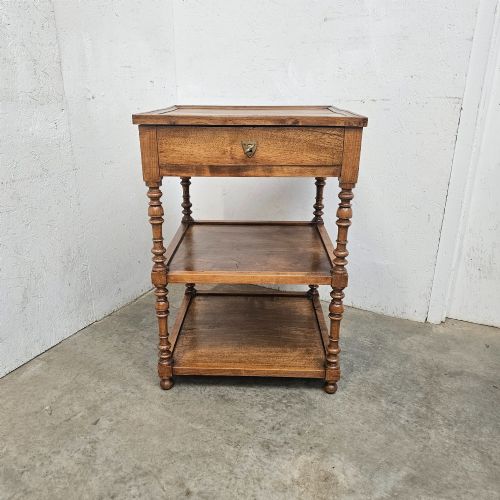
Craftsmen built these pieces using solid regional timbers such as chestnut, walnut, oak, and cherry wood, selecting local woods for their durability and grain. Carpenters shaped structural elements by hand, often incorporating panels and sturdy joints to withstand daily rural use.
Metalwork played a functional and decorative role, featuring brass handles and iron hardware secured to drawers and doors. Surfaces received traditional finishes that highlighted the natural texture of the wood without heavy gilding.
Retail Price Guide 2026
Typical UK retail prices for french provincial furniture, calculated from the Sellingantiques database of over a million retail prices indexed since 2003. This retail price guide relies exclusively on Sellingantiques data; no external sources or auction records are used, so the figures do not describe the wider market.
Listings span from seventeen-fifty through nineteen-hundred, featuring commodes, cupboards, and buffets built from oak, walnut, chestnut, and cherry wood.
What varies in quality
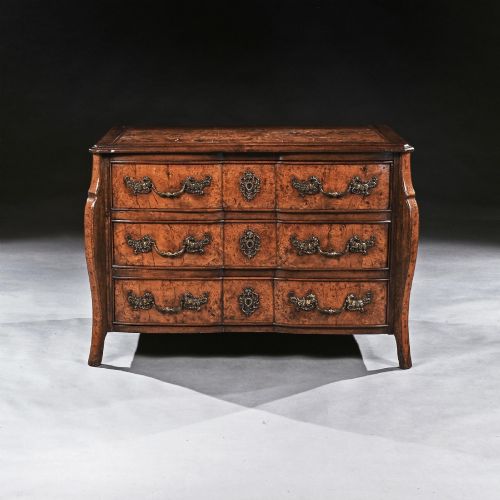
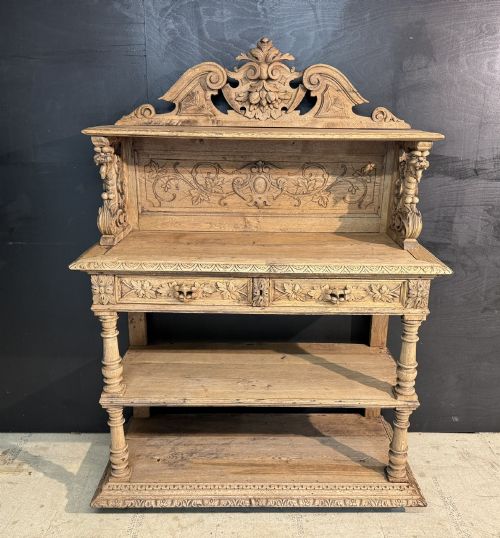
Quality rests in the harmony of proportion and the integrity of the timber selection, distinguishing simple utilitarian items from ambitious country pieces. Sculptural treatment of wood, such as bombe shaping or carved detailing, requires high skill and elevates certain commodes above plain cupboards.
The survival of original hardware, including brass pulls and iron mounts, marks a higher standard of preservation. Uniformity in timber ageing and the crispness of hand-carved surfaces separate superior regional workshops from basic village carpentry.
The French Provincial Furniture Glossary
- Commode
- A low chest of drawers or cabinet designed for domestic storage. Eighteenth and nineteenth-century examples often feature shaped fronts and substantial brass mounts.
- Buffet deux corps
- A tall two-part cupboard or sideboard featuring a cabinet stacked upon a lower buffet base. This imposing form provided generous storage for dining ware in provincial households.
- Bombe
- A swollen or bulging convex contour found on the sides and fronts of certain eighteenth-century furniture. This complex shaping demands advanced carpentry to achieve correct balance.
- Provincial
- Denoting items made in the regions far from the capital city. These objects display local vernacular traits rather than official court designs.
Frequently Asked Questions
What is French provincial furniture?
French provincial furniture refers to practical household items made in the regions of France during the eighteenth and nineteenth centuries. These pieces combine local timber choices with traditional regional woodworking styles.
Craftsmen built items like commodes and buffets to suit rural homes, resulting in sturdy furniture with distinct local character rather than royal Paris designs.
How do I identify periods in this furniture?
Periods are identified by examining wood types, construction methods, and stylistic cues such as bombe shaping or carving depth. Eighteenth-century pieces often show more elaborate regional curves, while nineteenth-century items tend towards heavier utility.
Matching the timber, like chestnut or cherry wood, with known era characteristics helps narrow down the date of manufacture.
What woods were used?
Makers utilised accessible local hardwoods including oak, walnut, chestnut, and cherry wood. These timbers provided the necessary strength for everyday furniture used in provincial settings.
The choice of wood often reflects the specific region where the piece was constructed, as cabinetmakers relied on nearby forests.
How do I live with these pieces?
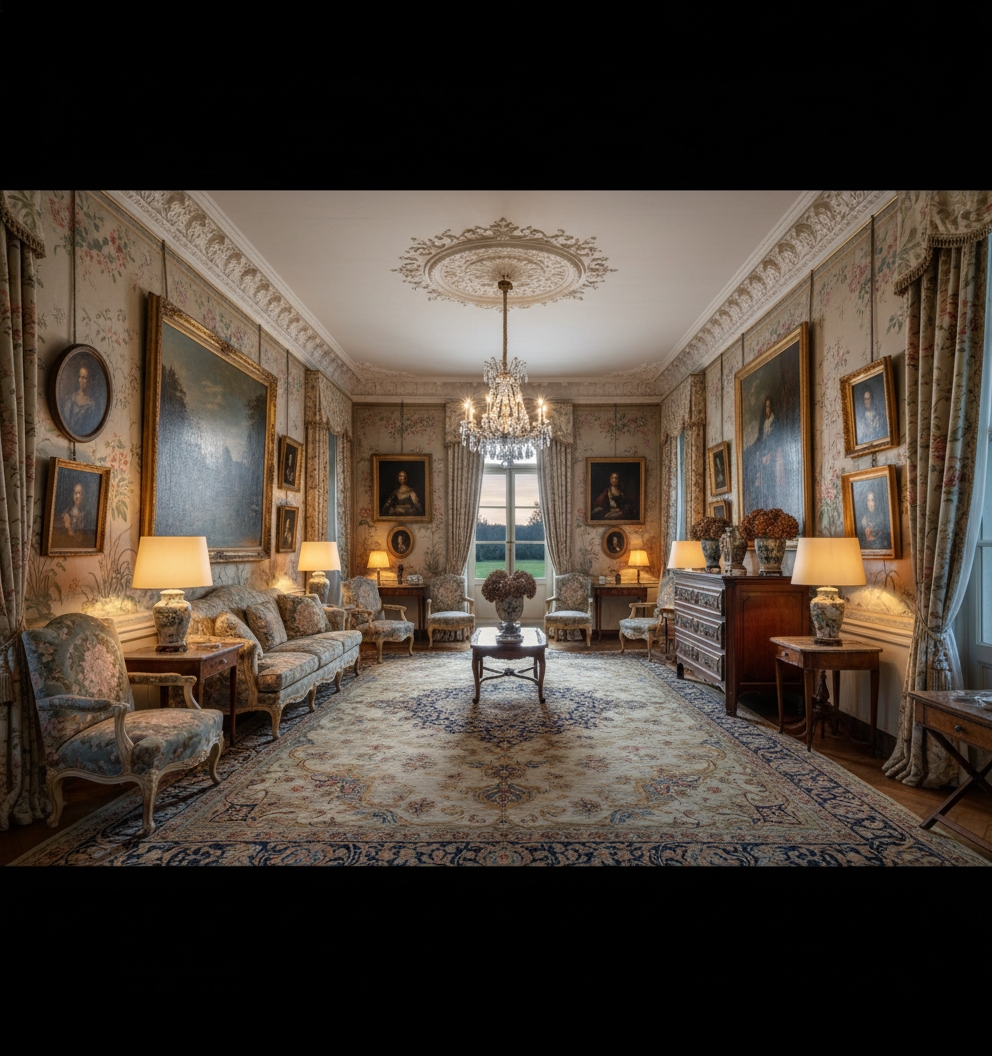
Living with these items involves placing them in living spaces or dining rooms where their rustic forms add warmth and texture. Their durable construction makes them suitable for daily storage needs, such as holding linens or tableware.
Maintaining stable room humidity protects the solid regional timbers from cracking over time.