
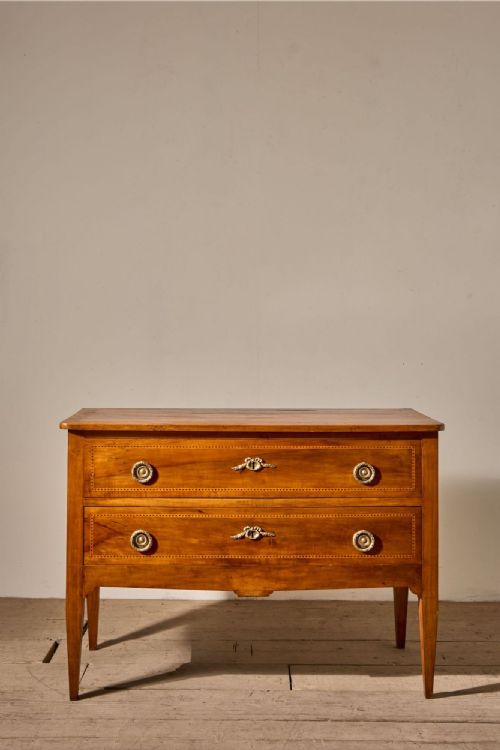
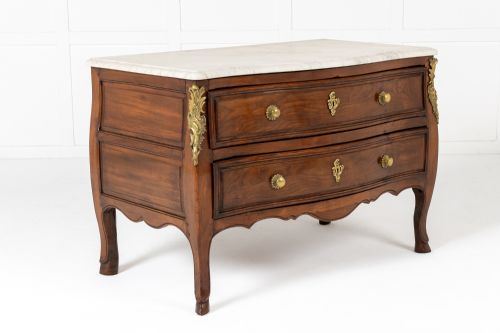


Cherrywood Chest of Drawers
These cherrywood chest of drawers pieces bring warm fruitwood grain and French provincial character into a room.
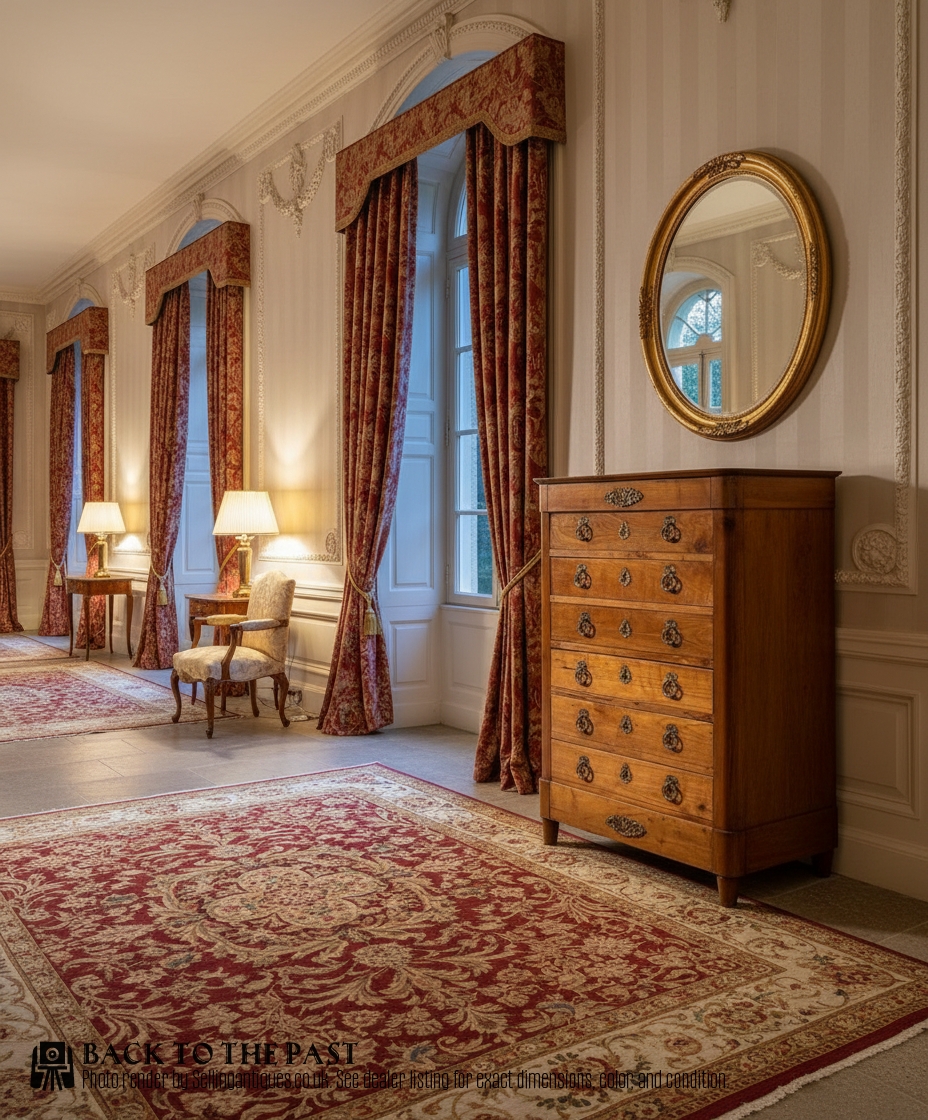
Cherrywood Chest of Drawers
A cherrywood chest of drawers brings the warm grain and fruitwood tones of eighteenth and nineteenth-century cabinetmaking into a home. When you search for a cherrywood chest of drawers, you meet pieces ranging from French commodes to lowboys and tall semainiers.
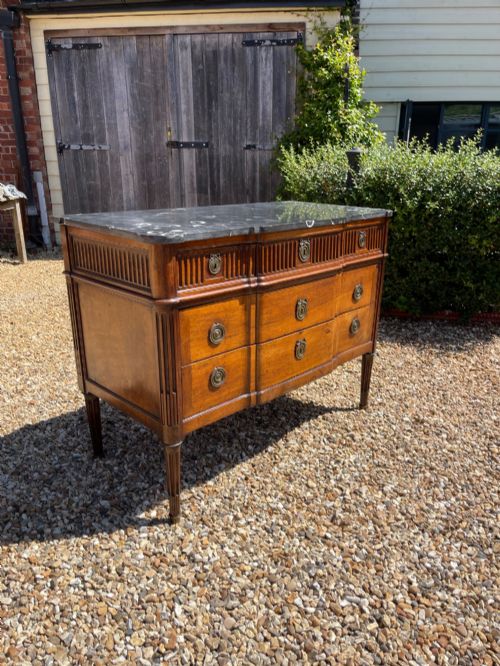
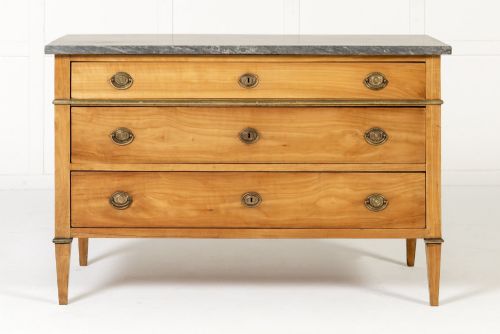
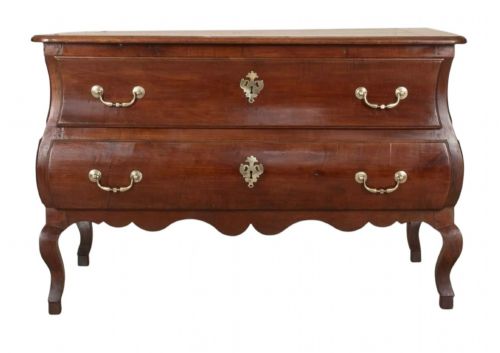
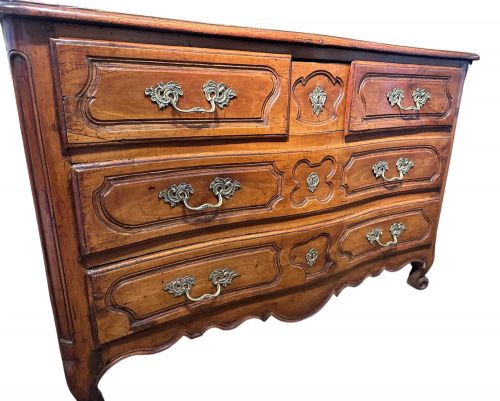
The selection on this page leans heavily towards French provincial and regional designs, alongside examples from the Georgian period and the year nineteen twenty. These include serpentine shapes, transitional styles, and marble-topped variants.
Makers fashioned these chests to serve storage needs while displaying rich timber surfaces. They appear primarily as commodes with multiple drawers, alongside lower side tables and taller upright formats.
How they were made
Cabinetmakers constructed these pieces using solid cherrywood timbers, often paired with contrasting walnut accents. Selected sections showcase the natural grain of the fruitwood across drawer fronts and top surfaces.
Metalwork played a key functional and decorative role, with brass handles and escutcheons fitted to the drawer faces. Certain pieces incorporate marble tops that rest directly upon the wooden carcase.
Cherrywood Chest of Drawers Retail Price Guide 2026
Typical asking prices for cherrywood chest of drawers among the pieces listed under this phrase on Sellingantiques today, from the lower quarter to the upper quarter. They describe what is for sale here now, not the wider market.
Listings include eighteenth and nineteenth-century pieces alongside items from nineteen twenty, utilising cherrywood, walnut, brass, and marble.
What varies in quality
The distinction between standard examples and finer pieces lies in the handling of the cherrywood timber and the refinement of the provincial carving. Superior specimens display well-matched grain patterns across the drawer tiers and clean lines in serpentine or transitional forms.
Hardware and surface finishing also set examples apart. Original brass mounts and well-preserved patination indicate higher standing among regional French and English workshops.
The Cherrywood Chest of Drawers Glossary
- Commode
- A low chest of drawers, frequently associated with French cabinetmaking of the eighteenth century. These pieces often feature serpentine fronts and brass hardware.
- Lowboy
- A small English table with drawers, produced during the Georgian period. It typically stands on slender legs and uses cherry wood or walnut.
- Semainier
- A tall chest of drawers traditionally designed with seven tiers, one for each day of the week. This upright format maximises storage space in bedroom settings.
- Serpentine
- A front contour characterised by a convex centre flanked by concave curves. This shape requires advanced woodworking skill to execute cleanly in solid fruitwood.
Cherrywood Chest of Drawers: Frequently Asked Questions
What rooms suit a cherrywood chest of drawers?
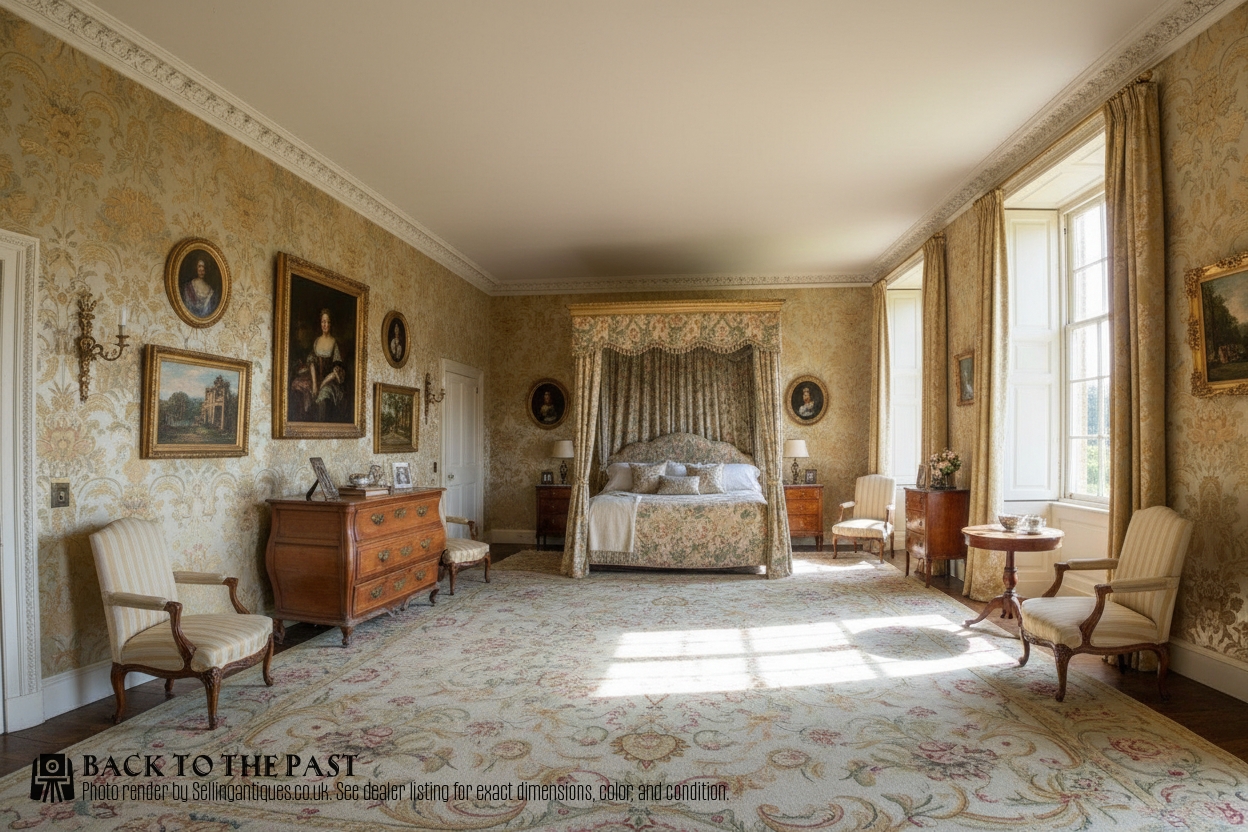
These chests fit well in bedrooms, hallways, or living spaces where warm wood tones add texture.
Their varied proportions, from low commodes to tall semainiers, allow them to function as surface display areas and storage units.
How do I identify a French provincial commode?
French provincial pieces display regional craftsmanship, often featuring simpler lines than royal court furniture.
They rely on the natural figure of cherrywood rather than heavy gilding or exotic veneers.
What is the difference between a commode and a lowboy?
A commode is a chest of drawers designed for storage, while a lowboy is a small table with low drawers.
Lowboys generally stand on taller legs relative to their body height.
Did these pieces always have marble tops?
Some commodes feature fitted marble slabs on their upper surfaces, while others maintain traditional wooden tops.
Both variants appear across eighteenth and nineteenth-century examples.