


French Cherrywood Commode
A French cherrywood commode brings warmth and provincial utility to any room, offering deep storage beneath a rich timber grain.
French Cherrywood Commode
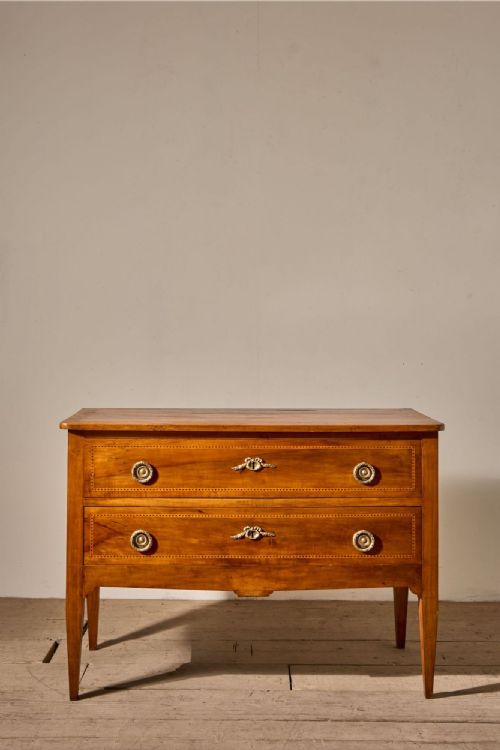
A french cherrywood commode is a substantial chest of drawers originating from France, prized for its generous proportions and utilitarian design. You encounter examples primarily spanning the eighteenth and nineteenth centuries, alongside occasional pieces from the early twentieth century.
The pieces on this page lean heavily towards eighteenth-century provincial craftsmanship, alongside nineteenth-century iterations and transitional interpretations. These chests of drawers serve as functional storage furniture that doubles as a striking decorative anchor.
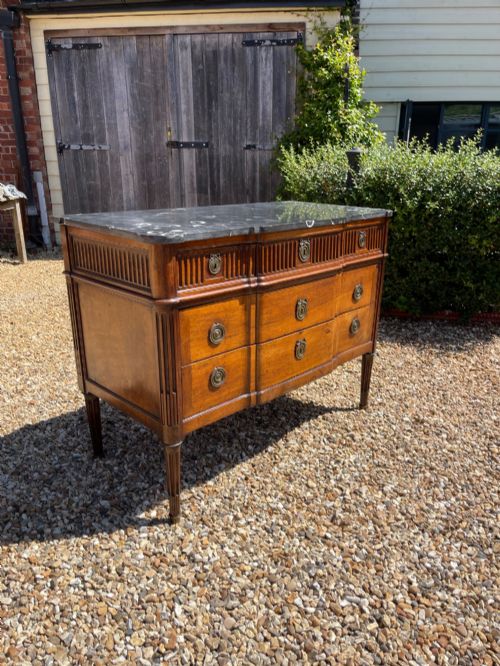
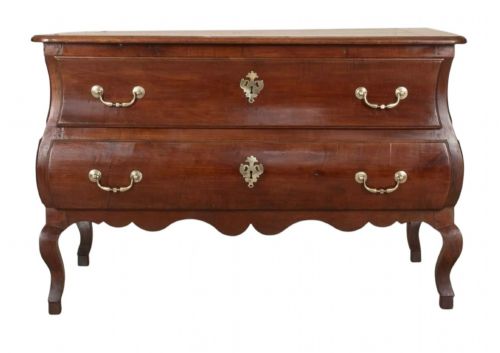
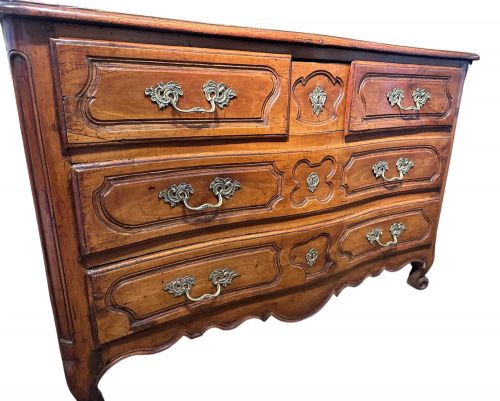
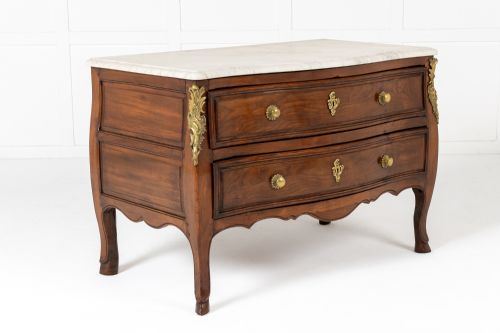
Regional variations appear frequently, including Provençal and Castrais forms that reflect local cabinet-making traditions. The core form remains a sturdy chest of drawers, though serpentine fronts and sauteuse configurations add sculptural movement.
Construction and materials
Cabinet-makers relied primarily on solid cherrywood, complemented by secondary timbers, to build the main carcase and drawer structures. The timber develops a warm, deep patina over decades of use and waxing.
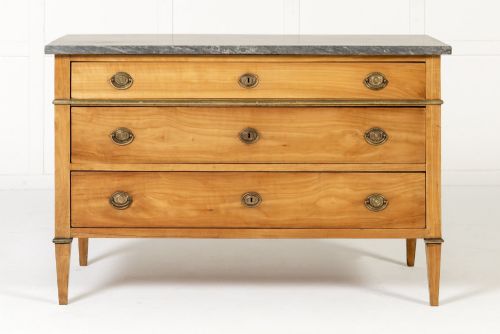
Metalwork mounts and pulls, typically cast in brass, accent the timber drawer fronts and corners. Selected pieces incorporate marble tops that provide a contrasting, cool working surface above the wooden drawers.
French Cherrywood Commode Retail Price Guide 2026
Typical asking prices for french cherrywood commode among the pieces listed under this phrase on Sellingantiques today, from the lower quarter to the upper quarter. They describe what is for sale here now, not the wider market.
Regional French provincial styles dominate the available chest designs, alongside Louis XV and transitional forms.
Assessing quality and craftsmanship
Quality rests in the handling of the cherrywood timber, from the selection of the grain to the integrity of the drawer construction. Fine examples display tight dovetail joints and smooth drawer operation without modern mechanical aids.
The sophistication of the carved detail and the presence of original brass hardware separate finer provincial pieces from simpler utility chests. Proportion and the crispness of serpentine or transitional lines dictate the visual success of the commode.
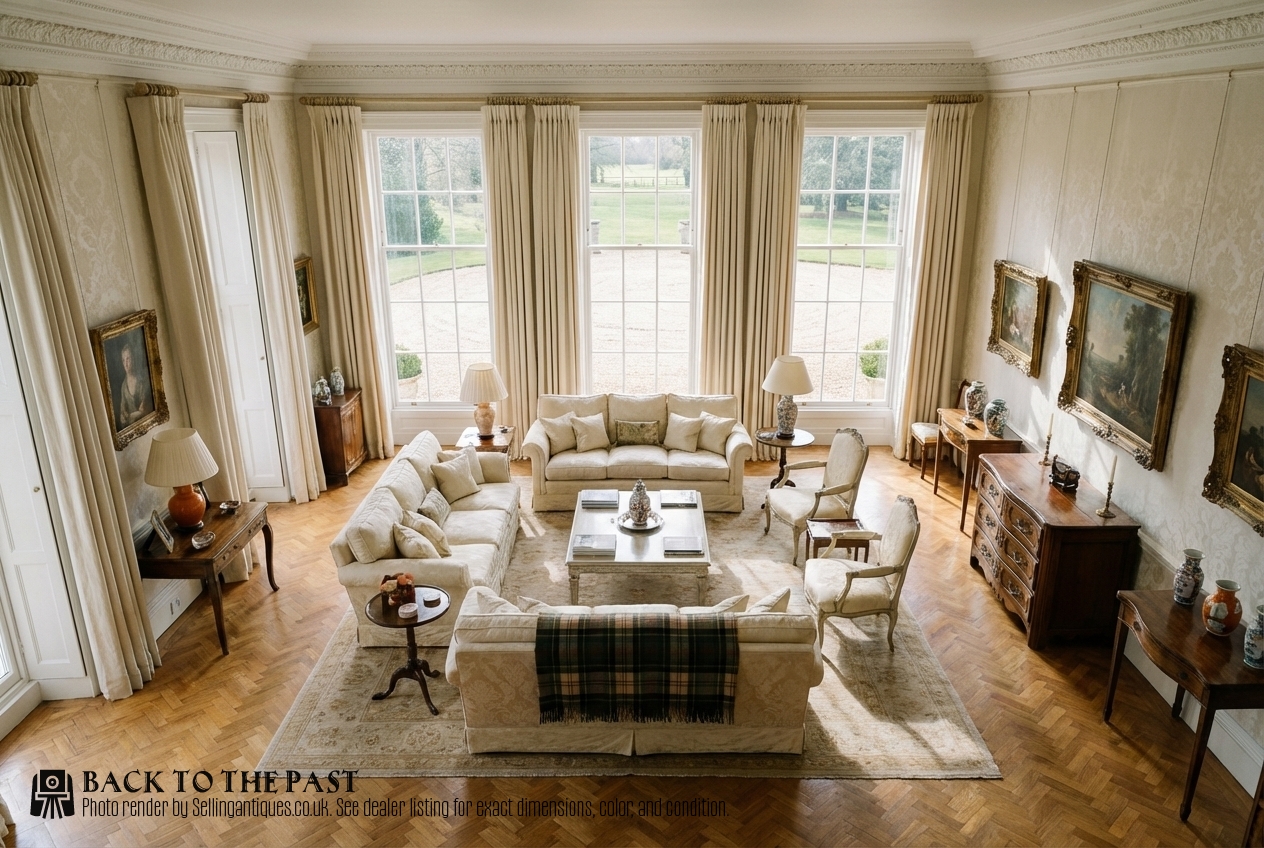
The French Cherrywood Commode Glossary
- Cherrywood
- A dense fruitwood used extensively in French provincial cabinet-making. It takes a deep, warm polish and patinates richly over time.
- Serpentine
- A curved furniture front characterised by a concave centre flanked by convex ends. This shape requires advanced woodworking skill.
- Transitional style
- A design phase bridging the heavy Louis XV curves and the straight lines of Louis XVI. It appears in furniture produced around the late eighteenth century.
- Provincial
- Describing items made in the French regions rather than Paris. These pieces often feature simpler lines and local timber selections.
French Cherrywood Commode: Frequently Asked Questions
How do I clean a cherrywood commode?
Dust the surface regularly with a soft, dry cloth to prevent dirt build-up. Apply a natural beeswax periodically to nourish the timber and maintain its natural sheen.
Avoid using silicone-based polishes or placing the commode in direct sunlight. Excessive heat and moisture can damage the antique timber finish.
Are these commodes suitable for modern bedrooms?
These chests offer practical storage capacity while functioning as visual centrepieces in contemporary spaces. Their warm timber tones integrate easily with various interior design schemes.
Measure your floor space carefully before purchasing, as eighteenth-century proportions can be deeper than modern chests of drawers.
How do I date an eighteenth-century commode?
Examine the construction methods visible inside the drawers and at the back of the carcase. Hand-cut dovetails and pegged joints indicate period manufacture rather than later replication.
Consider the style markers, such as transitional curves or provincial regional traits, which align with specific decades of production.