
French Country Chest
A french country chest brings provincial utility and understated regional elegance into a room through natural woods and practical storage.
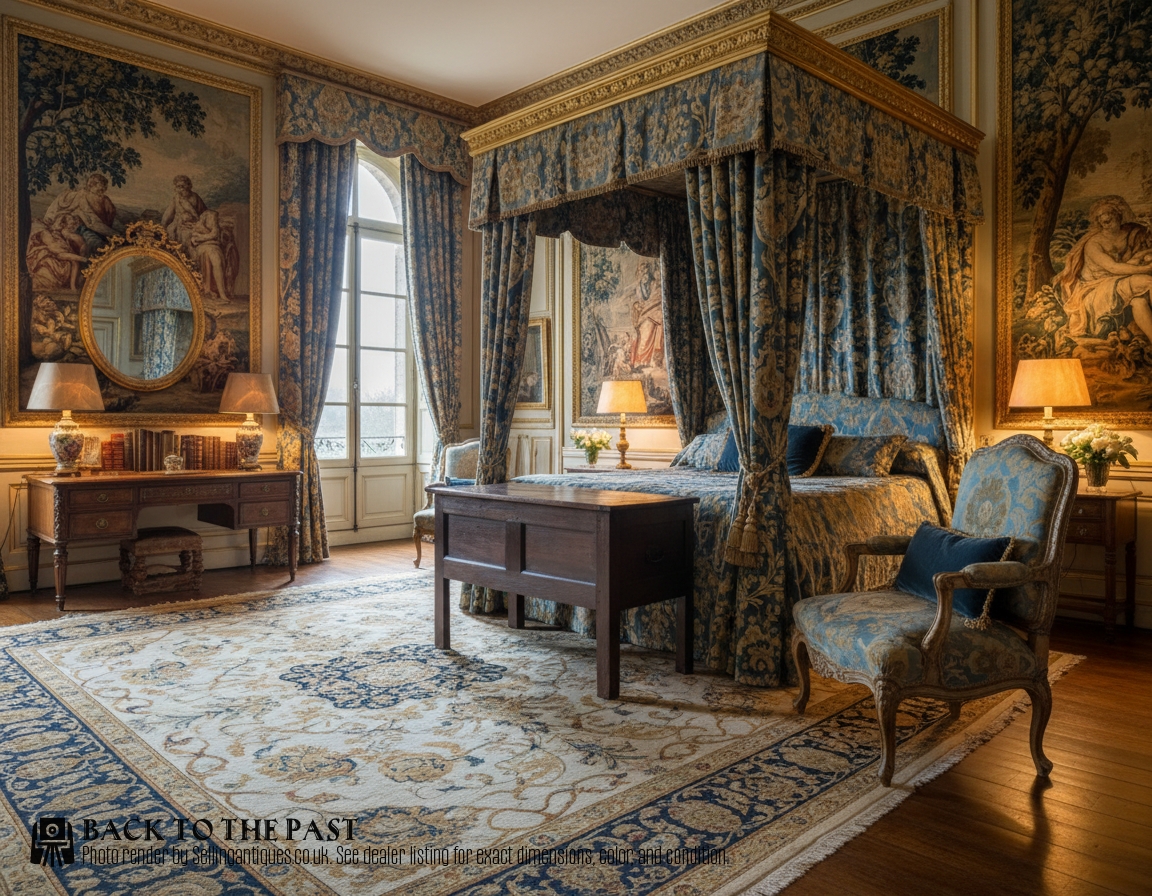
French Country Chest
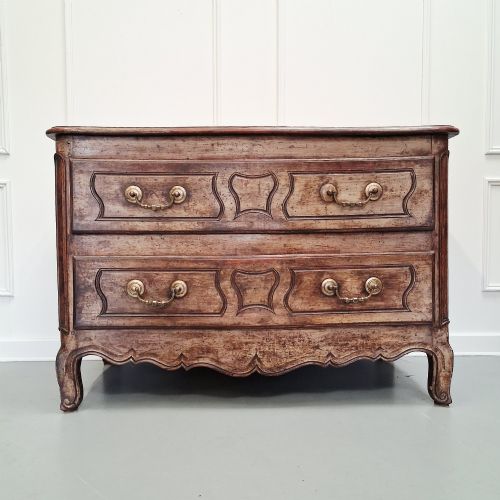
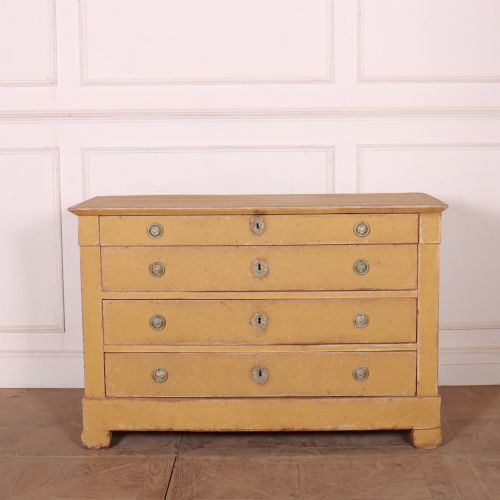
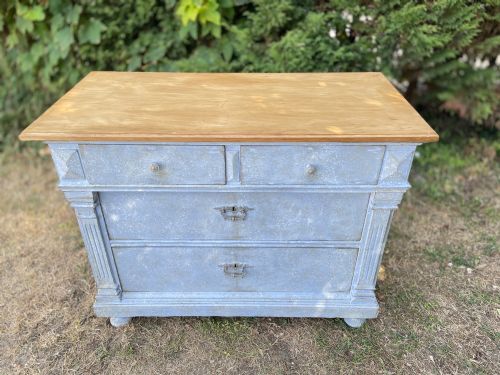
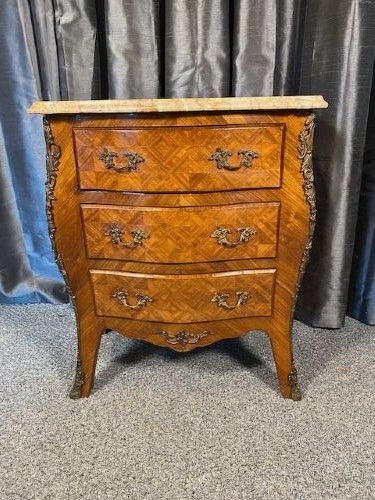
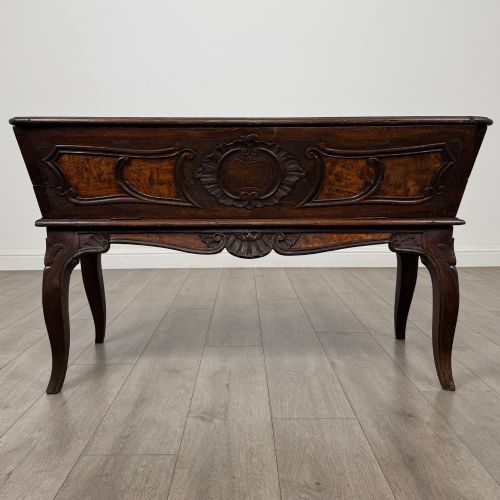
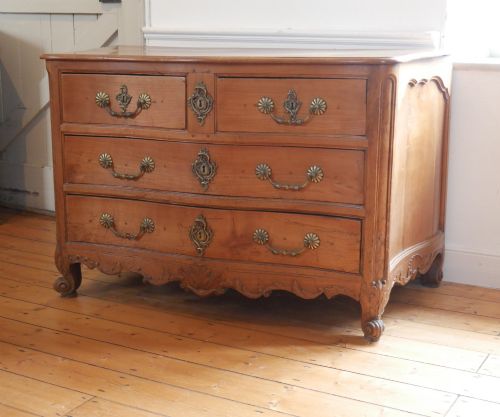
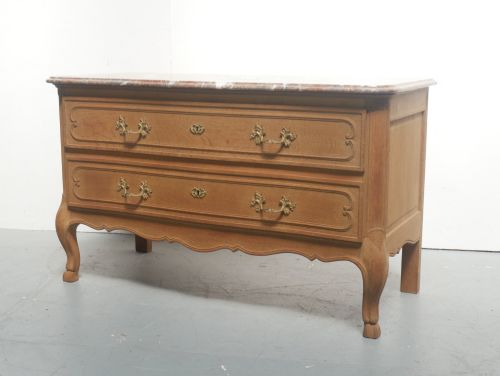
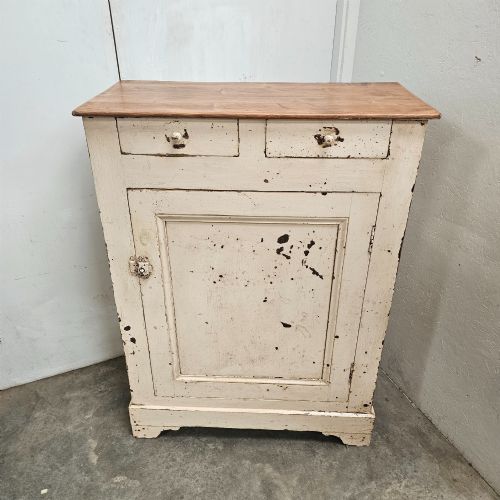
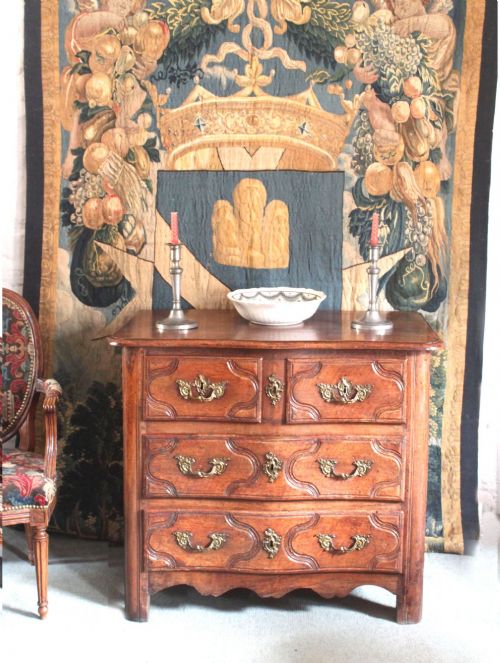
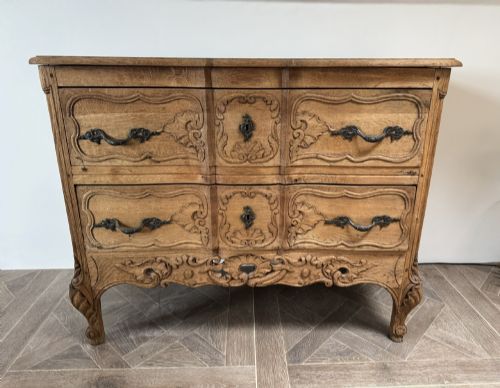
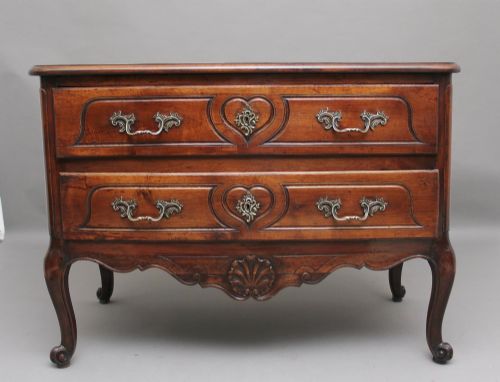
When searching for a french country chest, buyers examine robust pieces designed for rural European homes, ranging from utilitarian dough bins to formal commodes. The selection frequently includes eighteenth-century walnut or cherrywood commodes and nineteenth-century painted pine items.
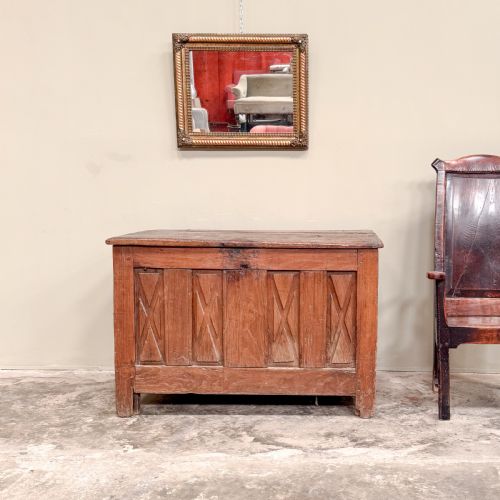
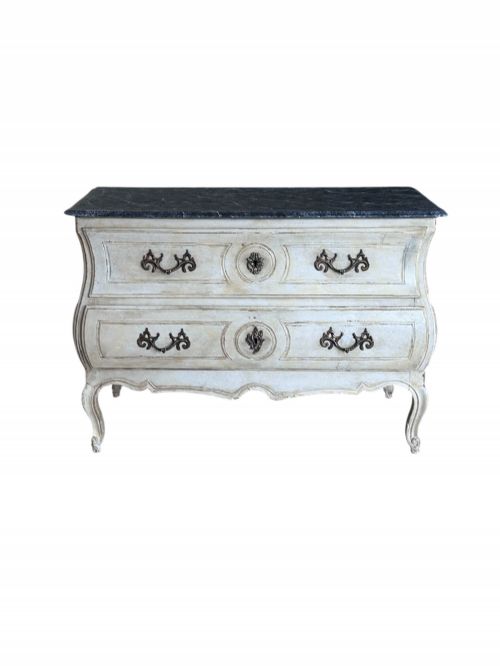
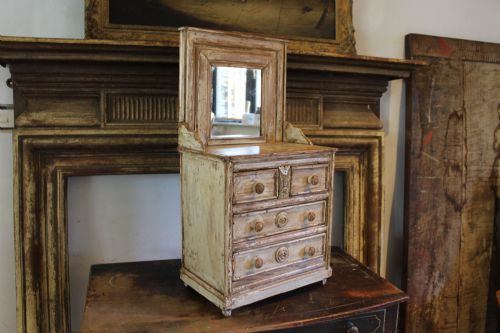
Regional forms span serpentine chests of drawers, marble-topped cabinets, and low blanket boxes originating from various French provinces. These functional items reflect the domestic needs of past centuries, serving as storage, side tables, or bread safes.
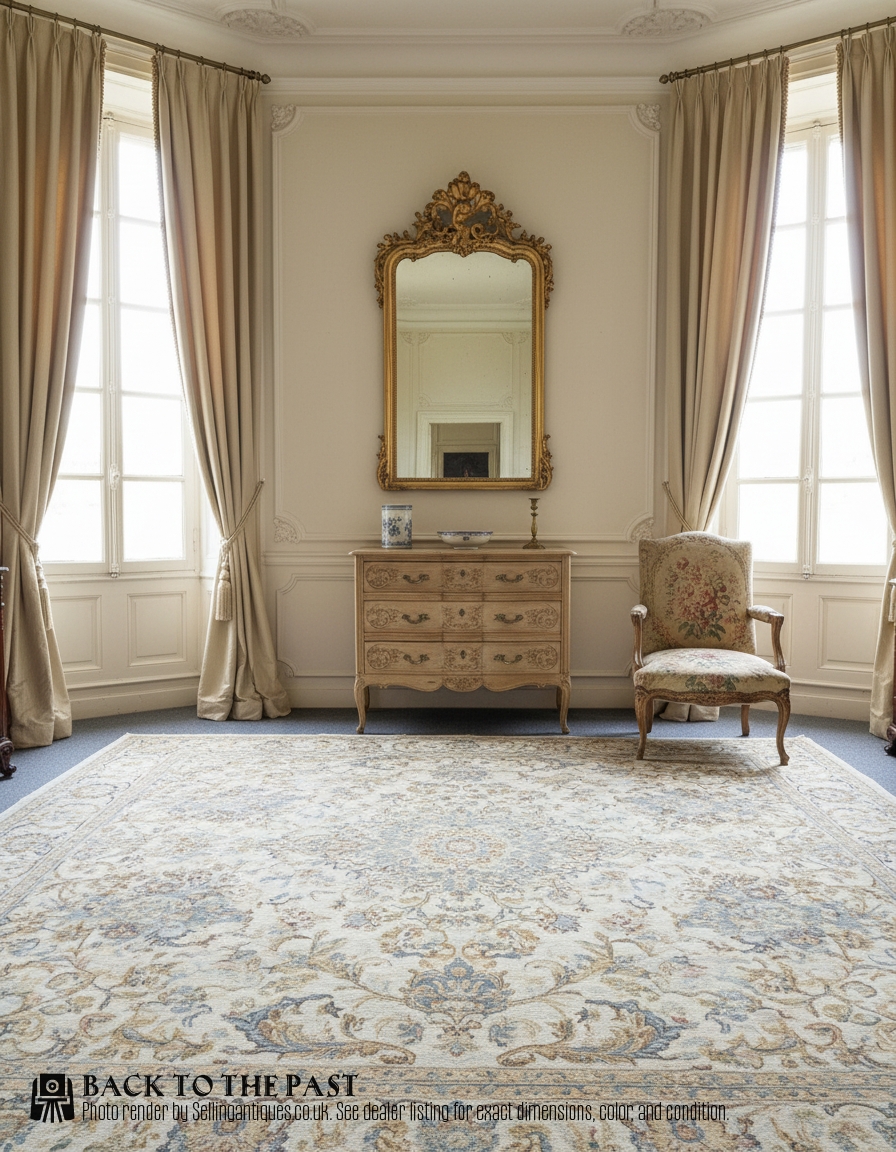
How They Were Made
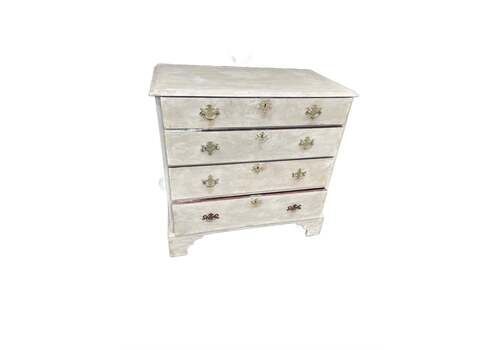
Cabinetmakers utilised solid regional timbers such as walnut, oak, cherrywood, and pine, often shaping the fronts into gentle serpentine curves or straight panels. Surfaces received finishes including painted decoration, gilt highlights, bleaching, or simple wax to preserve the grain.
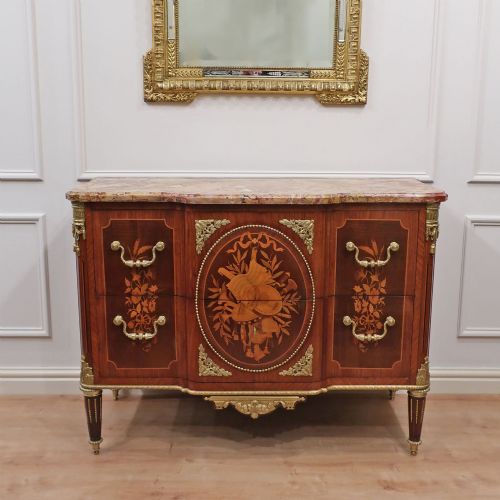
Hardware typically involved cast brass pulls and escutcheons, while certain high-status examples incorporated inset marble tops or intricate marquetry patterns. Joinery relied on traditional hand-cut techniques suited to provincial workshops.
French Country Chest Retail Price Guide 2026
Typical asking prices for french country chest among the pieces listed under this phrase on Sellingantiques today, from the lower quarter to the upper quarter. They describe what is for sale here now, not the wider market.
What Varies in Quality
Quality rests upon the selection of timber, the crispness of hand-carved details, and the preservation of original painted or waxed surfaces. Pieces displaying refined proportions and authentic period hardware command greater interest.
Structural integrity, including the smoothness of drawer operation and the originality of marble slabs or secondary timbers, distinguishes superior examples from heavily restored or later adaptations.
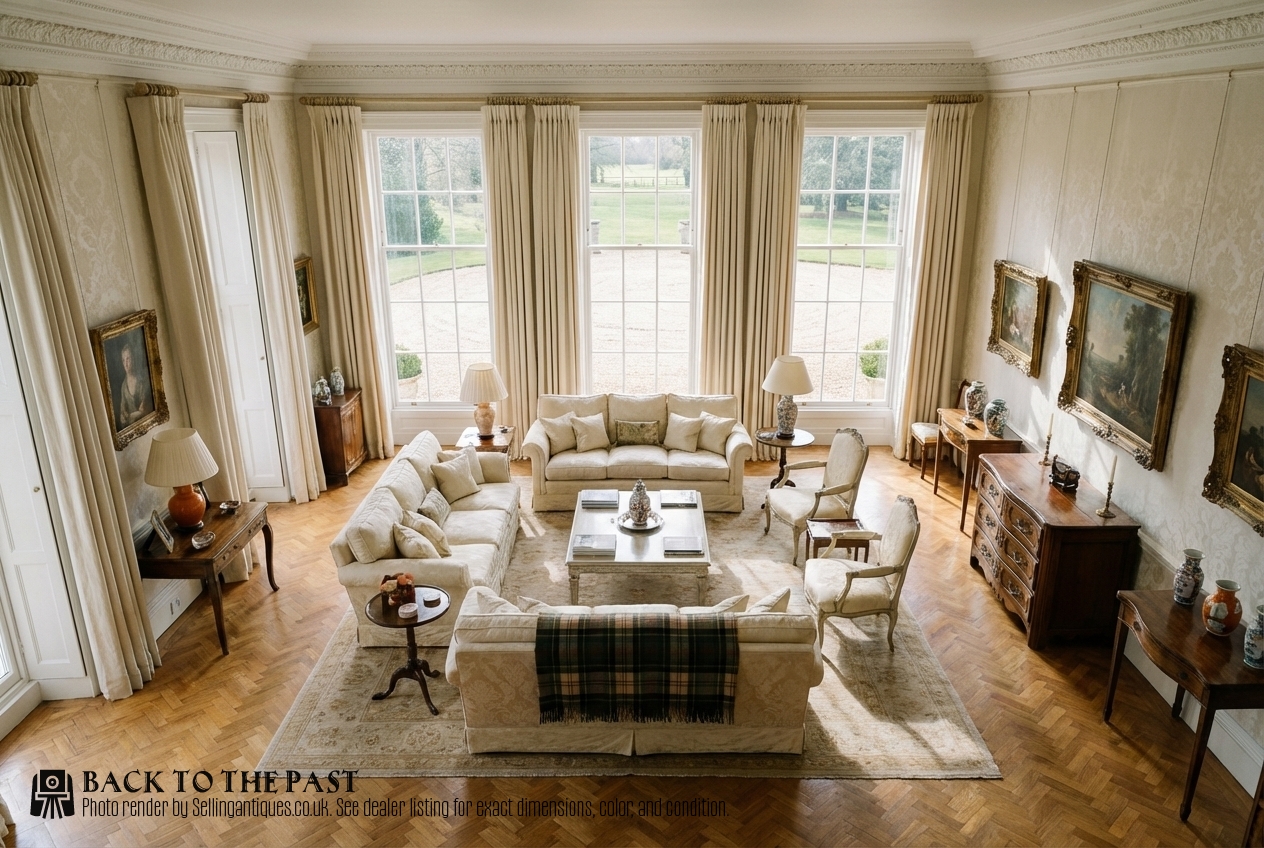
Edwards and Roberts
The French Country Chest Glossary
- Commode
- A French chest of drawers, often standing on relatively short legs and featuring multiple drawers for domestic storage.
- Dough Bin
- A provincial wooden storage container historically used for preparing bread dough, commonly fitted with a hinged lid and standing on a trestle or cabinet base.
- Serpentine
- A furniture front characterised by a wavy line with a convex centre flanked by concave curves, common in eighteenth-century designs.
- Marquetry
- The art of applying thin veneers of various wood types to a structural surface to create pictorial or geometric patterns.
- Ormolu
- Gilded bronze mounts and decorative details applied to furniture, frequently found on sophisticated pieces from the Louis periods.
French Country Chest: Frequently Asked Questions
What is a french country chest?
A french country chest is a traditional storage piece originating from provincial France, constructed from regional woods like walnut, cherry, or pine for domestic utility.
These items range from functional dough bins and blanket boxes to elegant commodes featuring serpentine fronts and marble tops.
Where were these pieces used?
Original owners utilised these chests in farmhouses, chateaux, and village homes across various regions of France for storing textiles, provisions, or household goods.
Today, buyers place them in bedrooms, hallways, and living rooms as functional focal points with historical character.
Are marble tops original?
Many nineteenth-century and eighteenth-century commodes featured fitted marble slabs to provide a durable, wipe-clean surface for daily tasks.
Assessing originality involves checking the fit against the wooden frame and observing the edge profile and thickness characteristic of the period.