
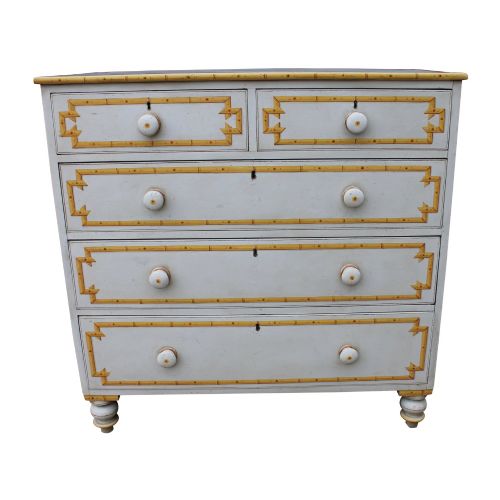
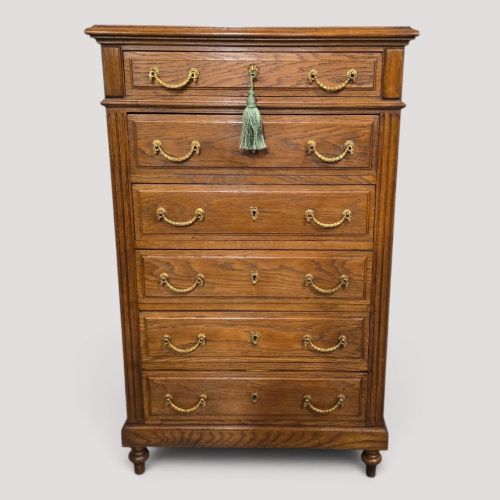
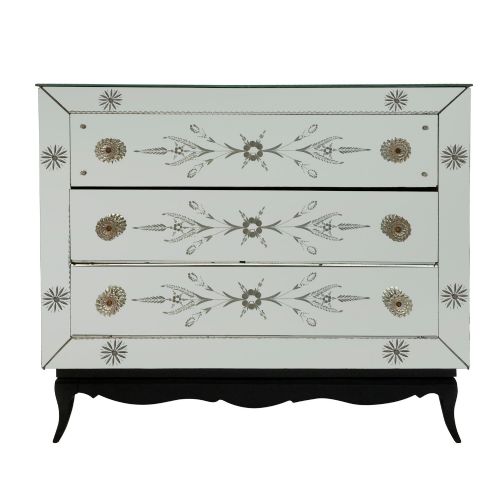
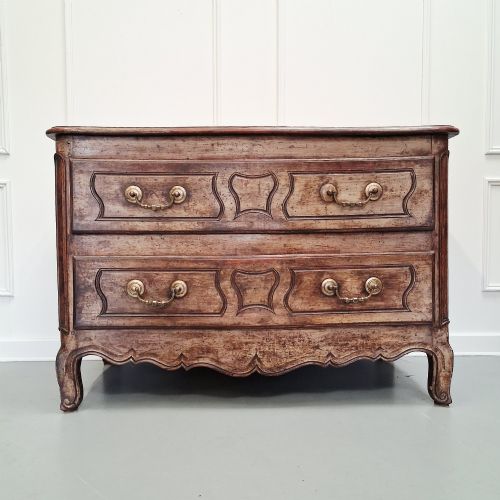
Vintage French Dresser
A vintage french dresser brings substantial storage and continental character to a room, ranging from robust provincial oak to refined walnut commodes.
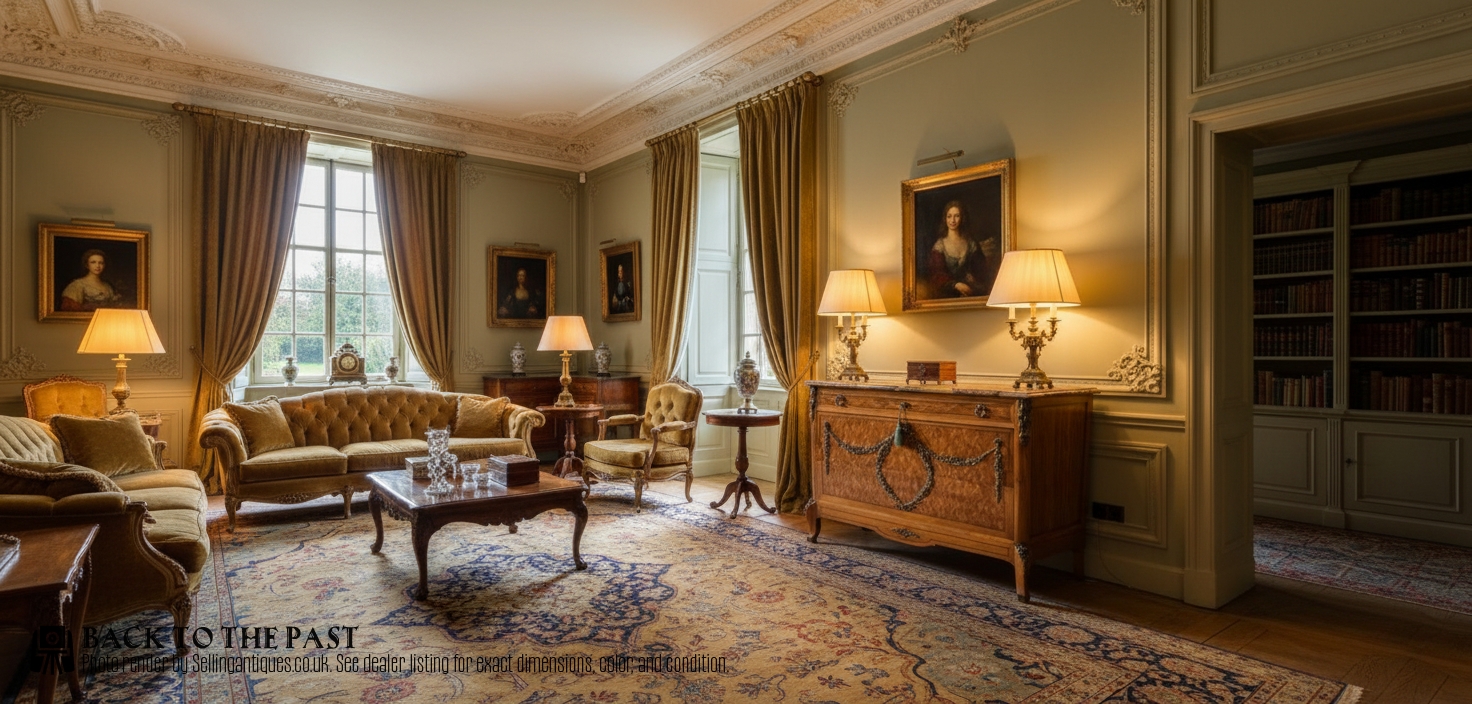
Vintage French Dresser
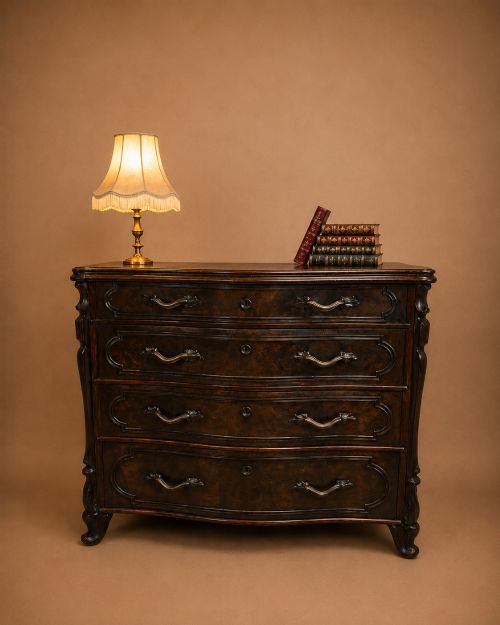
When searching for a vintage french dresser, buyers encounter a diverse selection of storage furniture spanning several centuries. The term encompasses practical kitchen cabinets, tall chests of drawers, marble-topped commodes, and glazed display bookcases.
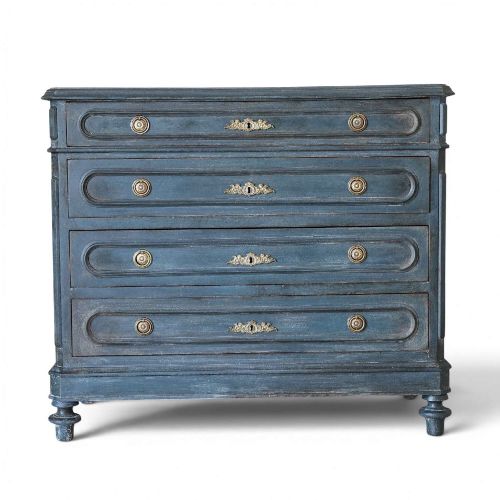
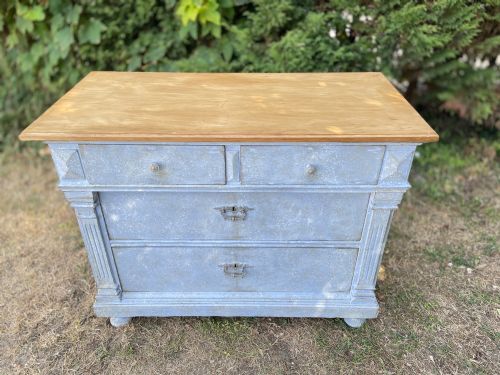
The pieces originating from France reflect distinct regional and stylistic periods, from eighteenth-century walnut commodes to later provincial pine cupboards and 1930s mirrored designs. Buyers most frequently meet chests of drawers and buffets originating from the nineteenth century.
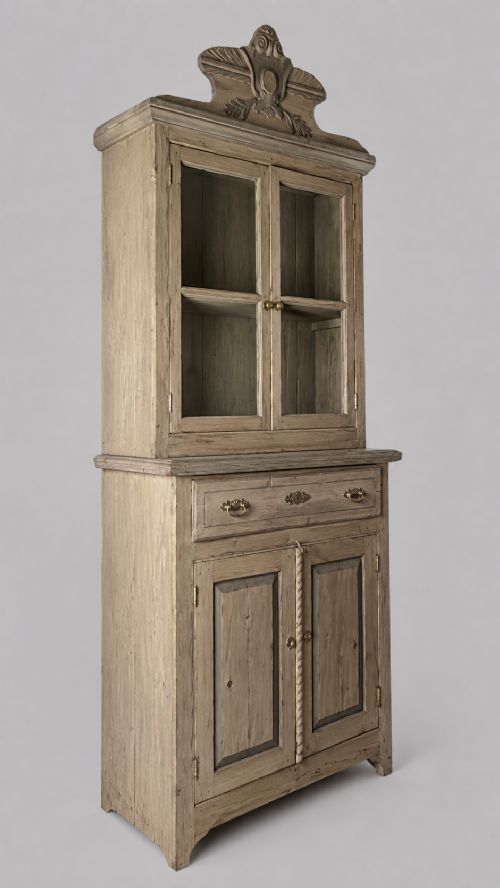
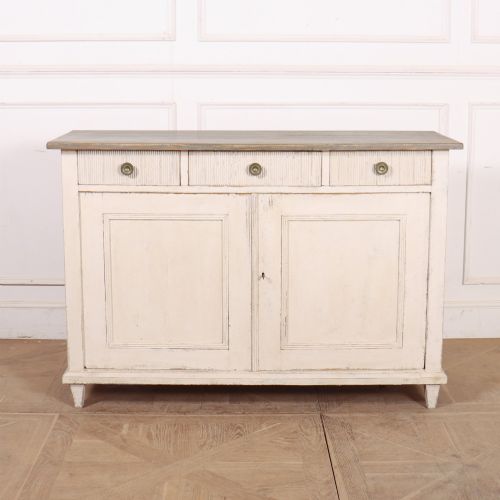
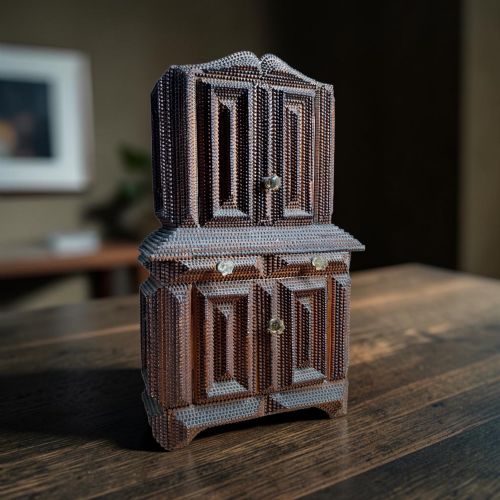
Beyond standard drawer units, the category includes specialist items such as glazed kitchen dressers, sideboards, and tramp art cabinets. Each piece serves a functional storage purpose while carrying distinct decorative elements tied to its specific period of manufacture.
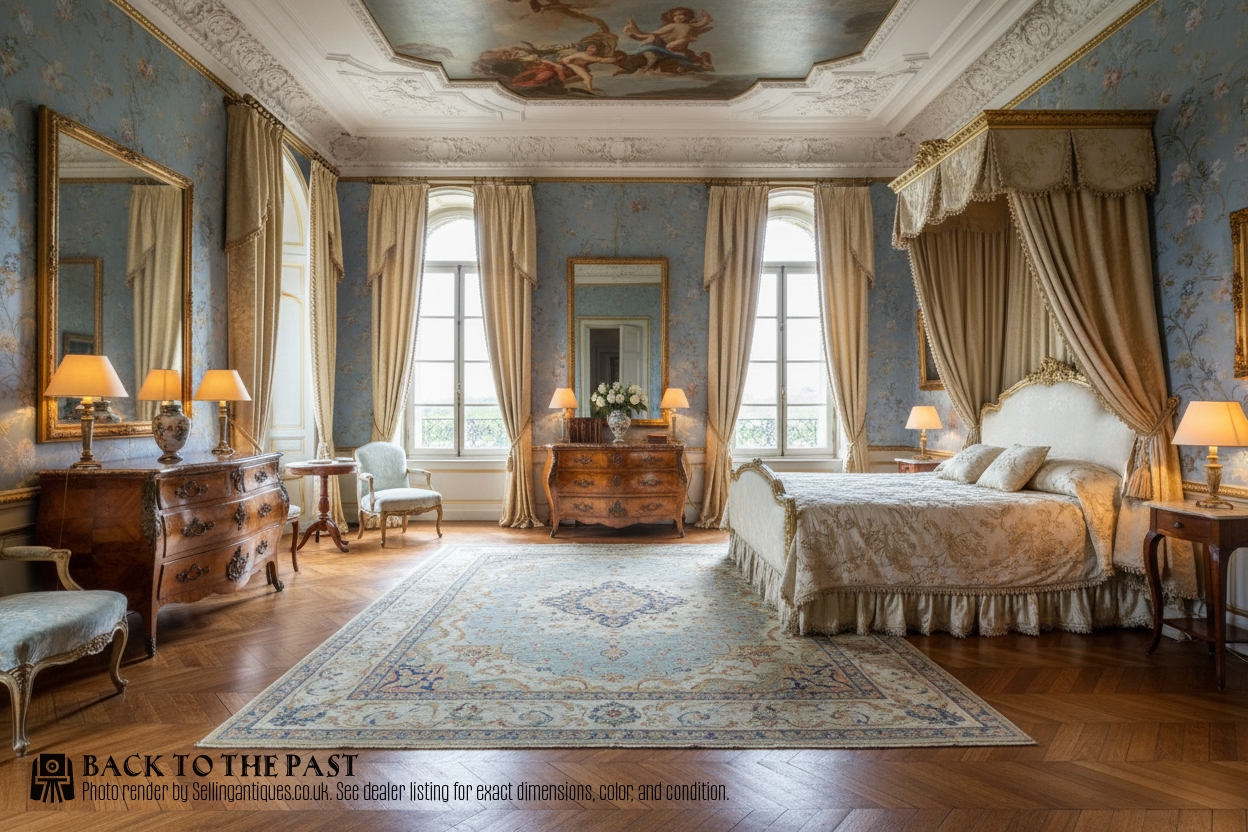
How they were made
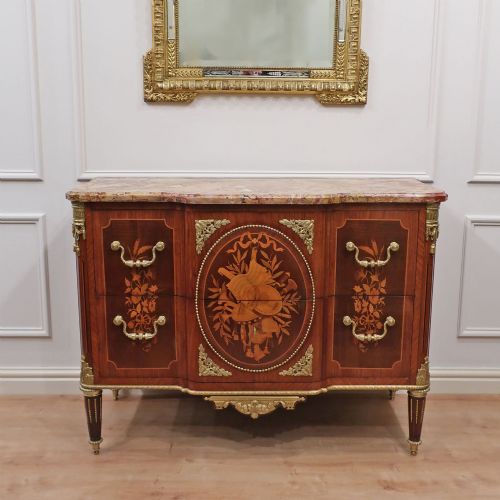
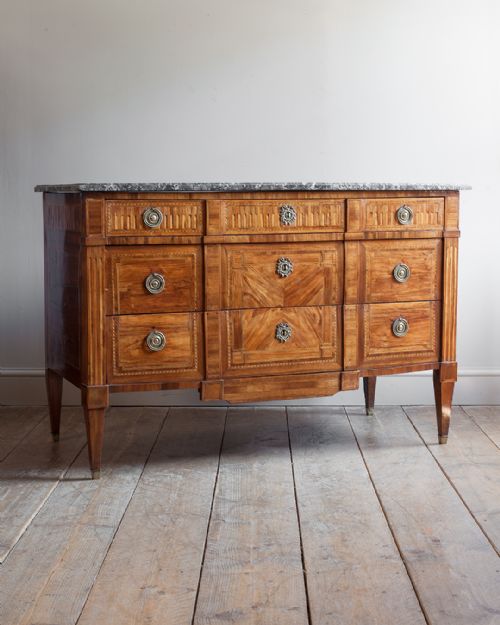
Cabinet makers utilised a variety of solid timbers including walnut, oak, mahogany, pine, and fruit wood, often applying intricate marquetry or kingwood veneers on finer pieces. Surfaces frequently feature painted finishes, waxed treatments, or decorative carving appropriate to the provincial or chateau origin.
Many heavy storage pieces incorporate heavy marble slabs fitted to the top surface, alongside brass mounts, handles, and glass panels for display sections. Construction techniques range from traditional joinery in eighteenth-century commodes to the distinct geometric layering found in tramp art cabinets.
Vintage French Dresser Retail Price Guide 2026
Typical asking prices for vintage french dresser among the pieces listed under this phrase on Sellingantiques today, from the lower quarter to the upper quarter. They describe what is for sale here now, not the wider market.
Listings feature periods spanning from the 18th century through to the 1930s, constructed in oak, walnut, pine, mahogany, and marble.
What varies in quality
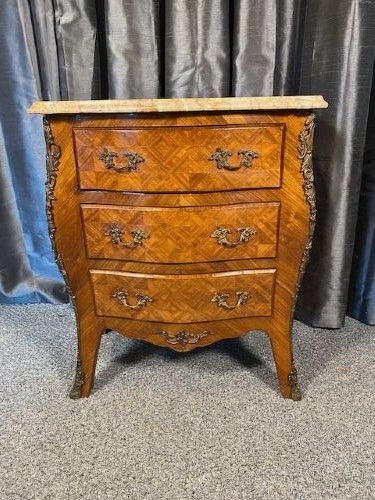
The distinction between standard utility furniture and superior examples lies in the selection of timbers, such as burr walnut or figured mahogany, and the precision of the cabinet work. Finer items exhibit sophisticated serpentine fronts, detailed marquetry, and original brass hardware.
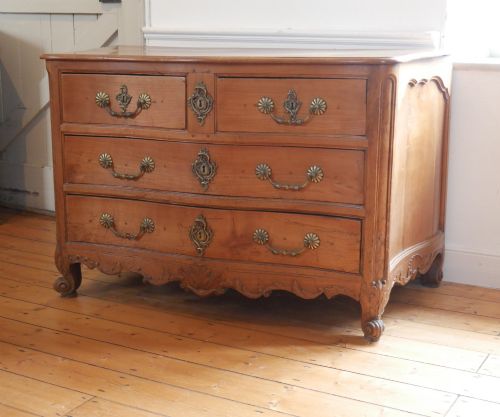
Provincial pieces vary from utilitarian pine housekeeping cupboards to elaborately carved chateau sideboards, where the depth of the hand-carving and the integration of marble tops determine the standing of the piece within the range.
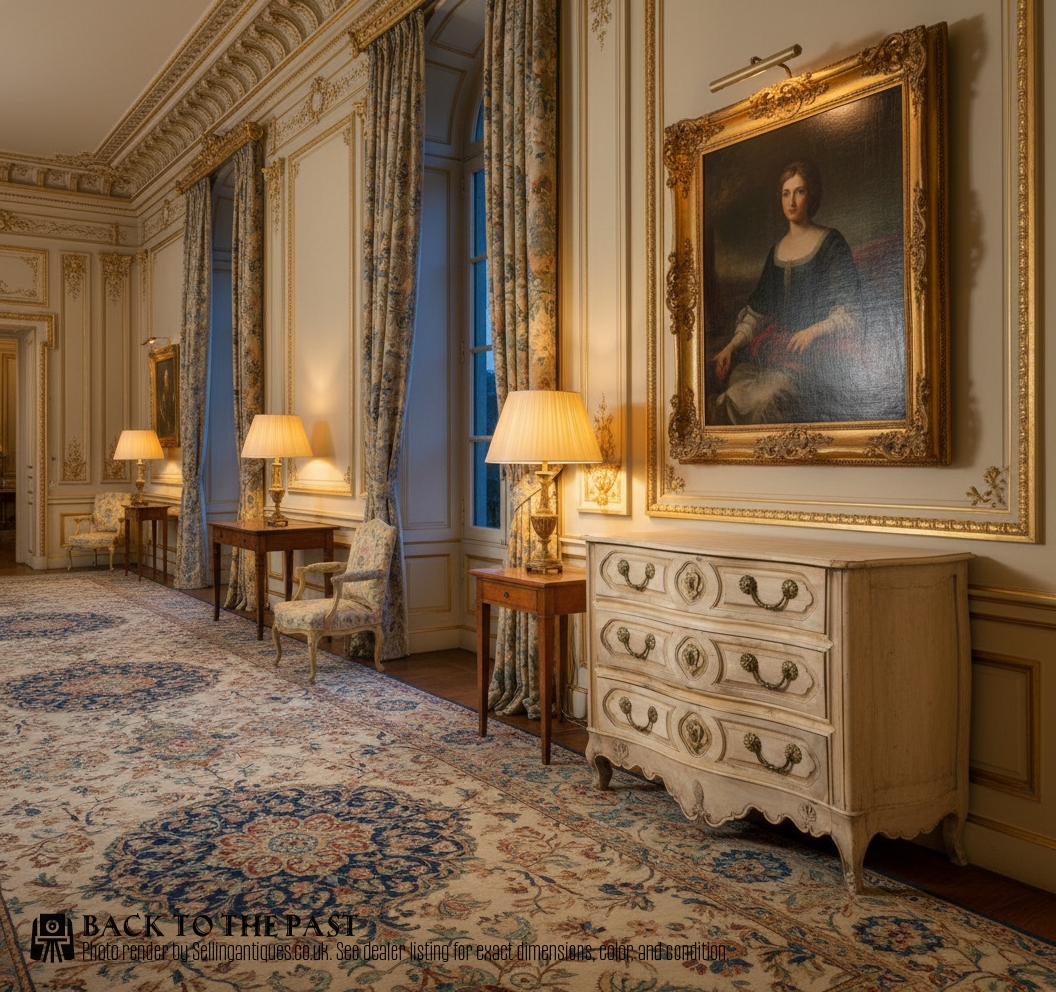
Edwards and Roberts·Rene Lalique
The Vintage French Dresser Glossary
- Commode
- A low chest of drawers or cabinet originating in France, frequently fitted with a marble top. These pieces serve as decorative storage units in living spaces and bedrooms.
- Marquetry
- Decorative veneer work arranged in geometric or pictorial patterns using various coloured woods. Master craftsmen applied this technique to the drawer fronts of fine commodes.
- Serpentine
- A furniture front curving outward at the centre and inward at the sides in a gentle 'S' shape. This profile requires advanced woodworking skill to execute properly.
- Faux Bamboo
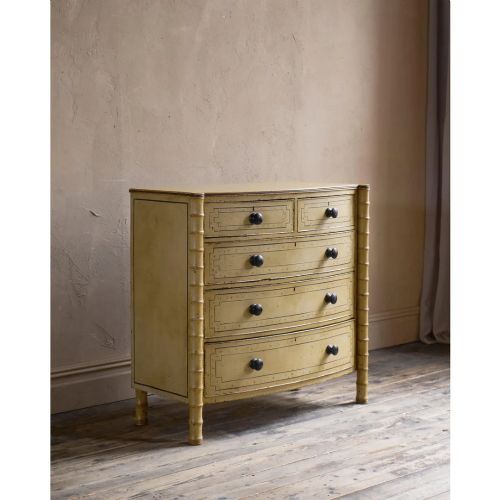
- A decorative technique where solid wood is carved or turned to imitate natural bamboo stalks. It appears frequently on nineteenth-century European bedroom furniture.
- Bombe
- A swelling, outward-curving chest profile associated with eighteenth-century and later revival furniture. The undulating sides require precise shaping of the timber.
Vintage French Dresser: Frequently Asked Questions
How do I identify an 18th century commode?
Eighteenth-century commodes typically feature hand-cut dovetail joints, native timbers like walnut or kingwood, and traditional hand-forged hardware. The proportions are often more robust and organic compared to later mass-produced alternatives.
Examination of the interior drawer linings and backboards reveals tool marks consistent with period craftsmanship rather than modern mechanical production.
Where were kitchen dressers used?
French kitchen dressers and glazed cupboards were utilised in domestic quarters for storing earthenware, glassware, and daily provisions. The upper glazed sections allowed for both display and protection of household items.
Lower cabinet spaces provided heavy storage for cookware and linens, keeping the main kitchen areas organised and functional.
Are marble tops original to these cabinets?
Many nineteenth-century French commodes and oak cabinets were manufactured specifically to house heavy marble slabs on top. These stone surfaces provided durable, heat-resistant workspaces for daily domestic tasks.
Matching the edge profile and the fit to the timber base helps confirm whether the stone slab belongs to the specific piece of furniture.
What is the difference between provincial and chateau furniture?
Provincial pieces originate from regional workshops outside Paris, favouring local timbers like pine, fruit wood, and oak with simpler utilitarian forms. Chateau furniture reflects grander metropolitan styles including intricate marquetry, exotic veneers, and refined brass mounts.
Both categories provide distinct insights into French social history and domestic life across different centuries.