
Eighteenth Century Drawers
Eighteenth century drawers are solid timber storage pieces built for domestic use, prized for their proportion and figured wood.

What eighteenth century drawers are
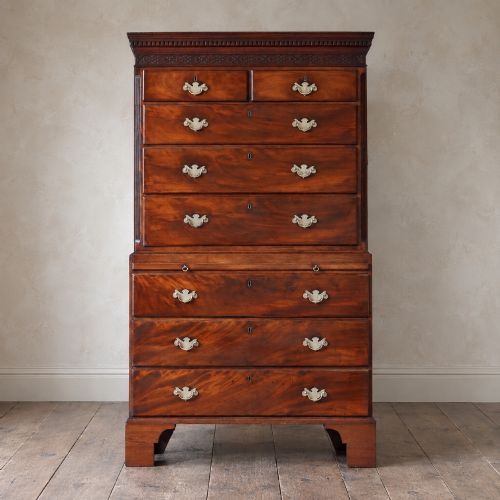
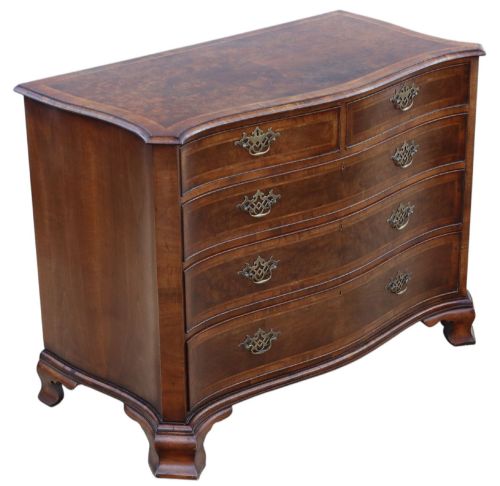
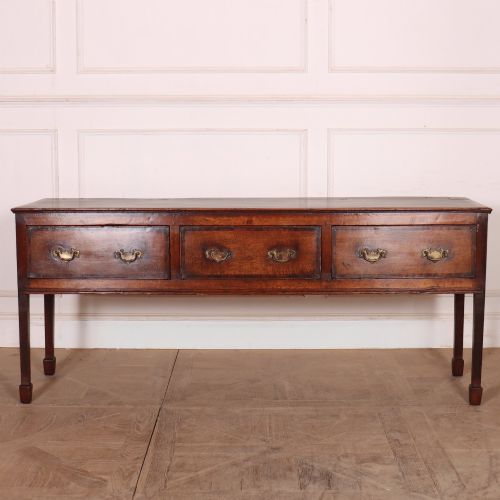
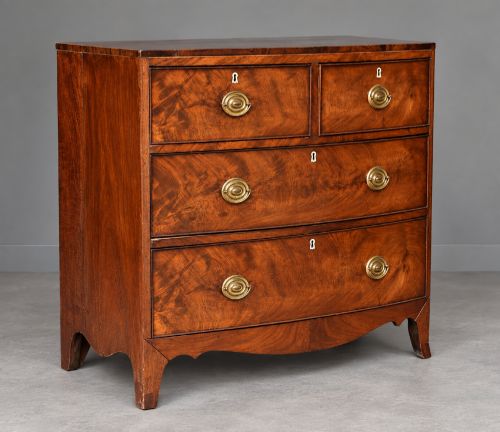
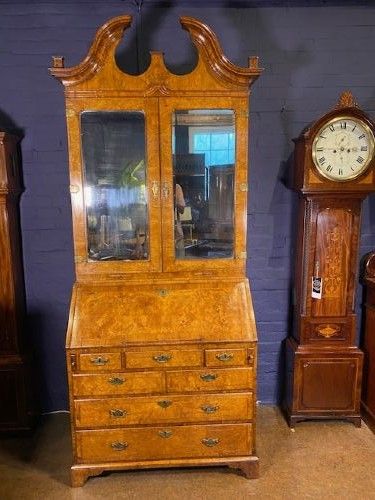
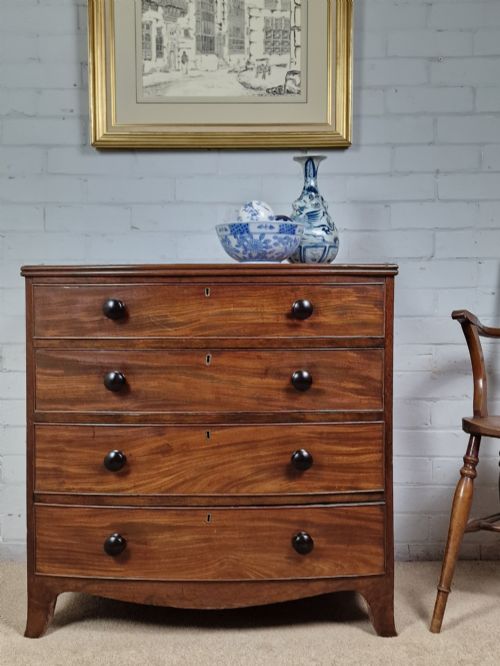
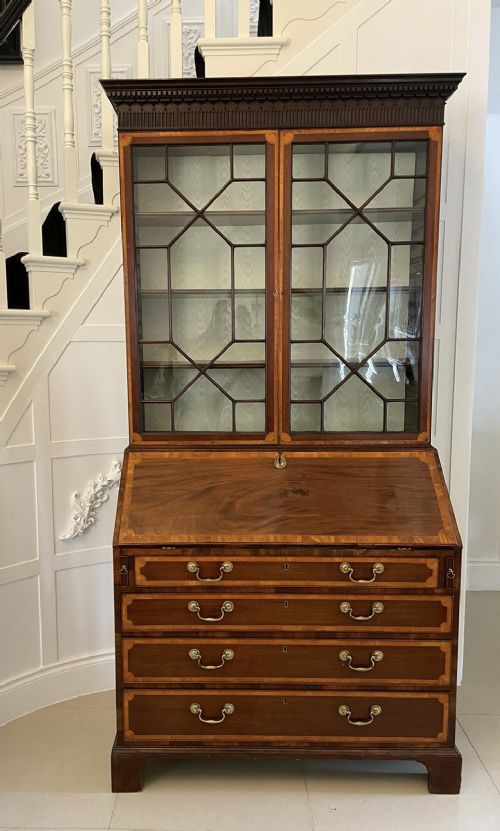
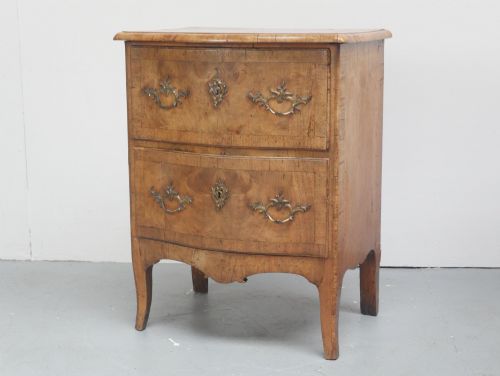
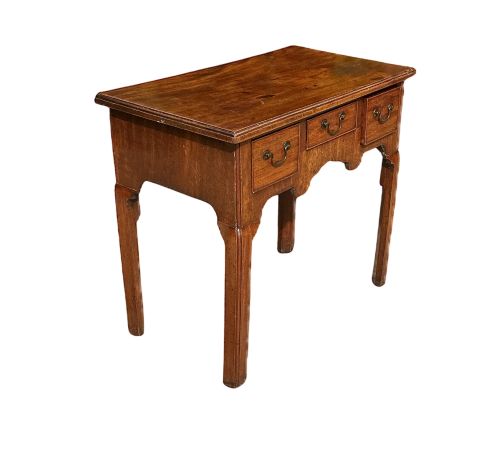
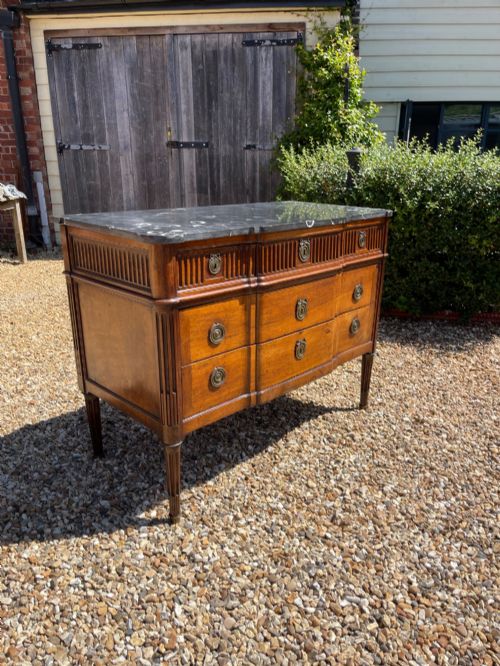
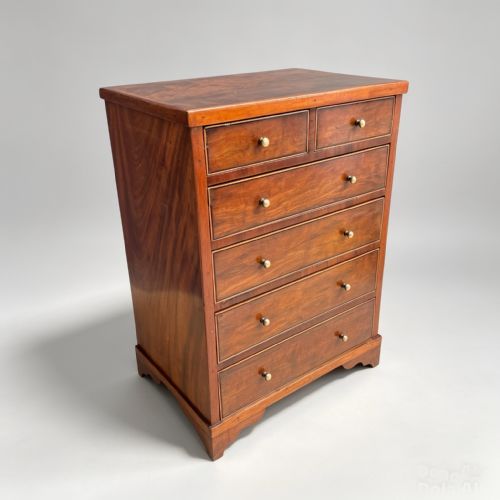
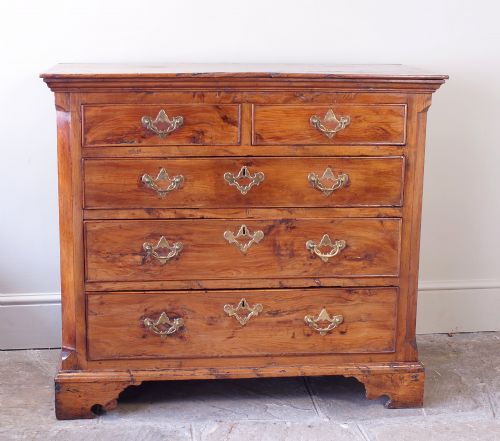
Eighteenth century drawers appear primarily as chests of drawers, offering deep storage through stacked compartments within rectangular or shaped carcases. The form ranges from upright models to compact country commodes and serpentine or bowfront designs.
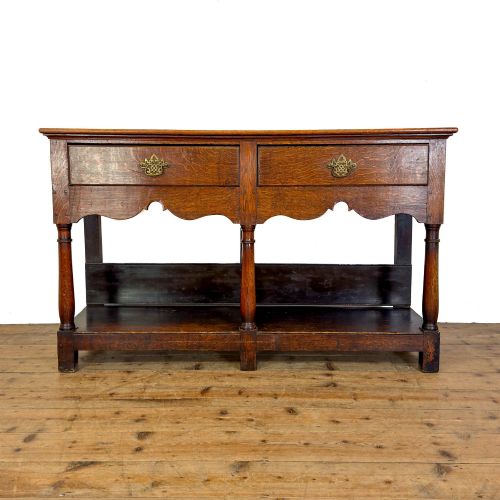
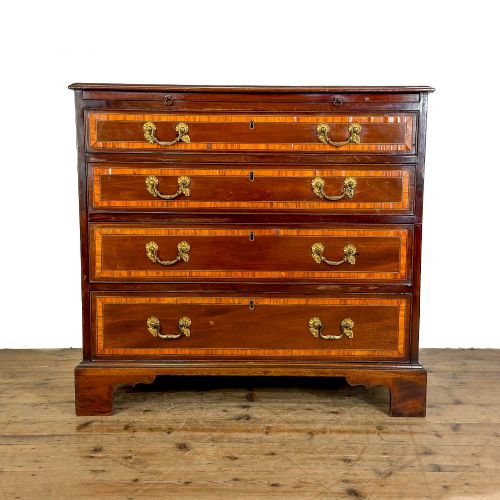
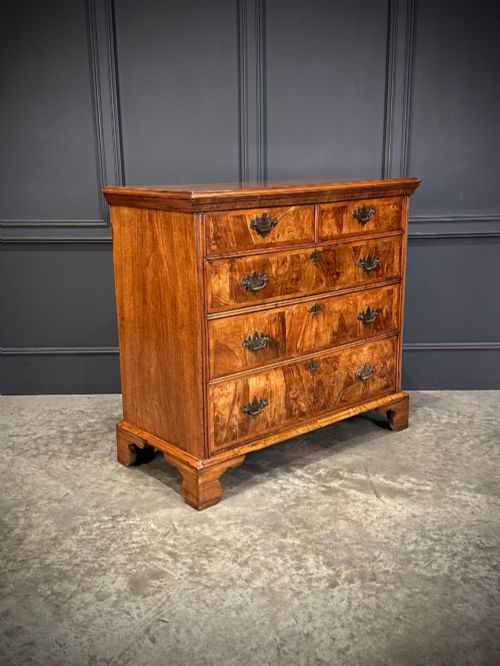
The materials recorded in these pieces include oak, walnut, and mahogany, frequently enhanced by crossbanding or marquetry work. Oak provides sturdy internal structure while walnut and mahogany form the polished exterior surfaces.
How they were made
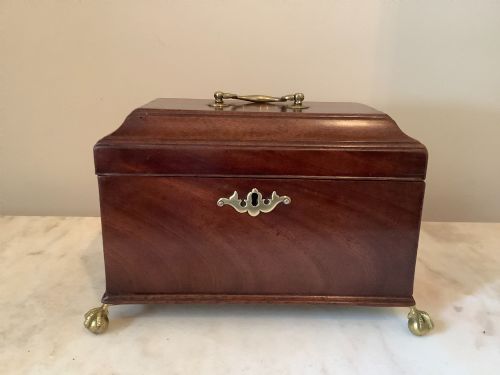
Cabinet makers constructed these carcases using dense native and imported timbers, applying mahogany, walnut, and oak across different parts of the furniture. Brass handles and escutcheons secure the drawer fronts and provide operational hardware.
Surfaces receive decorative treatment through line inlay, crossbanding, and figured wood grain selection, creating distinct visual patterns across the drawer faces.
Retail Price Guide 2026
Typical UK retail prices for eighteenth century drawers, calculated from the Sellingantiques database of over a million retail prices indexed since 2003. This retail price guide relies exclusively on Sellingantiques data; no external sources or auction records are used, so the figures do not describe the wider market.
Brushing slides let eighteenth-century users inspect their waistcoats without spilling powder on the carpets.
What varies in quality
Quality rests in the choice of timber veneer, such as highly figured walnut or mahogany crossbanding, which elevates the visual presence of the carcase. The sharpness of the line inlay and the structural integrity of the timber mouldings determine the refinement of each piece.
Form dictates distinction, separating straightforward country pieces in oak from elaborate serpentine, bombe, or bowfront layouts that demand advanced cabinet making skill.
The Eighteenth Century Drawers Glossary
- Bowfront
- A convex curved front cabinet form. This shape softens the corners of the chest and appears frequently in later Georgian designs.
- Serpentine
- A front profile curving outward at the ends and inward in the centre. This undulating shape requires precise carpentry to execute cleanly across multiple drawers.
- Crossbanding
- A border of veneer laid with the grain running perpendicular to the surrounding wood. It frames the drawer fronts and highlights the primary timber.
- Brushing slide
- A pull-out shelf integrated above the top drawer. It provides a temporary surface for writing or folding garments.
Frequently Asked Questions
What woods were used?
Makers built these pieces using mahogany, walnut, and oak. Elm also appears in combination with oak on regional carcases.
Finer decorative surfaces utilise figured walnut veneer alongside mahogany crossbanding and delicate line inlay.
How do I spot a commode?
A commode typically refers to a low decorative chest of drawers with French provincial or Dutch influences. These often feature shaped bombe fronts and rich walnut marquetry.
Standard chests of drawers maintain simpler rectangular or bowfront proportions suited for general bedroom storage.
Where does the brushing slide go?
The brushing slide sits directly beneath the top surface and above the uppermost drawer. It pulls out smoothly to offer a convenient small ledge.
This feature appears on mahogany chests designed for dressing rooms and private chambers.