

French Country Cabinet
These pieces of french country cabinet design bring rustic regional craftsmanship and practical storage straight from continental farmhouses into modern rooms.
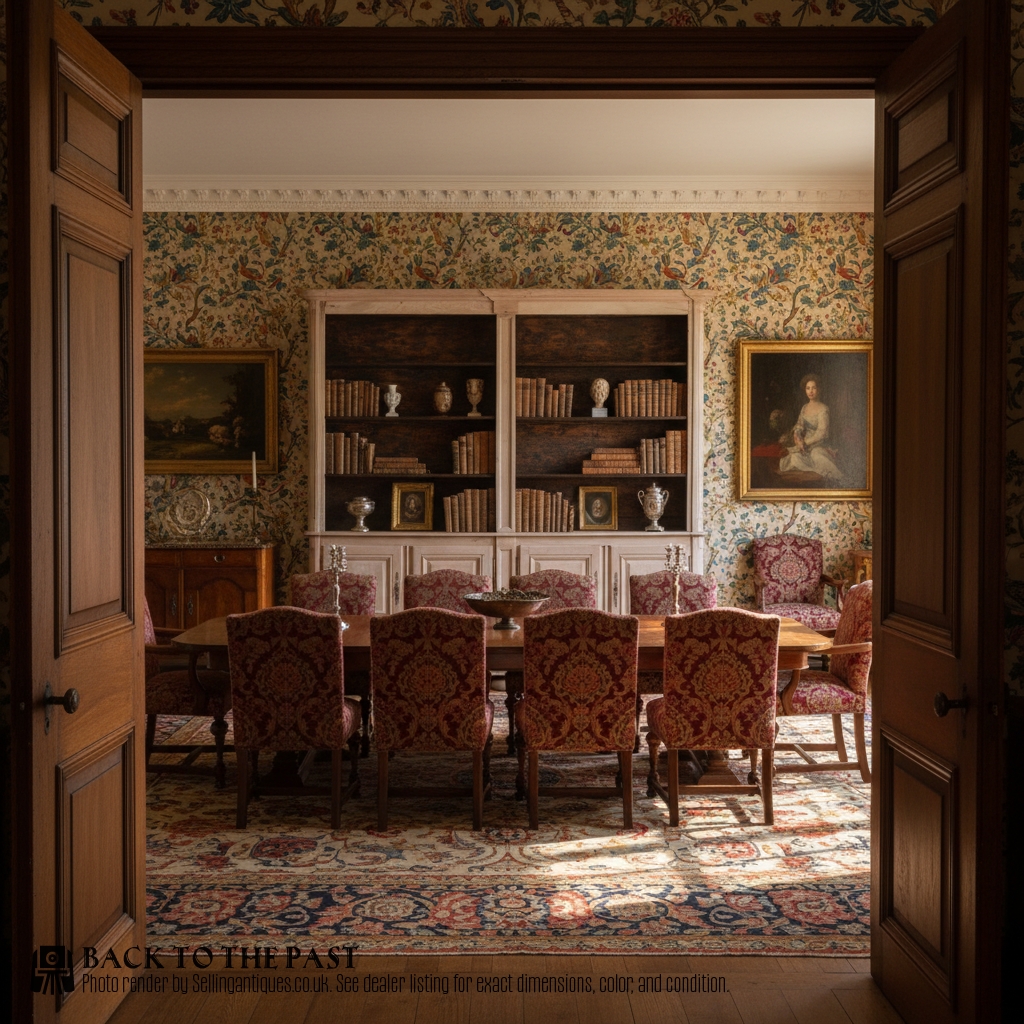
French Country Cabinet
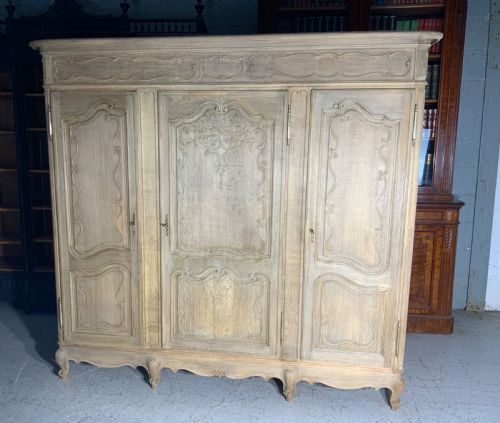
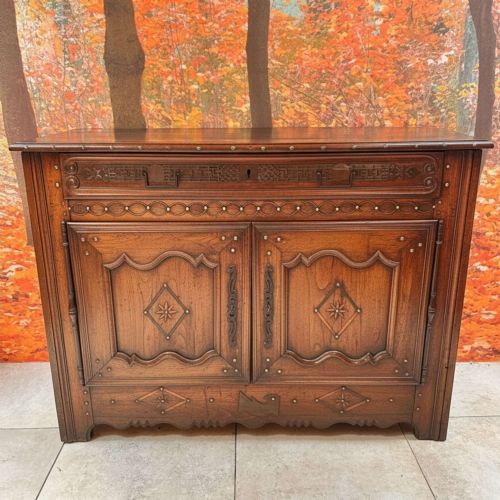
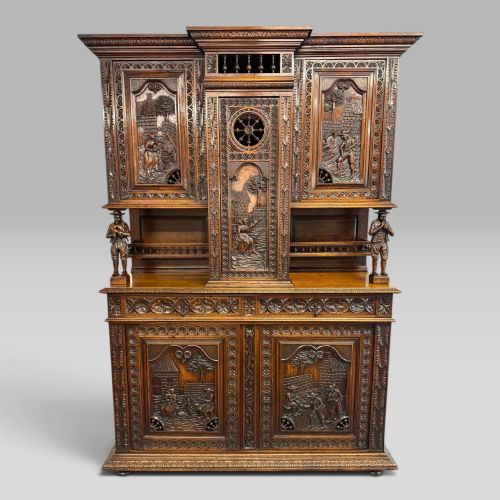
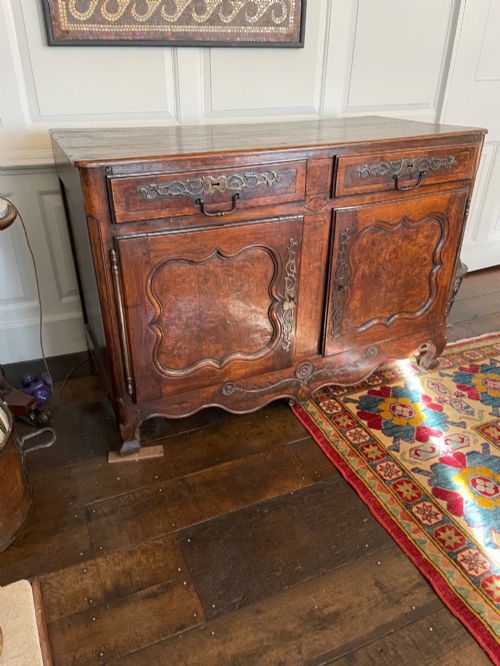
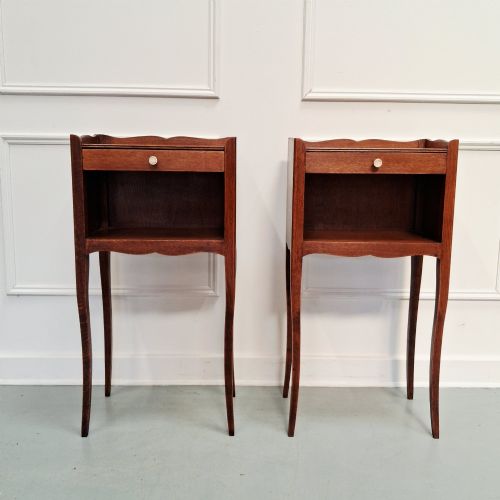
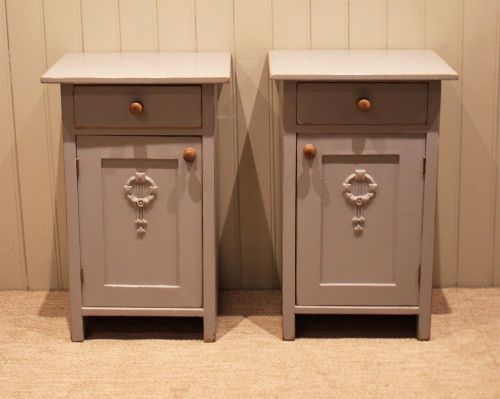
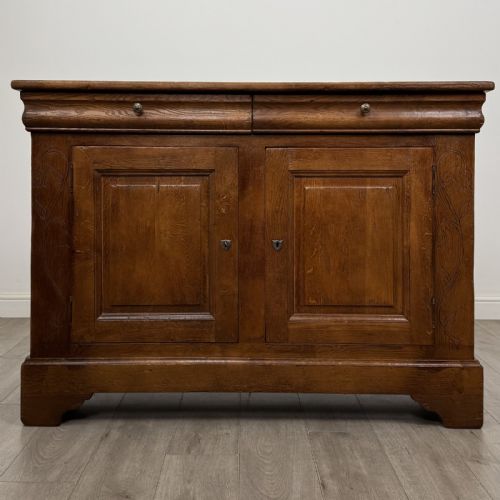
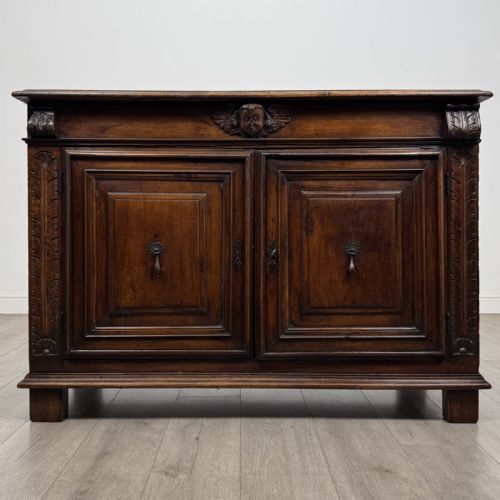
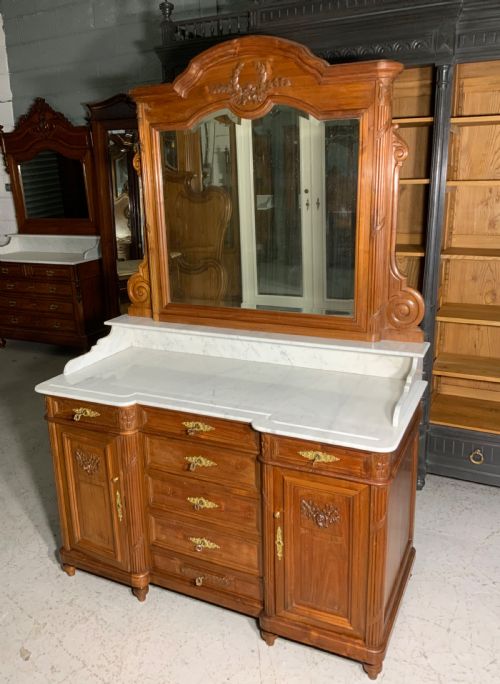
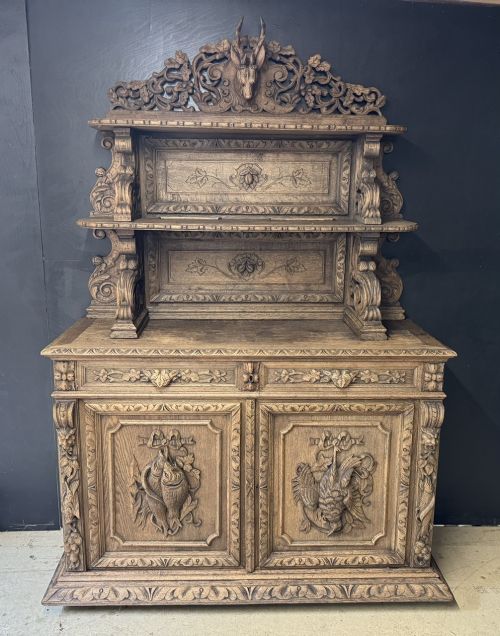
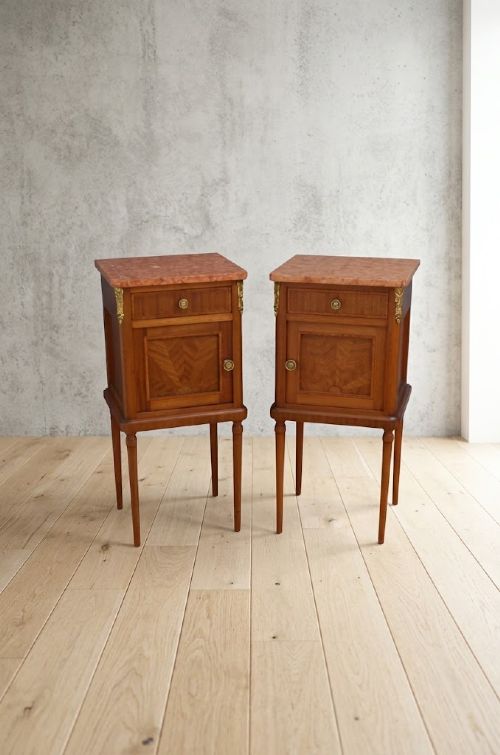
A french country cabinet groups together substantial storage furniture originating from provincial regions, built primarily to serve domestic needs in rural homes. The selections available here range from small bedside tables and confectioners' cupboards to large oak enfilades and two-part buffets.
Makers in the provinces fashioned these works from regional timbers, producing forms such as dough bins, bread cages, and housekeeper cupboards. The inventory spans pieces originating from the eighteenth and nineteenth centuries, alongside early twentieth-century interpretations.
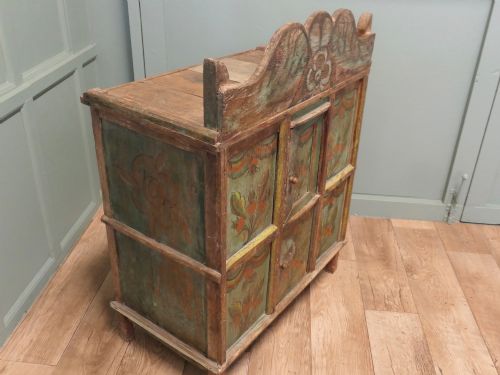
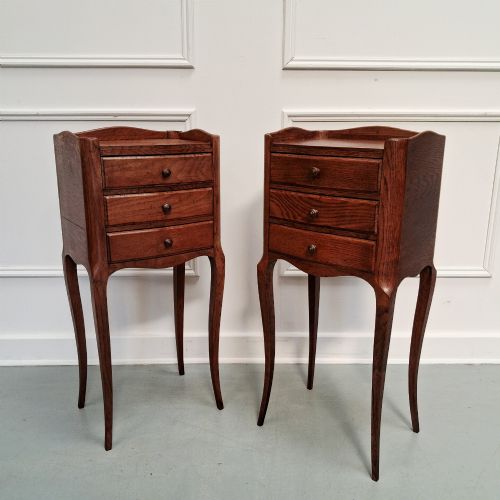
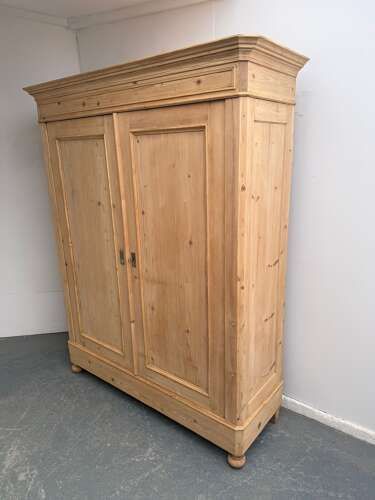
Buyers will encounter distinct regional variations, including painted pine pieces, cherry wood bedside cabinets, and heavy oak armoires. Each form reflects the specific domestic traditions of French provincial life.
How They Were Made
Joiners relied heavily on solid regional timbers, constructing frames in oak, pine, cherry wood, and fruitwood, occasionally incorporating walnut, ash, and elm. These woods were chosen for local availability and durability, often showing visible grain and natural knots.
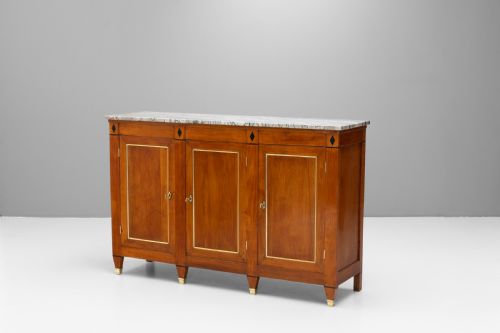
Surface treatments varied from waxed finishes that exposed the bare timber to painted surfaces, sometimes applied later or refreshed over time. Metal fittings in iron and brass provided hinges and locks, while specific items integrated marble tops or original pewter cisterns.
French Country Cabinet Retail Price Guide 2026
Typical asking prices for french country cabinet among the pieces listed under this phrase on Sellingantiques today, from the lower quarter to the upper quarter. They describe what is for sale here now, not the wider market.
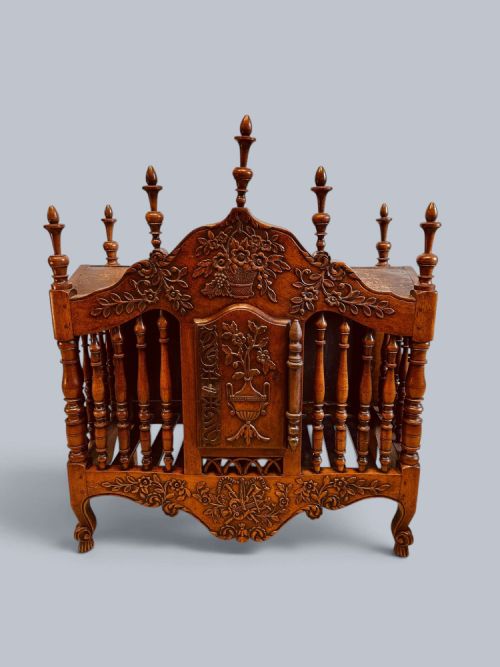
Several items include dedicated bread cages and jam cupboards designed specifically to keep farmhouse provisions safe from mice.
What Varies in Quality
The degree of refinement in provincial carving and timber selection dictates the distinction between standard utility items and finer commissions. Denser hardwoods like oak and cherry generally indicate sturdier construction than softer pine alternatives.
The survival of original hardware, distinct patination on the wood, and untouched painted finishes contribute significantly to the standing of a piece. Retaining structural integrity across heavy doors and large panelled bodies remains central to the integrity of each item.
Camille and Vence
The French Country Cabinet Glossary
- Enfilade
- A long sideboard or buffet featuring a sequence of doors, typically three, designed for dining rooms and large kitchens. These low storage units provide extensive top surfaces and internal shelving.
- Confiturier
- A small cupboard traditionally utilised to store confit jars and preserves in French provincial kitchens. They often stand on slender legs with a single door and drawer.
- Buffet à deux corps
- A tall two-part cupboard comprising a smaller upper cabinet set upon a deeper, wider lower base. This substantial storage form often displays architectural mouldings and heavy panelled doors.
- Panetiere
- A traditional wall-mounted or freestanding bread cage constructed with turned spindles to allow air circulation around loaves. These items originate from southern French provincial traditions.
- Commode
- A low chest of drawers or cabinet designed for domestic chambers. In French provincial furniture, these often feature curved aprons and mounted brass handles.
French Country Cabinet: Frequently Asked Questions
What rooms suit these cabinets?
Provincial storage pieces adapt well to kitchens, dining spaces, and bedrooms, offering practical shelving and surface area. Their rustic proportions bring practical utility to modern living environments.
Larger enfilades and dressers function as sideboards or display units, while smaller bedside cabinets fit easily into compact spaces.
How do I care for antique wood?
Maintain waxed timber surfaces by applying a traditional beeswax polish sparingly to nourish the grain and protect against drying out. Avoid placing antique wood in direct sunlight or near heat sources.
Painted or marble-topped variants require simple dusting with a soft cloth and immediate wiping of moisture to preserve the original finish.
How are different periods identified?
Eighteenth-century examples typically display hand-cut joinery, pegged joints, and heavy regional timbers like chestnut or fruitwood. Nineteenth-century pieces often incorporate machine-sawn elements alongside traditional hand-finishing.
Stylistic markers, such as Louis Philippe curves or provincial revival details, help narrow down the decade of manufacture.
Are the finishes original?
Many provincial items have undergone surface updates, including waxing or repainting over centuries of domestic use. Inspecting the timber underneath reveals whether paint layers or patinated wax surfaces developed organically.
Original hardware and unpainted interior timber provide reliable indicators of how a piece has survived over time.