






Antique French Bibliotheque
An antique French bibliotheque gives a room architectural presence and immense storage, holding leather-bound volumes behind glazed doors.
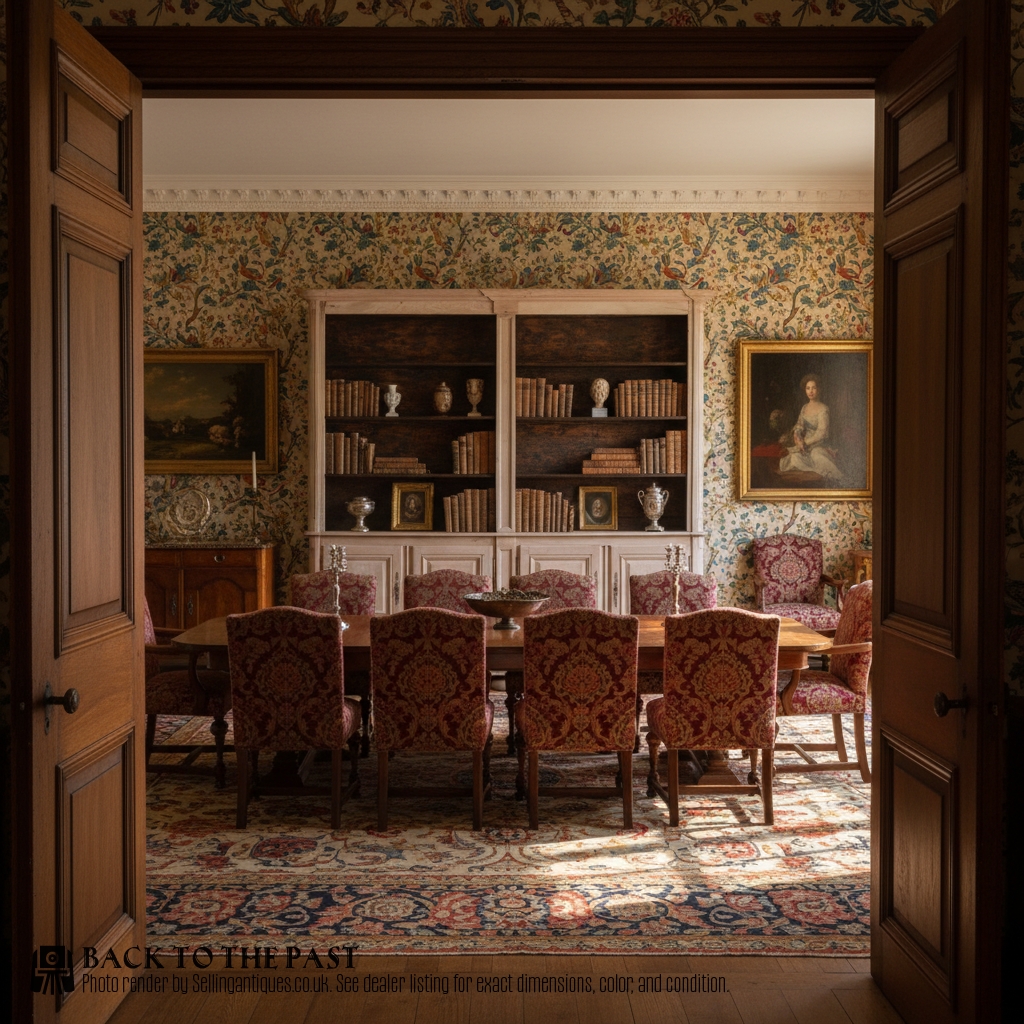
Antique French Bibliotheque
An antique French bibliotheque is a grand display bookcase designed to house extensive private libraries, appearing in forms from eighteenth-century provincial pieces to late nineteenth-century masterworks. The pieces recorded here span the eighteenth and nineteenth centuries, including specific years such as eighteen-eighty and eighteen-ninety.
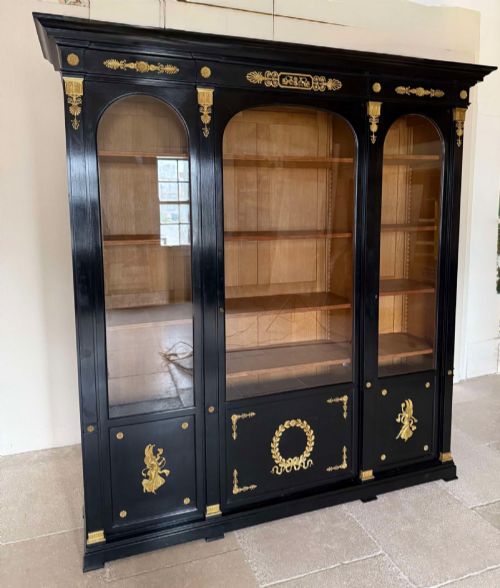
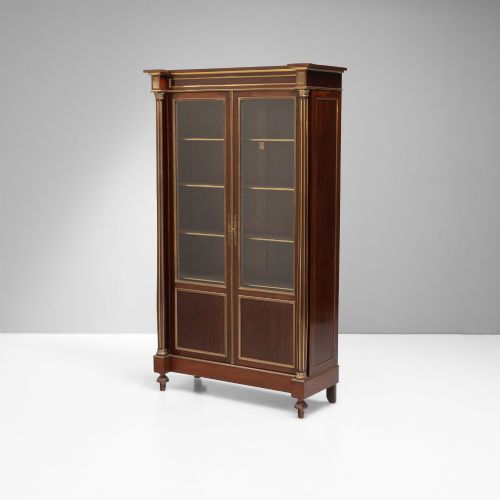
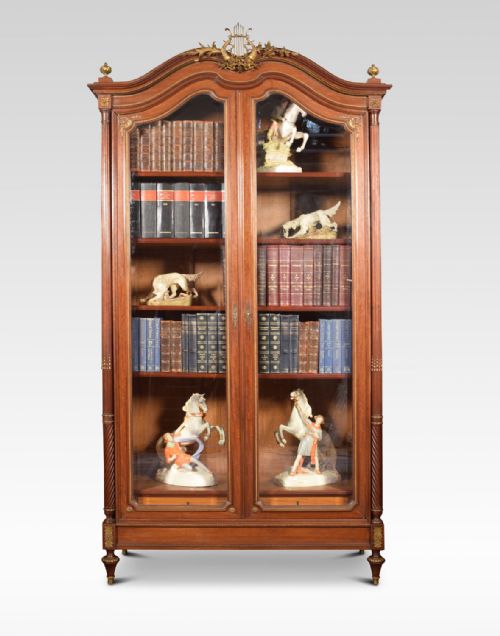
The dominant form is the tall bookcase or cabinet, often featuring glazed doors to protect the volumes within. Surviving examples range from French provincial designs to French Empire and French Rococo Revival styles.
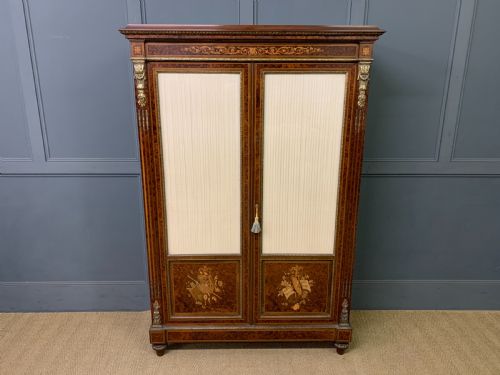
Makers and cabinetmakers utilised varied timber selections, producing everything from walnut and bleached oak to inlaid mahogany and amboyna. The search phrase covers these large storage furniture items, which serve as central focal points in studies and libraries.
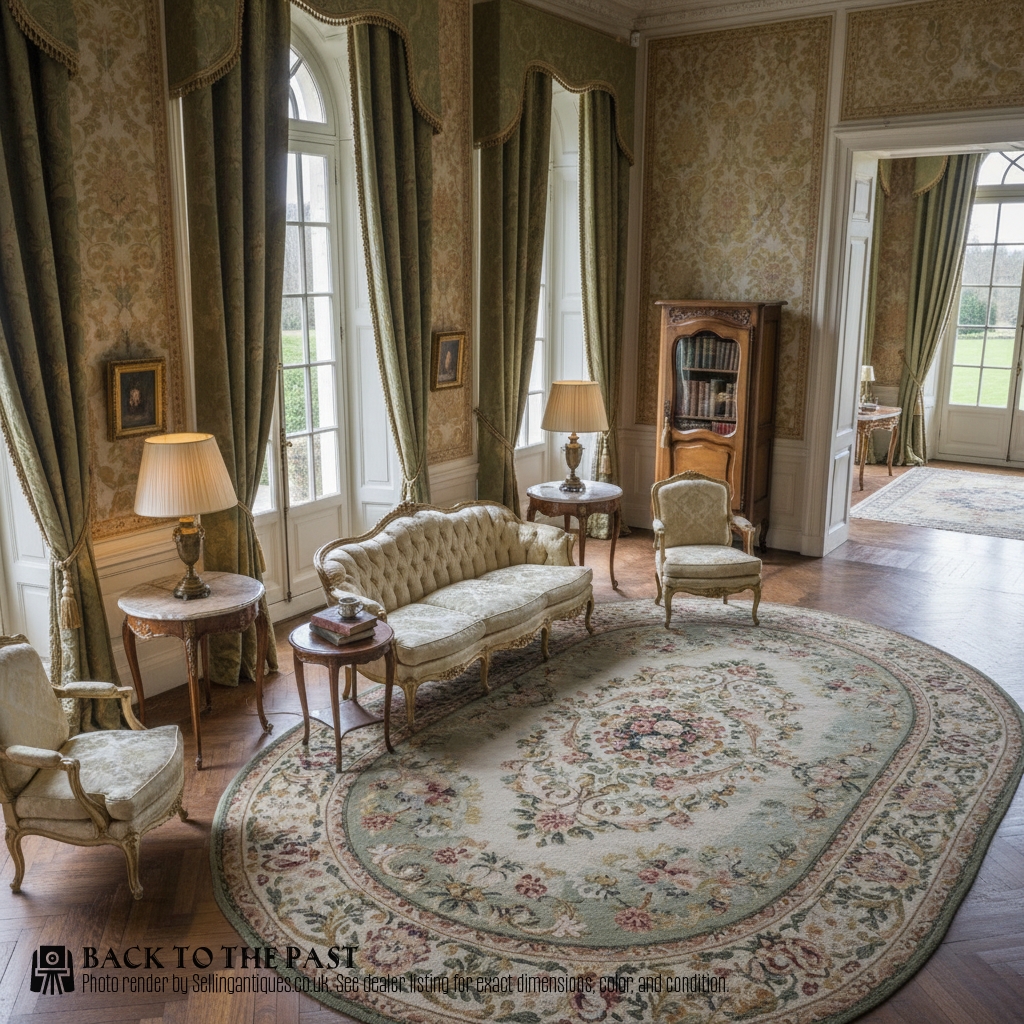
How they were made
Cabinetmakers constructed these large bookcases using dense hardwoods such as walnut, mahogany, and oak, often applying decorative veneers like amboyna and plum pudding mahogany to the primary surfaces. Inlaid details added visual complexity to the timber facades.
Glazing framed the large doors, allowing books to be viewed while kept safe from dust and handling. Metal elements including brass and ormolu mounts provided structural accents and decorative borders around the doors and cornices.
Antique French Bibliotheque Retail Price Guide 2026
Typical asking prices for french bibliotheque among the pieces listed under this phrase on Sellingantiques today, from the lower quarter to the upper quarter. They describe what is for sale here now, not the wider market.
Listings feature pieces spanning the eighteenth century and the nineteenth century, including specific dates from eighteen-eighty to eighteen-ninety.
What separates the fine from the ordinary
Quality rests in the selection of timbers, where figured grains such as plum pudding mahogany or amboyna elevate a piece above standard walnut or oak. The precision of the inlay work and the richness of the wood preparation define the upper tier of cabinetmaking.
The integration of metalwork distinguishes superior examples, particularly where chased ormolu mounts and brass details are fitted to the carcass. Heavier proportions and taller heights, as seen in very tall variants, demand exceptional internal framing to support the massive timber doors.
The Antique French Bibliotheque Glossary
- Bibliotheque
- A large freestanding cabinet or bookcase specifically designed for storing and displaying books. These pieces usually feature glazed doors and substantial proportions.
- Ormolu
- Gilded bronze mounts applied to furniture for decorative effect. This technique was widely utilised in French cabinetmaking during the nineteenth century.
- Amboyna
- An exotic wood prized for its dense, mottled grain pattern. It was frequently used as a veneer on high-status nineteenth-century pieces.
- French Provincial
- A regional style characterised by simpler lines and local timber usage. It contrasts with the formal court styles of Paris.
Antique French Bibliotheque: Frequently Asked Questions
What is a bibliotheque?
A bibliotheque is the French term for a large bookcase or cabinet designed to house libraries. These pieces typically feature full-length glazed doors.
They were traditionally used in studies and grand reception rooms to store and display leather-bound volumes safely.
How do I style a bibliotheque?
A large bookcase works best as the anchoring piece in a study, library, or high-ceilinged living room. Balance the interior shelves with books arranged vertically and horizontally alongside decorative objects.
Ensure the room has adequate space to accommodate the considerable height and depth of these tall cabinets.
What woods were used?
Cabinetmakers utilised a range of dense timbers depending on the period and region. Common materials include mahogany, walnut, oak, and exotic veneers such as amboyna.
Ormolu and brass mounts frequently complement these primary woods on nineteenth-century pieces.
How do I date a piece?
Dating relies on identifying the stylistic markers of periods such as the French Empire or Rococo Revival, alongside construction techniques. Eighteenth-century examples often show provincial oak construction, while nineteenth-century pieces frequently employ mahogany, walnut, and elaborate ormolu mounts.
Examining the timber preparation and secondary woods helps confirm the era of manufacture.