
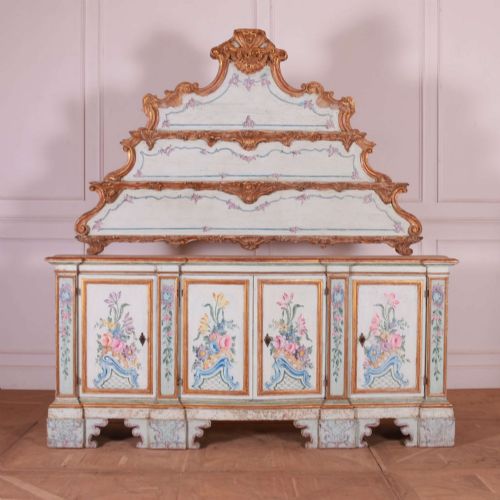
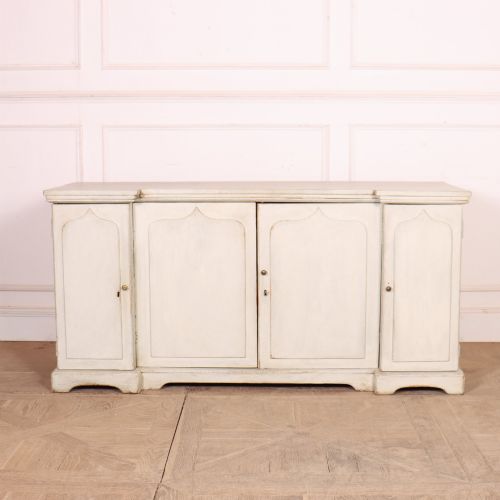
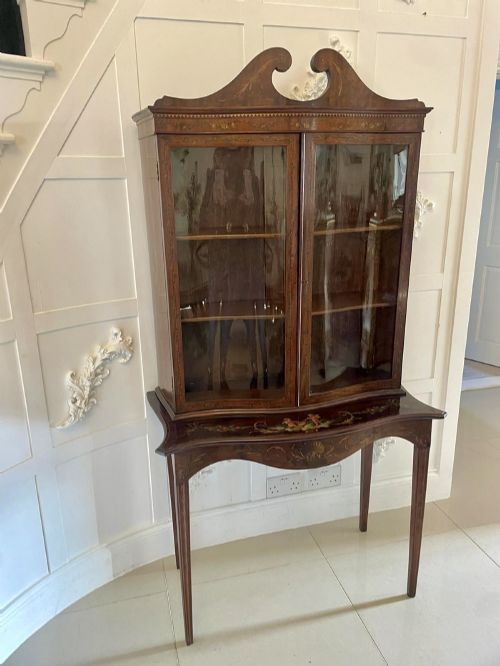
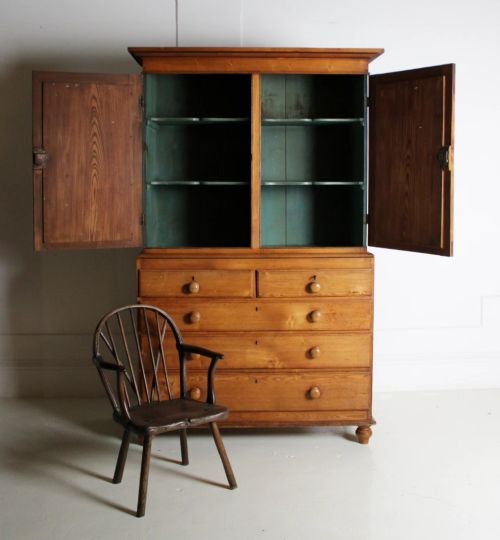
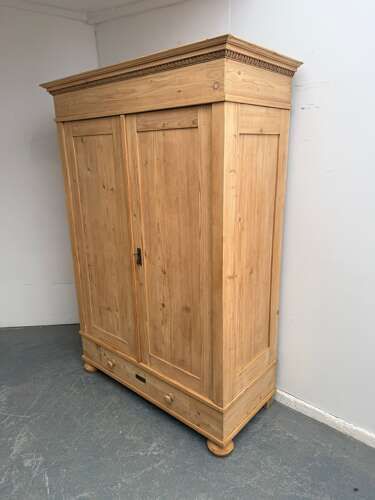
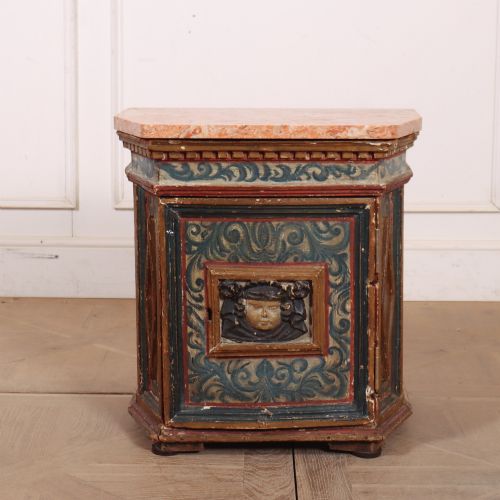
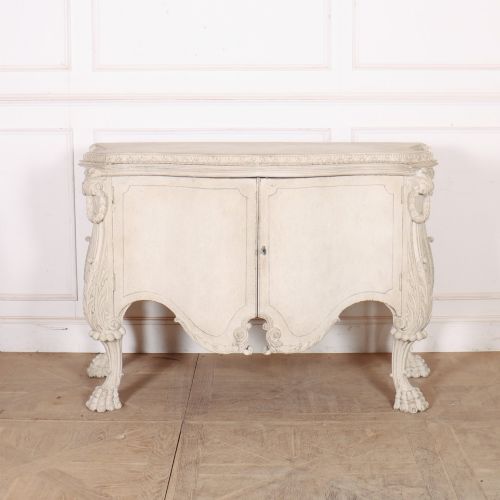
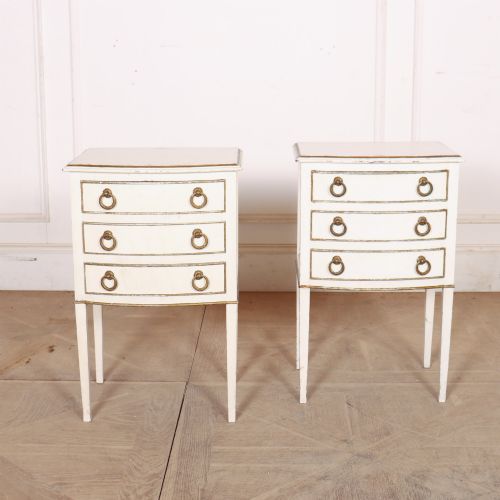
Painted Wood Cupboard
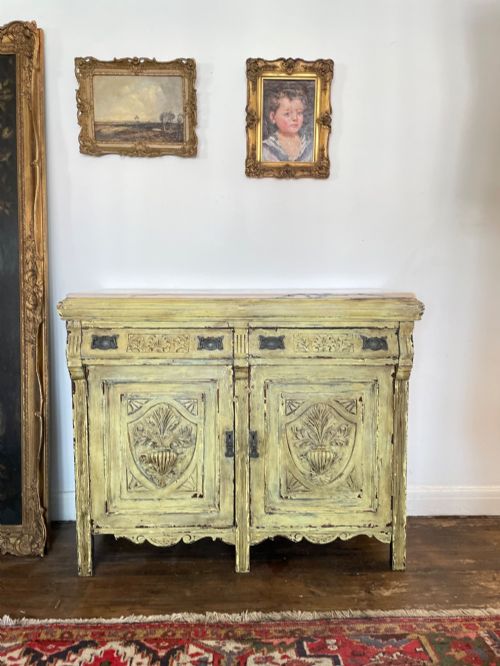
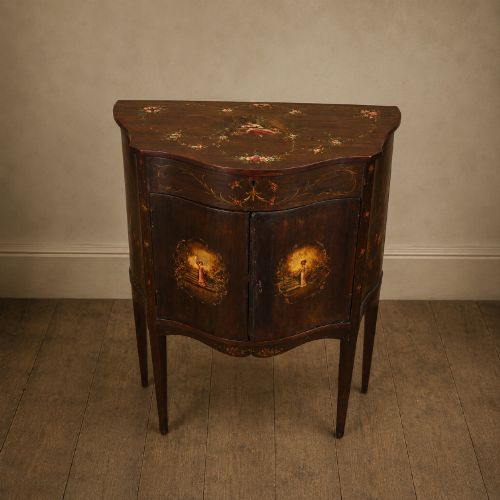
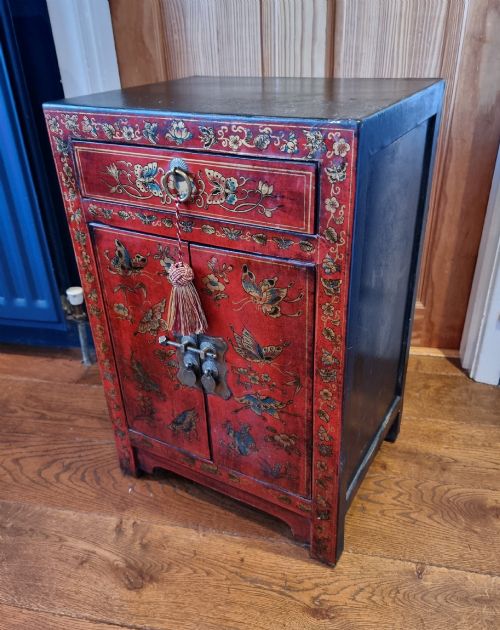
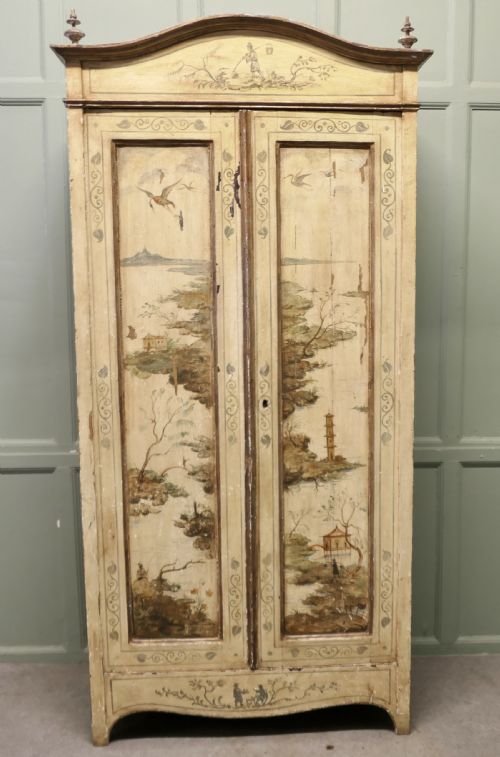
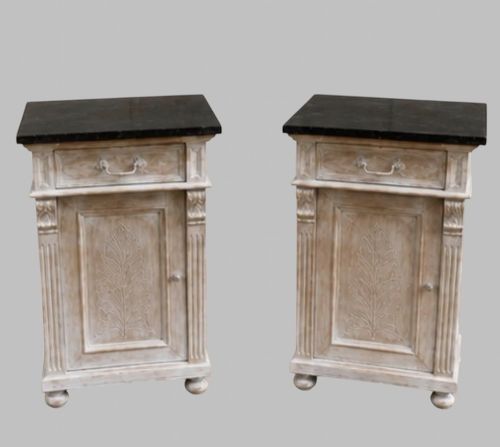
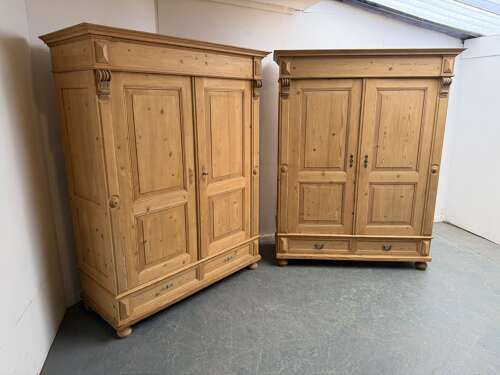
These painted wood cupboard examples bring provincial character to a room, offering practical storage disguised beneath layers of historic colour and patina.
Identifying your painted wood cupboard
A painted wood cupboard serves as a functional storage piece originating mainly from French and Italian provincial traditions, alongside English revival interpretations. You will most frequently encounter nineteenth-century interpretations on this page, alongside earlier eighteenth-century examples.
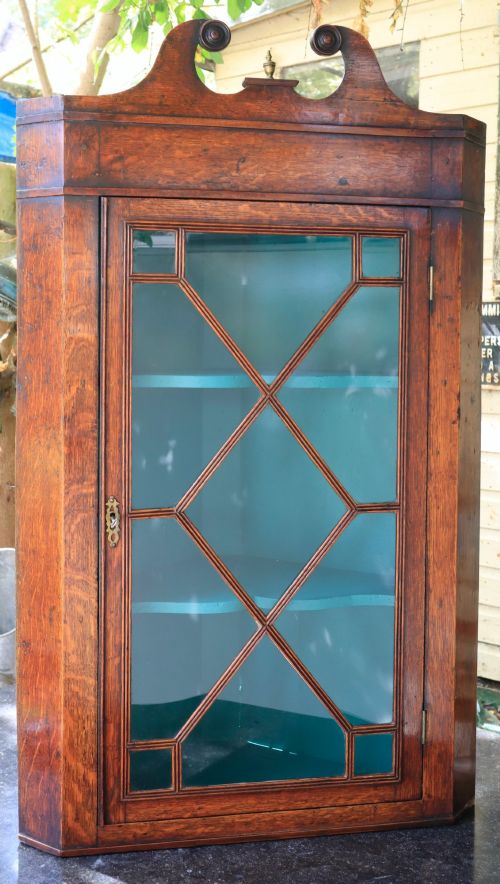
The forms vary across cabinets, armoires, display cabinets, sideboards, buffets, dressers, and housekeepers cupboards. Regional variations include linen cupboards, food cupboards, and standing corner cupboards with tambour fronts.
Surviving pieces span the eighteenth century, the nineteenth century, and specific dates such as 1880, showing how utility merged with decorative surface treatments across different European regions.
Materials and construction methods
Construction relies primarily on timbers such as softwood, fruitwood, satinwood, and oak. Carpenters shaped these woods into sturdy frames designed to house domestic provisions, linens, and tableware.
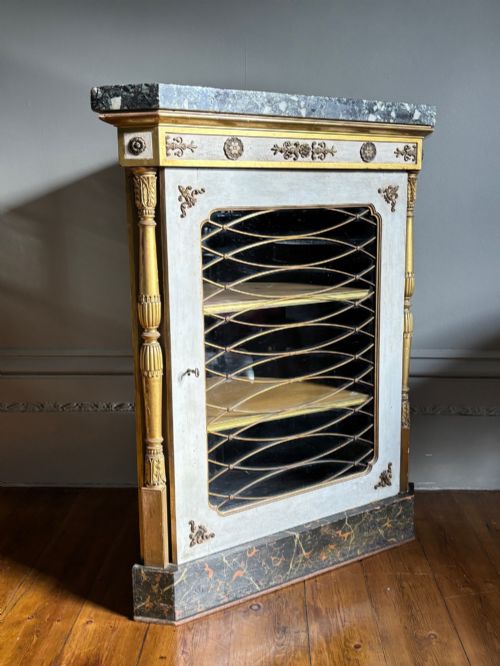
Surfaces received coats of paint, sometimes combined with inlay work, brass fittings, and iron hardware. Glass panels appear on display variants, while tambour doors feature on specialised satinwood pieces.
Retail Price Guide 2026
Typical UK retail prices for painted wood cupboard, calculated from the Sellingantiques database of over a million retail prices indexed since 2003. This retail price guide relies exclusively on Sellingantiques data; no external sources or auction records are used, so the figures do not describe the wider market.
A tambour front lets a cupboard door glide open around a corner like a roll-top desk, hiding linen in stealth.
Assessing quality and craftsmanship
Quality separates simple utility furniture from refined provincial pieces through the balance of proportions and the handling of the timber beneath the paint. Earlier eighteenth-century examples demonstrate traditional joinery methods that differ from later nineteenth-century production.
The character of the paint surface itself defines the visual appeal, where original accumulated layers and natural wear hold greater visual interest than heavy modern repainting. Fine inlay work and quality brass or iron furniture also elevate the distinction of specific satinwood and hardwood cabinets.
The Painted Wood Cupboard Glossary
- Buffet de corps
- A large two-body sideboard or cupboard originating in France, typically featuring lower cupboards beneath upper shelving or smaller doors.
- Tambour front
- A door constructed from narrow vertical strips of wood glued to a canvas backing, allowing it to slide smoothly around a curved track.
- Softwood
- Timber derived from conifers such as pine or fir, frequently utilised for the carcase of provincial painted furniture.
- Fruitwood
- Dense hardwood gathered from fruit-bearing trees like pear, apple, or cherry, prized for its smooth grain and warm tone.
- Housekeepers cupboard
- A large utilitarian storage piece traditionally kept in large country houses for storing household linens and dry goods.
Frequently Asked Questions
What were painted wood cupboards used for?
These pieces provided essential storage in European homes, holding household provisions, food stores, linens, and tableware away from dust and damp.
In larger country houses, specific variants acted as housekeeper stations or display points for valued porcelain and glassware.
How do I date a painted wood cupboard?
Dating relies on examining the underlying timber construction, joinery techniques, and hardware used for hinges and locks.
Eighty-century pieces often display hand-cut joints and heavier timber scantlings, whereas nineteenth-century examples incorporate machine-sawn elements and revival stylistic cues.
Are these cupboards suitable for modern kitchens?
The generous proportions and deep shelving make them practical for storing crockery, dry goods, and kitchen equipment.
Placing one in a modern interior adds warmth through historic wood textures and muted provincial paint finishes.
What is French provincial style?
This style reflects furniture built in the French regions outside Paris, prioritising sturdy utility over elaborate courtly ornamentation.
Local cabinetmakers used available regional timbers and simple painted finishes suited to country houses and farmhouses.