
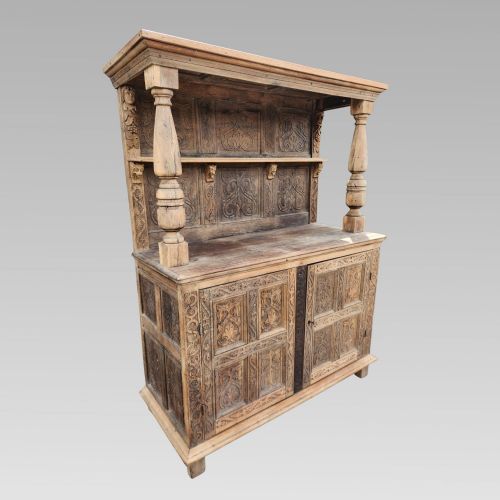


French Chateau Sideboard
A french chateau sideboard brings substance and regional character to a room, offering substantial storage fashioned from oak and walnut.
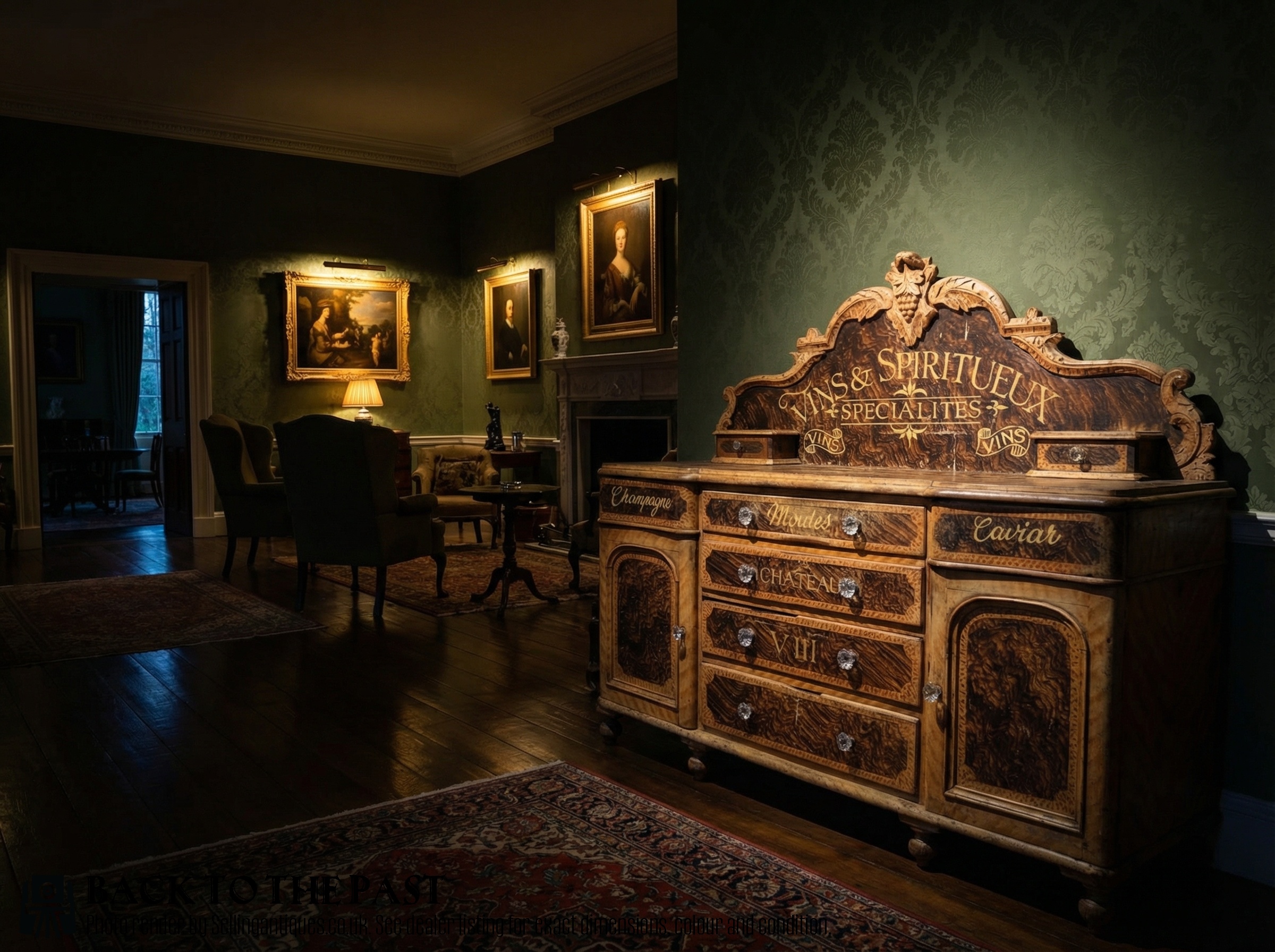
French Chateau Sideboard
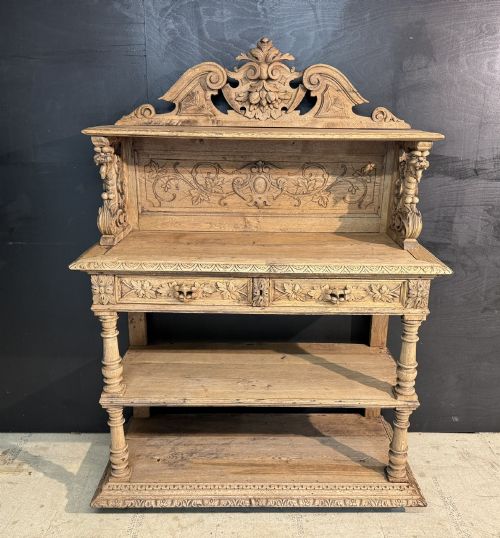
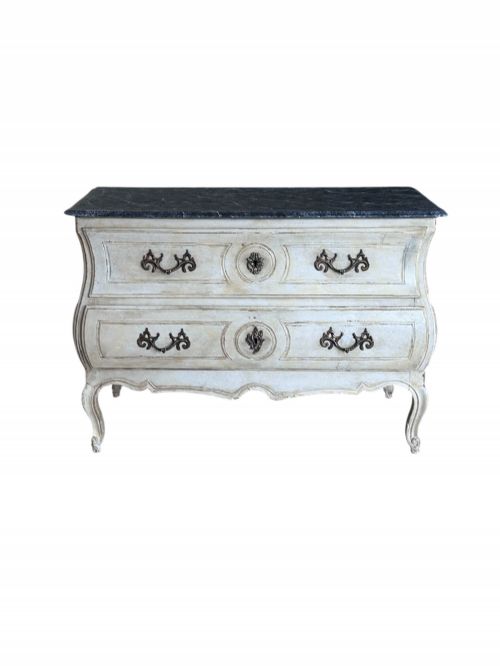
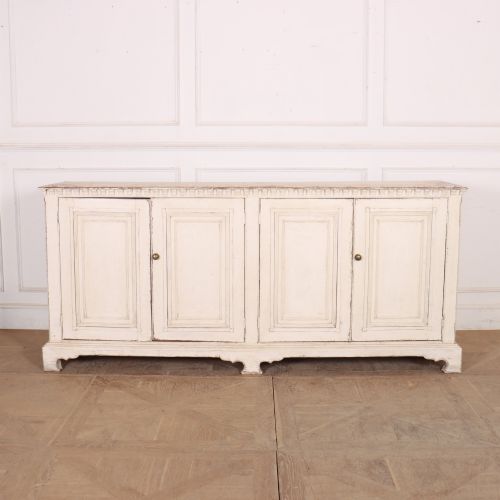
When you search for a french chateau sideboard, you encounter large storage pieces originating across the nineteenth and eighteenth centuries alongside later revival pieces. These take the form of buffets, enfilades, commodes, and side cupboards built for formal rooms.
The versions most commonly met on this page include carved oak buffets and painted wood commodes from the nineteenth and eighteenth centuries. Regional pieces show influences from French provincial and Italian neoclassical styles alongside French Renaissance revival.
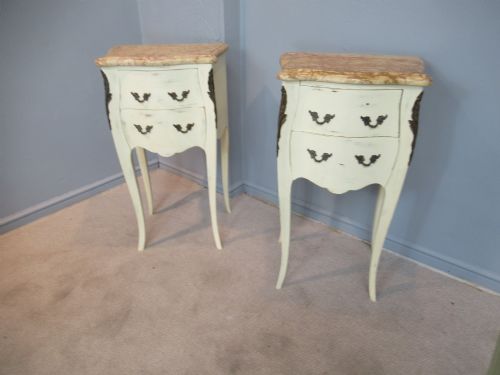
Makers and craftsmen of these periods utilised timber to build functional storage that doubled as display surfaces, incorporating marble tops and brass details. The selection spans robust sideboards and smaller side cabinets designed for domestic utility.
Materials and Construction
Carpenters built these items using solid timbers such as oak and walnut, often applying painted finishes to the wood surfaces. Parquetry patterns appeared on select commodes, demonstrating precision in surface decoration.
Workshops integrated heavy materials like marble for tabletops and mounted brass or ormolu hardware on doors and drawers. Glass elements supplemented wooden cabinetry on specific cabinet and cupboard forms.
Listings feature items spanning the eighteenth century through the 1930s, constructed from oak, walnut, painted wood, and marble.
Assessing Quality and Craftsmanship
The division between standard storage and superior examples rests in the depth of hand-carved ornamentation and the selection of figured timbers like walnut and oak. Integration of genuine marble tops and cast brass or ormolu mounts elevates the standing of an individual piece.
Proportion and structural balance dictate the refinement of a buffet or commode, where harmonious panel arrangement and clean lines distinguish disciplined workshop production from simpler utilitarian builds.
The French Chateau Sideboard Glossary
- Enfilade
- A long sideboard or cabinet with a sequence of doors, traditionally designed for formal dining rooms. This form provides extended surface space and deep interior storage.
- Commode
- A low chest of drawers or cabinet raised on legs, frequently fitted with a marble top. Eighteenth and nineteenth-century examples often display painted finishes.
- Buffet
- A large storage furniture piece used for holding dining utensils and serving food. These items feature sturdy wooden construction and carved panels.
- Ormolu
- Gilt bronze ornamentation applied to furniture mounts and drawer pulls. This technique adds decorative metallic detail to wood surfaces.
- Parquetry
- Geometric wood inlay work forming decorative patterns on table tops and cabinet fronts. Craftsmen used contrasting timber tones to create visual depth.
French Chateau Sideboard: Frequently Asked Questions
How do I date an antique sideboard?
Dating relies on examining the timber species, construction joinery, and stylistic markers associated with specific centuries. Eighteenth-century pieces often show hand-planed surfaces and provincial painted finishes.
Nineteenth-century examples frequently display revival styling, including heavy oak carving or neoclassical brass mounts. Comparing hardware styles and wood patination helps establish the period of manufacture.
Where were these sideboards used?
These storage pieces were designed for dining rooms, kitchens, and grand reception spaces within large residences. They provided practical storage for linens, tableware, and provisions.
The sturdy top surface also served as a station for serving food or displaying decorative objects during gatherings.
How do I care for wooden sideboards?
Maintenance involves keeping wooden surfaces clean with a dry cloth and avoiding excess moisture. Natural waxes help protect walnut and oak grain without building up heavy residues.
Positioning furniture away from direct heat sources and sunlight prevents timber from splitting and preserves painted finishes.