

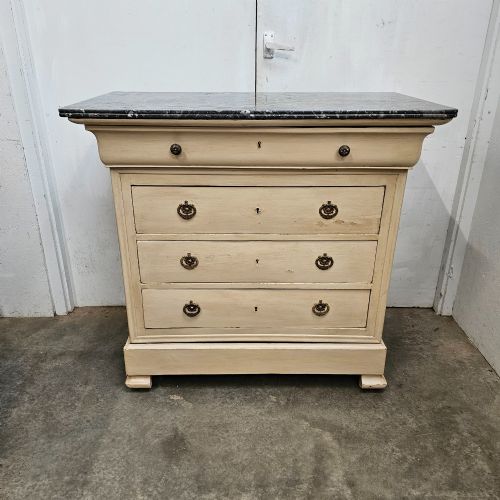
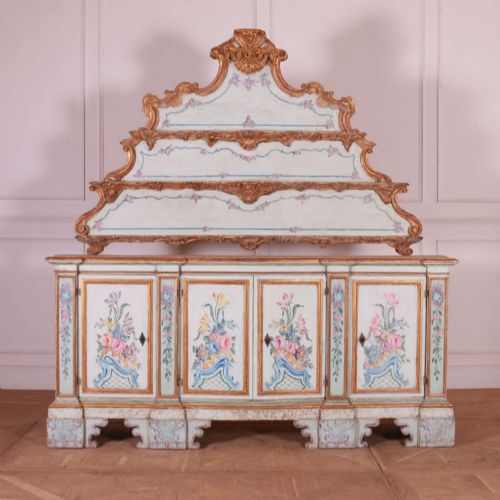
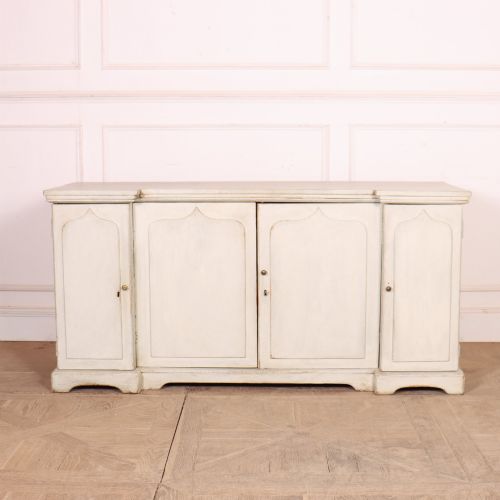
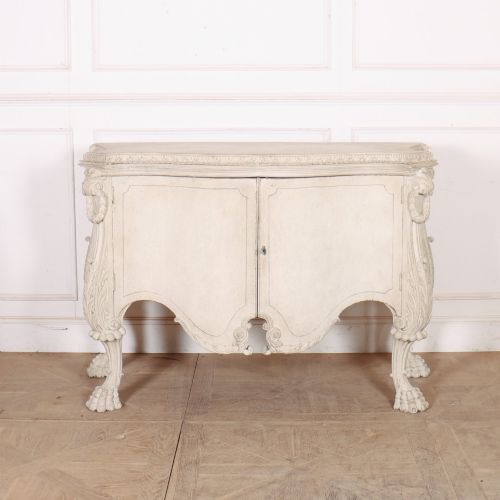
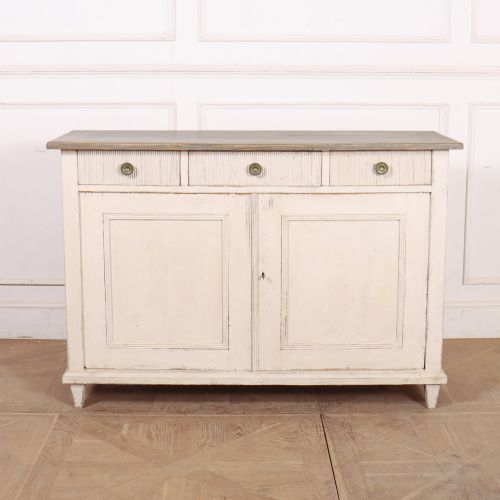
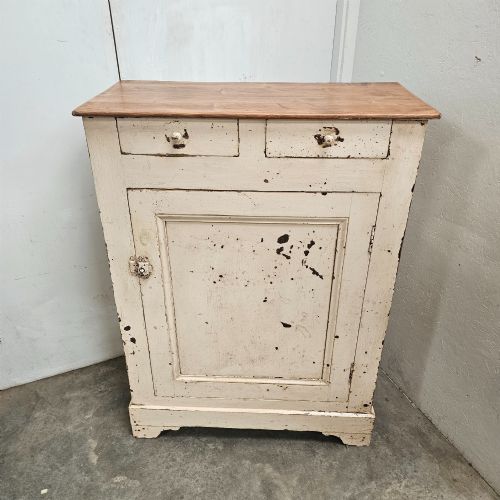
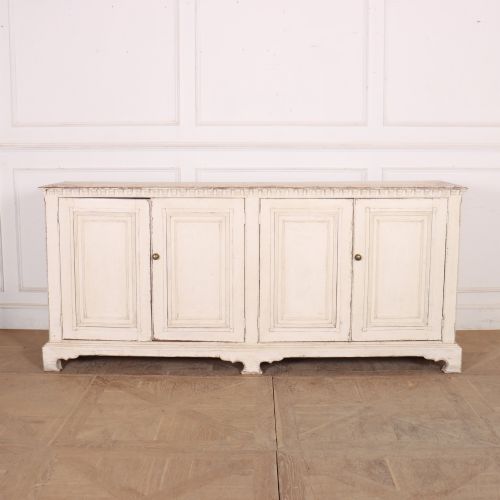
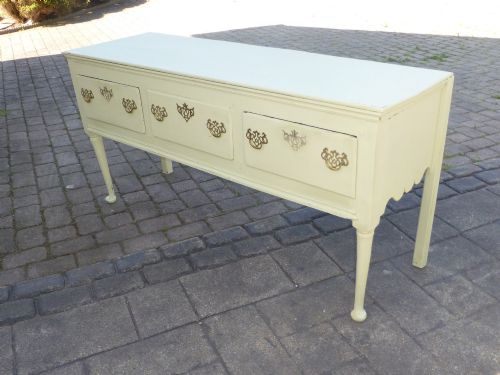
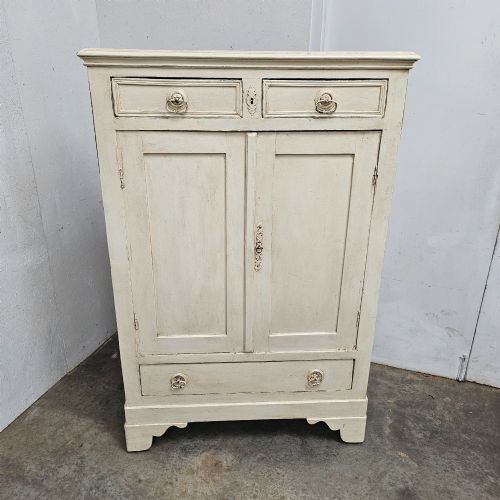
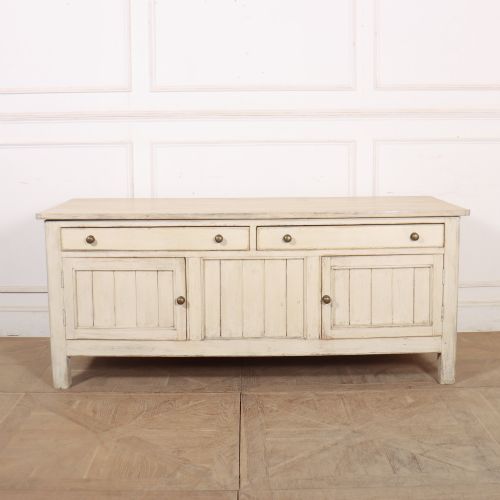

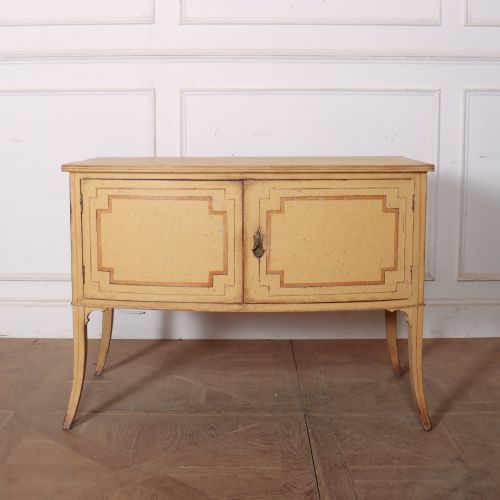
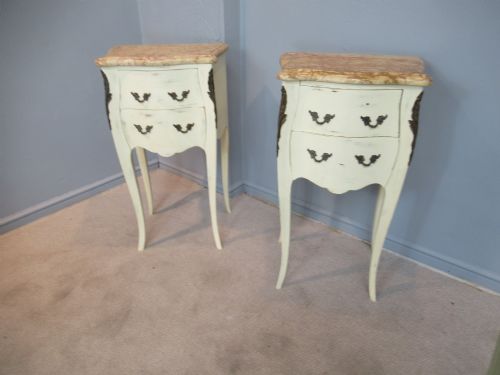


Cream Painted Sideboard
These cream painted sideboard examples offer robust timber construction and historic character, bringing timeless utility and muted charm to contemporary dining rooms.
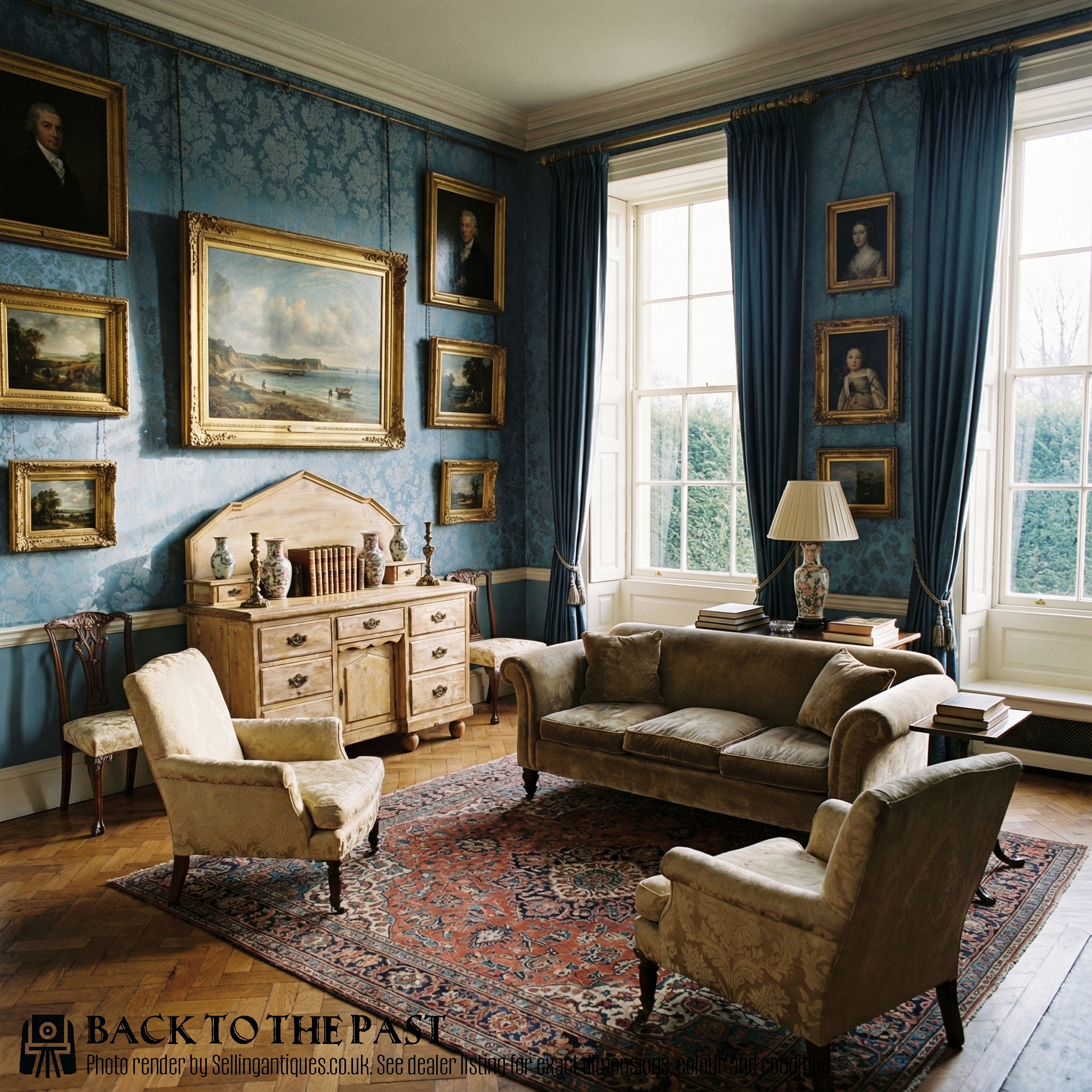
Cream Painted Sideboard
A cream painted sideboard combines sturdy historic storage with a muted decorative surface, spanning periods from the seventeenth century through to the Victorian era. These pieces generally take the form of dresser bases, side cabinets, and traditional dressers designed for practical household use.
The most common examples met here include eighteenth century Georgian oak dresser bases and nineteenth century pine pieces. Buyers often find English country house and Jacobean styles that reflect regional craftsmanship and utilitarian design.
How they were made
Construction relies heavily on traditional hardwoods and softwoods, utilising solid oak, pine, and general wood frameworks. Carpenters built these carcasses to endure daily domestic demands, often pairing timber bodies with brass hardware.
Surface finishes involve historic paint applications applied over timber. This historic paint layer interacts with the underlying wood over centuries, creating the characteristic aged patina seen across these listings.
Cream Painted Sideboard Retail Price Guide 2026
Typical asking prices for cream painted sideboard among the pieces listed under this phrase on Sellingantiques today, from the lower quarter to the upper quarter. They describe what is for sale here now, not the wider market.
What varies in quality
Quality rests upon the integrity of the timber frame and the authenticity of the period surface. Earlier seventeenth and eighteenth century pieces display hand-tooled joinery that differs significantly from later Victorian output.
The sophistication of proportions and the harmony between the original timber structure and the painted finish separate standard utility items from finer country house examples.
The Cream Painted Sideboard Glossary
- Dresser base
- A low storage unit featuring drawers and cupboards, traditionally used in dining rooms or kitchens for serving and storage.
- Side cabinet
- An enclosed piece of furniture designed for placement against a wall, offering concealed shelving behind doors.
- Pine
- A soft timber commonly utilised in nineteenth century regional furniture for its workability and accessibility.
- Oak
- A durable hardwood favoured in seventeenth and eighteenth century English cabinet making for its strength and grain.
Cream Painted Sideboard: Frequently Asked Questions
What is a cream painted sideboard used for?
These pieces provide substantial storage space for dining linen, cutlery, and tableware while serving as a surface for display in living areas or kitchens.
Their historic proportions allow them to integrate smoothly into modern rooms needing functional storage with traditional character.
How do I date a painted sideboard?
Dating relies on observing construction joints, timber selection, and overall styling, comparing them against known periods like the Georgian or Victorian eras.
The presence of pine points towards later nineteenth century work, whereas heavy oak framing typically suggests seventeenth or eighteenth century origins.
How do I care for historic painted furniture?
Protect the painted surface by avoiding direct sunlight and excessive moisture fluctuations that can stress old timber.
Dust gently with a dry cloth and refrain from using harsh modern chemical cleaners on the historic paint layers.
What defines English country house style?
This style embraces functional, unpretentious furniture that shows clear signs of age and long domestic use rather than strict formal symmetry.
Pieces often feature local timbers like oak and pine, finished with practical paint layers suited to rural interiors.