

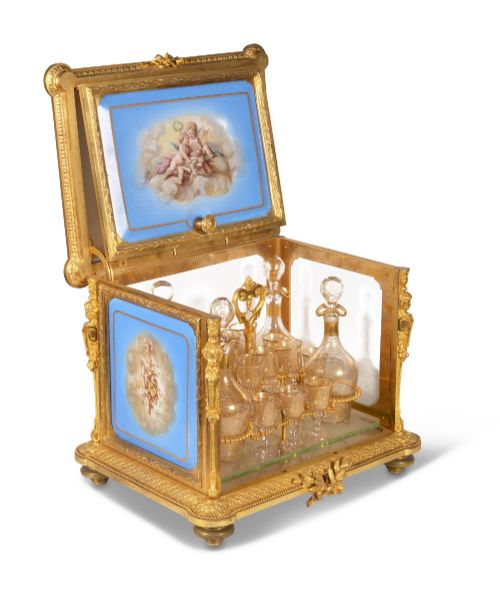
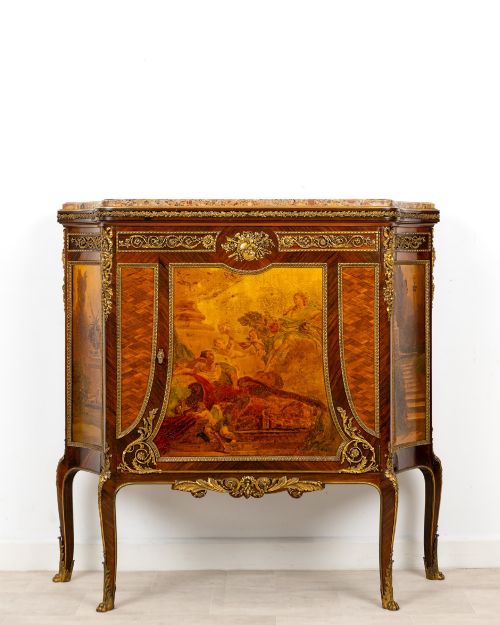
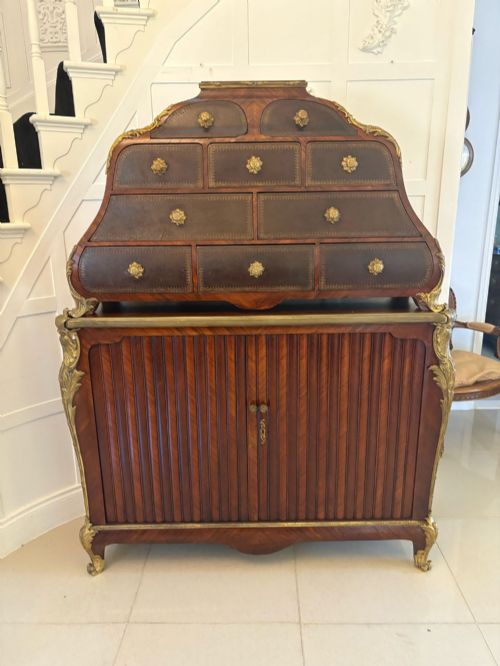
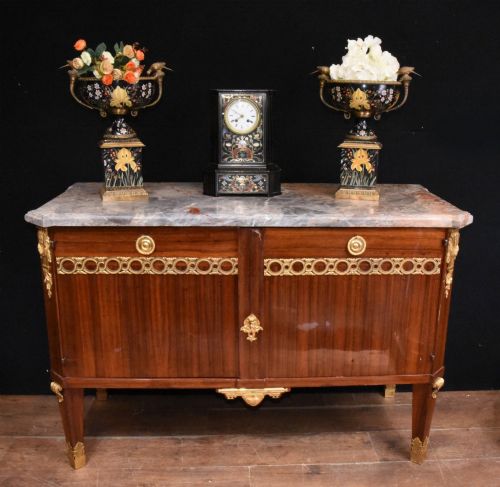
Gilt Bronze Cabinet
A gilt bronze cabinet brings together fine cabinetmaking and cast metalwork, offering a decorative surface and secure storage for collectors.
Gilt Bronze Cabinet
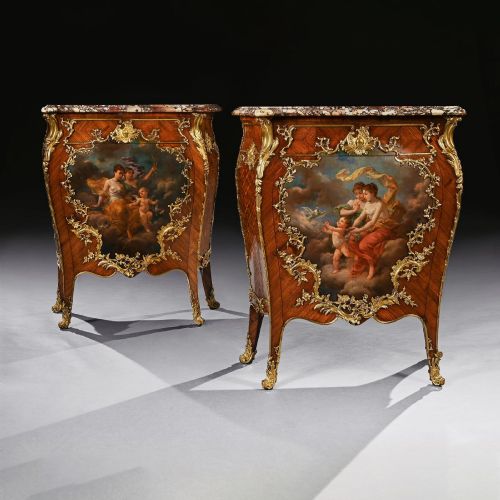
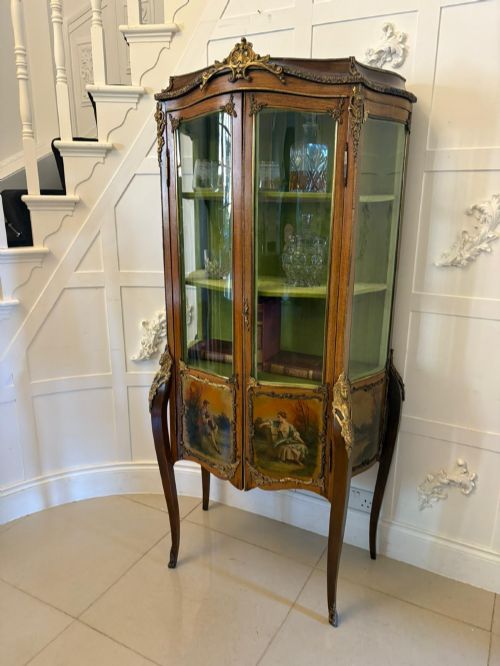
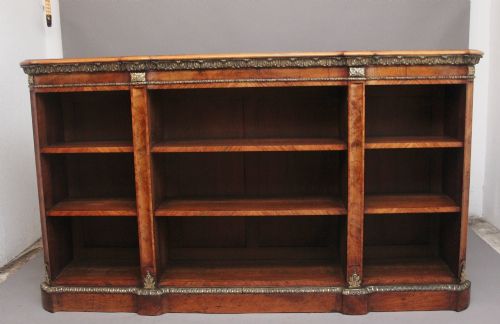
A gilt bronze cabinet encompasses display cases, credenzas, commodes, and side cabinets decorated with cast and gilded metal mounts. These pieces frequently appear in nineteenth-century French and Victorian revival styles.
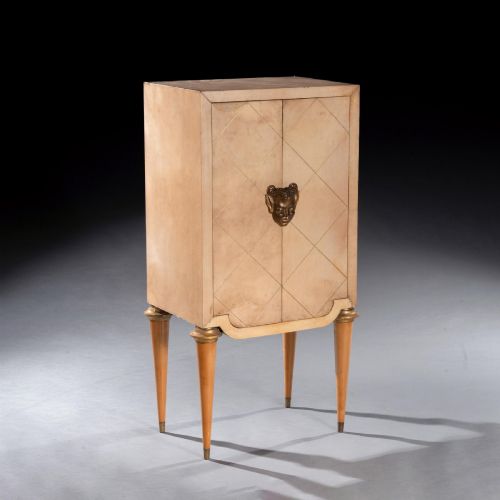
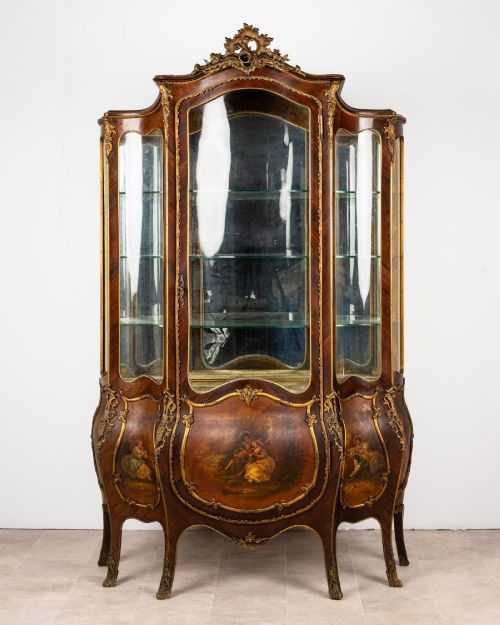
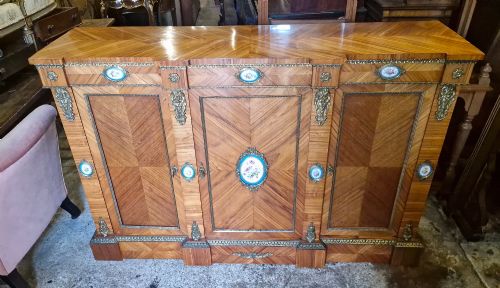
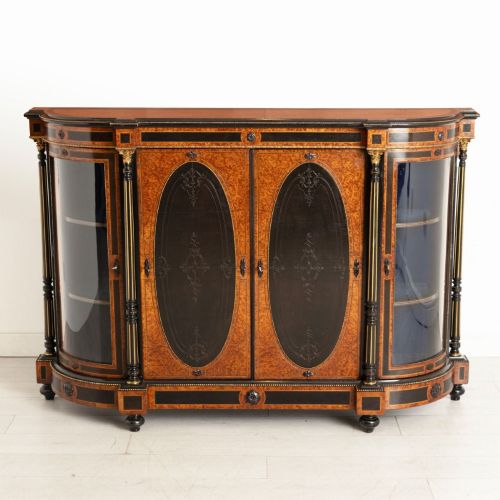
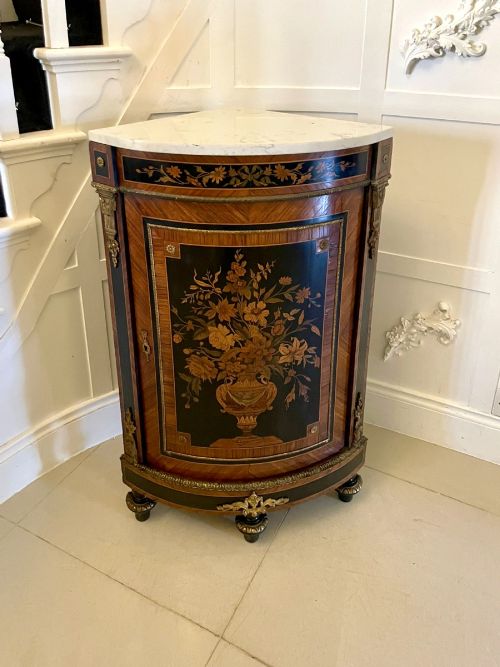
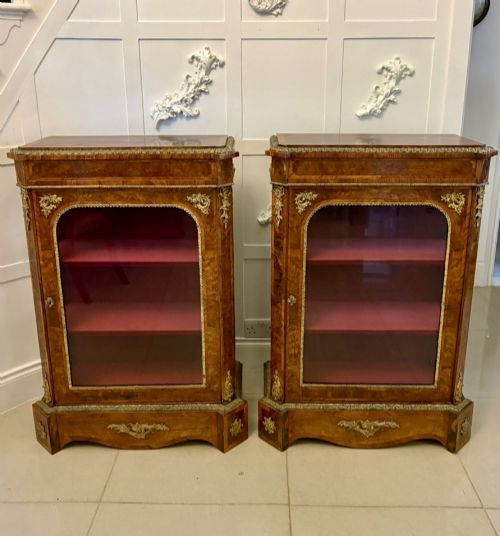
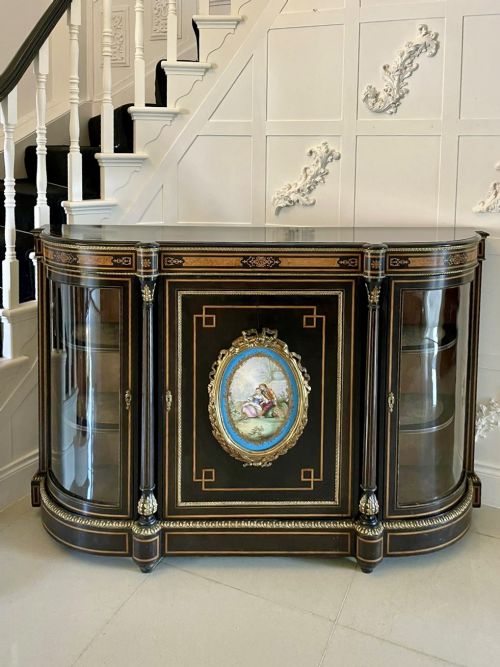
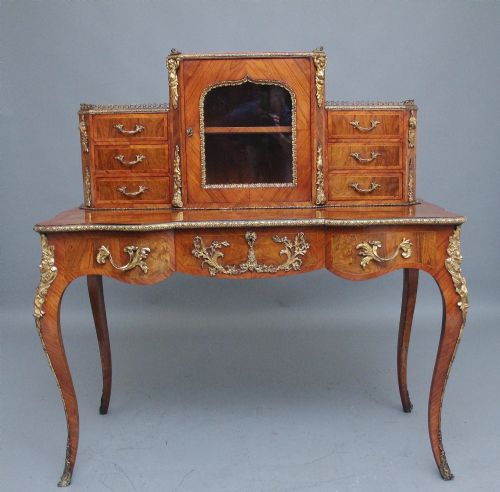
The selections on this page range from walnut and mahogany pier cabinets to kingwood vitrines and ebonised side cabinets. Most examples date from the nineteenth century, drawing heavily on Louis XV and Louis XVI design vocabulary.
Buyers look for these items to anchor a room with functional storage while displaying porcelain, books, or curated objects behind glass doors or upon marble tops.
Materials and Technique
Cabinetmakers utilised dense timbers such as walnut, mahogany, and kingwood, often laying down intricate marquetry or parquetry patterns in contrasting veneers. Ebonised wood and amboyna also appear frequently as primary structural bases.
Mounts, cast in bronze and treated with ormolu gilding, were shaped to frame corners, protect edges, and form feet or handles. These metal elements were screwed or pegged directly into the timber carcass.
Marble tops in white, grey, or veined varieties provide durable surfaces on commodes and side cabinets, while glass panels define the doors of vitrines and display cabinets.
Gilt Bronze Cabinet Retail Price Guide 2026
Typical asking prices for gilt bronze cabinet among the pieces listed under this phrase on Sellingantiques today, from the lower quarter to the upper quarter. They describe what is for sale here now, not the wider market.
Listings feature eighteenth-century origins alongside nineteenth-century revivals, utilising timber foundations such as kingwood, walnut, and ebonised wood.
Assessing Quality
The crispness of the bronze casting dictates the standard of the metalwork, where sharper chisel work and deeper relief separate superior mounts from softer commercial castings. The integration between the bronze mount and the timber contour reveals the precision of the maker.
Veneer selection and marquetry execution define the cabinetwork, with balanced grain patterns and meticulous floral inlays marking the upper tier of production. Secondary woods inside drawers and backboards further indicate the workshop's commitment to materials.
Johnstone and Jeanes·Jacques Bircklé·François Linke·H. J. Hatfield and Sons·Maison Krieger·Henry Dasson·Gillows·Edward Holmes Baldock·Maison Gagneau·E. Kahn·Blake·Diehl·Maison Soubrier
The Gilt Bronze Cabinet Glossary
- Ormolu
- Gilt bronze, created by applying an amalgam of gold and mercury to cast bronze before heating to drive off the mercury. This technique produces a durable golden finish seen on eighteenth and nineteenth-century mounts.
- Vitrine
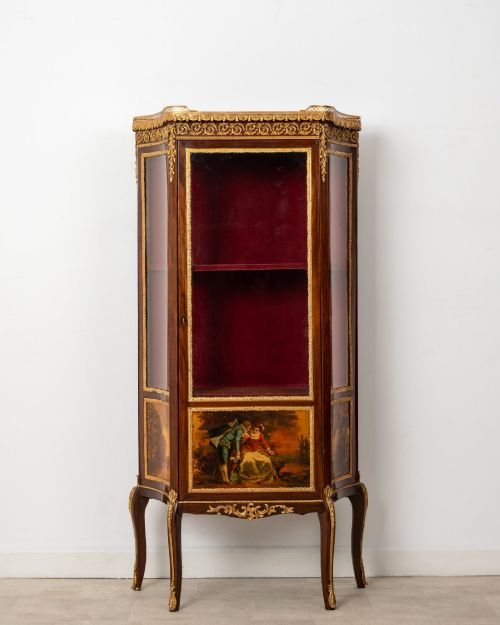
- A glass-fronted display cabinet designed to exhibit porcelain, small sculptures, or curiosities. These cabinets often feature glazed side panels to maximise light penetration.
- Marquetry
- The art of applying small pieces of veneer to a structure to form decorative patterns or pictorial scenes. Craftsmen used various tinted woods and occasionally metal or tortoiseshell.
- Credenza
- A low side cabinet, frequently fitted with doors and mirrored backs, developed for dining rooms and drawing rooms. Nineteenth-century versions often incorporate extensive ormolu mounts and porcelain plaques.
Gilt Bronze Cabinet: Frequently Asked Questions
Where were these cabinets placed?
These cabinets served primarily in formal drawing rooms, parlours, and dining spaces where hosts entertained guests. Pier cabinets stood in the wall space between windows, while larger credenzas anchored main reception walls.
Smaller commodes and bedside cabinets found placement in private chambers and dressing rooms to hold personal items and linen.
How do I clean the ormolu?
Dust bronze mounts gently with a soft, dry brush to prevent dirt accumulation in recessed chased areas. Avoid commercial metal cleaners, which can strip the thin gold layer from the bronze underneath.
Keep wooden surfaces conditioned with traditional beeswax, applying it sparingly and buffing with a clean cloth.
What is Vernis Martin?
Vernis Martin is a European lacquer finish developed to imitate Japanese and Chinese lacquerwork. Artisans built up multiple translucent layers of varnish, often over painted pastoral scenes.
Cabinets featuring this technique display a smooth, glossy surface that required careful polishing during manufacture.
Are marble tops original?
Marble tops on nineteenth-century commodes and side cabinets were typically cut and fitted specifically to the timber base during initial construction. Edges were often moulded to match the serpentine or straight contours of the cabinet below.
Inspect the underside of the stone and the seating rebate in the wood to verify proper alignment and period construction methods.