
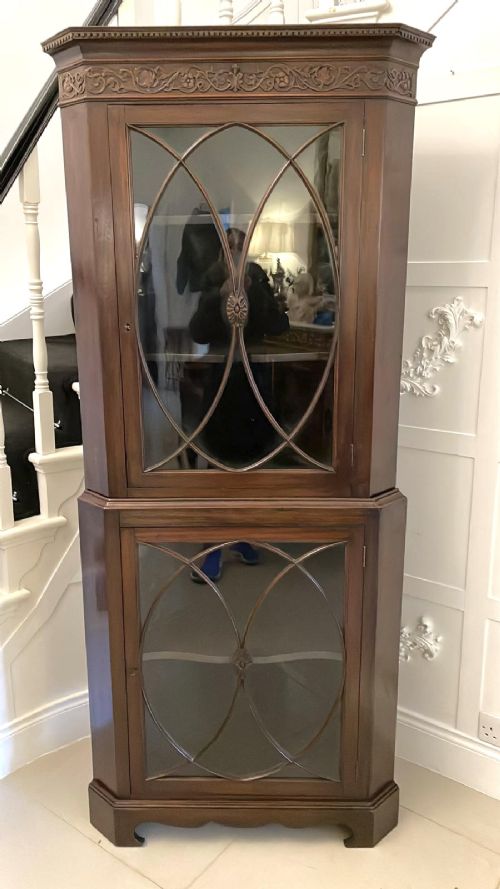
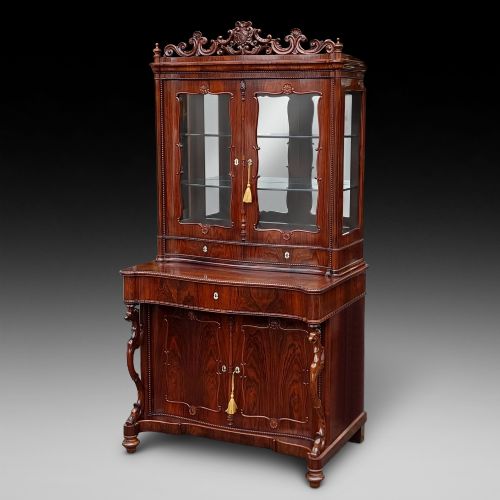
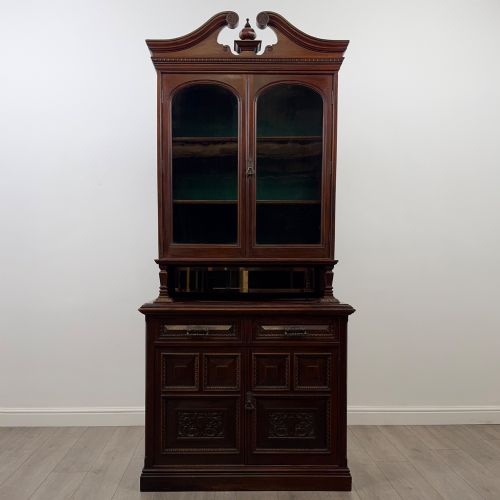
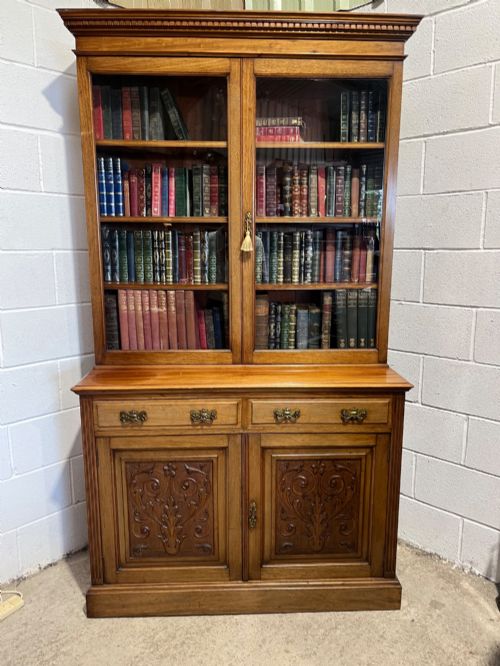
Two Tier Cabinet
A two tier cabinet offers double the display and storage space, bringing proportion and utility to any room.
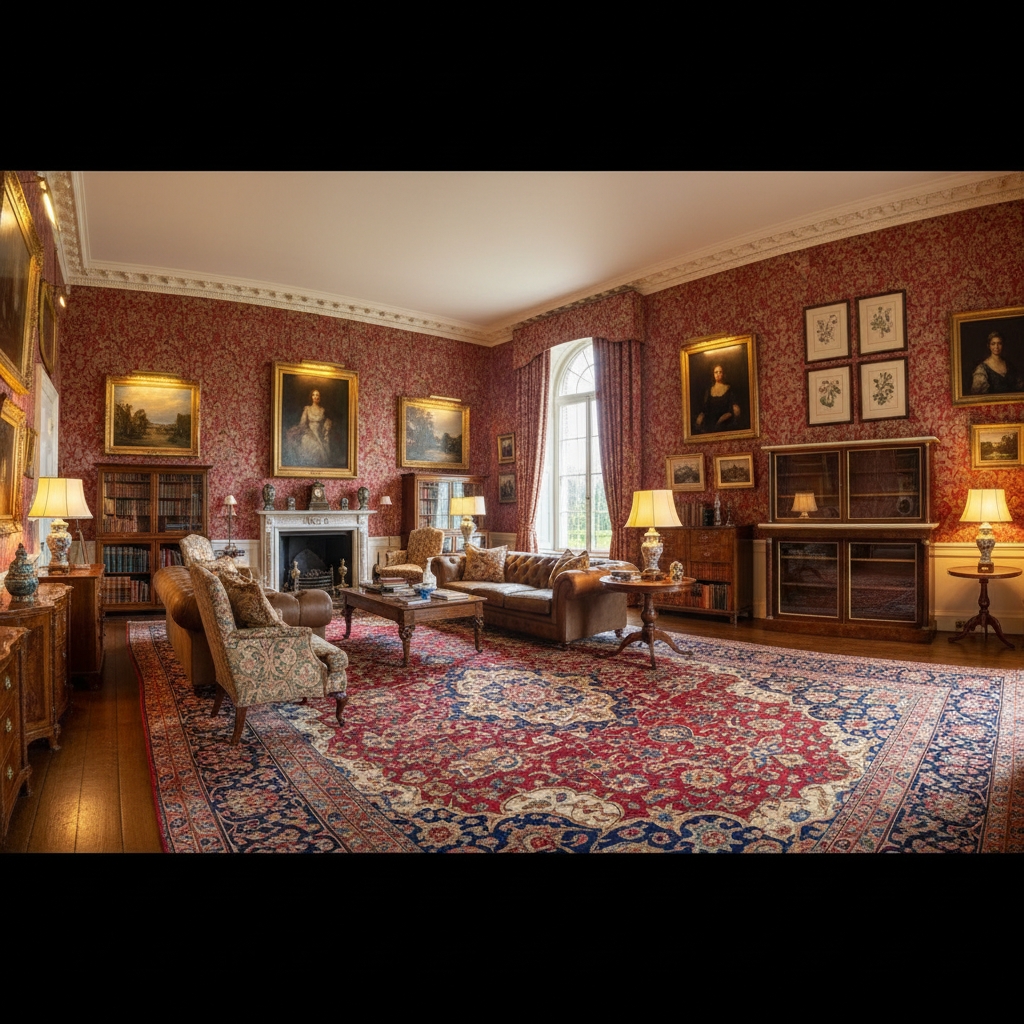
Two Tier Cabinet
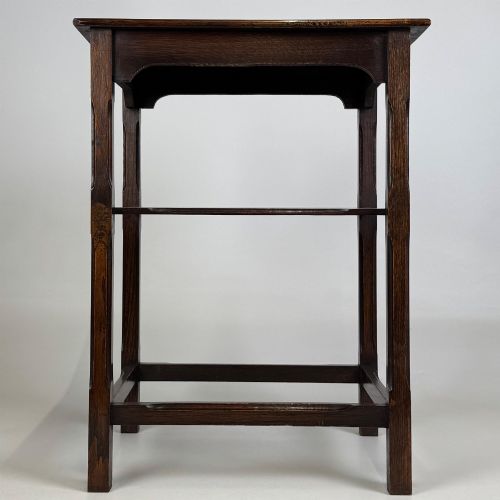
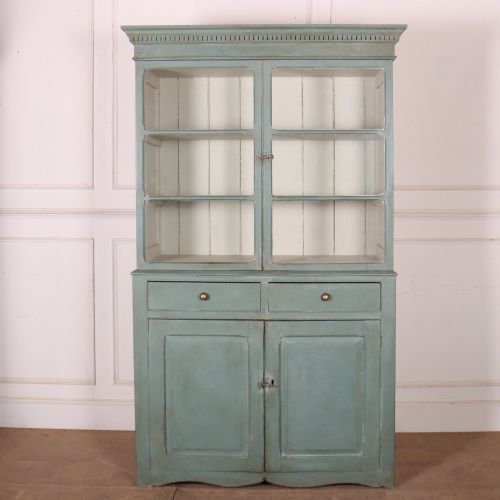
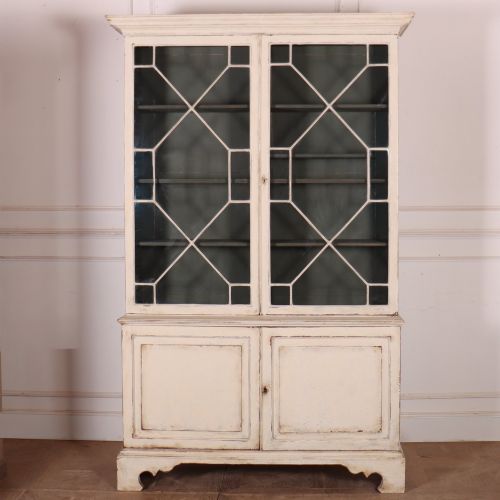
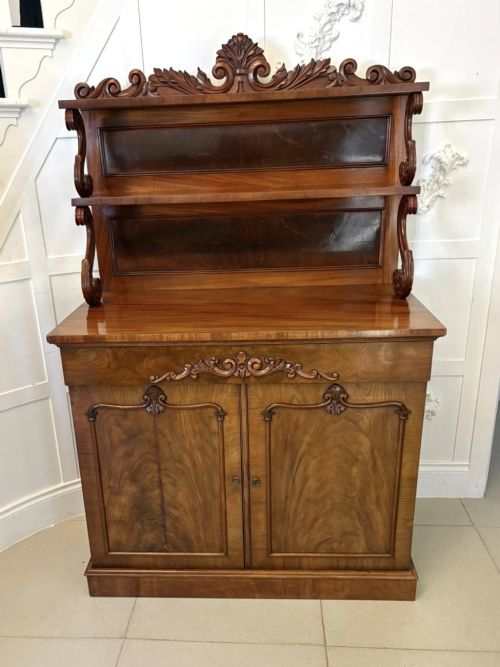
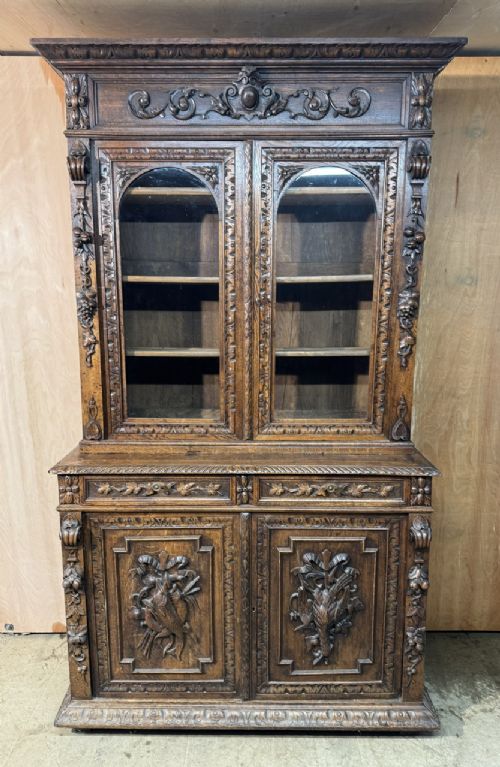
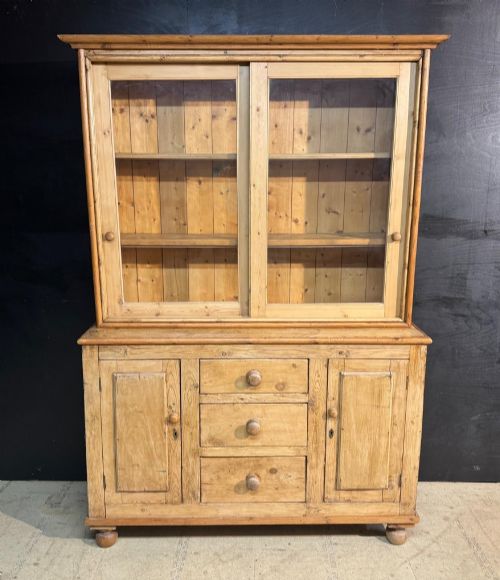
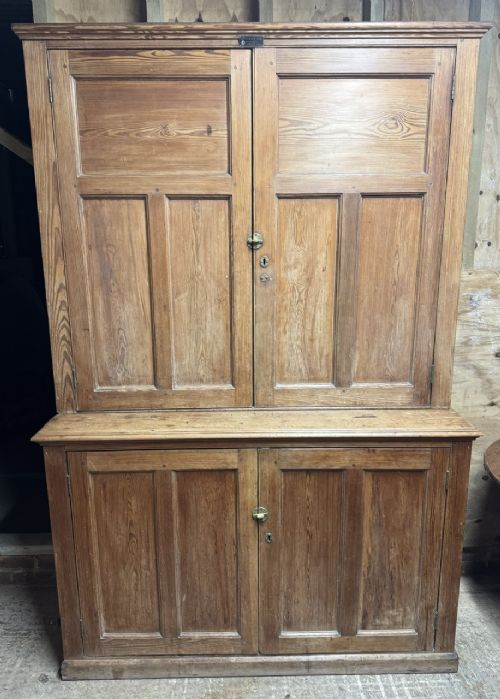
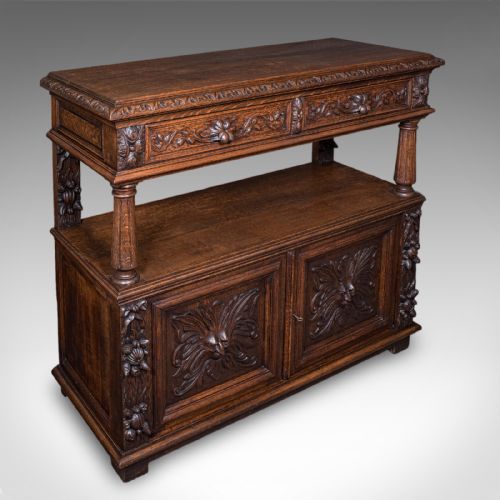
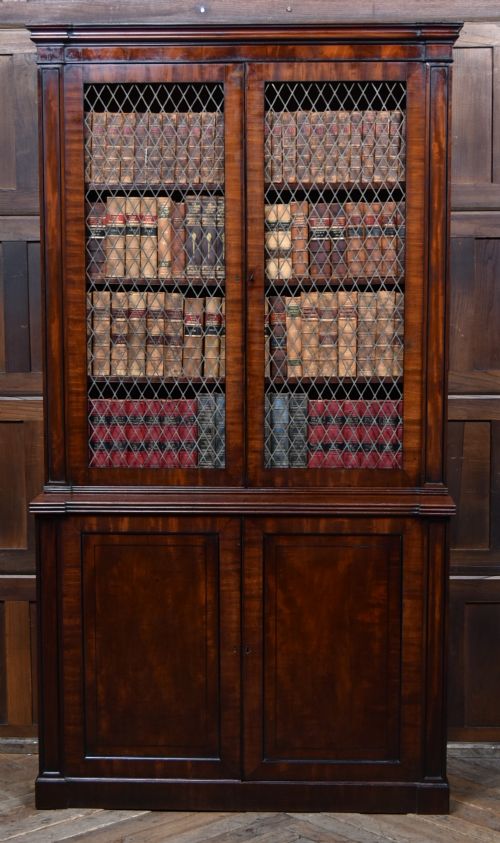
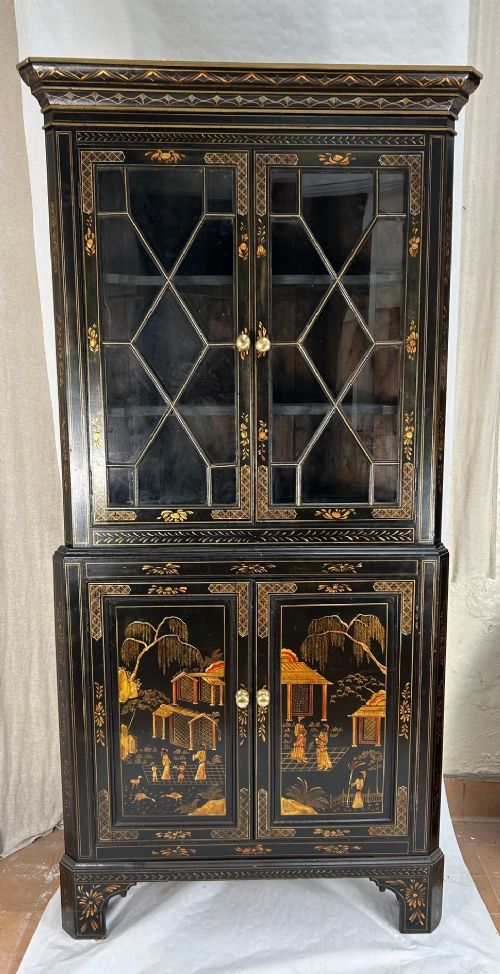
The version most often met on this page is the compact side table or display stand with stacked surfaces, alongside larger chiffoniers and bookcases that divide their storage vertically. Origins range across English, Scottish, French, and Dutch workshops, reflecting diverse regional tastes in domestic cabinetry.
How they were made
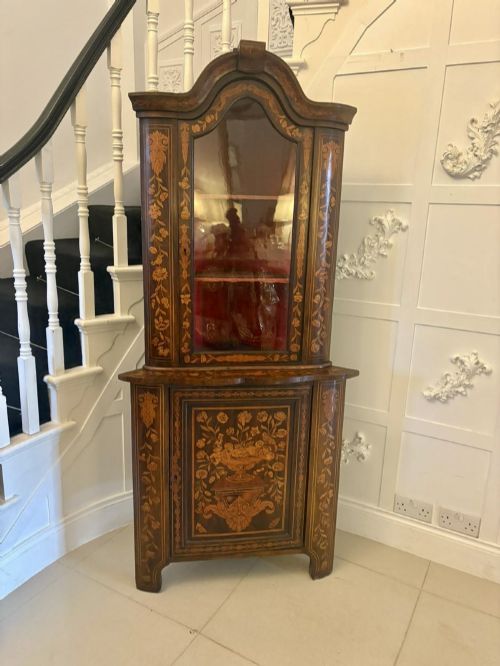
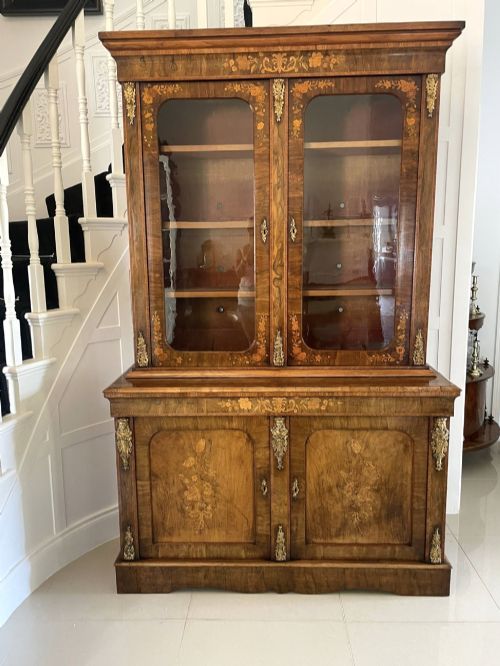
Cabinet makers built these pieces using solid timbers like oak, pine, and mahogany, frequently applying veneers of burr walnut, rosewood, or marquetry inlay to primary surfaces. Structural joints relied on traditional joinery methods suited to the weight of glazed doors and tiered shelving.
Finishing techniques varied from clear wax and polish to bring out the grain of the wood, through to scumble paint and lacquering. Metal fittings in brass and ormolu provided structural mounts and functional hardware for doors and drawers.
Two Tier Cabinet Retail Price Guide 2026
Typical asking prices for two tier cabinet among the pieces listed under this phrase on Sellingantiques today, from the lower quarter to the upper quarter. They describe what is for sale here now, not the wider market.
Periods represented span from the eighteenth century through the Victorian era to the nineteen thirties.
What varies in quality
The distinction between tiers rests upon the selection of timber and the precision of decorative details, such as figured mahogany, matched burr walnut, or fine marquetry inlay. Superior construction shows in the handling of secondary woods and the integration of brass mounts or glazed panels.
Proportion and architectural balance define the upper tier of the range, where crisp carving and harmonious joinery elevate standard storage into fine furniture. Simpler regional pieces in pine or oak rely on honest utility rather than elaborate ornamentation.
The Two Tier Cabinet Glossary
- Chiffonier
- A low cabinet or sideboard, typically featuring a tiered superstructure or shelf supported by pillars above a cupboard base.
- Marquetry
- Decorative veneer work forming pictures or geometric patterns by fitting together thin slices of wood and other materials.
- Ormolu
- Gilded bronze used for decorative mounts and furniture hardware, common in revival styles.
- Astragal
- Moulding used to hold the panes of glass within a glazed cabinet door.
- Whatnot
- An open piece of furniture with multiple tiers for displaying small objects or books.
Two Tier Cabinet: Frequently Asked Questions
What is a two tier cabinet?
A two tier cabinet is a piece of furniture featuring two distinct levels for storage or display, often combining a lower cupboard or table base with an upper shelf, display section, or smaller cabinet.
These pieces span various historical periods from the eighteenth to the early twentieth century, appearing in woods like mahogany, oak, and walnut across diverse regional styles.
Where were these cabinets used?
These cabinets served multiple domestic purposes across living rooms, dining rooms, libraries, and bedrooms as places to store books, display ceramics, or keep household items orderly.
Smaller tiered versions often functioned as lamp tables, music cabinets, or decorative display stands positioned beside seating.
How do I date a cabinet?
Dating relies on observing the primary timbers, construction methods, hardware, and stylistic traits associated with specific periods like the Georgian, Victorian, or Edwardian eras.
Changes in proportion, decorative motifs such as marquetry or gilt mounts, and the type of glass used in doors help narrow down the decade of manufacture.
How do I care for wooden furniture?
Maintain wooden surfaces by keeping them away from direct heat sources and strong sunlight, which can dry out the timber and fade polished finishes.
Regular dusting with a soft cloth and occasional application of traditional wax helps preserve the natural lustre of mahogany, oak, and walnut.