

Painted China Cabinet
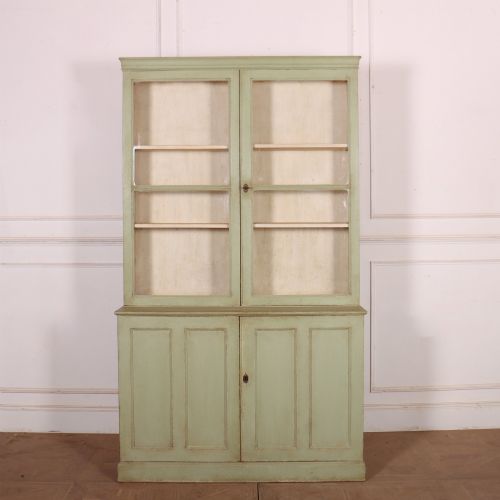
These painted china cabinet pieces bring together glazed cabinetry and cabinet plates, offering a traditional way to display fine porcelain behind glass.
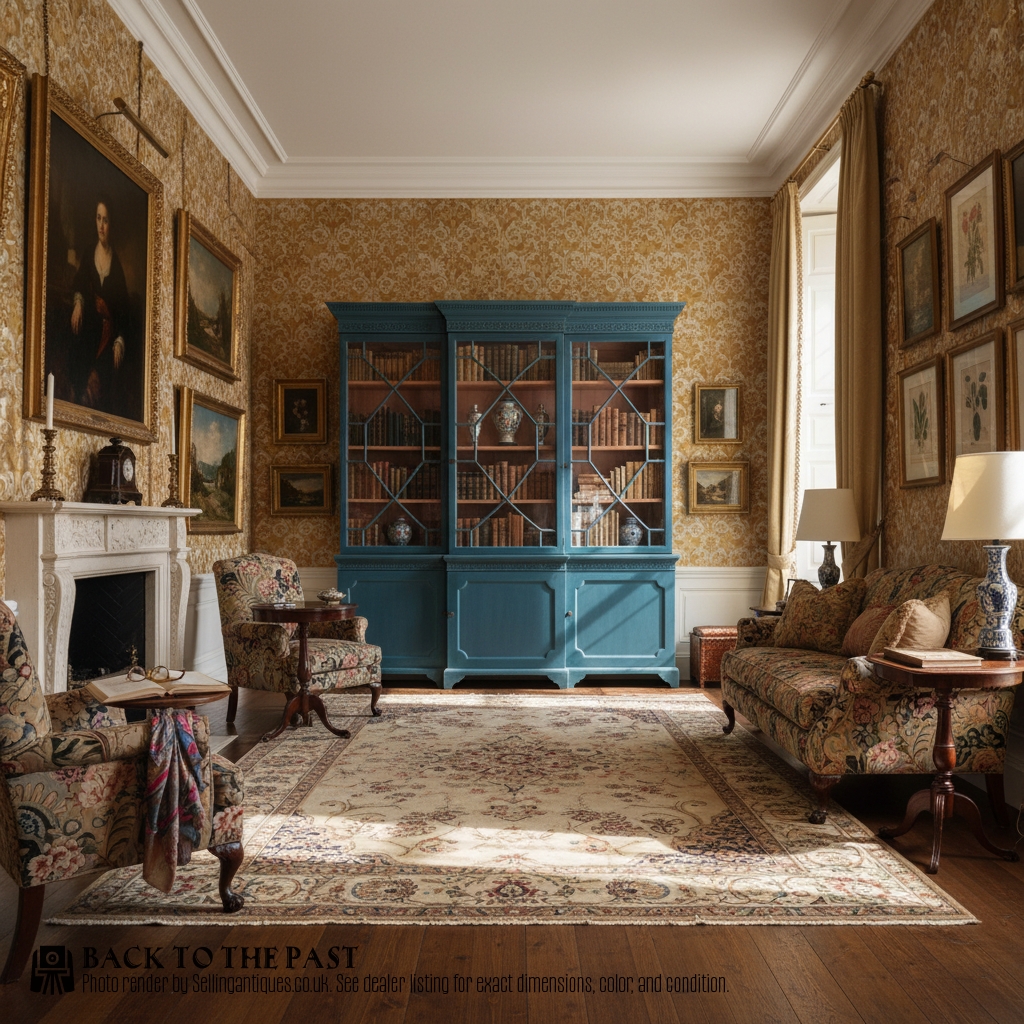
Painted China Cabinet
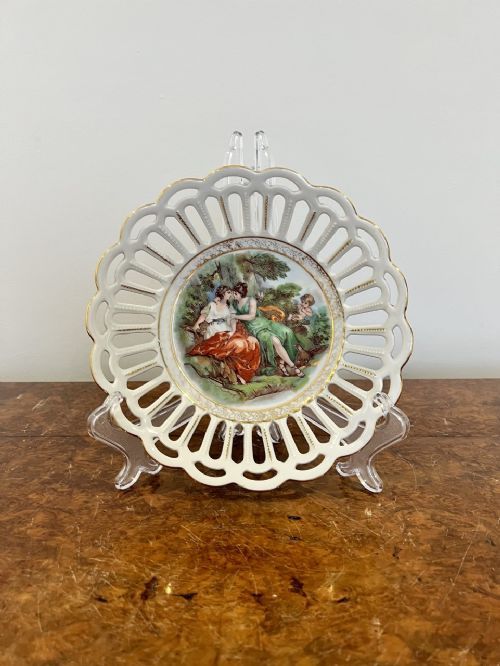
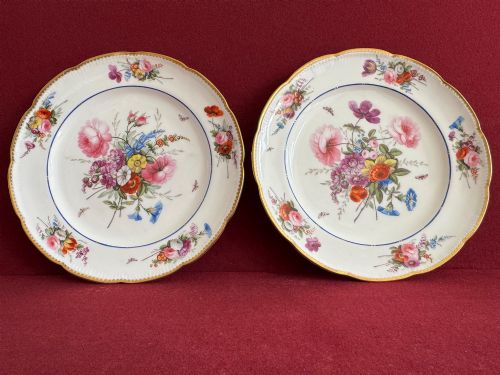
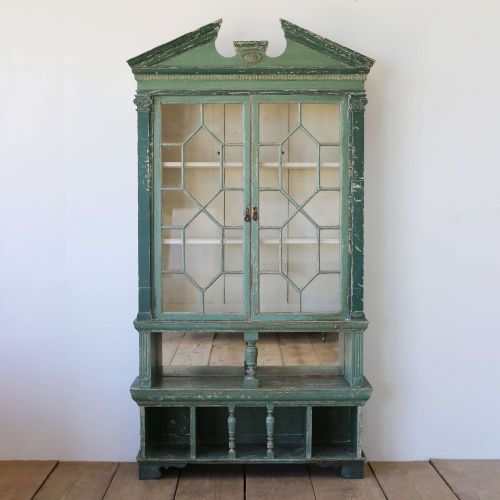
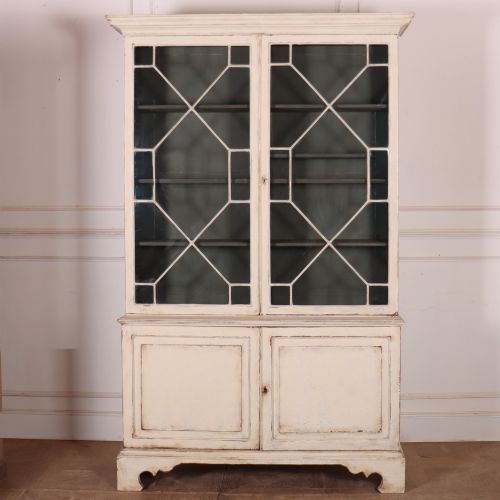
A painted china cabinet comprises display cabinets, bookcases with glass doors, and cabinet plates rendered in porcelain, bone china, and enamel. The search covers both the furniture made to display ceramics and the hand-painted plates designed specifically for cabinet display rather than everyday dining.
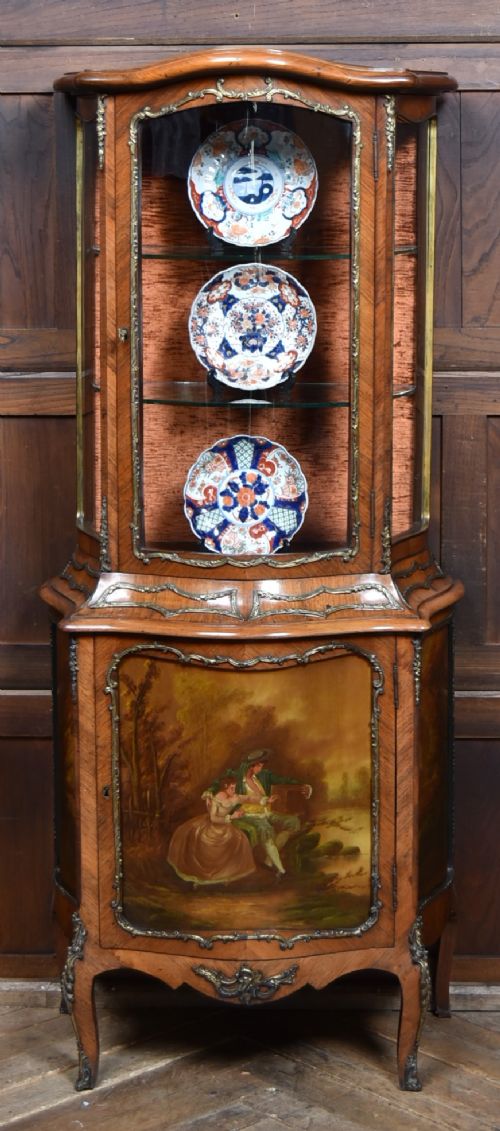
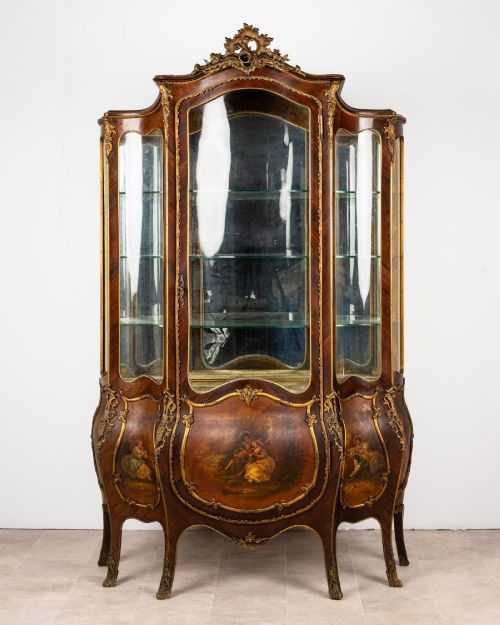
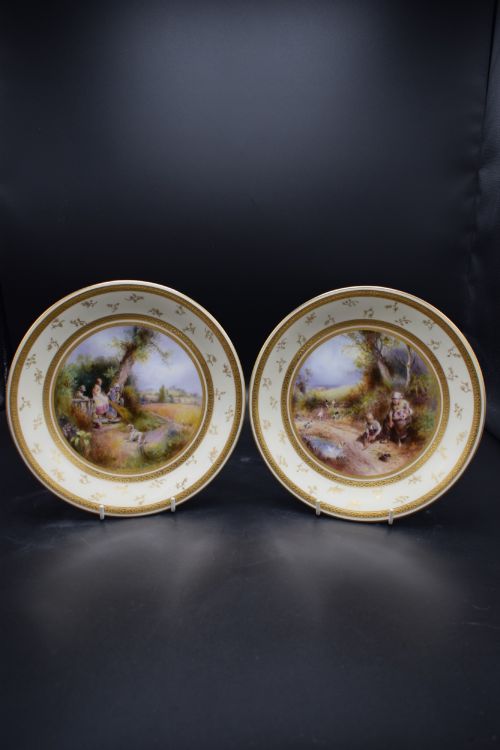
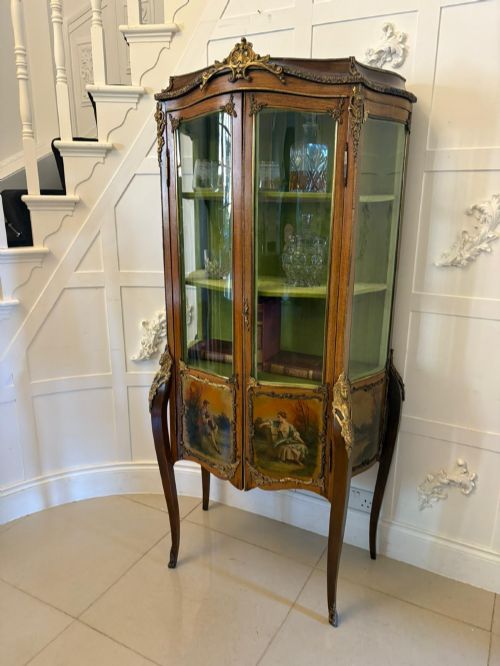
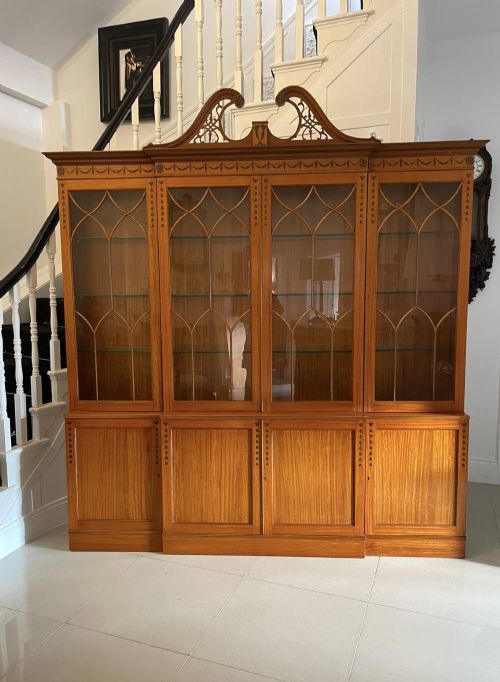
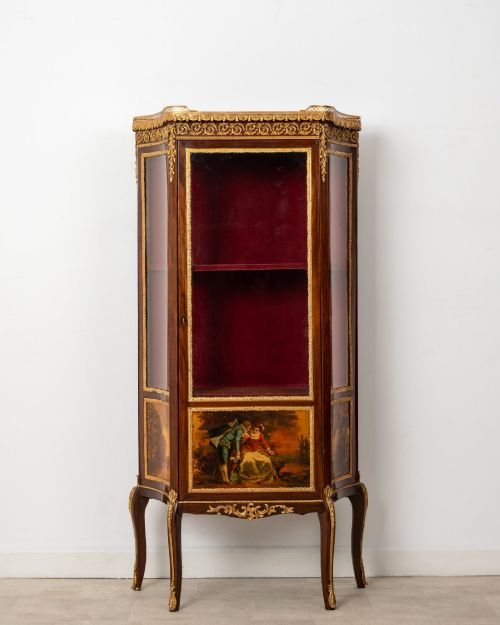
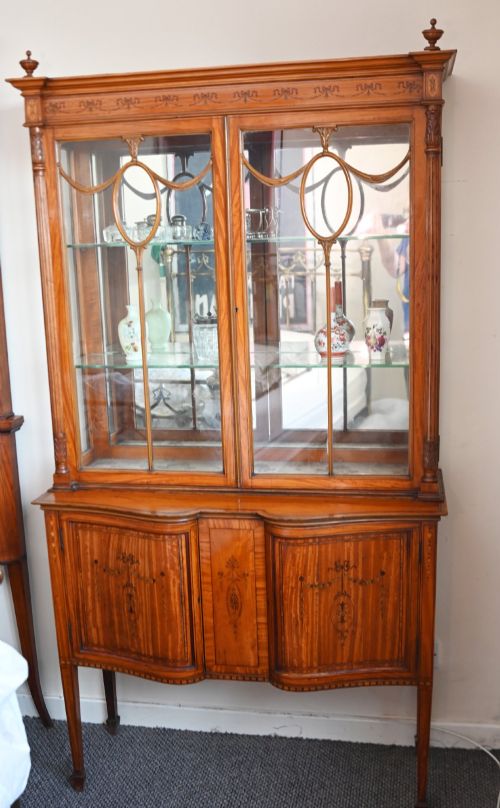
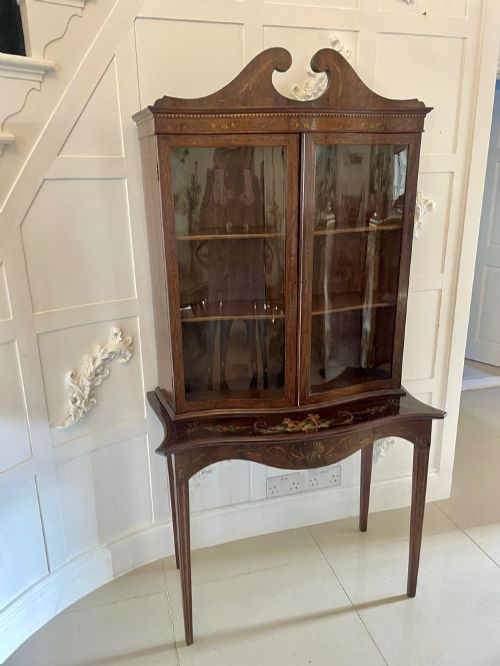
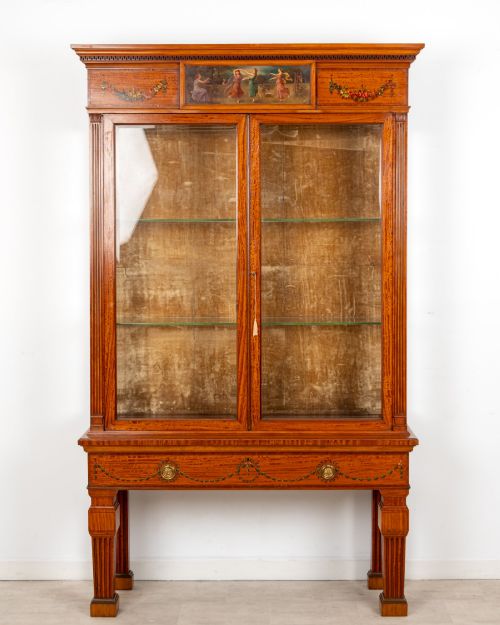
Buyers meet large satinwood and mahogany breakfront and bow-front display cabinets from the Victorian and Edwardian periods, alongside French vitrines decorated in the Vernis Martin style. Smaller pieces on the page include topographical cups, dessert plates, and service trios from factories such as Royal Worcester and Coalport.
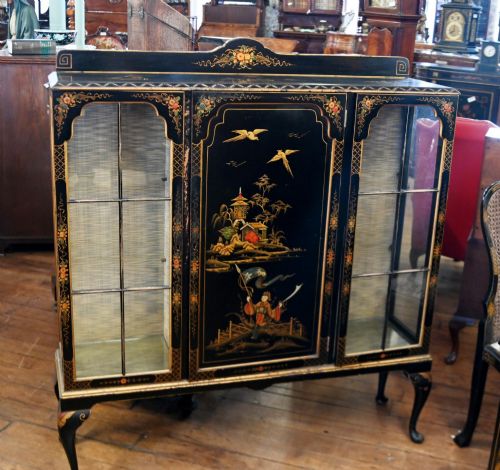
The furniture forms use woods like satinwood, mahogany, and pine, often carrying original painted decoration, astral glazing, or gilt bronze mounts. Plates and cups feature hand-painted bird, fruit, and portrait subjects executed on porcelain bodies.
How they were made
Furniture makers utilised hardwoods like satinwood and mahogany, building breakfront and serpentine vitrines fitted with astral glazed doors, brass hardware, and ormolu mounts. Surfaces received hand-painted decoration directly on the timber, sometimes protected by Vernis Martin lacquer techniques.
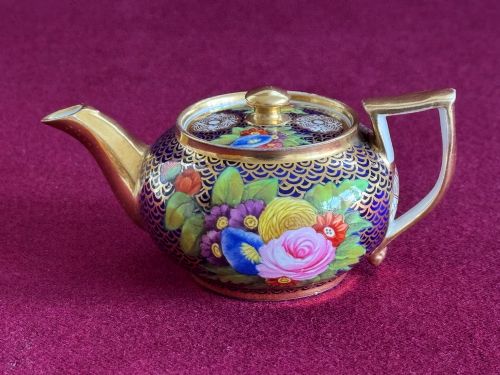
Ceramic pieces utilised porcelain and bone china bodies, shaped into cabinet plates, cups, and dessert dishes. Artisans applied hand-painted motifs using enamel colours, gold leaf, and gilding before firing the wares in kilns to fix the decoration.
Painted China Cabinet Retail Price Guide 2026
Typical asking prices for painted china cabinet among the pieces listed under this phrase on Sellingantiques today, from the lower quarter to the upper quarter. They describe what is for sale here now, not the wider market.
Listings span the nineteenth century through the 1930s, featuring porcelain, bone china, satinwood, and mahogany.
What varies in quality
Quality rests in the execution of the hand-painted decoration, where named artists such as Richard Sebright or Albert Shuck on Royal Worcester plates command attention. Furniture quality shows in the crispness of satinwood painting, the precision of astral glazing, and the integration of ormolu mounts.
The integrity of the original painted surface on both wood and porcelain dictates the standing of a piece. Intact Vernis Martin lacquerwork and undisturbed hand-painted ceramic enamels separate standard factory output from exceptional examples.
Hampton & Sons·Royal Worcester·H & R Daniel·Royal Crown Derby·KPM Berlin
The Painted China Cabinet Glossary
- Vernis Martin
- A simulated Japanese lacquer technique developed in France, utilising translucent varnishes over painted surfaces on display cabinets and vitrines.
- Astral Glazing
- Cabinet door construction using a lattice of slender wooden bars to hold individual panes of glass in geometric patterns.
- Cabinet Plate
- A decorative ceramic plate intended for display on a cabinet or wall rather than for use at the dining table.
- Cabinet Trio
- A matched set consisting of a teacup, coffee cup, and saucer, produced for display or cabinet use rather than tea service.
- Satinwood
- A lustrous tropical hardwood with a golden sheen, frequently employed as a veneer or solid timber for painted Edwardian furniture.
Painted China Cabinet: Frequently Asked Questions
What is a painted china cabinet?
A painted china cabinet is a glass-fronted piece of furniture designed to house and display fine ceramics, or alternatively refers to the hand-painted porcelain plates kept inside such furniture.
The listings combine these large display items with smaller decorative porcelain objects like cabinet plates and cups from the nineteenth and early twentieth centuries.
How were display cabinets decorated?
Cabinet makers used hand-painted floral and scroll motifs directly onto timbers like satinwood and mahogany, occasionally employing Vernis Martin lacquer techniques.
Glazed doors often featured astral bars, while French examples incorporated ormolu mounts and gilt bronze details around the glass panels.
What are cabinet plates used for?
Cabinet plates were created exclusively for visual display within vitrines and china cabinets rather than for serving food at the table.
Painters decorated these porcelain pieces with detailed fruit, bird, or portrait subjects to showcase the technical skill of factories like Royal Worcester.
How do I date a display cabinet?
Dating relies on timber choices, construction methods, and stylistic indicators such as Edwardian satinwood painting or Victorian mahogany framing.
Makers' marks on porcelain items inside the cabinet provide more precise manufacturing decades from periods like the Regency and Edwardian eras.