

Georgian Breakfront Cabinet
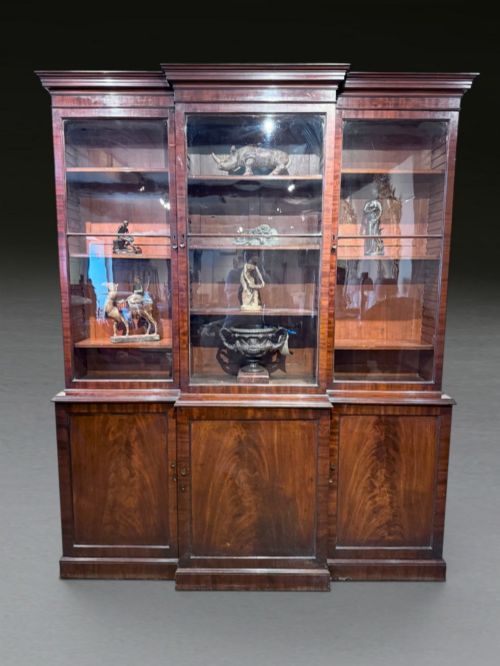
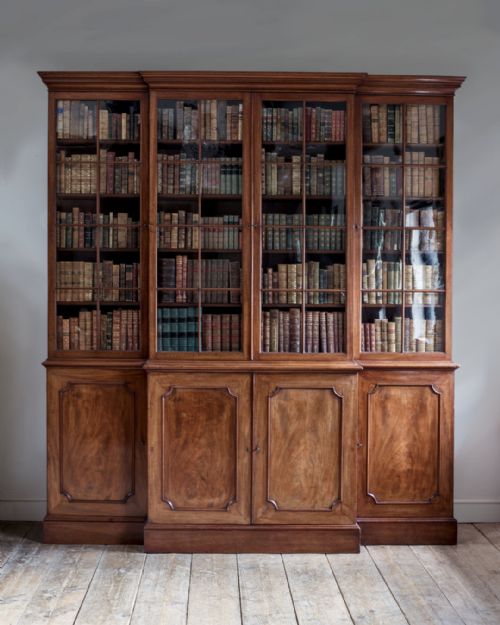
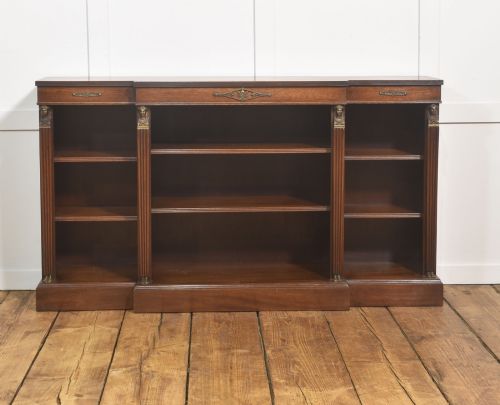
A georgian breakfront cabinet is a substantial architectural piece designed to display books or store linen, defined by its projecting central section.
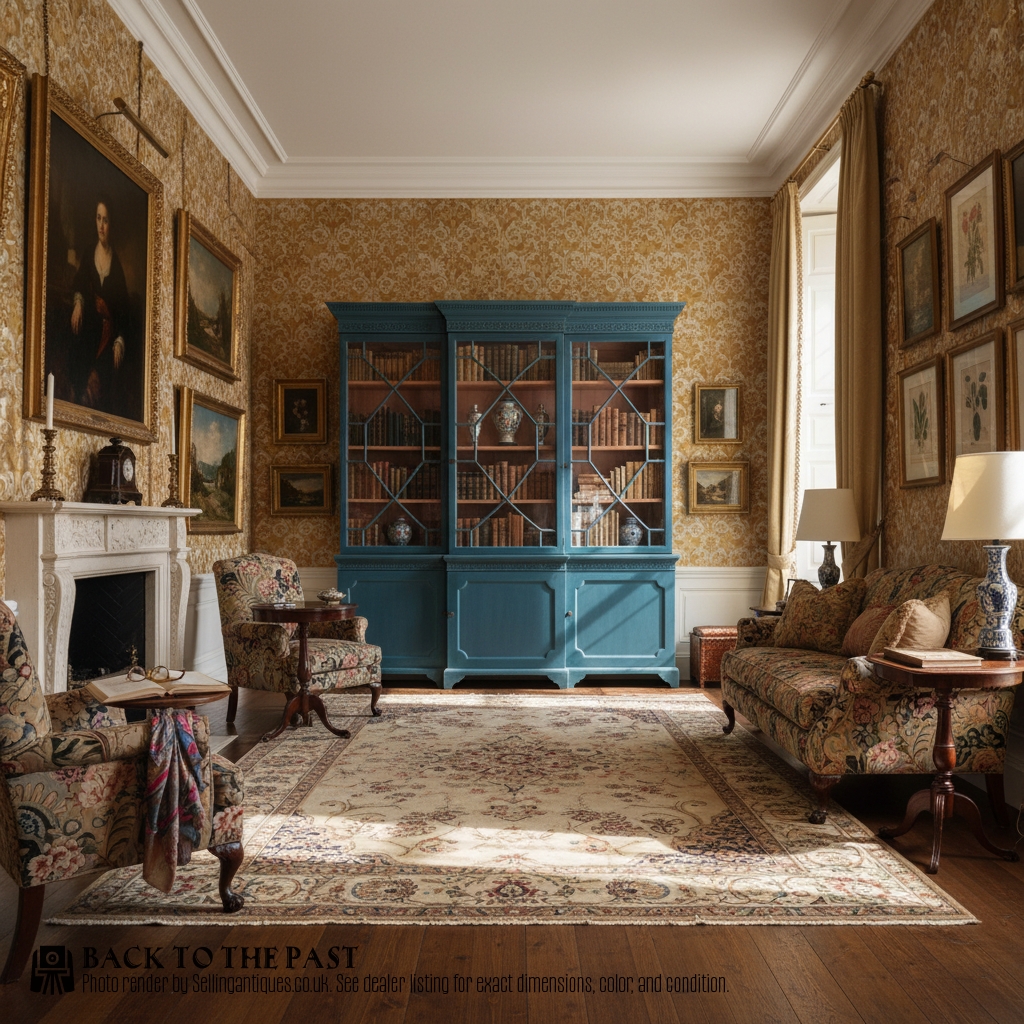
Georgian Breakfront Cabinet
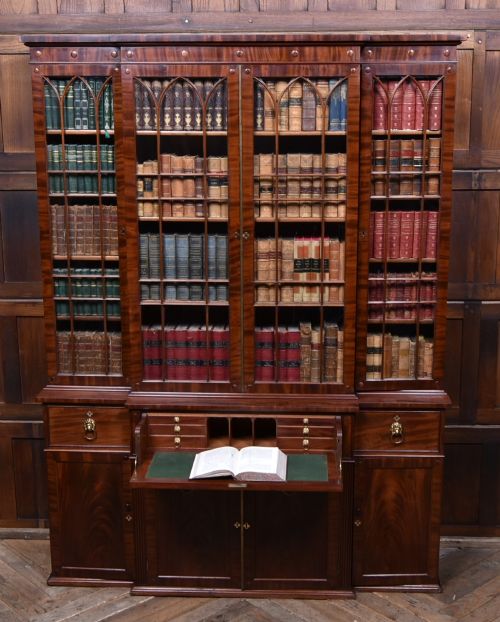
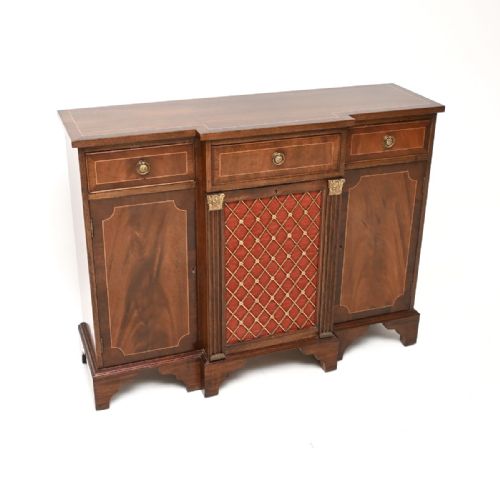
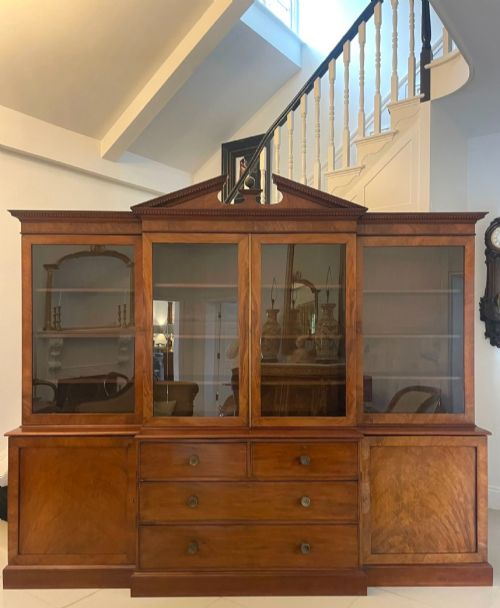
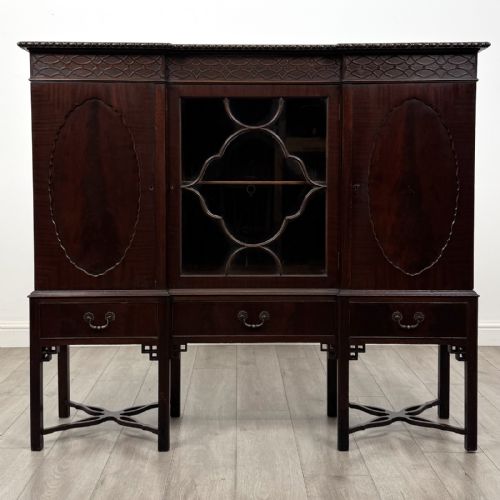
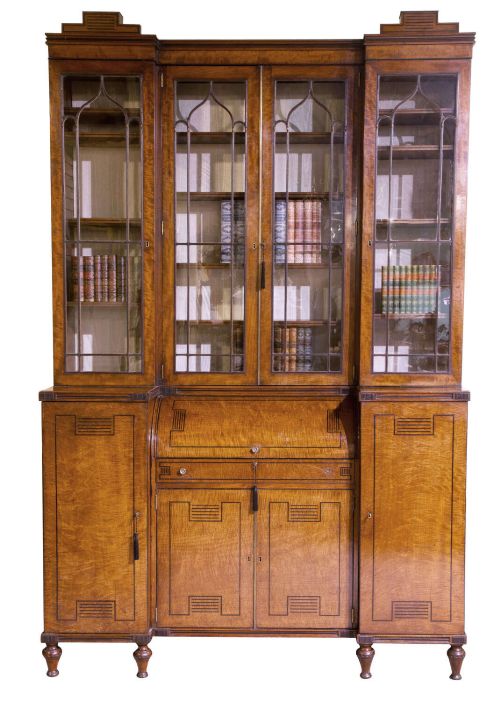
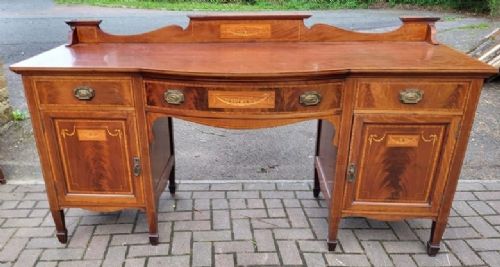
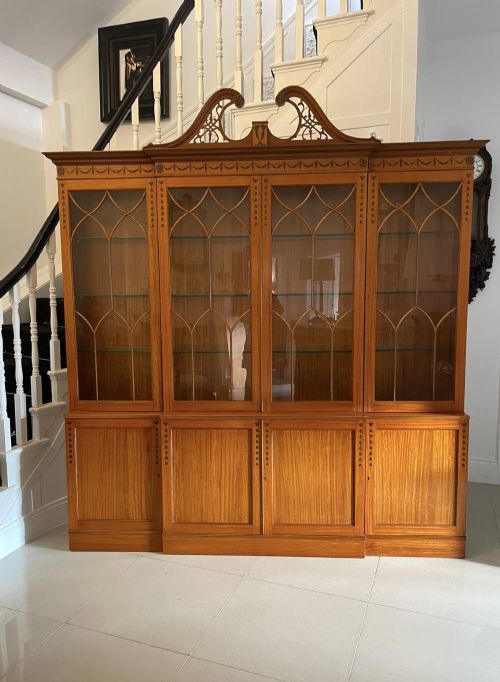
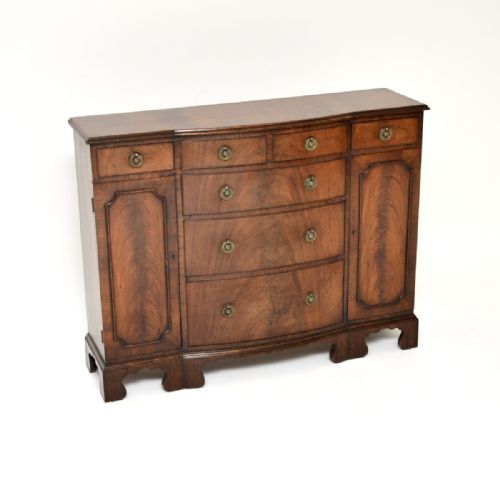
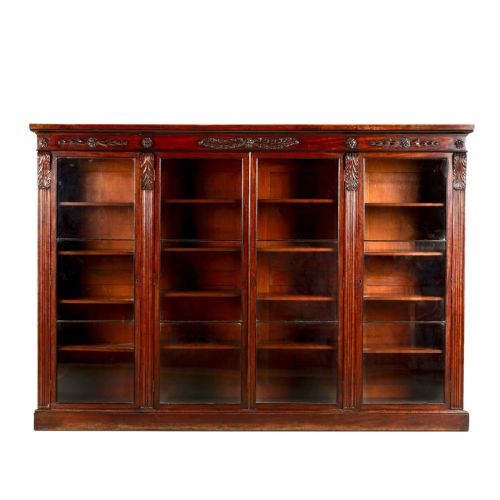
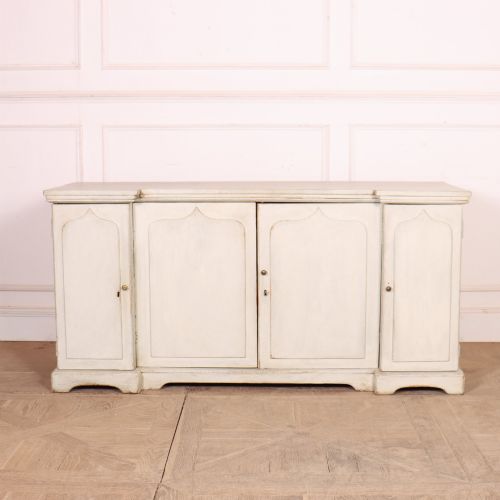
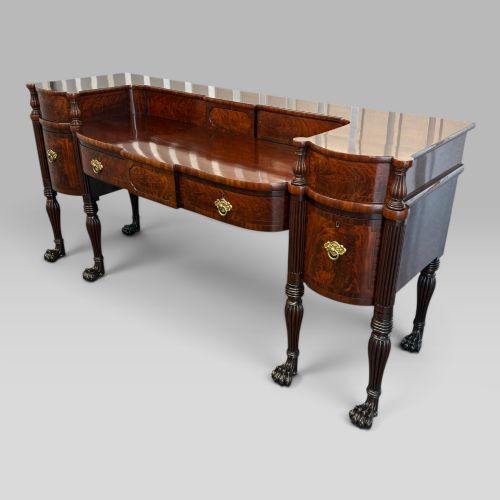
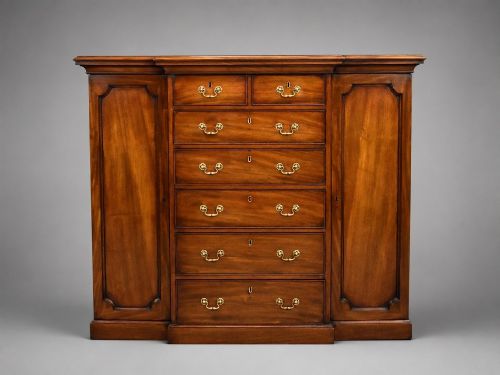
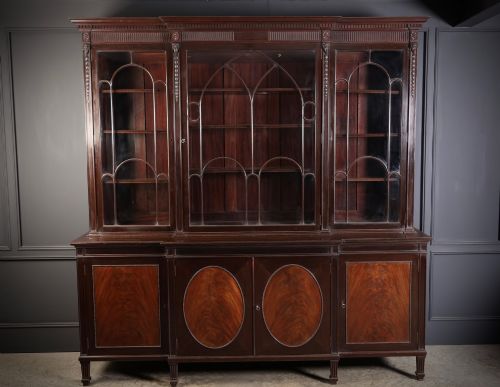
A georgian breakfront cabinet takes several forms across this selection, primarily appearing as large glazed bookcases, sideboards, linen press wardrobes, and side cabinets. The proportions are grand, often spanning significant width and height to dominate a library or dining room.
The pieces span the eighteenth, nineteenth, and early twentieth centuries, including authentic period items from the George III and Regency eras alongside later Georgian style revivals. Bookcases with astragal glazed doors and sideboards fitted with brass inlays or lion paw feet dominate the forms.
Makers and workshops construct these cabinets to serve both utility and display, organising libraries, dining spaces, and grand halls. Buyers encounter everything from tall floor bookcases to diminutive side cabinets and dresser bases.

How they were made
Cabinet makers built these pieces using solid timber and veneers, relying heavily on mahogany, alongside satinwood, oak, walnut, and amboyna. Flame mahogany veneers provide striking grain patterns on drawer fronts and cabinet doors, often highlighted by boxwood or ebony stringing.
Glazing takes the form of individual glass panes held together by wooden astragal bars, forming geometric patterns across large bookcase doors. Brass inlays, handles, and lion paw feet introduce metallic contrast, while painted decoration appears on later twentieth-century interpretations.
Georgian Breakfront Cabinet Retail Price Guide 2026
Typical asking prices for georgian breakfront cabinet among the pieces listed under this phrase on Sellingantiques today, from the lower quarter to the upper quarter. They describe what is for sale here now, not the wider market.
Listings feature mahogany as the dominant material, accompanied by brass, glass, oak, and satinwood across multiple periods.
What varies in quality
The selection of timber grain dictates much of the visual hierarchy, with figured and flame mahogany achieving a more striking surface than plain woods. Grain matching across large expanses of doors and drawers requires considerable skill from the maker.
The delicacy and precision of the astragal glazing bars and inlaid brass work separate standard production from exceptional pieces. Original glass panes, fine brass fittings, and intact architectural cornices distinguish the superior examples.
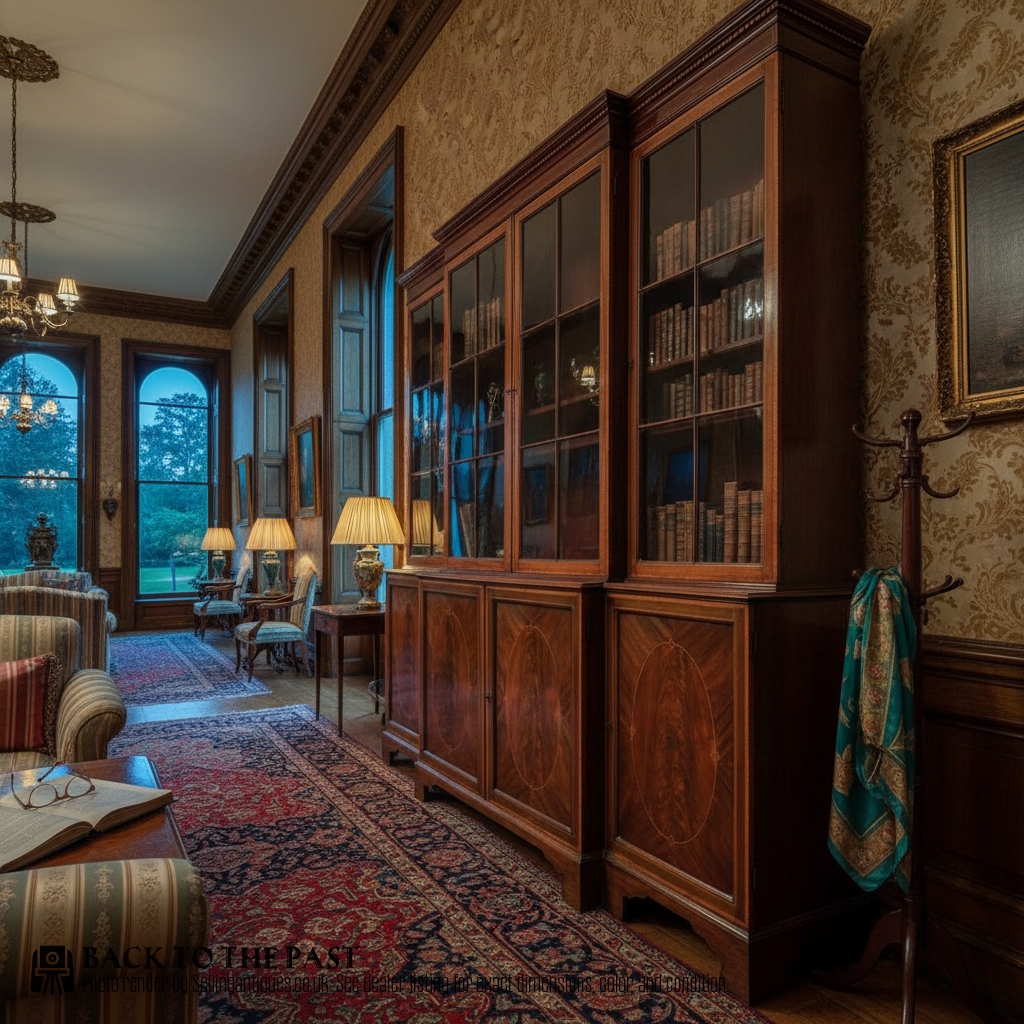
Maple & Co.
The Georgian Breakfront Cabinet Glossary
- Breakfront
- An architectural furniture design where the central section projects forward from the flanking outer wings. This configuration creates depth and visual rhythm across large bookcases and sideboards.
- Astragal
- A narrow moulding used to hold individual panes of glass within a glazed door frame. In these cabinets, wooden astragals form intricate geometric or gothic lattice patterns.
- Secretaire
- A desk drawer that pulls out and drops down to reveal a writing surface and small pigeonholes. This hybrid function allows a bookcase or cabinet to serve as a writing desk.
- Linen press
- A tall wardrobe or cupboard originally designed to store folded household linen on sliding interior trays. The upper section typically encloses shelves or trays while the base contains deep drawers.
- Stringing
- A thin inlay of contrasting wood or light-coloured timber set flush into the surface of furniture. It creates fine border lines around drawer fronts and cabinet doors.
Georgian Breakfront Cabinet: Frequently Asked Questions
How do I style a large breakfront bookcase?
Large breakfront bookcases work best anchored against a principal wall in a high-ceilinged room, library, or dining space. Their substantial proportions demand breathing room around them to display their architectural lines properly.
Interior shelving accommodates book collections, ceramics, or decorative objects behind the glazed doors. Lower cabinet sections provide concealed storage for items you prefer out of sight.
How do I tell George III from Victorian pieces?
George III pieces date from the late eighteenth or early nineteenth century and typically exhibit restrained neoclassical proportions, finer timber selection, and hand-cut joinery details. The woodwork often feels lighter and more precise.
Victorian cabinets, dating from the mid to late nineteenth century, tend to be heavier and more imposing with deep mouldings and dark figured mahogany. Revival pieces from later periods often copy these earlier styles with modern mechanical production.
What is an astragal glazed door?
An astragal glazed door uses a framework of thin wooden mouldings to divide a large window opening into smaller geometric panes of glass. This technique provides structural support while adding decorative detail.
These glazed doors protect book collections from dust while keeping the spines visible. The complexity of the wooden lattice pattern often indicates the quality of the cabinet.