
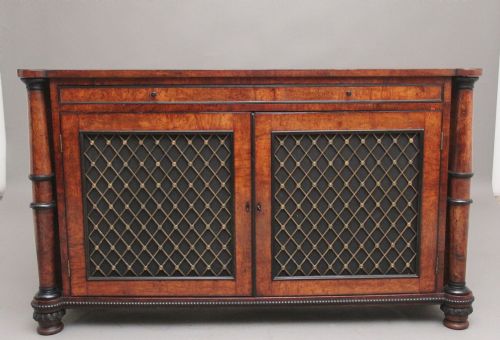
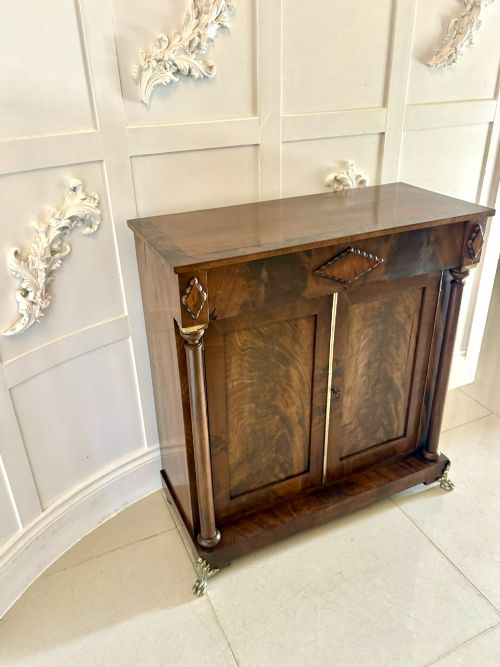
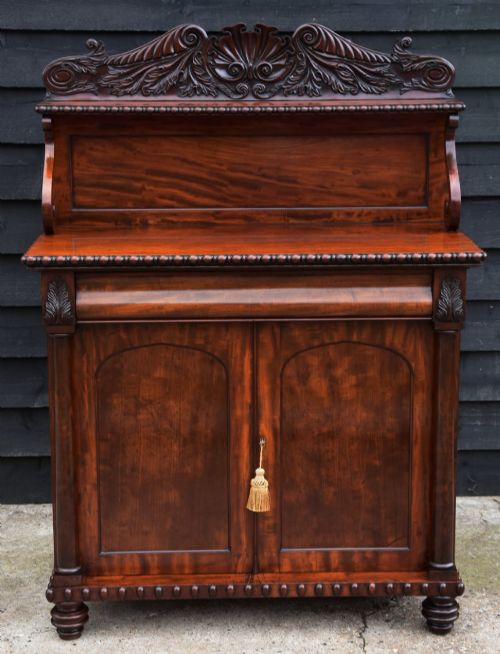
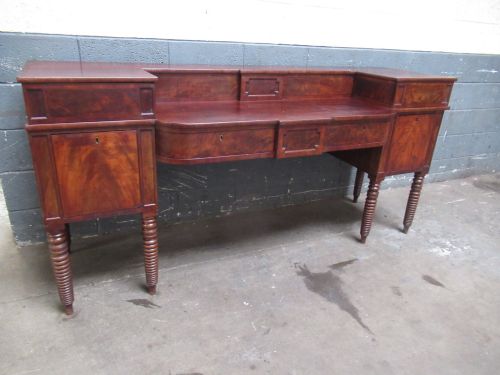
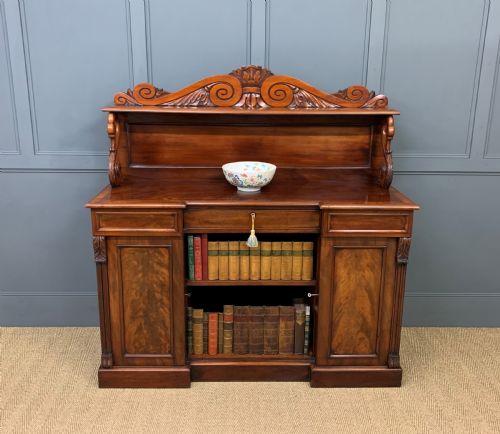
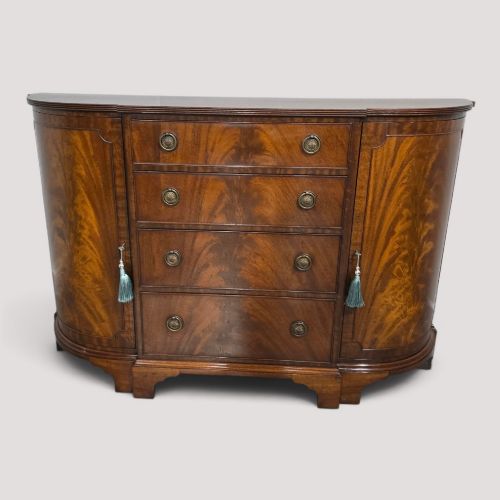
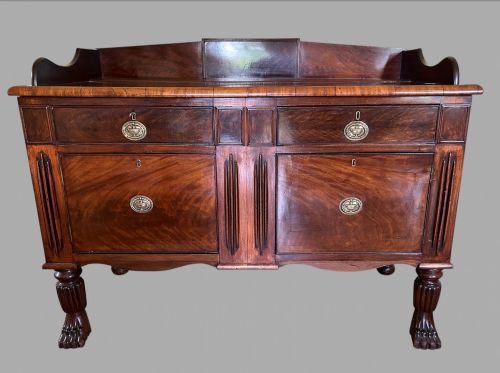
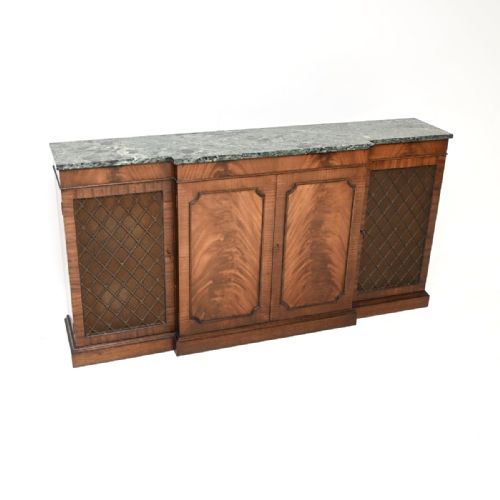
Regency Credenza Cabinet
A regency credenza cabinet brings architectural weight and rich timber tones to a room, offering enclosed storage with distinct period presence.
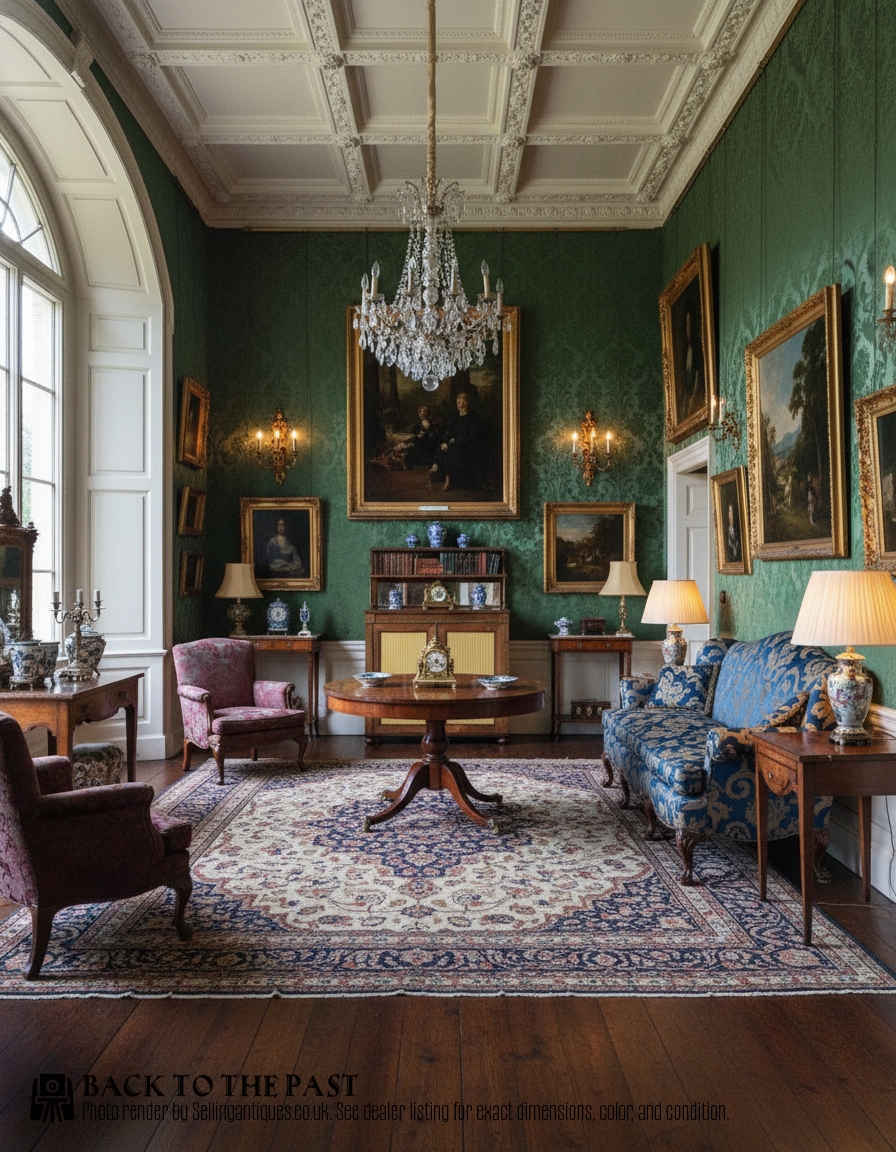
Regency Credenza Cabinet
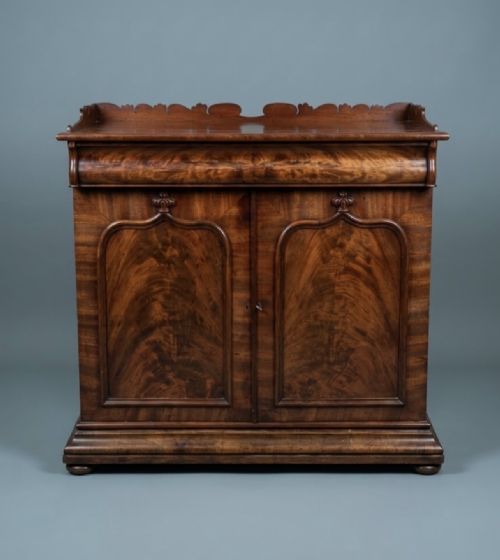
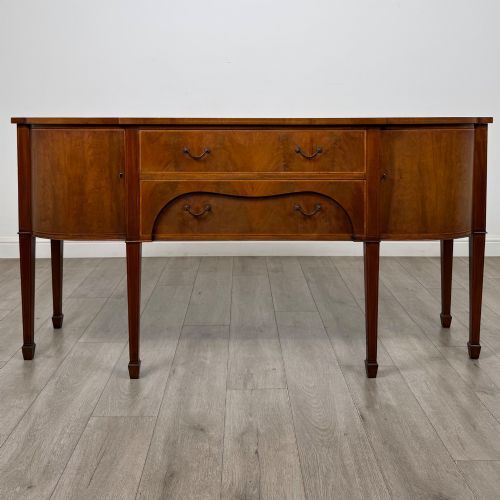
When searching for a regency credenza cabinet, buyers encounter low-slung storage furniture designed for formal reception rooms during the early nineteenth century and later revival periods. The listings show forms ranging from chiffoniers and side cabinets to bookcases and sideboards, spanning the Regency, William IV, and Victorian eras.
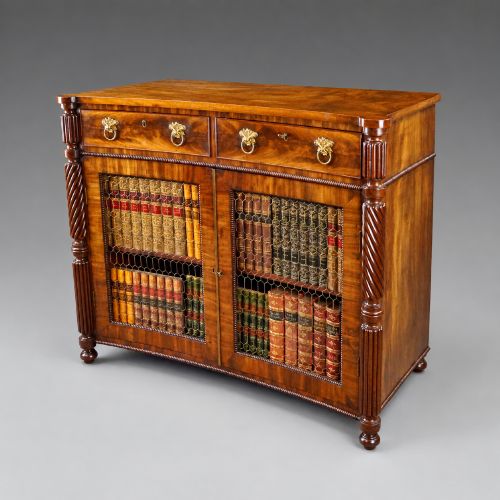
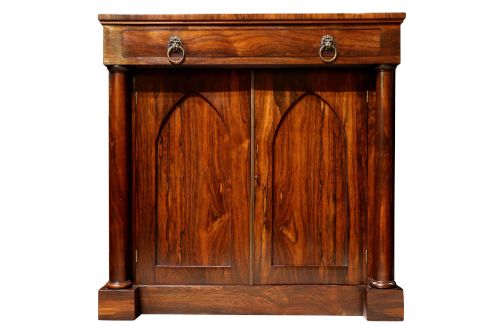
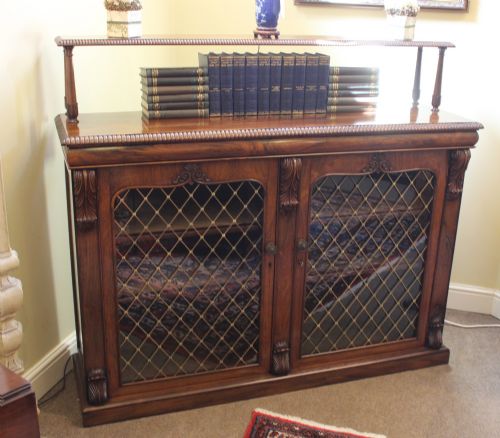
The version most commonly met on this page is the mahogany or rosewood chiffonier or side cabinet, often featuring panelled doors or glazed compartments. These pieces derive from periods including George IV and the broader nineteenth century, reflecting the shift toward low, multifunctional room furniture.
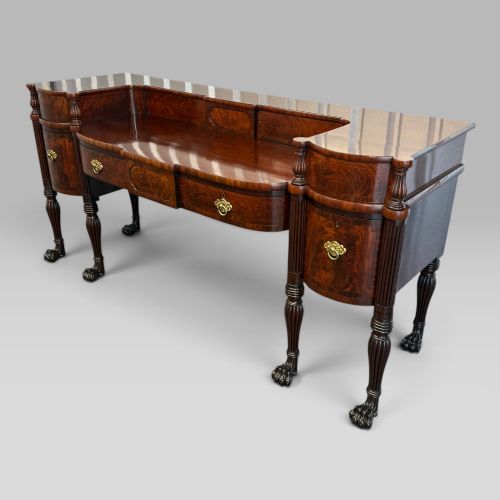
Makers and workshops of the era utilised diverse timbers, producing concave, bow-front, and breakfront profiles designed to sit flush against drawing room walls. Surviving examples incorporate architectural details such as marble tops, brass mounts, and inlaid stringing.

What varies in quality
The standard of timber selection determines visual distinction, separating cabinets faced with plain wood from those displaying dense flame mahogany veneer or rich rosewood grain. Master workshops employed symmetrical grain matching across doors and drawer fronts to enhance the piece.
Refinement in secondary details such as cast brass mounts, pierced gallery rails, and finely cut brass inlay dictates the standing of an individual cabinet. The precision of door alignment and the integrity of internal mahogany shelving further distinguish workshop production.
Regency Credenza Cabinet Retail Price Guide 2026
Typical asking prices for regency credenza cabinet among the pieces listed under this phrase on Sellingantiques today, from the lower quarter to the upper quarter. They describe what is for sale here now, not the wider market.
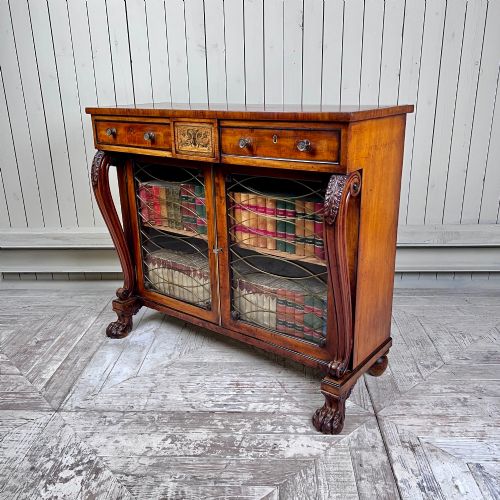
Lion paw feet regularly anchor the corners, giving serious nineteenth-century storage an unexpected dash of botanical menagerie.
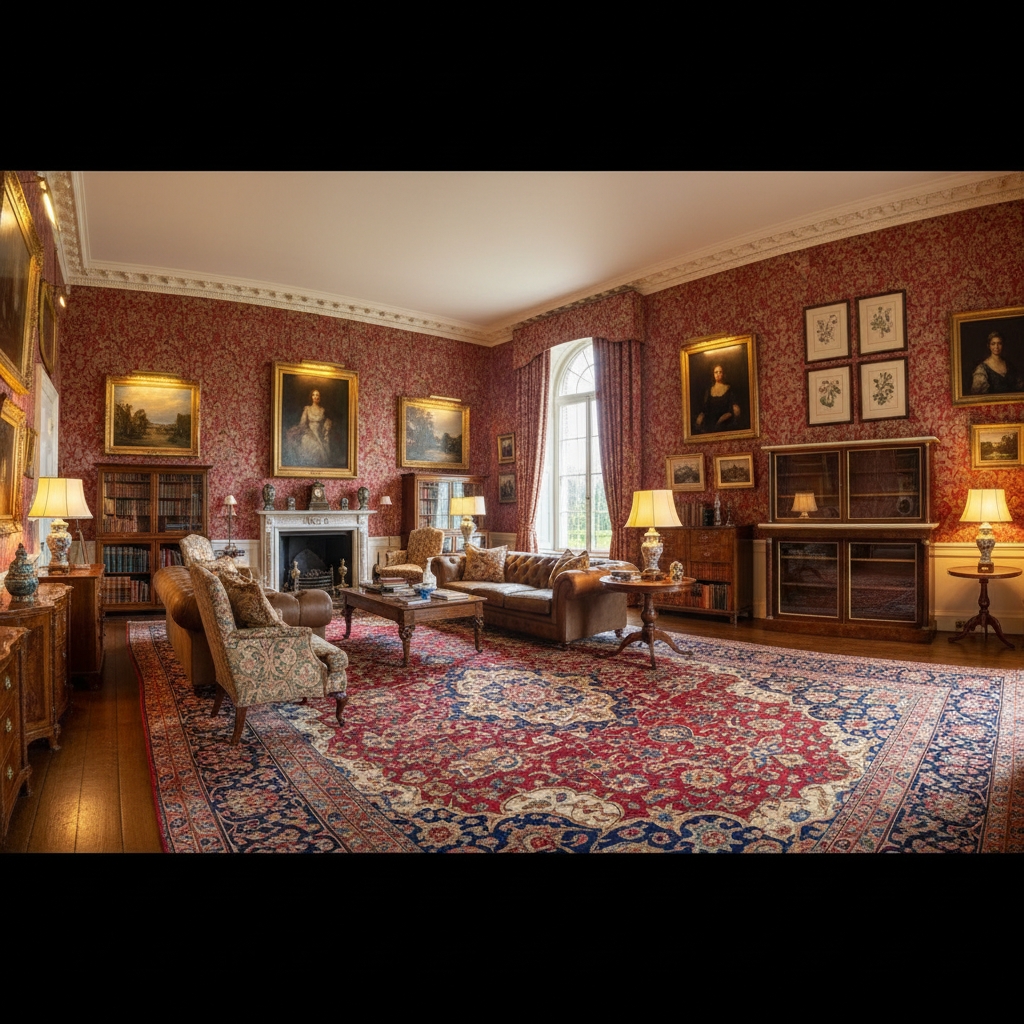
Gillows·Louis Constantin Le Gaigneur
The Regency Credenza Cabinet Glossary
- Chiffonier
- A low cabinet featuring a shelf raised on pillars above the main body, typically fitted with cupboards below. This form became prevalent during the Regency period for dining and drawing rooms.
- Flame mahogany
- A veneer cut from the fork of the mahogany tree where branches meet the trunk, producing a distinctive, flickering flame pattern. Cabinet makers reserved this timber for principal facade surfaces.
- Breakfront
- A piece of furniture whose front projects forward in sections, with the central portion advancing ahead of the flanking wings. This architectural arrangement creates shadow and depth.
- Gilt-metal grille
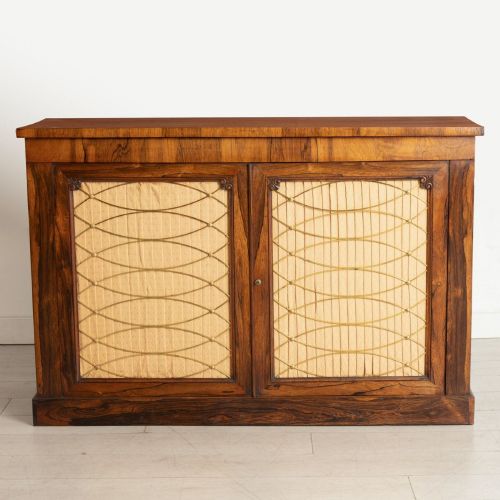
- A fine wire mesh screen fitted into cabinet doors in place of wood or glass, often backed with pleated fabric. It allowed ventilation for books while concealing contents.
Regency Credenza Cabinet: Frequently Asked Questions
What is a regency credenza cabinet used for?
These low cabinets served primarily in dining rooms and drawing rooms for storing china, glassware, and silver, or for holding books in morning rooms.
Today, they function effectively as media consoles or sideboards in living spaces, providing surface display area alongside concealed shelving.
How do I distinguish Regency from Victorian pieces?
Regency pieces dating from the early nineteenth century generally exhibit restraint, refined brass inlay, and classical architectural proportions inspired by Greek and Roman models.
Later Victorian interpretations tend toward heavier proportions, darker finishes, and more robust carving reflecting changing domestic tastes.
What timbers were used in construction?
Primary woods include dense tropical hardwoods such as mahogany and rosewood, frequently enhanced with flame veneers, pollard oak, or goncalo Alves.
Secondary woods like pine and oak appear on internal components, drawer linings, and backboards hidden from view.
Are marble tops original to these cabinets?
Certain side cabinets and chiffoniers were manufactured with inset white or variegated marble slabs designed to provide a durable serving surface.
These tops were integrated into the primary design, particularly on pieces intended for display or heavy daily use in reception rooms.