



English Glazed Bookcase
An English glazed bookcase protects a collection behind glass panes while grounding a room with centuries of cabinet-making craft.

English Glazed Bookcase
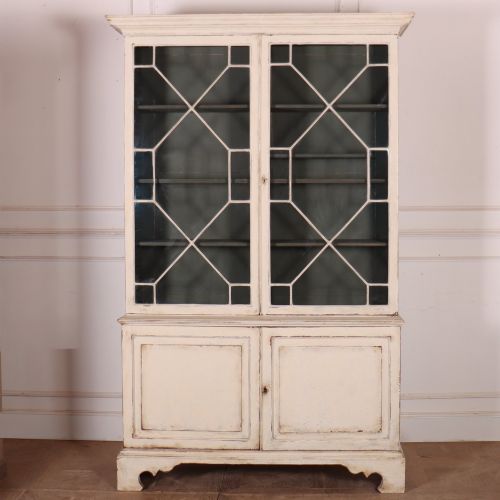
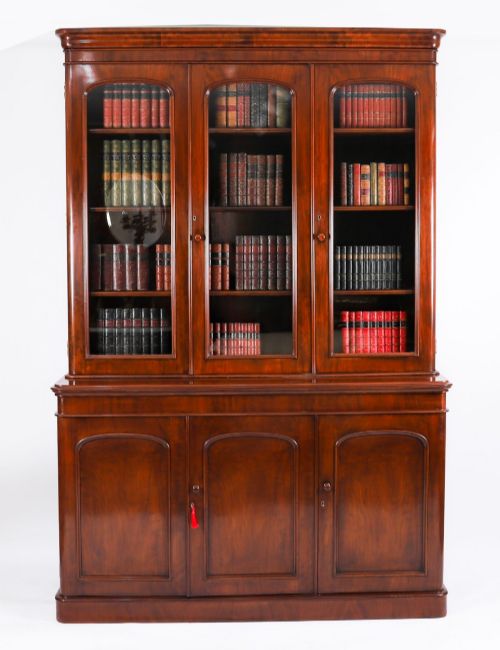
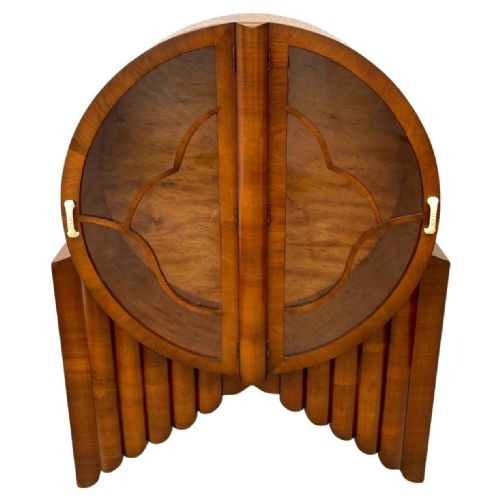
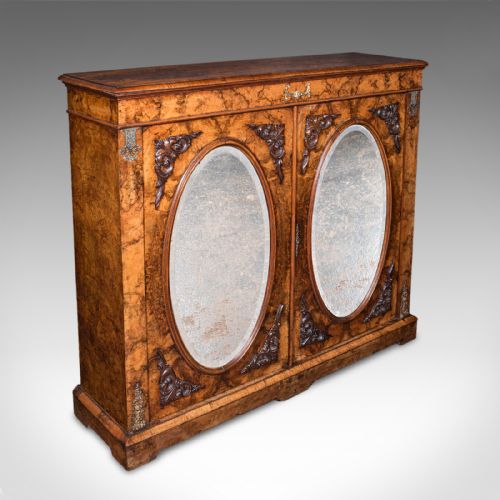
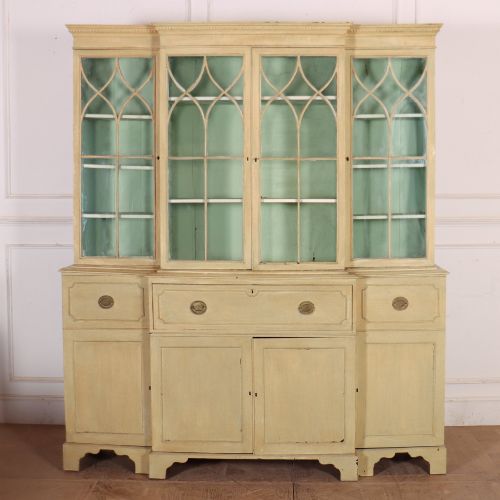
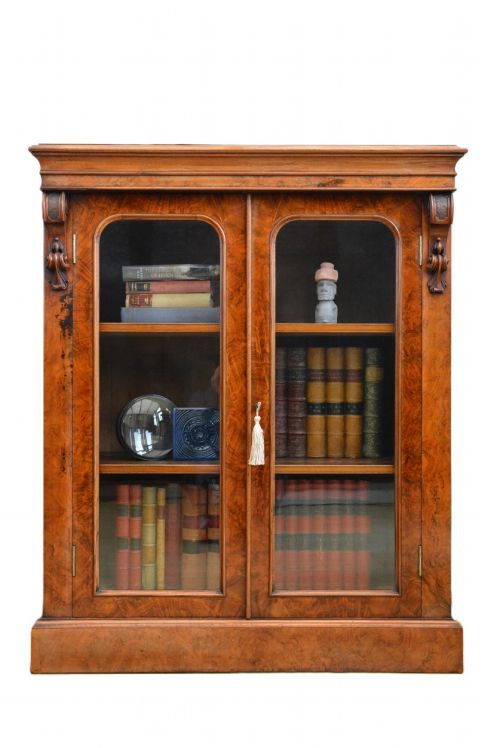
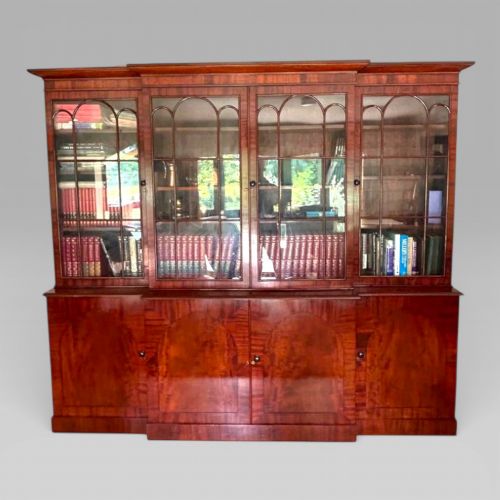
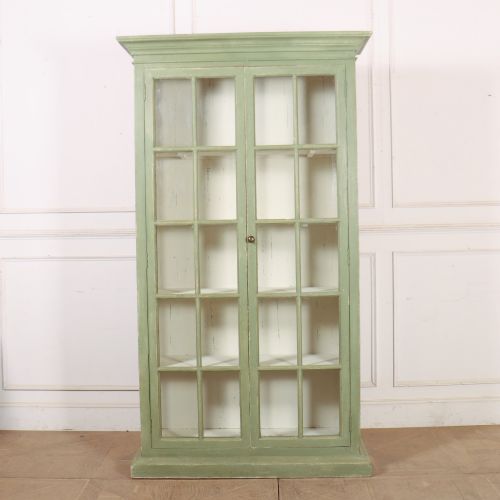
When searching for an english glazed bookcase, buyers encounter a variety of forms designed to house volumes or display curated objects. The selection ranges from tall library breakfronts and bureau bookcases to compact display cabinets and kitchen dressers.
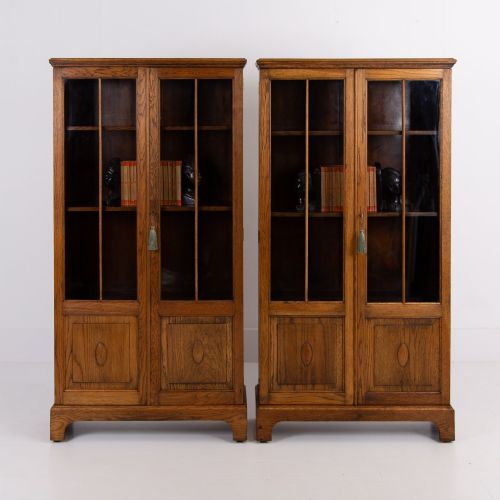
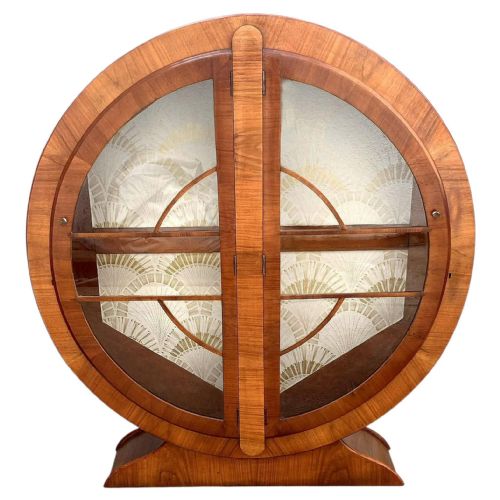
Pieces originating from the eighteenth, nineteenth, and early twentieth centuries dominate the record. Regency, Victorian, and Art Deco designs appear frequently alongside country house styles and oak iterations.
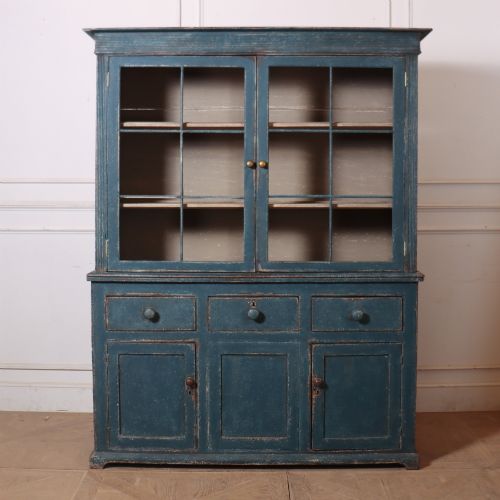
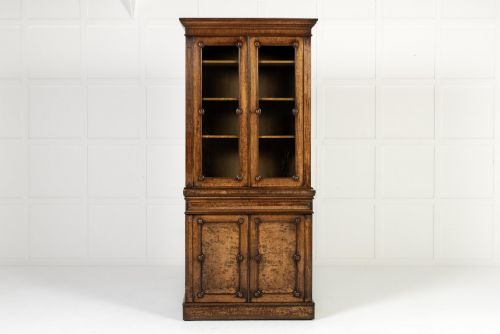
The layout typically pairs a glazed upper cabinet with lower wooden cupboards, drawers, or a secretaire drop-front desk. Regional pieces, such as West Country dressers, offer robust vernacular interpretations of the form.
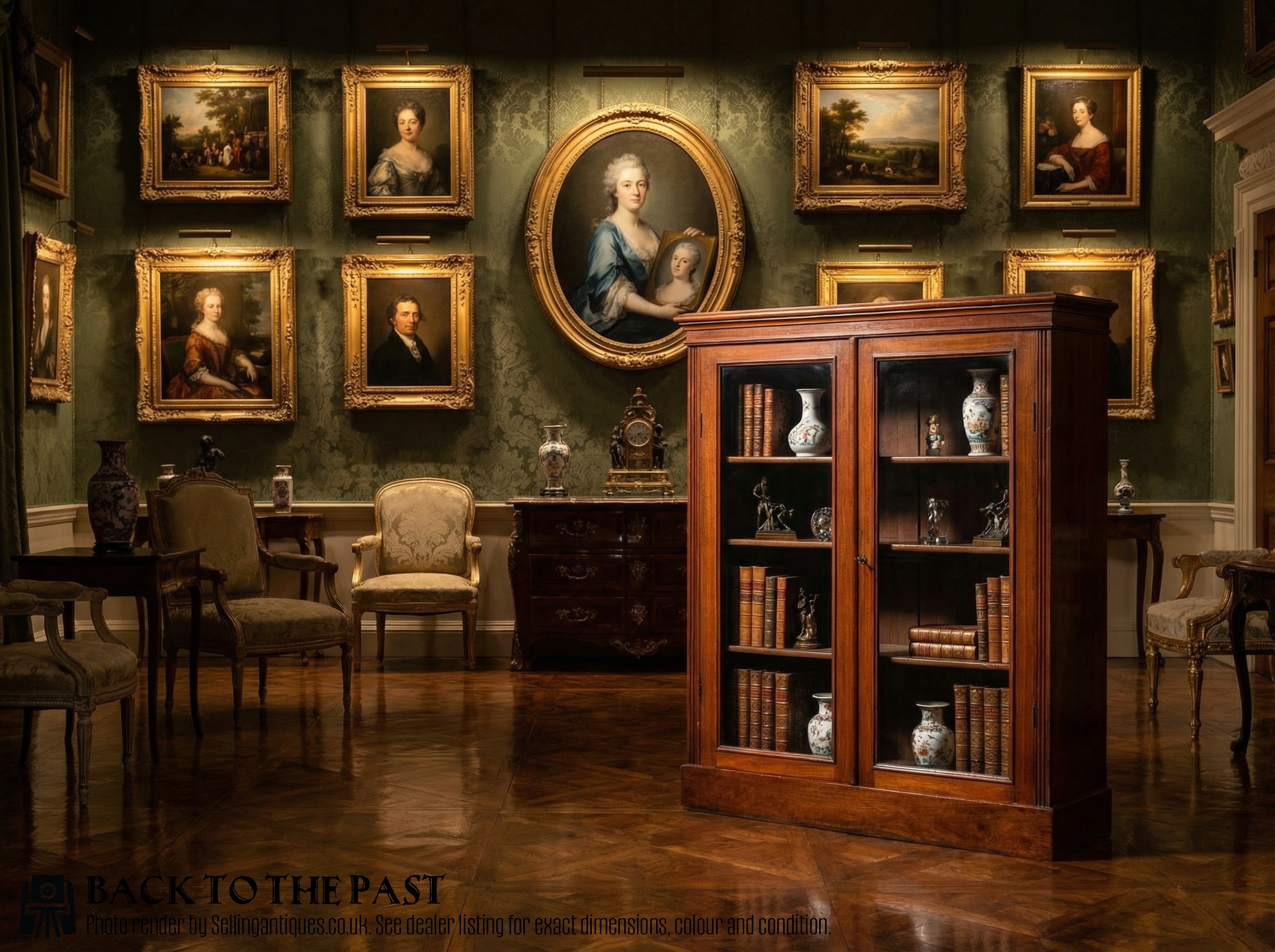
Materials and Construction
Cabinet makers utilised dense hardwoods including mahogany, walnut, and oak to construct the primary frames. Figured veneers, burr walnut, and flame mahogany surface treatments add visual depth to formal library pieces.
Glazing relies on timber bars or astragals to hold individual glass panes within the door frames. Brass hardware, ormolu accents, and occasional Tunbridgeware inlay complete the structural and decorative assembly.
English Glazed Bookcase Retail Price Guide 2026
Typical asking prices for english glazed bookcase among the pieces listed under this phrase on Sellingantiques today, from the lower quarter to the upper quarter. They describe what is for sale here now, not the wider market.
Recorded formats include grand breakfront library cabinets, provincial kitchen dressers, and rotating sectional office bookcases.
Design and Execution
The grade of timber selection and the precision of the veneer work dictate the visual impact of an individual cabinet. Finely figured grains and symmetrical layouts distinguish ambitious cabinet-making from straightforward utility furniture.
Joinery execution, from the muntins holding the glass to the dovetailing within internal drawers, separates standard production from exceptional craftsmanship. Original glass panels and intact period hardware also elevate the standing of a piece.
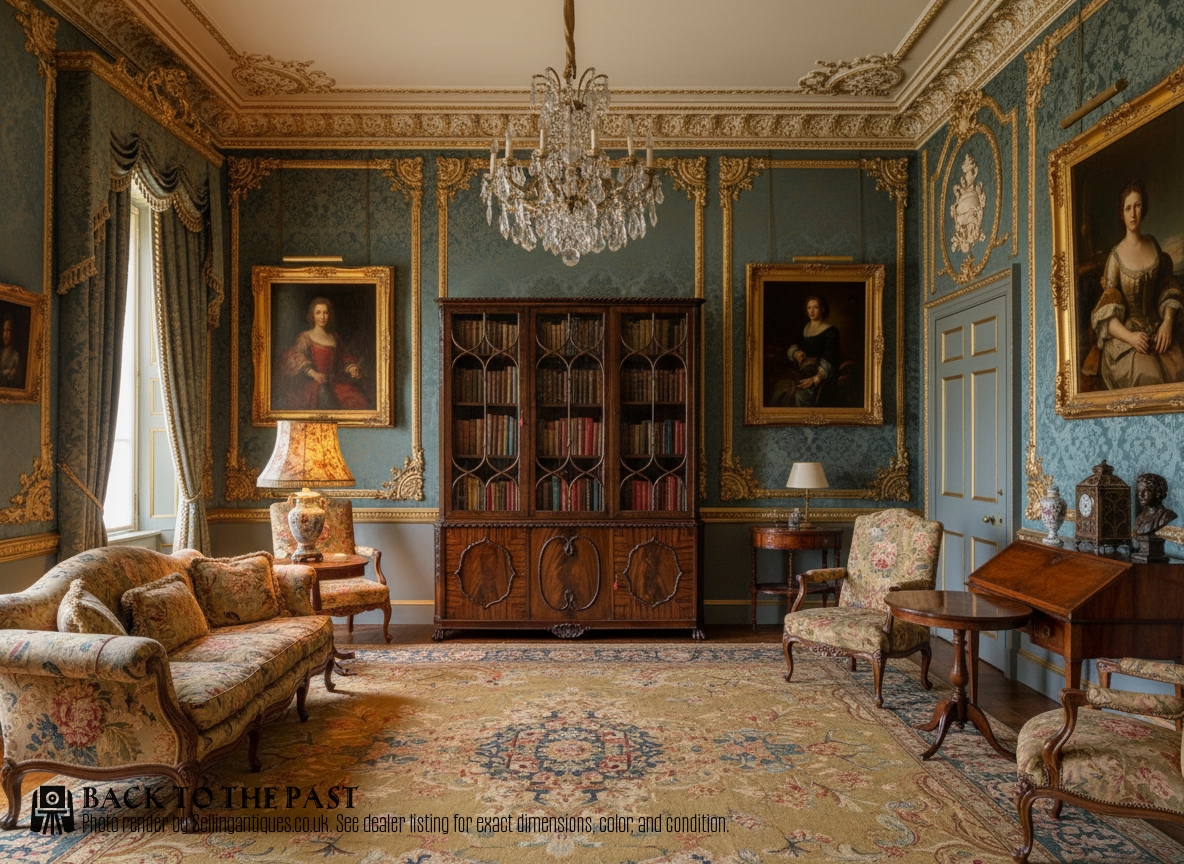
Marsh & Tatham·S&H Jewell of London
The English Glazed Bookcase Glossary
- Astragal
- The moulded timber bar that divides and holds individual panes of glass within a door frame. These slender wooden strips often form geometric or curved lattice patterns.
- Breakfront
- A large cabinet design where the central section projects forward from the flanking wings. This architectural arrangement creates depth and breaks up long expanses of shelving.
- Secretaire
- A desk form featuring a hinged drop-front drawer that conceals a writing surface and small pigeonholes. It combines a bookcase upper section with functional writing furniture.
- Vitrine
- A glass-fronted display cabinet intended for the exhibition of delicate objects rather than standard book storage. These pieces emphasise uninterrupted visibility through large glazed surfaces.
- Tunbridgeware
- A form of mosaic woodwork using tiny blocks of naturally coloured timbers to create geometric pictures or borders. This technique decorates small surfaces on specific nineteenth-century cabinets.
English Glazed Bookcase: Frequently Asked Questions
How do I clean the old glass panes?
Use a soft microfibre cloth dampened slightly with a mild glass cleaner sprayed onto the cloth rather than directly onto the wood. This prevents moisture from seeping into fragile antique timber frames or historic finishes.
Exercise caution around puttied or glazed joints that have dried over centuries. Gentle wiping preserves the original glass integrity without putting undue pressure on the astragals.
Can I adjust the internal shelving height?
Many older pieces feature fixed wooden shelving integral to the original carcase construction. Altering these layouts requires professional intervention to avoid compromising the structural rigidity of the cabinet.
Later Victorian and Edwardian examples occasionally incorporate ratchet strips or wooden support pegs that allow minor vertical adjustments for different book sizes.
How do I protect books inside the cabinet?
Maintain a stable indoor climate away from direct sunlight and severe temperature fluctuations to prevent the paper and bindings from drying out. Good air circulation within the room helps stop dampness from accumulating behind closed glass doors.
Avoid overloading shelves, which can warp horizontal timbers over time. Support heavy folios flat rather than vertically if the binding shows signs of strain.
What is the difference between a bookcase and a vitrine?
Traditional bookcases generally prioritise shelf depth and sturdy wooden construction for housing heavy volumes. Their glazed doors serve to keep dust off paper rather than offering panoramic views of objects.
Vitrines and display cabinets typically feature glass panels on the sides as well as the front, paired with lighter internal framing. They showcase ceramics, glass, or curiosities rather than working libraries.