

Vintage Cocktail Bar
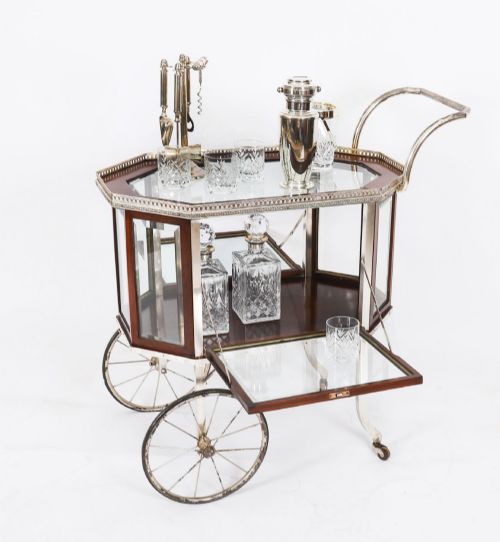
A vintage cocktail bar brings home the glamour of entertaining, offering fitted compartments and fold-down surfaces for pouring drinks in style.
What a vintage cocktail bar is
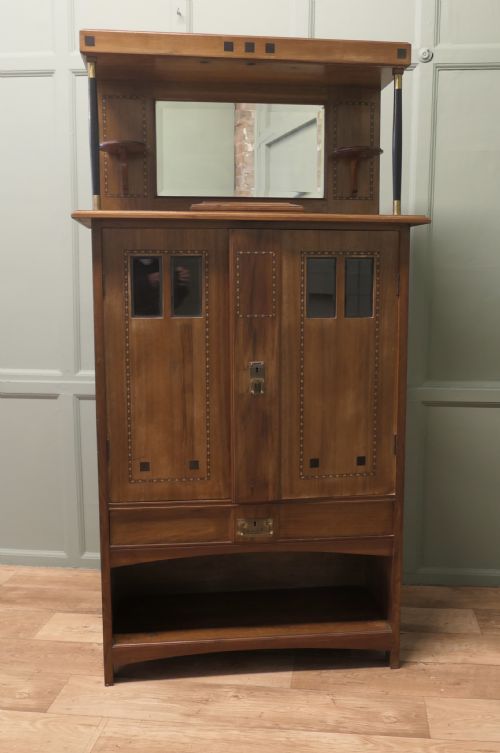
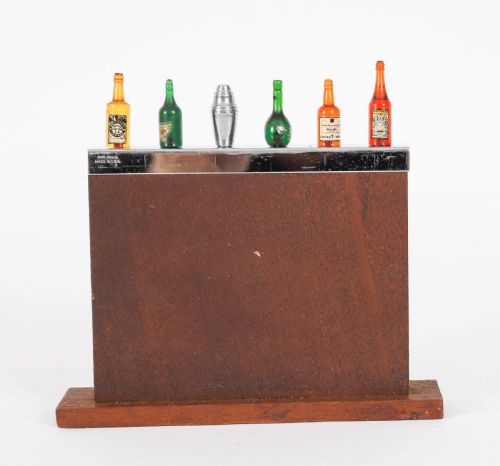
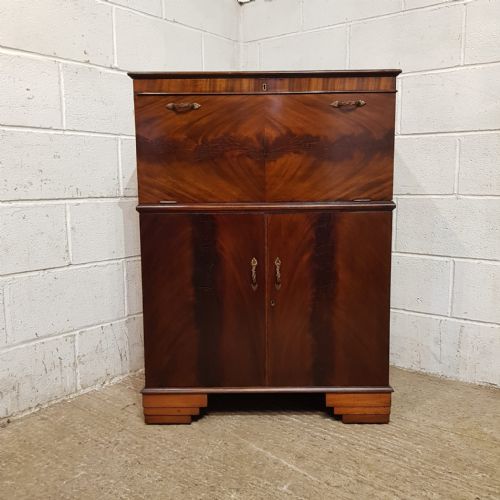
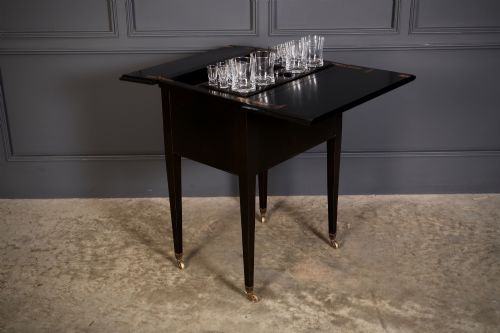
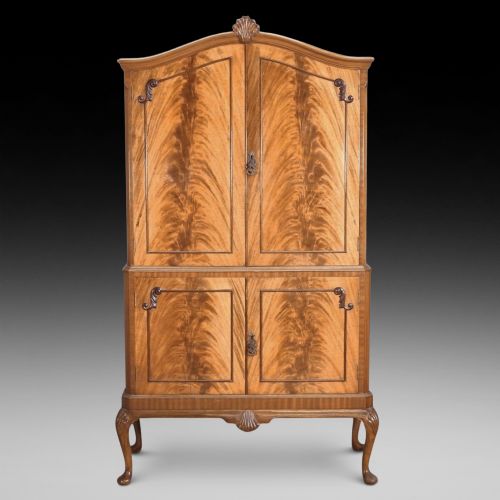
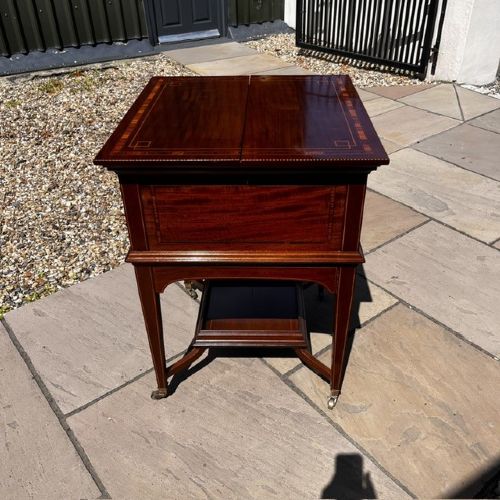
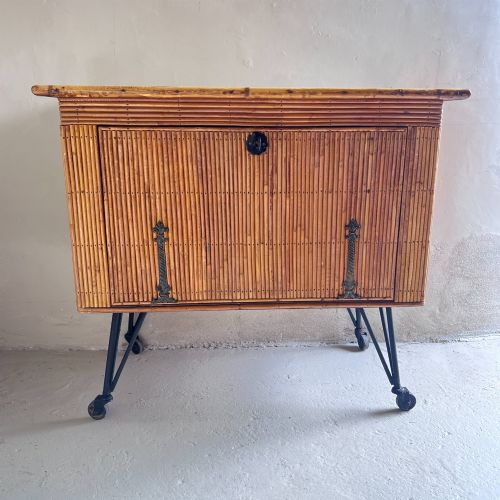
When searching for a vintage cocktail bar, buyers look for dedicated furniture designed to store and serve drinks from the early to mid-twentieth century. The primary forms seen here are cocktail cabinets, drinks cabinets, and dry bar tables.
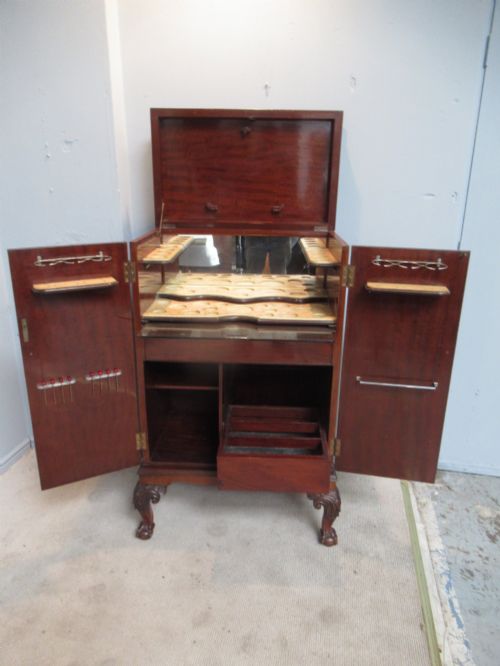
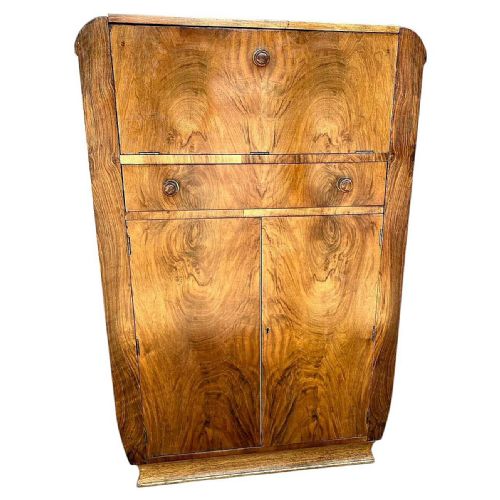
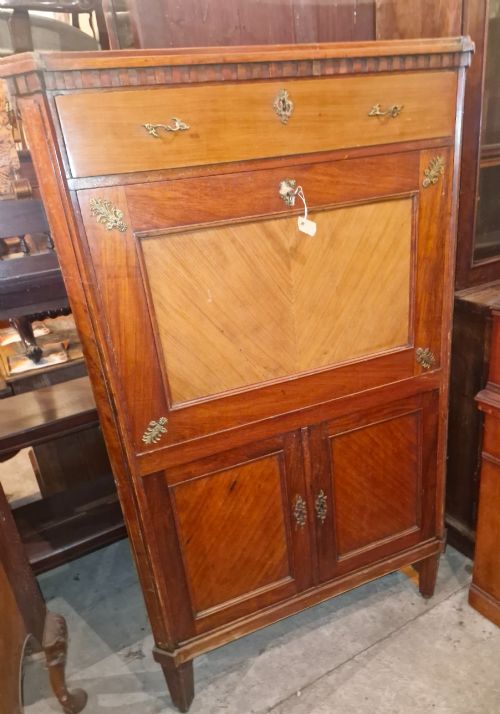
The version most commonly met on this page is the Art Deco walnut or burr walnut cocktail cabinet from around nineteen thirty, alongside revival pieces like the Chippendale style mahogany drinks cabinet. Earlier examples include Victorian metamorphic drink cabinets in English oak of bureau form.
These pieces range from sophisticated standing cabinets to compact tables intended for home hospitality. Each design provides specialised storage for bottles, glassware, and mixing equipment within a domestic setting.
How they were made
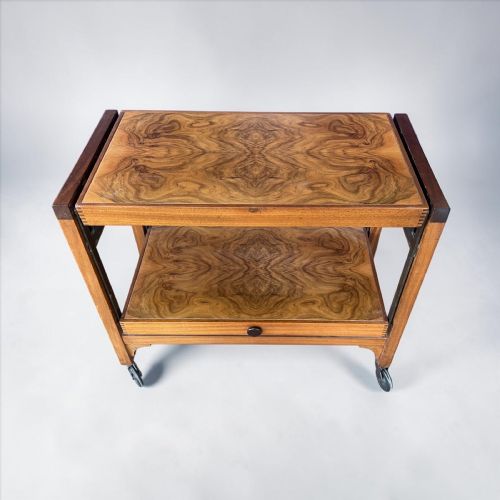
Maker construction relies on cabinet woods such as mahogany, walnut, oak, and birds eye maple, frequently finished with rich walnut veneer to highlight natural grain patterns. Brass hardware and clear or mirrored glass provide structural and decorative accents.
Techniques combine traditional cabinet-making with specialised Art Deco styling, incorporating figured veneers and fitted interior shelving designed specifically for glassware and bottle storage. Metamorphic mechanisms appear in Victorian bureau forms to transform writing desks into functional drinking stations.
Retail Price Guide 2026
Typical UK retail prices for vintage cocktail bar, calculated from the Sellingantiques database of over a million retail prices indexed since 2003. This retail price guide relies exclusively on Sellingantiques data; no external sources or auction records are used, so the figures do not describe the wider market.
The listings span from nineteen hundred through the nineteen forties, showing materials from brass and glass to burr walnut and birds eye maple.
What varies in quality
Quality rests upon the choice of timber and the dexterity of the veneering, particularly where burr walnut or birds eye maple is deployed to create symmetrical patterns across the doors. The sophistication of the internal fittings and the integration of specialised brass mounts further separate standard production from superior examples.
Attribution to notable workshops or designers elevates a piece, as seen in cabinets linked to Maurice Adams or Harry and Lou Epstein. The integrity of the original wood finish and the cleverness of any metamorphic or drop-front mechanism define the upper tier of these drinks furniture items.
Maurice Adams·Harry and Lou Epstein
The Vintage Cocktail Bar Glossary
- Veneer
- A thin slice of superior wood applied over a base timber to provide decorative patterned surfaces. Burr walnut veneer is especially prized for its swirling grain.
- Metamorphic
- Furniture designed to transform from one form into another, such as a bureau changing into a drinks cabinet. This engineering adds both utility and interest for collectors.
- Art Deco
- A design style from the nineteen thirties characterised by sleek geometric lines, stylised motifs, and luxurious materials. It dominates the aesthetic of these cabinets.
- Birds Eye Maple
- A figured timber showing small swirling eyes resembling bird's eyes, used to line interiors or form striking exterior surfaces on high-end pieces.
Frequently Asked Questions
What is a cocktail cabinet?
A cocktail cabinet is a dedicated piece of furniture designed to store spirits, wine, and glassware, typically featuring a fold-down flap that serves as a mixing surface.
Many examples include internal lighting, mirrored backs, and glass shelves to display barware during evening gatherings.
How do I date a cocktail cabinet?
Dating relies on stylistic clues, materials, and construction methods, with the nineteen thirties introducing streamlined Art Deco geometry and figured walnut veneers.
Earlier Victorian pieces favour solid English oak and bureau forms, while revival styles borrow traditional mahogany motifs from earlier centuries.
Where were these cabinets placed?
These cabinets were designed for reception rooms, dining rooms, and home entertaining spaces where hosts served guests before dinner.
Their compact footprint allowed them to sit neatly against living room walls while keeping entertaining supplies close at hand.
What wood is most common?
Walnut and walnut veneer dominate the selection, often chosen for its deep warm tones and striking decorative grain patterns.
Other woods include mahogany, oak, and birds eye maple, frequently paired with brass hardware and glass.