


Edwardian Drinks Cabinet
These edwardian drinks cabinet pieces combine period craftsmanship with practical storage, offering a refined way to house glassware and bottles.
Edwardian Drinks Cabinet
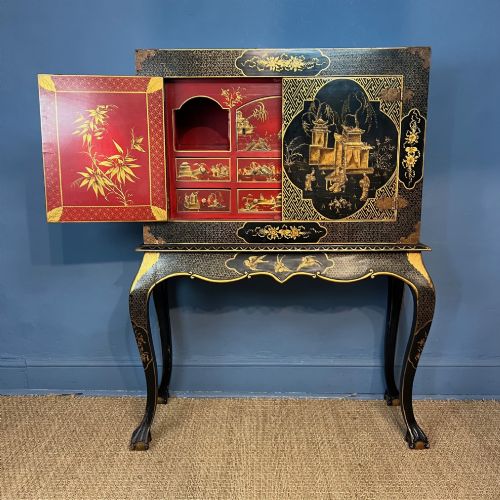
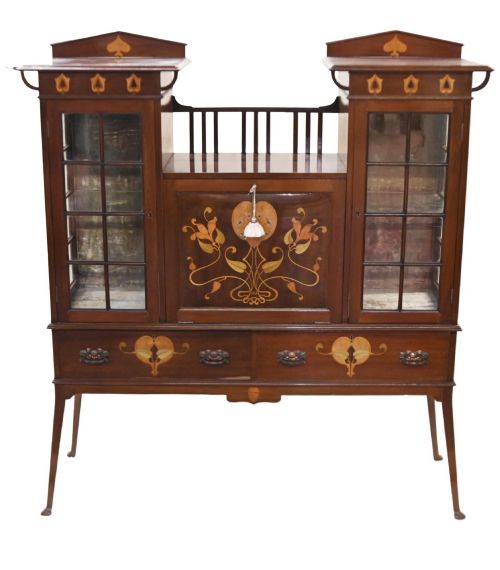
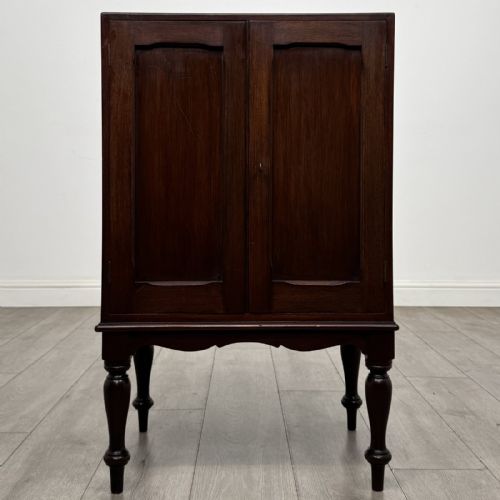
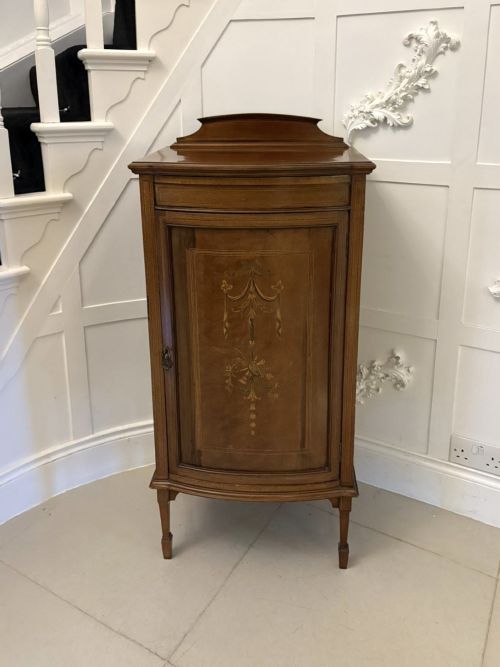
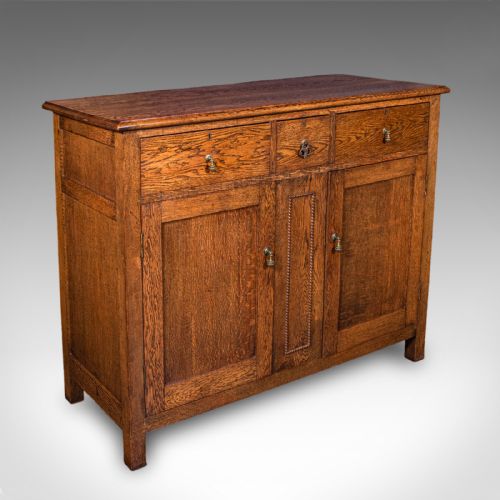
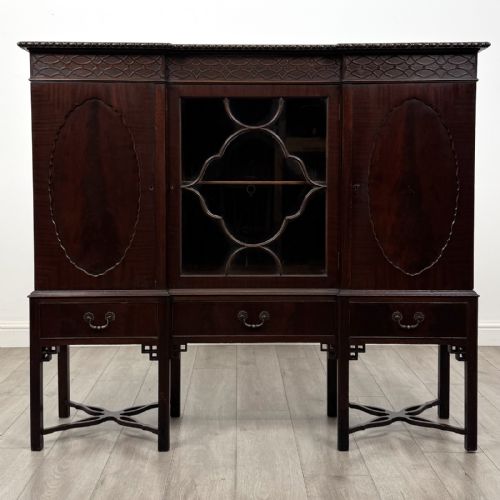
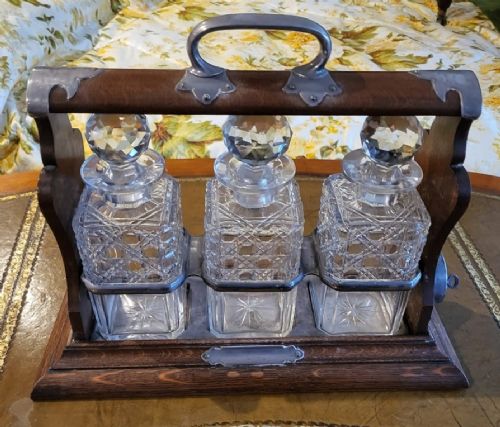
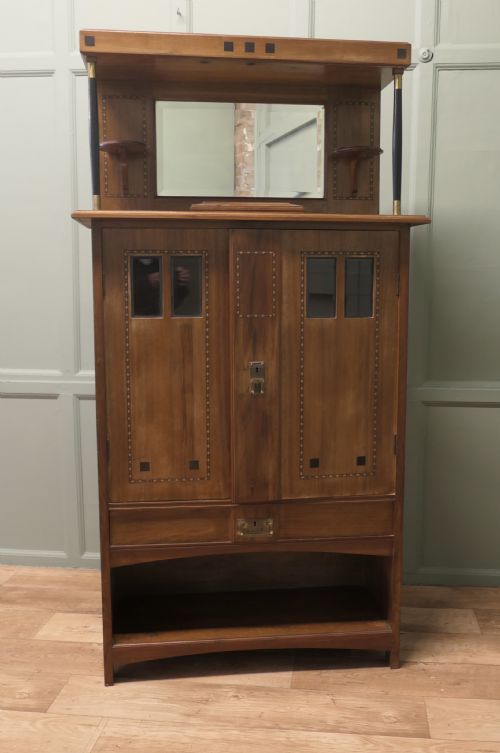
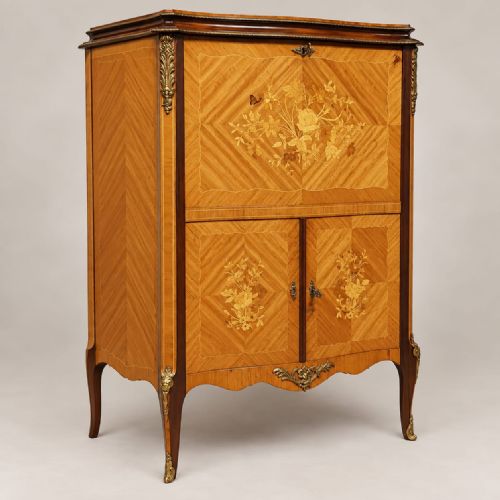
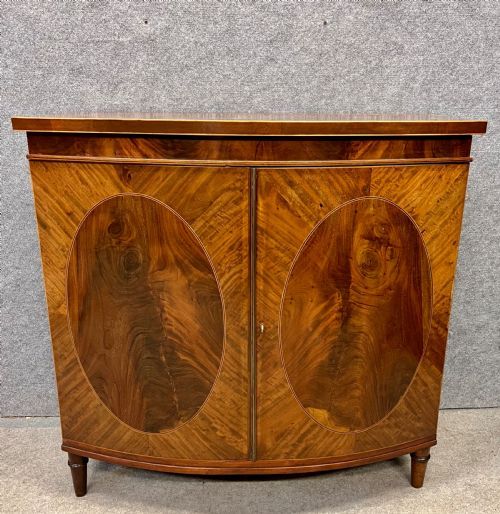
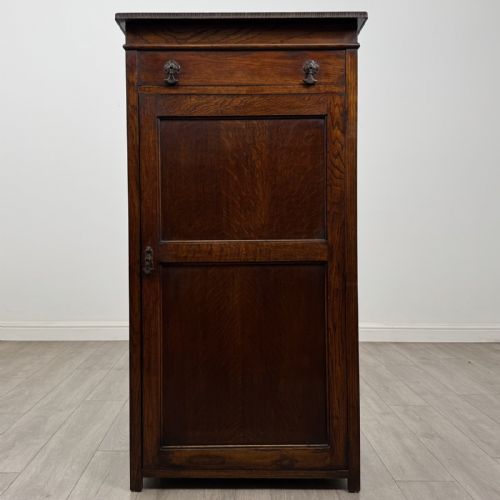
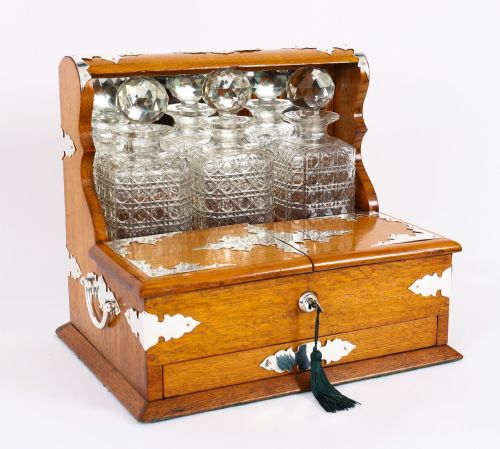
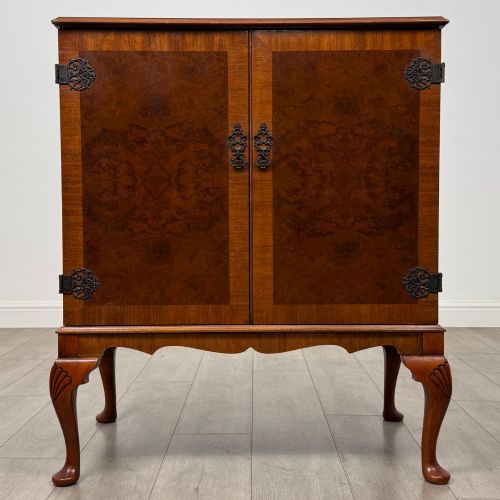
An edwardian drinks cabinet is typically encountered as a mahogany or satinwood piece designed specifically for hosting and the secure storage of beverages. The selection ranges from inlaid sideboards and pedestal cupboards to specialised tantalus sets and cocktail displays.
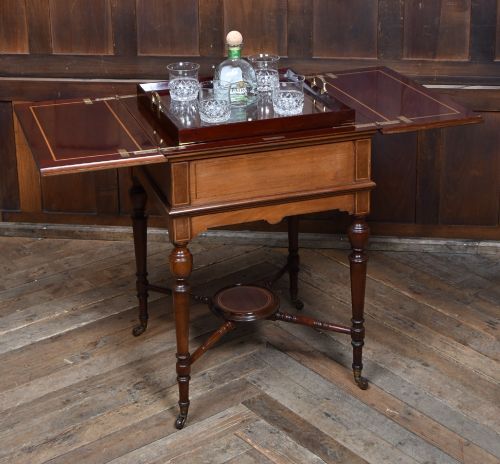
Many examples date from the Edwardian era itself, while related pieces stretch from the Victorian period through to the 1930s in oak, walnut and burr walnut. These forms often incorporate games compendiums, removable trays or drop-down serving surfaces intended for entertaining.
How They Were Made
Makers relied primarily on timbers such as mahogany, oak and walnut, frequently accented with satinwood inlay, marquetry stringing or brass mounts. Glass panels, crystal decanters and silver-plated hardware complete the construction of these storage items.
Joinery techniques varied from traditional cabinet making on legs and stands to specialised mechanisms for surprise opening compartments and bottle security locks.
Edwardian Drinks Cabinet Retail Price Guide 2026
Typical asking prices for edwardian drinks cabinet among the pieces listed under this phrase on Sellingantiques today, from the lower quarter to the upper quarter. They describe what is for sale here now, not the wider market.
Periods represented span from the Victorian era and Edwardian years through to the 1930s.
What Varies in Quality
Quality rests in the choice of timber and the precision of the cabinet work, particularly in figured veneers like burr walnut and delicate satinwood inlay. Finer examples display superior hardware, intact internal fittings such as original cut crystal decanters, and balanced proportions.
The sophistication of the design dictates value, distinguishing standard storage cupboards from complex tantalus sets, games compendiums and specialised cocktail display cabinets.
Denby and Spinks·Frank Cobb and Co
The Edwardian Drinks Cabinet Glossary
- Tantalus
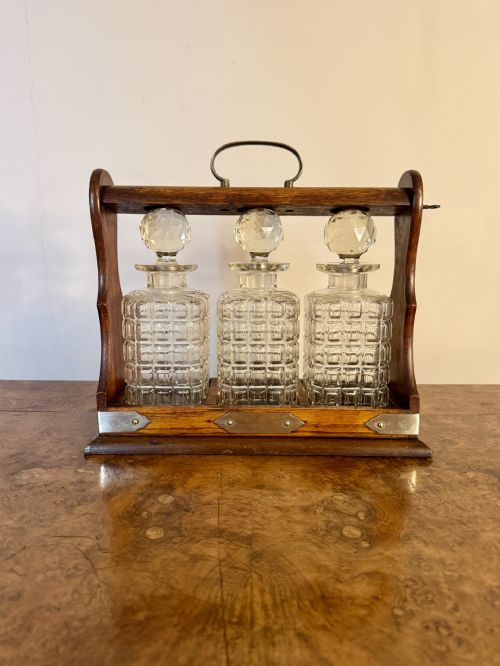
- A locking wooden frame that secures decanters by the stopper to prevent unauthorized access to the contents. This device typically holds two or three glass bottles.
- Cellarette
- A dedicated container or cabinet designed for holding wine bottles and cooling them. These units appear in various period timbers.
- Marquetry
- Decorative woodwork where pieces of veneer are fitted into a ground to form floral or geometric patterns. This technique frequently enhances Edwardian cabinet doors.
- Demi Lune
- A half-moon shape characteristic of certain sideboards and small cabinets designed to fit flush against a wall. Such profiles save floor space while offering surface area.
- Compendium
- A fitted box or cabinet containing items for games alongside a dry bar or decanter set. These multifunctional pieces suit Victorian and Edwardian sitting rooms.
Edwardian Drinks Cabinet: Frequently Asked Questions
What is an edwardian drinks cabinet?
An edwardian drinks cabinet is a piece of antique furniture built to store bottles, glassware, and serving accessories for entertaining guests.
These pieces range from simple side cupboards and demi lune cabinets to elaborate tantalus sets and cocktail display units.
How were these cabinets used?
They were utilised in drawing rooms and dining rooms to keep spirits, wine, and liqueurs securely stored yet accessible for hosts.
Many incorporate games compendiums, removable trays, or drop-down surfaces that double as preparation areas for drinks.
How do I date an edwardian drinks cabinet?
Dating relies on identifying timber choices, construction methods, and stylistic cues such as Edwardian inlay or Victorian brass mounts.
Comparing the piece against standard forms from the late nineteenth and early twentieth centuries helps confirm its period.
Where should I place one at home?
These cabinets suit living rooms, dining spaces, or studies where they function as focal points for entertaining and display.
Compact forms like pedestal cabinets and demi lune sideboards fit easily into smaller corners or hallways.