




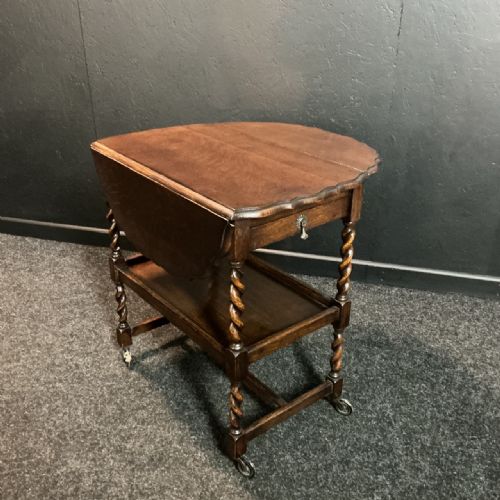
Antique Bar Cart
An antique bar cart brings portable hospitality into a room, serving spirits and tea on wheels with period charm.
Antique Bar Cart
The antique bar cart covers a practical lineage of mobile hospitality, spanning formal afternoon tea service to cocktail hours. When searching for an antique bar cart, buyers encounter tiered serving tables, tea trolleys, and dedicated cocktail carts designed to move refreshments effortlessly between rooms.
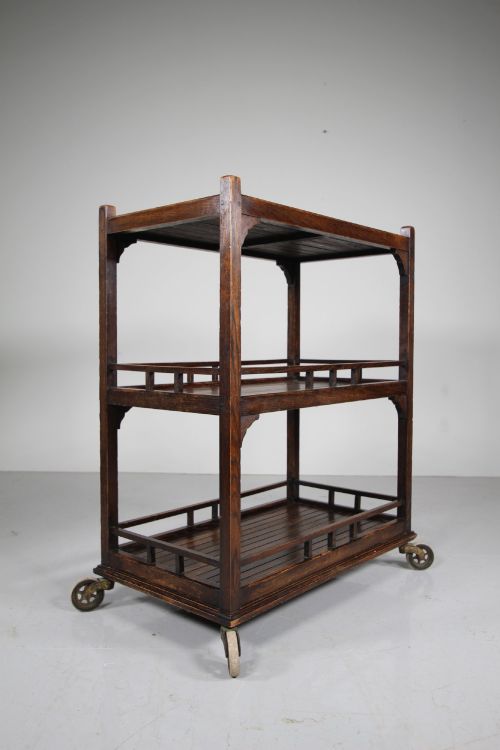
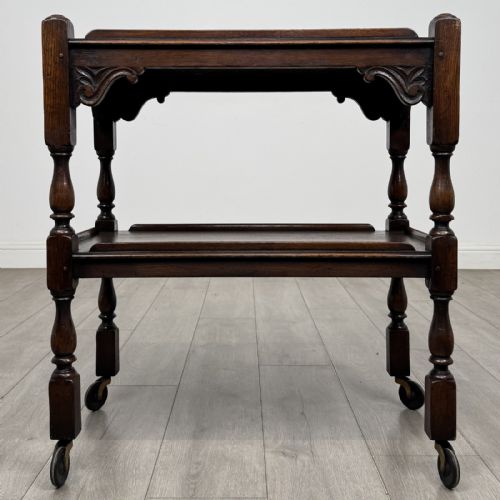
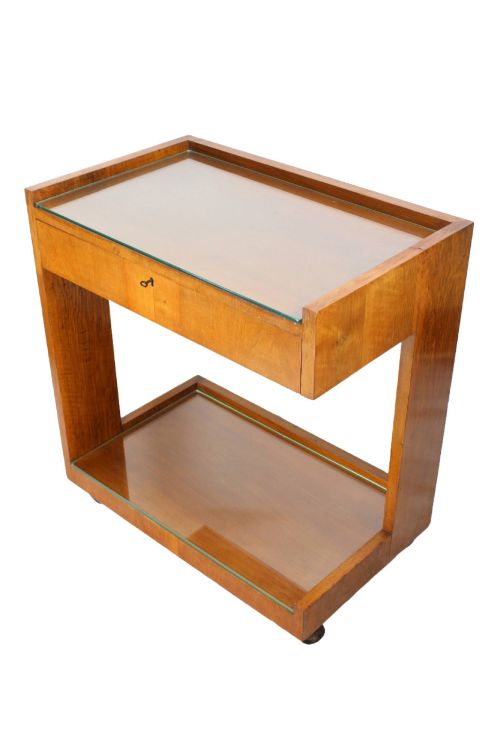
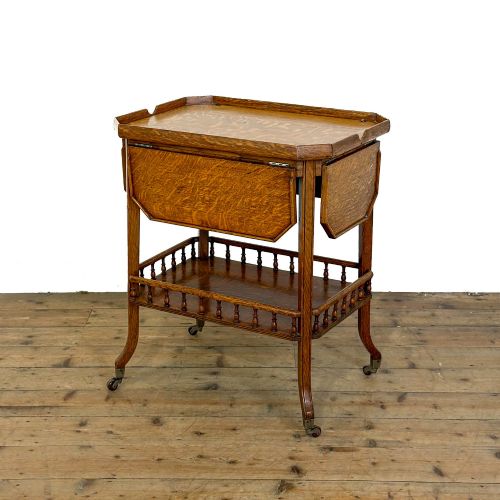
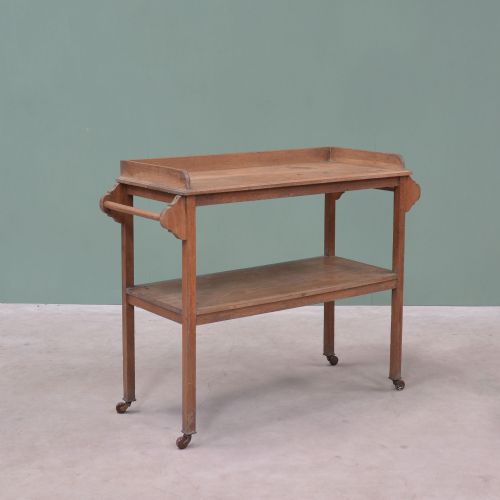
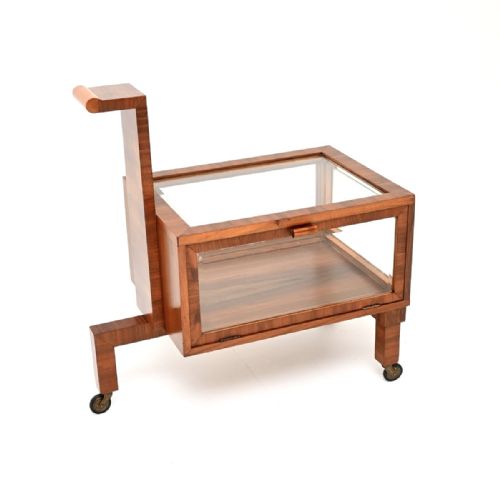
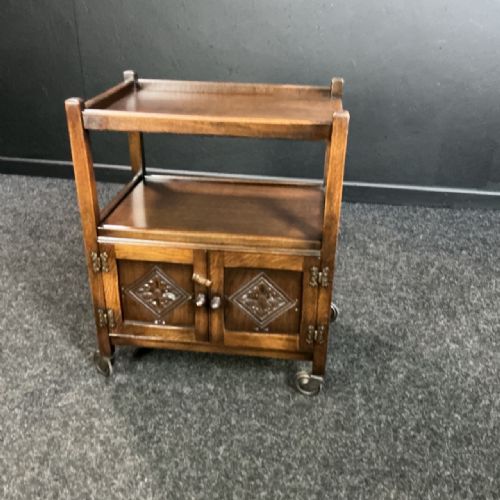
The selection ranges from early wooden butler trays on stands to French Art Deco designs and Edwardian oak tea trolleys. These pieces often feature multiple tiers, removable trays, or folding mechanisms tailored for entertaining guests.
Origins vary from English workshops to French ateliers, incorporating materials that reflect shifting domestic habits across the Victorian, Edwardian, and mid-twentieth-century periods.
Materials and Techniques
Cabinetmakers utilised rich timber veneers such as walnut, mahogany, and oak for the structural tiers and frames of trolley pieces. Joinery techniques varied from traditional carving and inlay work to steam-bent wood and tiered shelving supports.
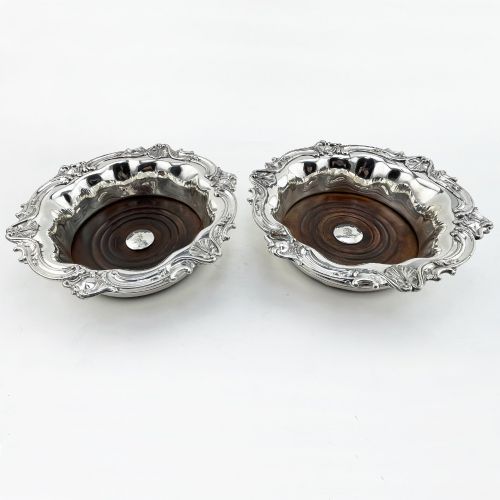
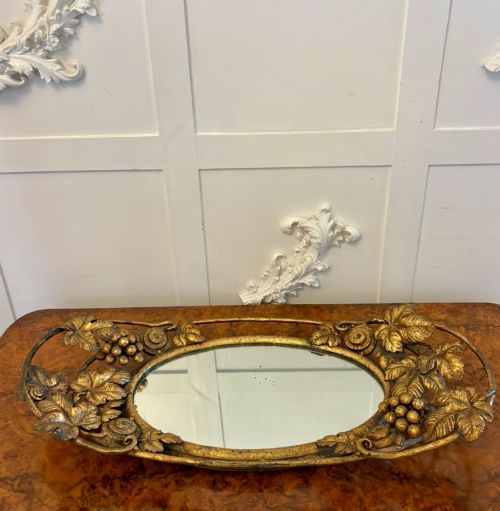
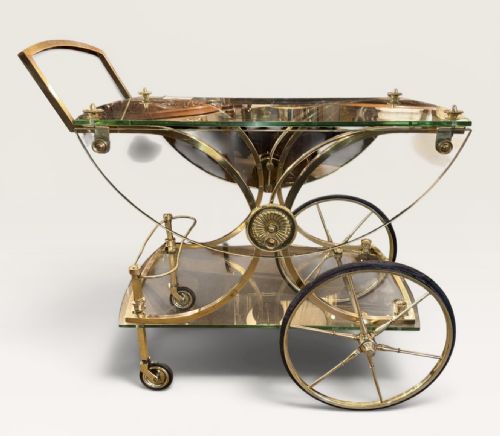
Metal and glass components played a functional role in later designs, utilising brass, chrome, and silver plate for frames, galleries, and handles. Mirrored glass and cobalt blue glass inserts frequently lined the serving surfaces to catch the light during cocktail service.
Antique Bar Cart Retail Price Guide 2026
Typical asking prices for bar cart among the pieces listed under this phrase on Sellingantiques today, from the lower quarter to the upper quarter. They describe what is for sale here now, not the wider market.
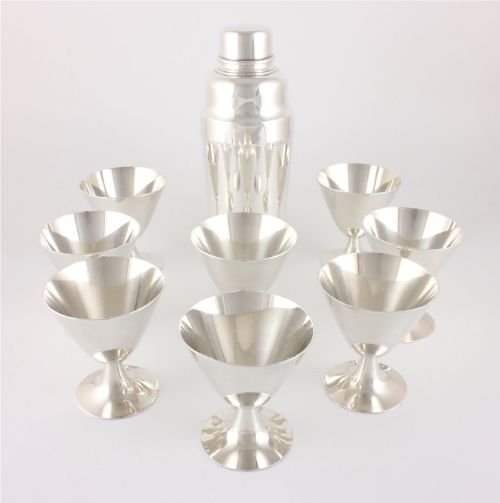
Some cocktail shakers come equipped with built-in lemon squeezers, ensuring efficient citrus deployment during lively gatherings.
Evaluating Craft and Design
Quality rests in the integrity of the materials, the crispness of any woodwork carving or metal casting, and the smooth operation of wheels and removable trays. Higher-grade pieces employ figured veneers, substantial silver plating on brass mounts, and robust structural joinery that prevents wobbling.
Design ambition separates standard tea trolleys from exceptional cocktail carts, with works showcasing distinctive French Neoclassical or streamline Art Deco geometries commanding greater presence in a room.
Maison Bagues·J. B. Chatterley & Sons·James Dixon & Sons·Sudre
The Antique Bar Cart Glossary
- Tea Trolley
- A mobile piece of furniture with two or three tiers designed for serving afternoon tea. These items frequently feature wooden drop leaves or removable upper trays.
- Etagere
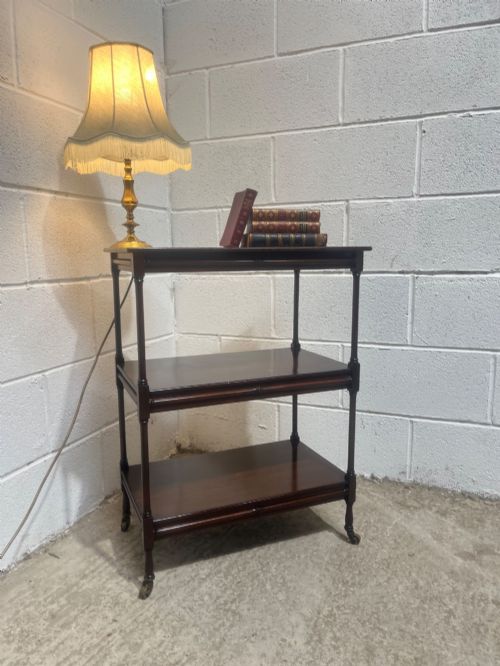
- A set of open shelves for displaying small objects or serving drinks. The form provides multiple tiers supported by slender columns of wood or metal.
- Gallery Tray
- A serving tray fitted with an elevated pierced metal or wooden rim around the edge. This barrier prevents glasses and decanters from sliding off during transit.
- Barware
- Accessory items used in the preparation and serving of drinks, including cocktail shakers and ice buckets. These utensils are typically rendered in silver plate or glass.
- Metamorphic
- Descriptive of furniture designed to transform its shape or function through folding mechanisms or adjustable shelves.
Antique Bar Cart: Frequently Asked Questions
How do I date an antique bar cart?
Dating relies on identifying the prevailing stylistic cues, such as Edwardian barley twist supports or Art Deco geometric veneers. Materials like chrome or silver plate also point toward specific decades in the twentieth century.
Examining the construction methods underneath the tiers provides further clues to the manufacturing period.
Can I use an antique trolley for everyday serving?
Most trolleys are structurally robust enough for normal domestic use, provided the wheels and joints remain secure. Regular maintenance helps preserve antique wood and silver-plated surfaces against moisture.
Placing protective coasters on the shelves guards against spills from modern glassware.
What is the difference between a tea trolley and a bar cart?
Tea trolleys typically date from the Edwardian and Victorian eras, built primarily from oak or mahogany with removable wooden serving trays. Bar carts generally emerge later in the Art Deco period, incorporating brass, chrome, and mirrored glass specifically for cocktails.
Both serve the common function of mobile hospitality within the home.
Are replacement wheels common on these pieces?
Original castors experience significant wear due to the weight of the furniture and repeated movement across floors. Replacement wheels are occasionally fitted during restoration work to ensure smooth mobility.
Checking the fixings helps determine whether the castors match the age of the frame.