


Antique Serving Cart
An antique serving cart brings mobile hospitality to a room, offering tiered tiers and trays designed for afternoon tea or evening cocktails.
Antique Serving Cart
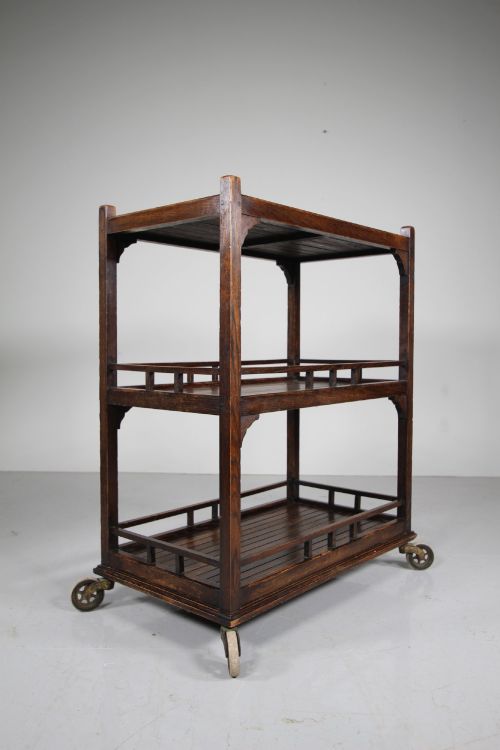
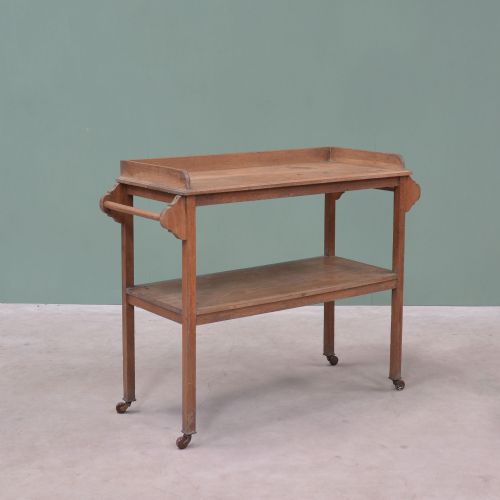
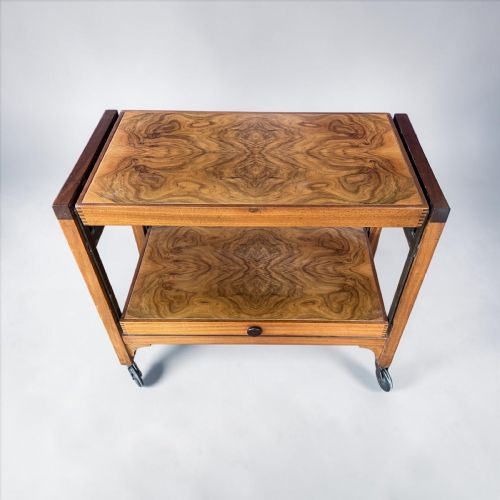
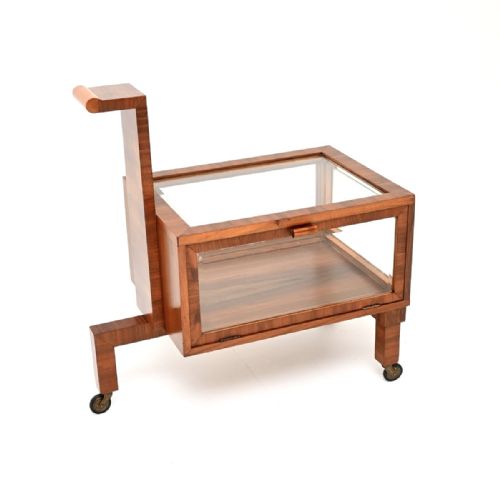
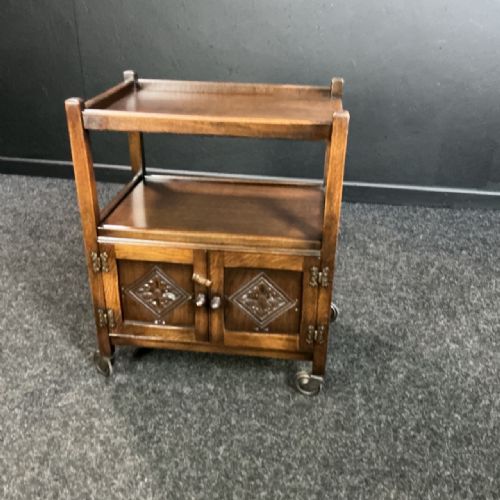
An antique serving cart encompasses tea trolleys, drinks trolleys, bar carts, and removable butler trays spanning the Victorian, Edwardian, and Art Deco periods. These pieces serve domestic entertaining through multi-tiered shelving, drop sides, and wheeled mobility.
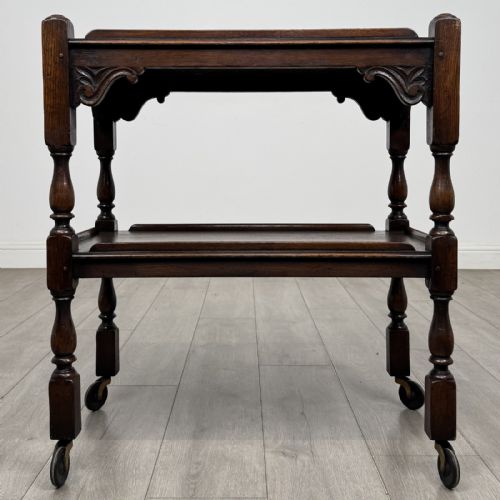
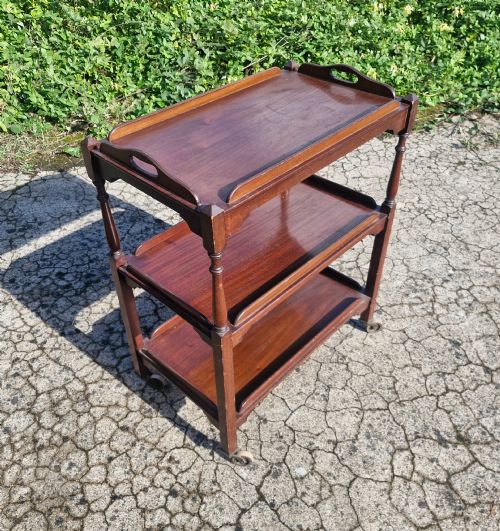
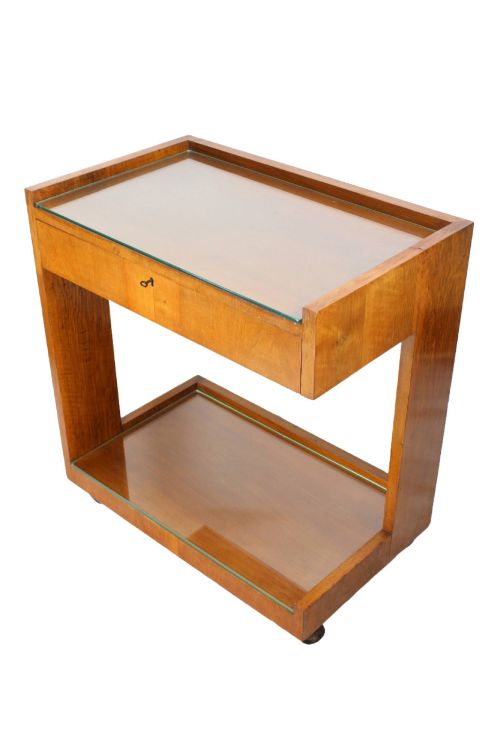
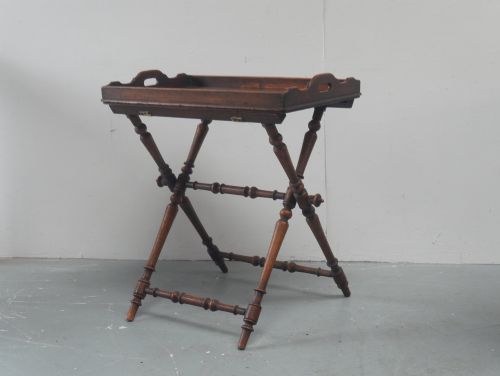
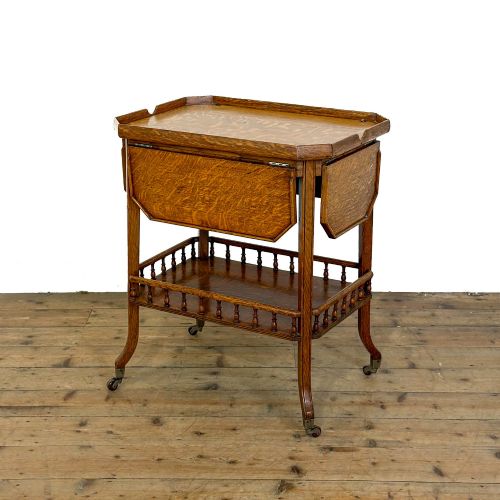
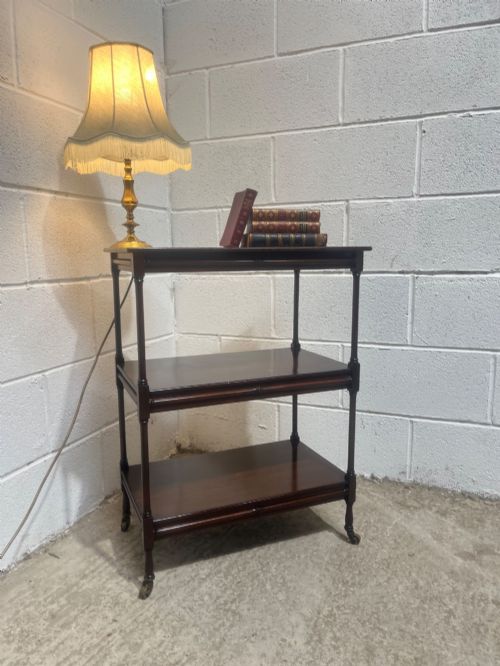
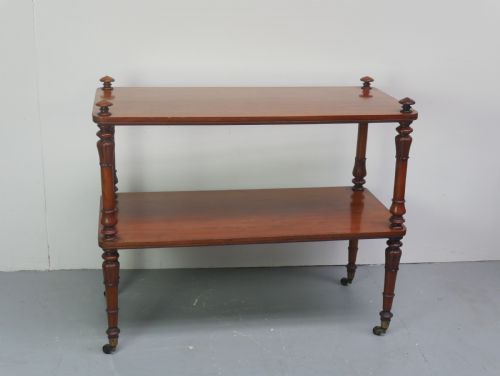
Edwardian examples frequently appear in oak with barley twist supports, while Art Deco pieces showcase walnut, burr amboyna, and chrome from the nineteen-thirties. Mahogany variations extend back into the nineteenth century.
The selection includes specialised forms such as metamorphic tables, tiered etageres, and portable trays with gallery edges designed for glasses and decanters.
Materials and Construction
Cabinetmakers utilised hardwoods including mahogany, oak, and walnut, frequently selecting figured veneers for Art Deco designs. Metal elements incorporate brass, chrome, and silver plate for frames, galleries, and wheel mounts.
Antique Serving Cart Retail Price Guide 2026
Typical asking prices for serving cart among the pieces listed under this phrase on Sellingantiques today, from the lower quarter to the upper quarter. They describe what is for sale here now, not the wider market.
Listings feature serving carts spanning the nineteenth century through the nineteen-forties, covering Victorian, Edwardian, and Art Deco styles.
Design and Material Distinction
Quality rests in the selection of timbers, such as figured walnut and burr amboyna, matched with substantial brass or silver-plated fittings. Finer pieces demonstrate precise joinery, integrated drop leaves, and original castors that move smoothly.
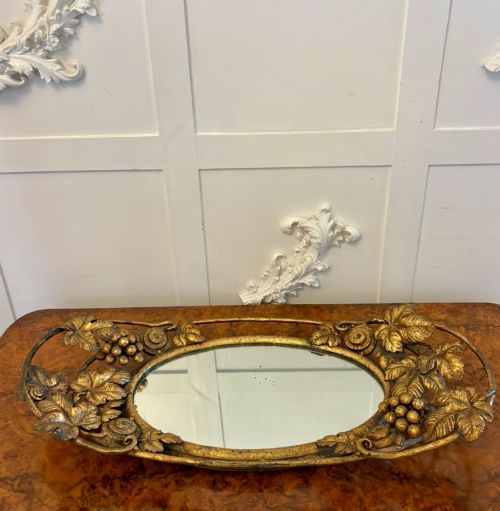
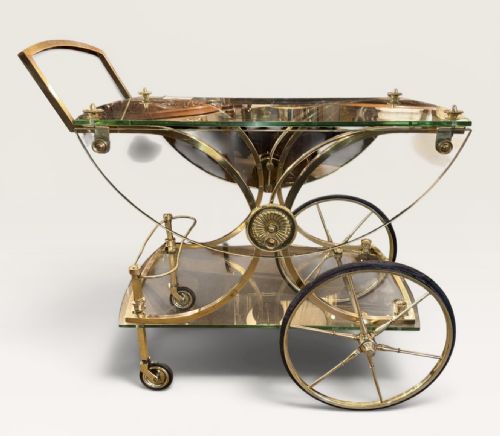
The integration of specialised decorative elements, including cobalt blue mirror glass, detailed fretwork galleries, or attributed maker designs, elevates standard utility items into accomplished decorative objects.
Maison Bagues
The Antique Serving Cart Glossary
- Barley Twist
- A turned wood support carved in a spiral screw pattern, common on Edwardian oak trolleys.
- Etagere
- A piece of furniture consisting of a set of open shelves for displaying small objects or serving drinks.
- Metamorphic
- Furniture designed to transform into another form, such as a trolley converting into a card table.
- Butler Tray
- A removable wooden tray with raised sides, often set upon a folding stand.
- Gallery Edge
- A raised rim around a tray or shelf, originally designed to prevent items from sliding off during transport.
Antique Serving Cart: Frequently Asked Questions
What is an antique serving cart?
An antique serving cart is a movable table or trolley designed to transport and present tea, food, or drinks within a home. These pieces typically feature multiple tiers, wheels, and sometimes drop sides for convenience.
Origins span the Victorian, Edwardian, and Art Deco eras, constructed from timbers like mahogany, oak, and walnut alongside brass and glass elements.
How were tea trolleys used?
Tea trolleys served the domestic ritual of afternoon tea, allowing hosts to wheel a complete tea service from the kitchen to the parlour or drawing room. Removable trays and drop leaves provided extra surface area for cups, saucers, and cakes.
Later iterations adapted the same mobility for cocktail service, incorporating bottle racks, mirrored shelves, and specialised glassware storage.
How do I date an antique trolley?
Dating relies on combining the wood types, hardware, and stylistic details present in the construction. Edwardian examples often display oak with turned barley twist supports, whereas nineteen-thirties pieces utilise figured walnut, chrome, and circular Art Deco geometries.
Nineteenth-century variants lean towards heavy mahogany with multi-tiered shelves or buffet styling, reflecting formal dining customs of the period.
Can I use a bar cart for daily entertaining?
These pieces function well for modern hospitality, providing sturdy surfaces for bottles, glassware, and serving accessories. Their original mobility on castors remains practical for moving refreshments between rooms.
Care should be taken to protect antique wood and silver-plated surfaces from moisture by using coasters and trays during use.