


Art Deco Furniture
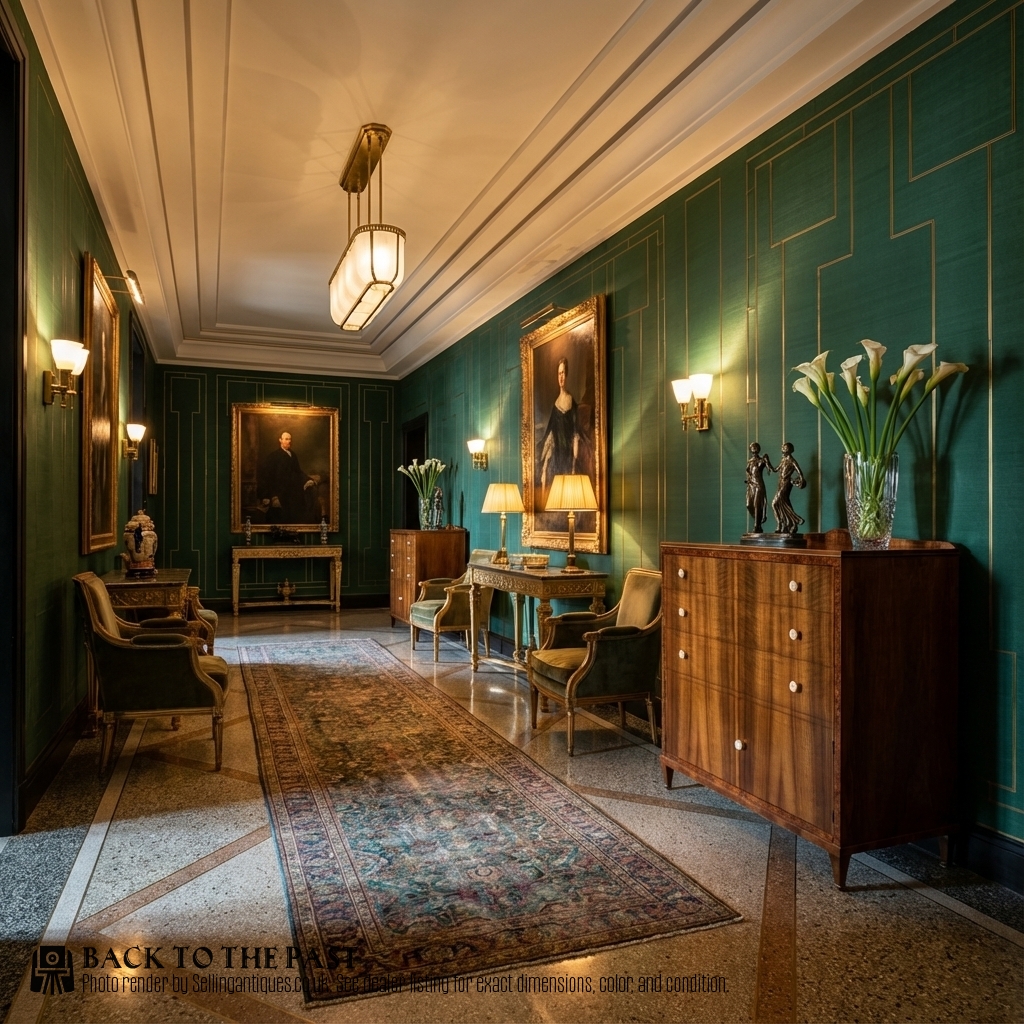
Art deco furniture brings clean geometric lines and striking veneers into a room, offering both practical storage and bold twentieth-century design.
Art Deco Furniture
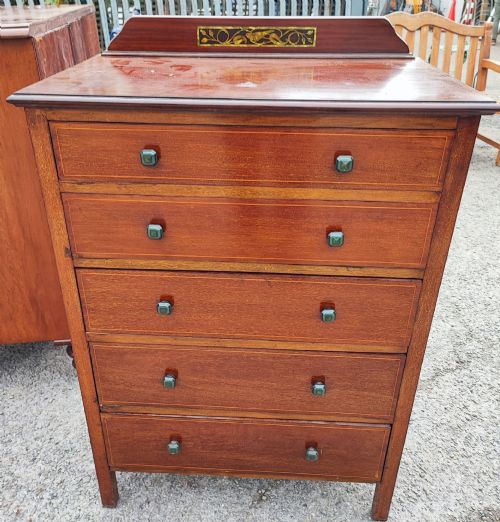
Art deco furniture encompasses practical domestic items such as chests of drawers, desks, side tables, bookcases, and dining sets spanning the interwar period. Pieces originate from British, French, and Swedish workshops, reflecting varied interpretations of modernism during the 1920s, 1930s, and 1940s.
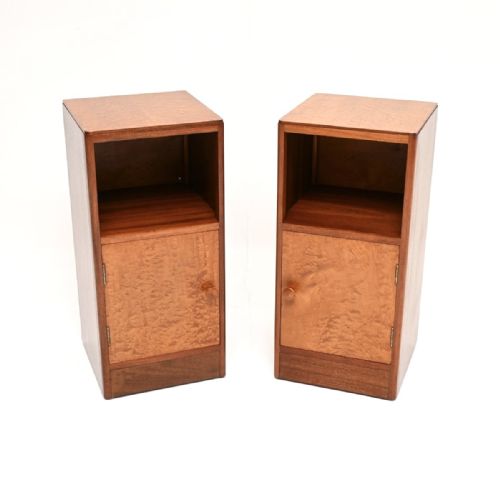
The selection ranges from compact bedside tables and occasional coffee tables to large cocktail cabinets, sideboards, and complete bedroom suites. English examples often utilise solid oak or figured walnut, while continental pieces frequently showcase exotic timbers and mirrored glass.
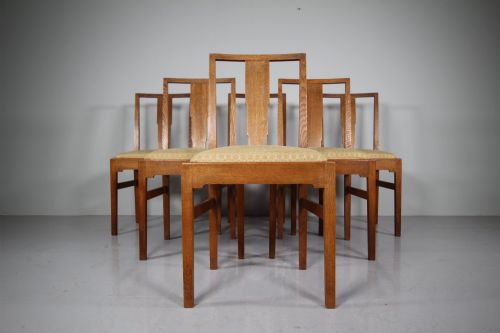
Seating options include armchairs upholstered in leather alongside dining chairs in elm or birch. Buyers also encounter occasional pieces reflecting Edwardian and mid-century modern sensibilities alongside the core 1930s aesthetic.
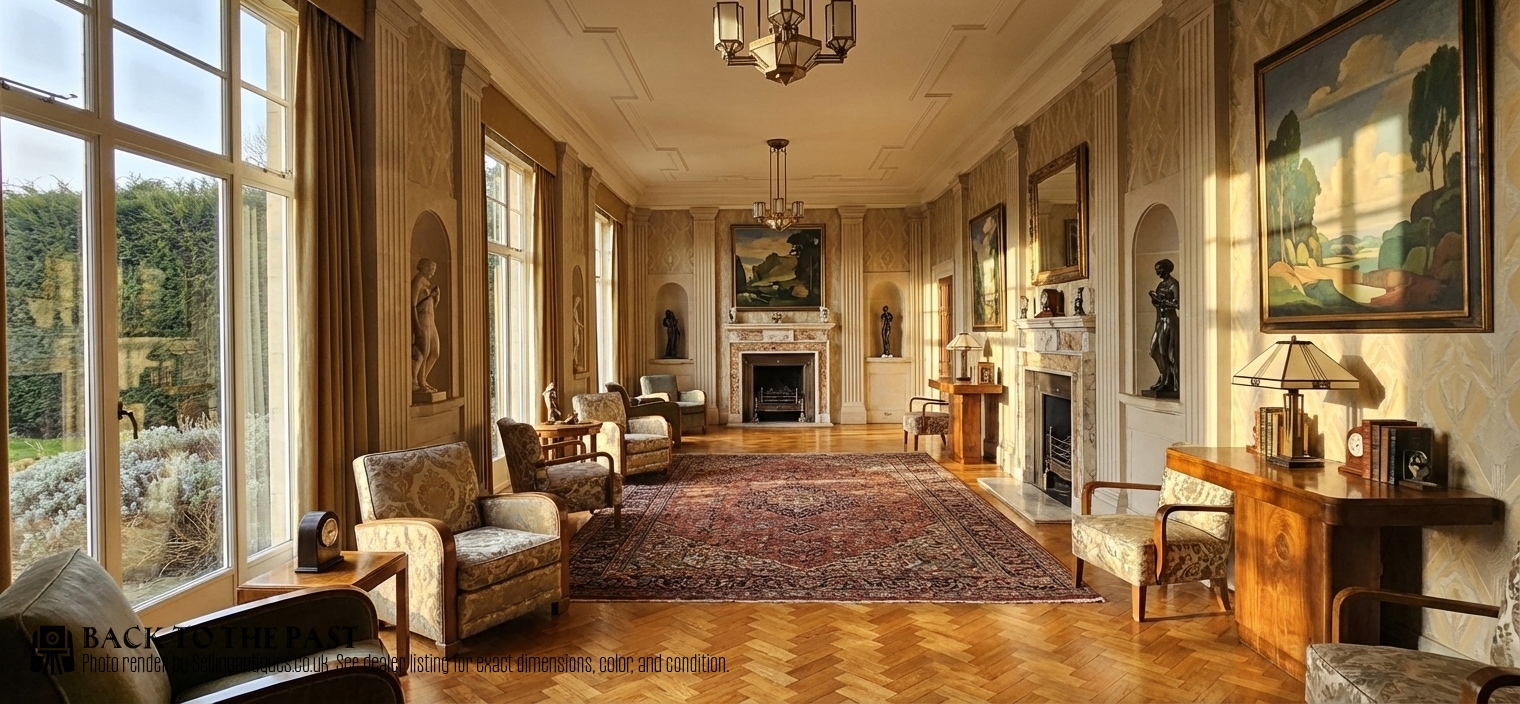
Materials and construction methods
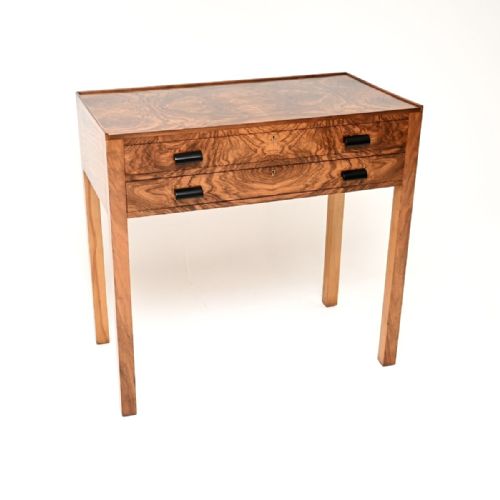
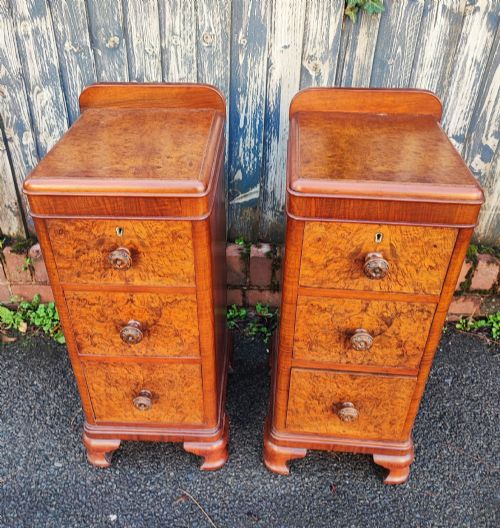
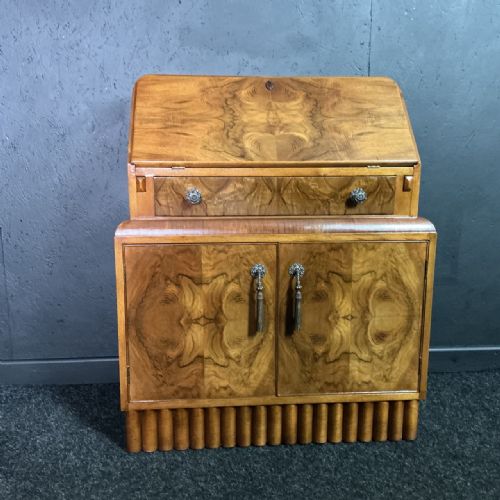
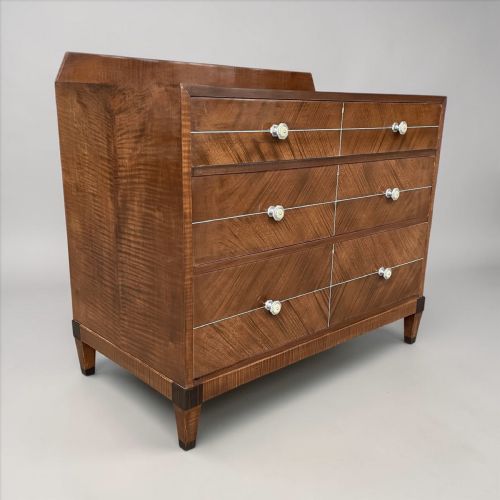
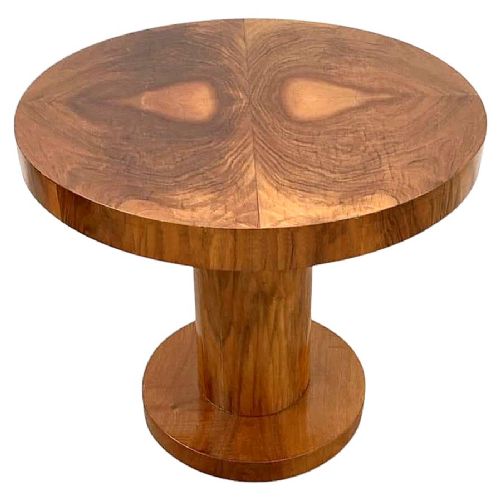
Construction relies heavily on timber framing finished with decorative wood veneers such as burr walnut, figured walnut, rosewood, satin birch, and sycamore. Cabinet makers applied these grained sheets to flat surfaces to create striking symmetrical patterns.
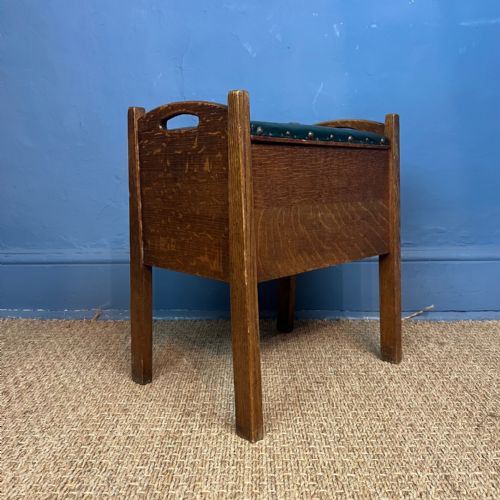
Solid woods including oak and elm provide structural integrity for tables, desks, and bookcases, while metals, glass panels, and leather inserts complete the surfaces of cabinets and writing desks.
Art Deco Furniture Retail Price Guide 2026
Typical asking prices for art deco furniture among the pieces listed under this phrase on Sellingantiques today, from the lower quarter to the upper quarter. They describe what is for sale here now, not the wider market.
Listings feature items spanning the 1920s, 1930s, and 1940s, alongside Edwardian pieces and mid-century modern examples.
Distinctions in construction and design
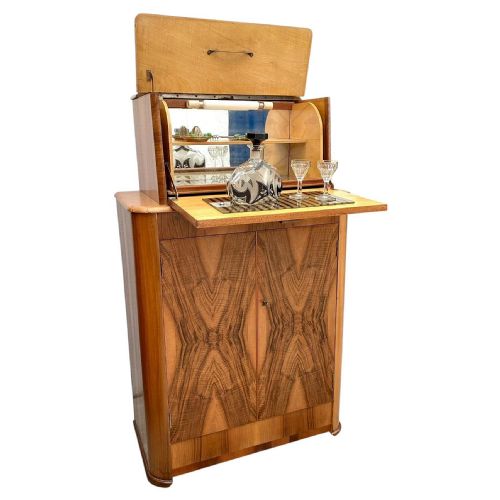
Quality rests upon the selection and matching of wood veneers, where symmetrical grain patterns on walnut or rosewood separate standard utilitarian items from exceptional cabinet work. The integration of specialised materials like satin birch, leather writing surfaces, and leaded glass indicates higher workshop standards.
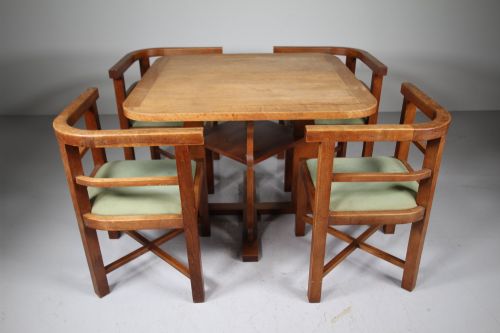
Attribution to known makers such as Hille, Maurice Adams, or Harry and Lou Epstein elevates a piece through documented craftsmanship and distinctive proportions. Finer examples maintain structural balance across complex forms like cocktail cabinets, pedestal desks, and curved dining tables.
Maurice Adams·Hille·Harry and Lou Epstein·Brynmawr Furniture·M. P. Davis Furniture of London
The Art Deco Furniture Glossary
- Burr walnut
- A wood veneer taken from the wart-like growth on a walnut tree, producing swirling, highly decorative grain patterns. Cabinet makers prized this material for the striking visual texture it brought to drawer fronts and tabletops.
- Satin birch
- A pale, fine-grained hardwood frequently utilised in Swedish workshops during the interwar period. It provides a bright contrast to darker timbers within modernist interior schemes.
- Cocktail cabinet
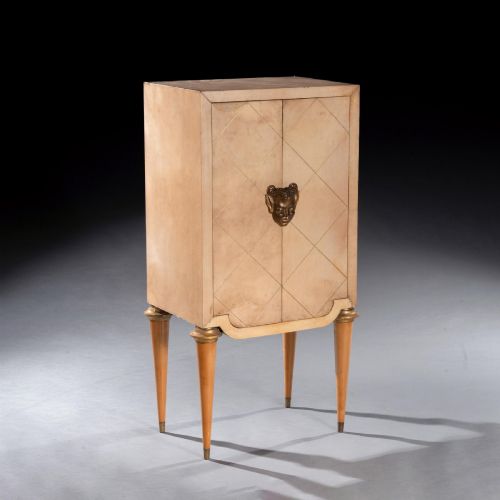
- A specialised storage unit designed for holding liquor bottles, glassware, and mixing accessories. These pieces often feature mirrored interiors, drop-down serving flaps, and specialised internal fittings.
- Pedestal desk
- A writing table supported by two vertical stacks of drawers rather than conventional legs. Examples from the period frequently incorporate inset leather writing surfaces and figured walnut veneers.
- Klismos chair
- An ancient Greek chair design revived by twentieth-century makers, characterised by curved backrests and splayed legs. Swedish designers utilised this form in notable dining chair sets.
Art Deco Furniture: Frequently Asked Questions
How do I identify genuine art deco furniture?
Examine the piece for characteristic geometric silhouettes, symmetrical wood veneers, and materials typical of the interwar period such as burr walnut, chromium, and vitrolite. Construction details and stylistic markers from the 1920s and 1930s help distinguish period items from later reproductions.
Many pieces also feature maker marks, stamps, or labels from prominent workshops active during the era, providing definitive proof of origin.
Were these pieces used in offices or homes?
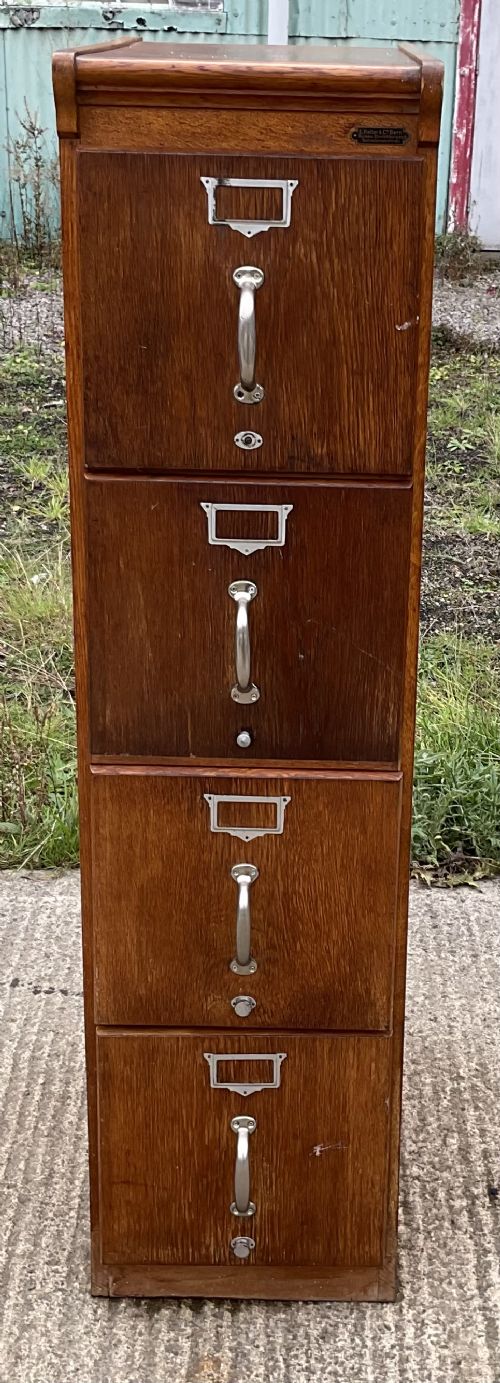
Interwar workshops produced items for both domestic settings and professional environments, as evidenced by dedicated office furniture suites, pedestal desks, and filing solutions alongside bedroom and dining pieces.
Residential forms ranged from cocktail cabinets and occasional tables for entertaining to practical wardrobes, dressing tables, and bed frames designed for modern households.
What woods were most commonly used?
Walnut and oak appear frequently across British and continental examples, utilised both as solid timber and as decorative veneers. Cabinet makers also turned to rosewood, satin birch, sycamore, and elm to achieve distinct surface colours and grain patterns.
Exotic veneers were carefully selected to create symmetrical patterns across large flat surfaces like sideboard doors and chest drawer fronts.
How do British and continental styles differ?
British designs often emphasise solid or oak-veneered construction with practical forms suited to traditional homes, while French and Swedish pieces frequently incorporate exotic woods, mirrored glass, and bolder modernist silhouettes.
Continental makers leaned into luxurious finishes like satin birch and rosewood, creating striking statement items such as mirrored chests and klismos dining chairs.