
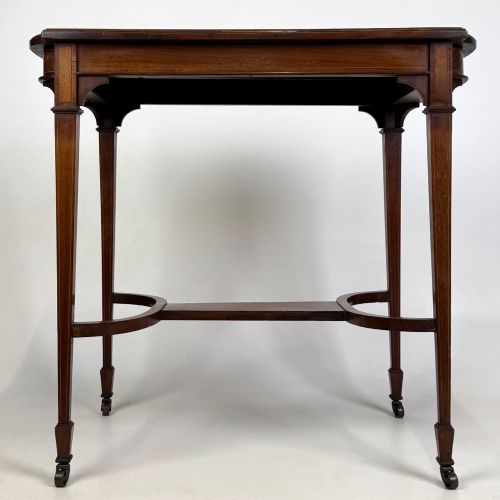
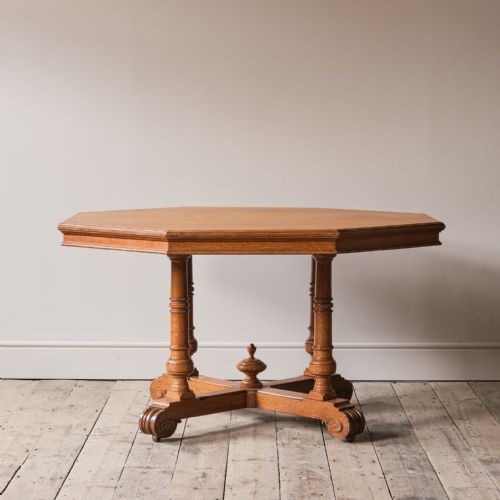
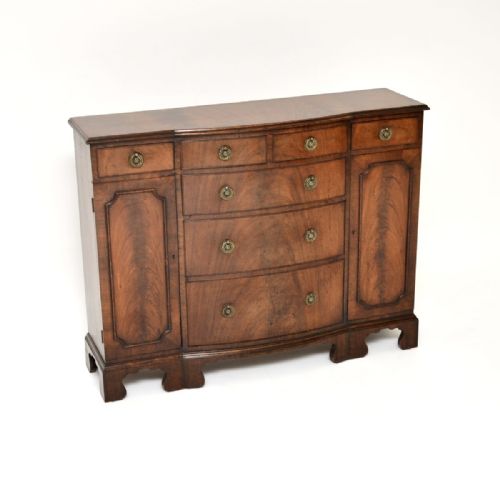
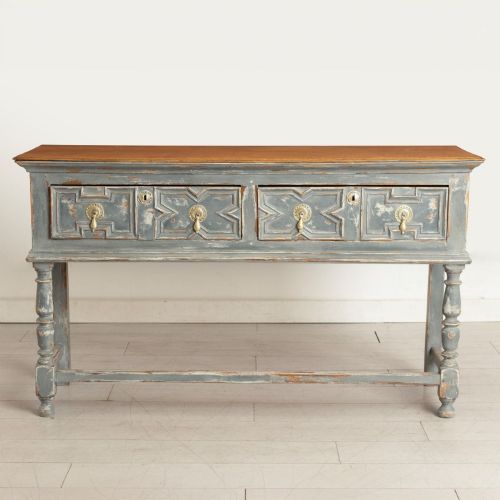
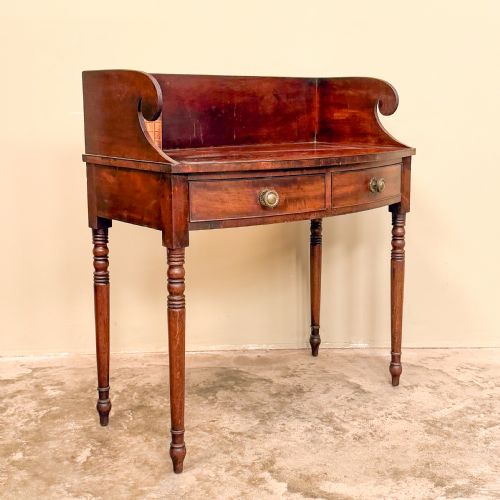
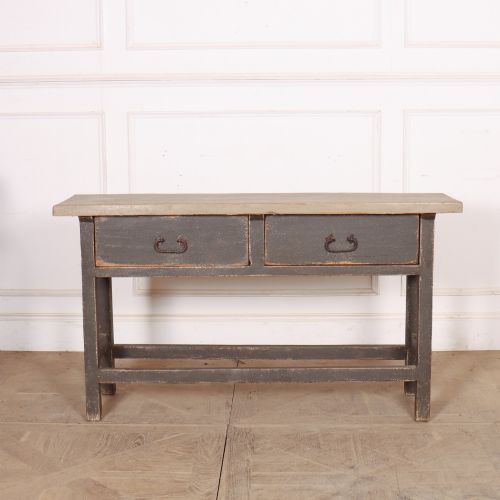
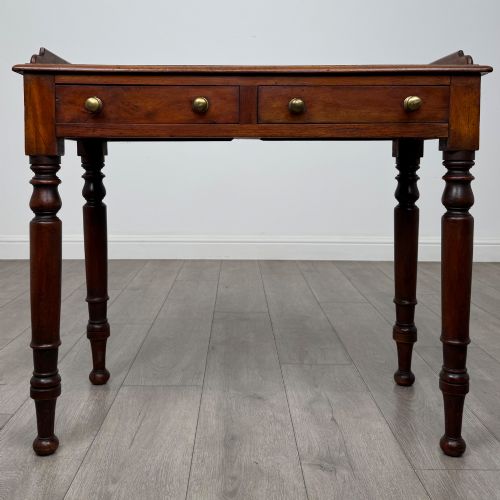
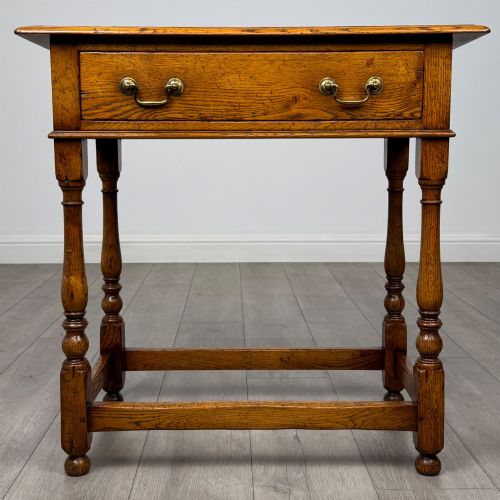
Vintage Hallway Table
These vintage hallway table pieces bring immediate character to an entrance, offering practical surface space and period craftsmanship.
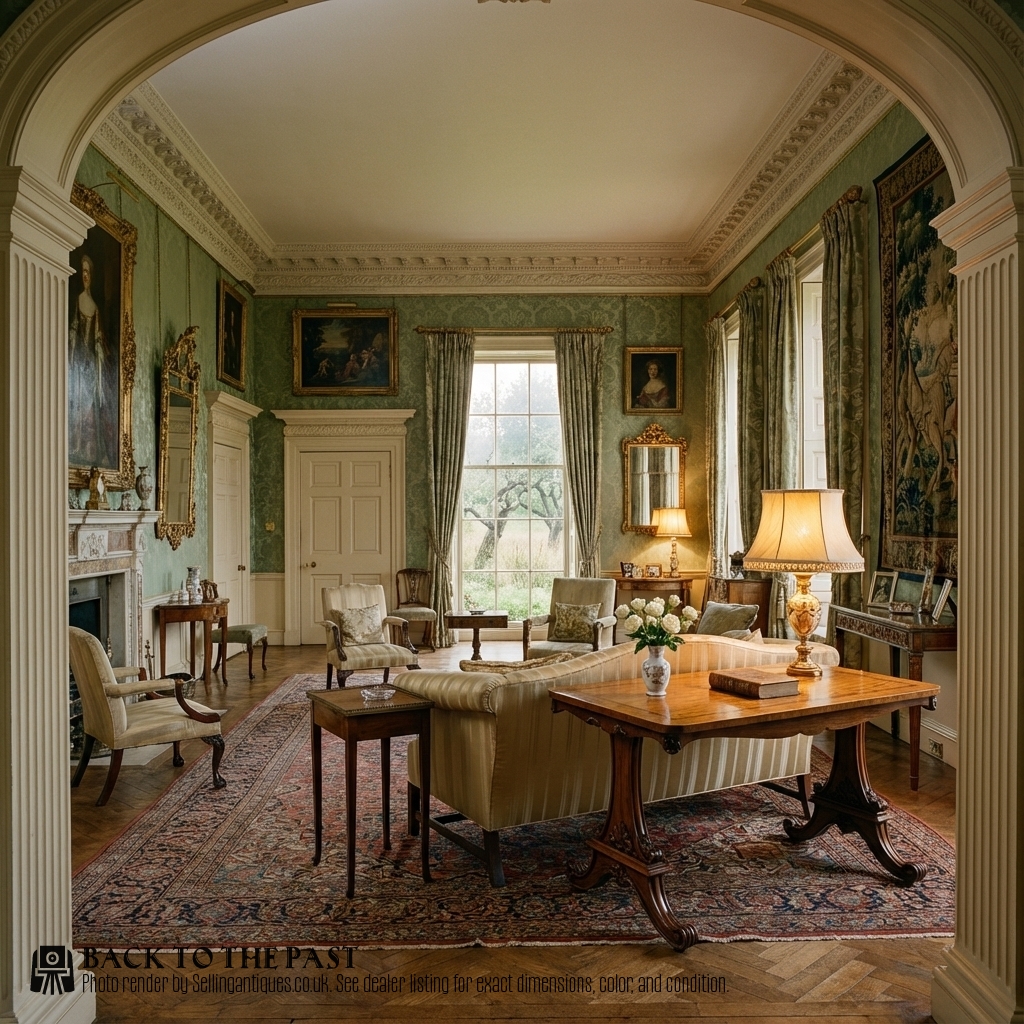
Understanding the vintage hallway table
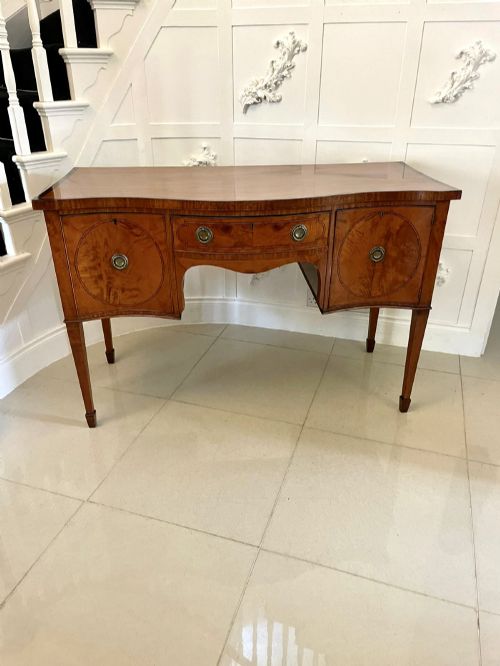
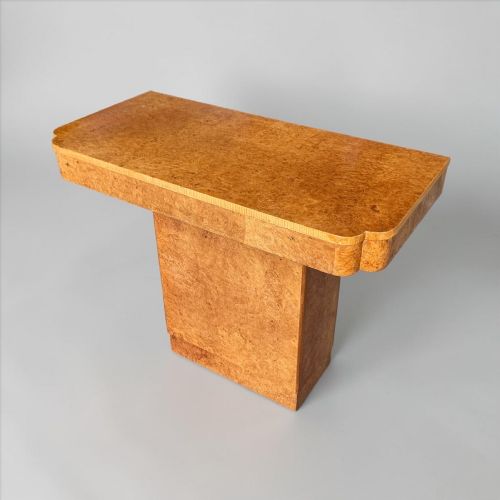
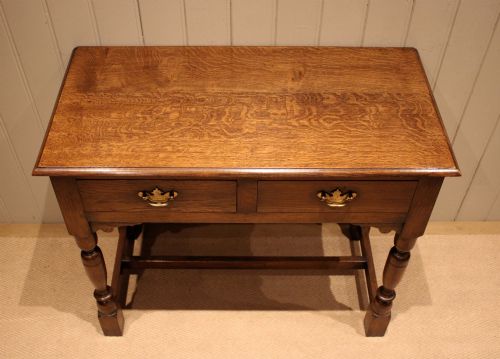
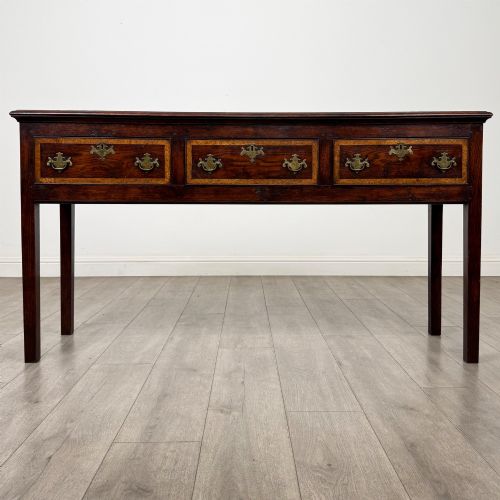
A vintage hallway table encompasses console tables, side tables, and sofa tables designed for narrow spaces. These functional items appear in styles ranging from Regency and Victorian to Art Deco and Edwardian periods.
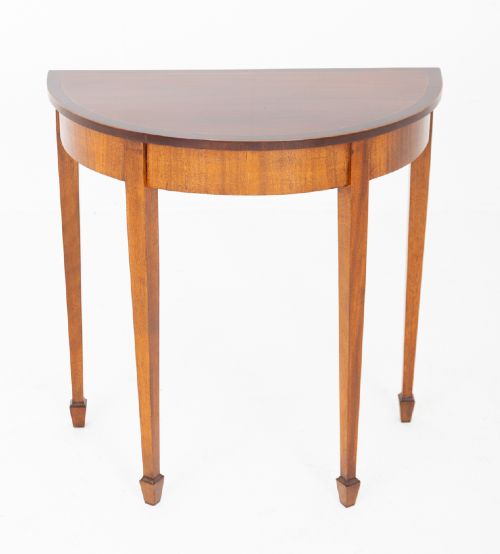
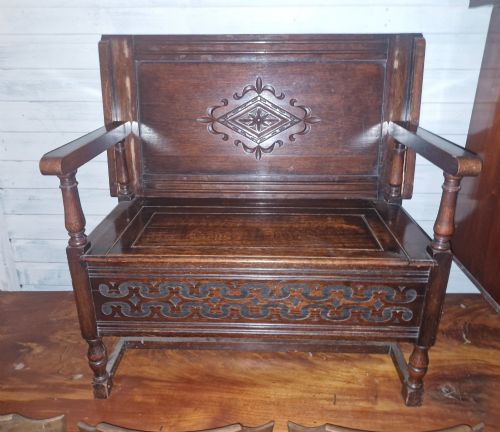
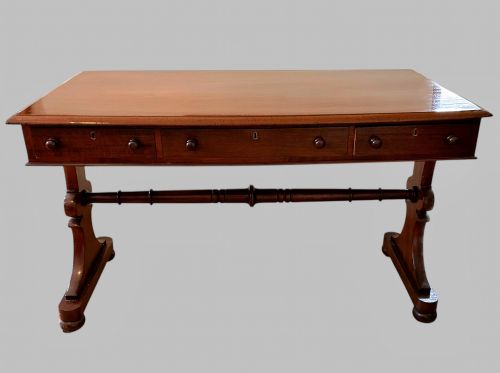
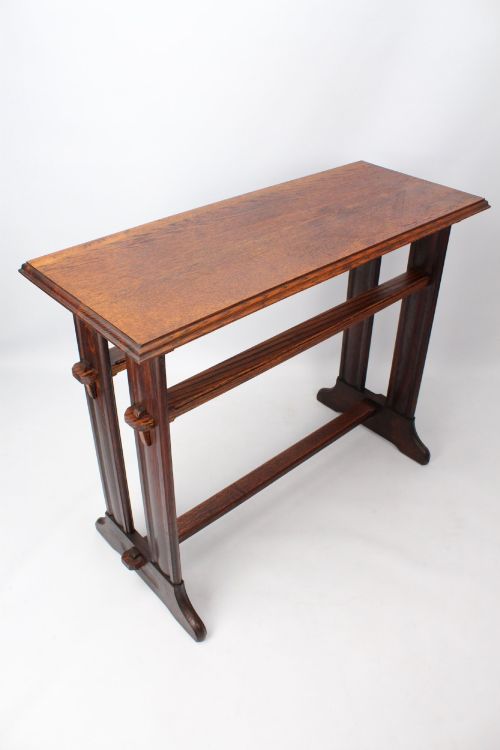
The selection includes specific forms such as demi-lune side tables, lowboy side tables, and banded satinwood sofa tables. Oak, mahogany, walnut, and painted wood provide the primary structures for these narrow furnishings.
Country house style and Georgian Revival pieces represent common aesthetic choices within this group. Buyers frequently encounter nineteenth-century items alongside twentieth-century examples.
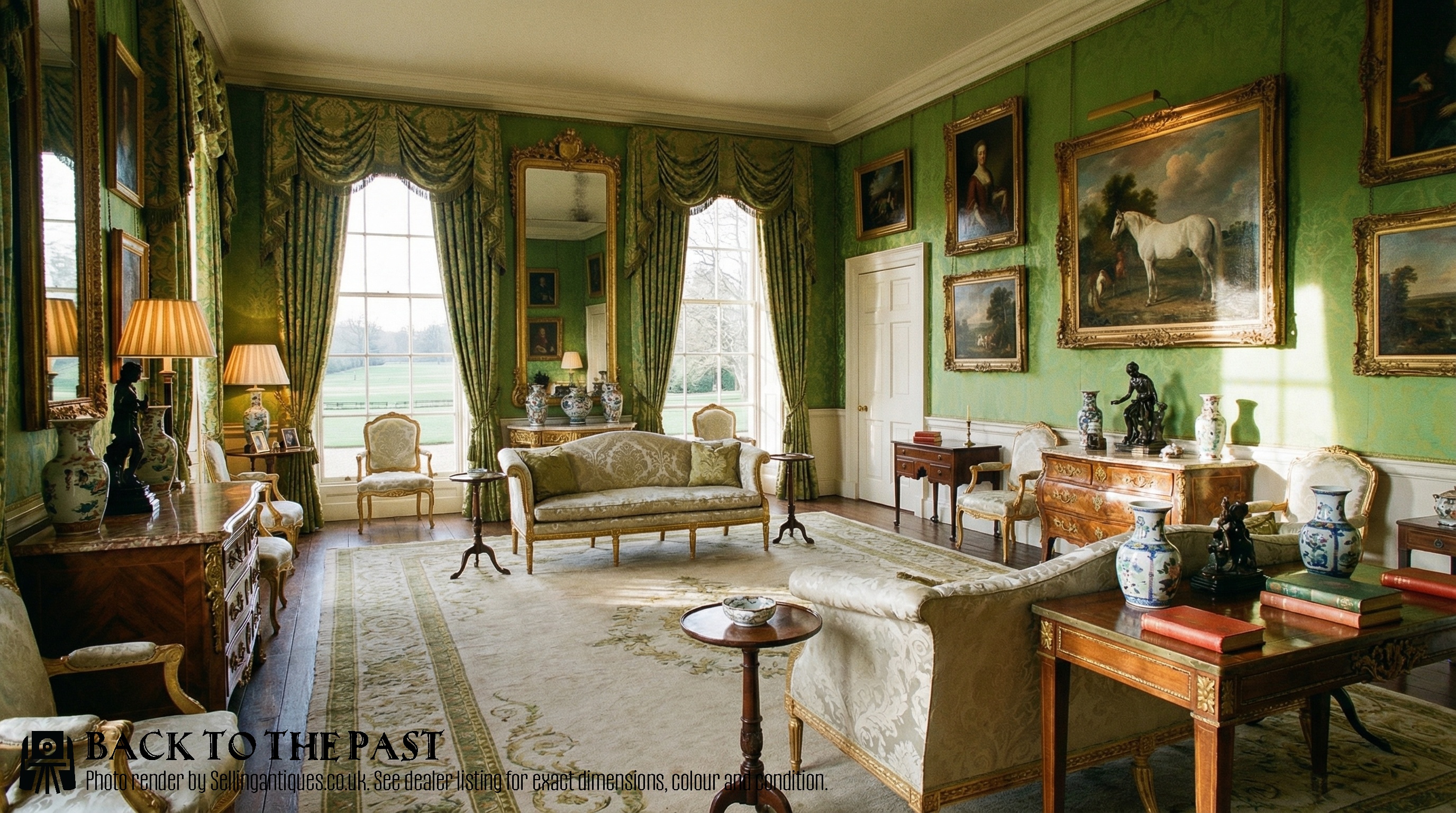
Materials and construction
Cabinet makers utilised solid hardwoods including mahogany, oak, and walnut, alongside burr walnut and walnut veneer. Satinwood banding frequently embellishes table surfaces, while brass fixtures provide functional hardware details.
Construction techniques rely on traditional joinery methods suited to console and side table forms. Painted wood surfaces appear alongside polished timber finishes to achieve distinct period appearances.
Retail Price Guide 2026
Typical UK retail prices for vintage hallway table, calculated from the Sellingantiques database of over a million retail prices indexed since 2003. This retail price guide relies exclusively on Sellingantiques data; no external sources or auction records are used, so the figures do not describe the wider market.
A half-moon table whispers secrets from the wall.
Assessing quality
Quality rests in the selection of timber veneers and the precision of decorative inlays like satinwood banding. Superior examples demonstrate refined proportions in demilune and lowboy formats.
The integrity of the structural joinery and the finish applied to the wood distinguish finer pieces from simpler utilitarian items. Original brass hardware and well-preserved timber patination elevate the standing of a table.
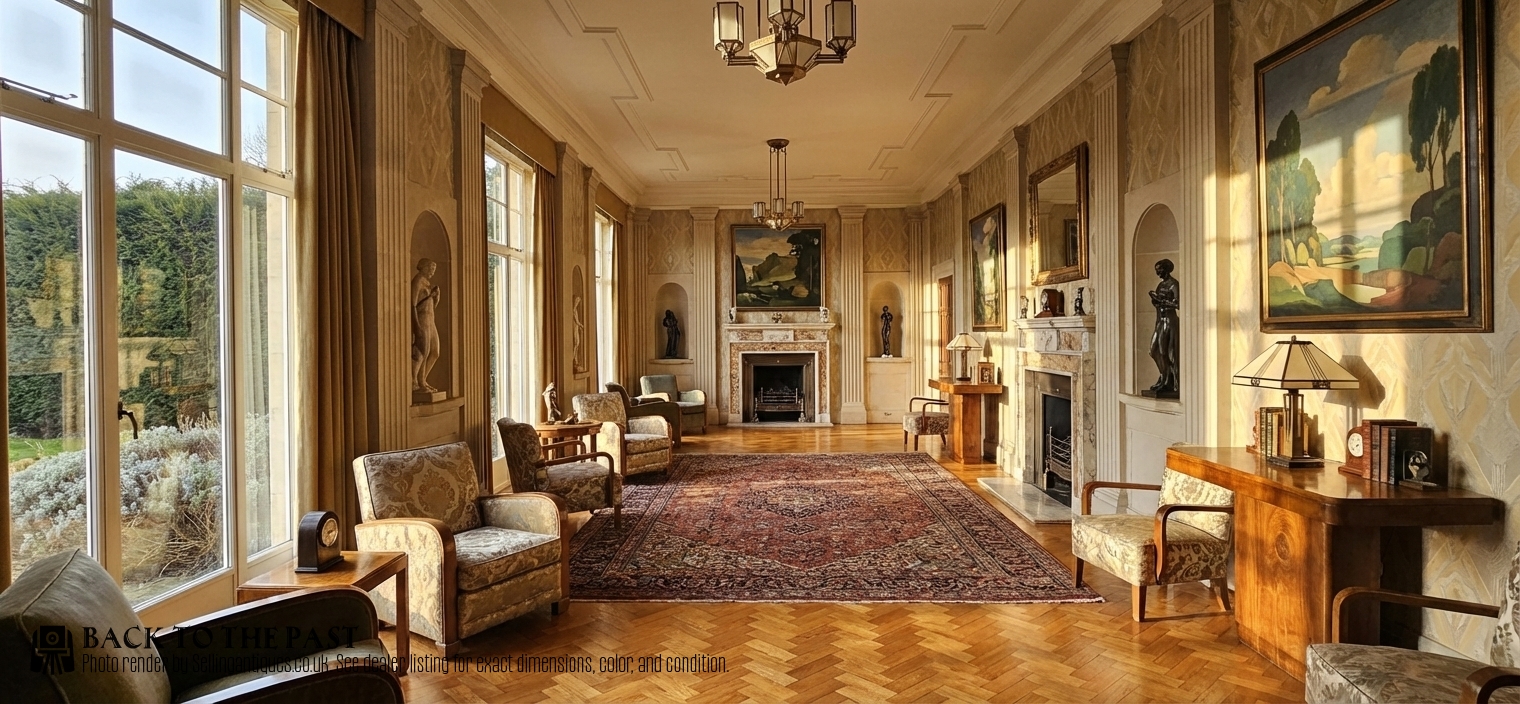
The Vintage Hallway Table Glossary
- Console table
- A table designed to be fixed against a wall, frequently supported by legs at the front.
- Demi-lune
- A half-moon shape characteristic of certain side and console tables designed to sit flat against a wall.
- Lowboy
- A small seventeenth or eighteenth-century style side table with one or more drawers, often referenced in revival pieces.
- Satinwood
- A durable, lustrous yellowish timber utilised for banding and decorative veneers on fine tables.
- Sofa table
- A rectangular table traditionally placed in front of a sofa, featuring drop leaves on either side.
Frequently Asked Questions
Where should I place a vintage hallway table?
These narrow tables suit entrance halls, corridors, and landings where floor space is limited. They provide a convenient surface for post, keys, and decorative items without obstructing movement.
Matching the table style, such as Regency or Art Deco, to the surrounding interior creates a cohesive entranceway design.
How do I clean wooden hall tables?
Dust surfaces regularly with a soft, dry cloth to prevent dirt accumulation on the polished wood or veneer. Avoid chemical sprays that can damage antique or vintage finishes.
Applying a traditional beeswax occasionally helps nourish the timber and maintains the natural lustre of mahogany and walnut.
Can I use a lowboy as a hall table?
A lowboy functions effectively in a hallway due to its compact proportions and useful drawer storage. Originally designed as small dressing or side tables, their revival styles suit modern entryways.
These tables combine traditional joinery with practical surface space for everyday items.