
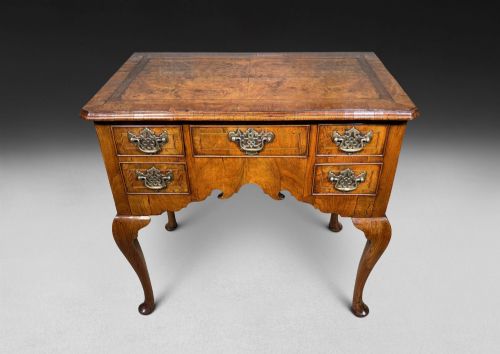
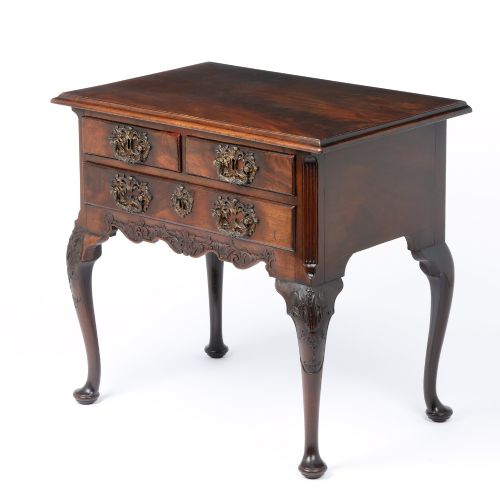
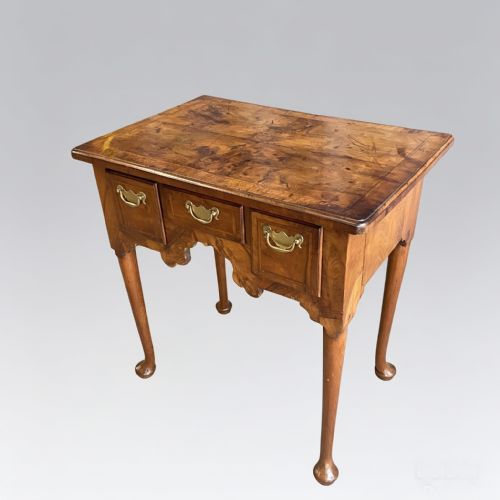
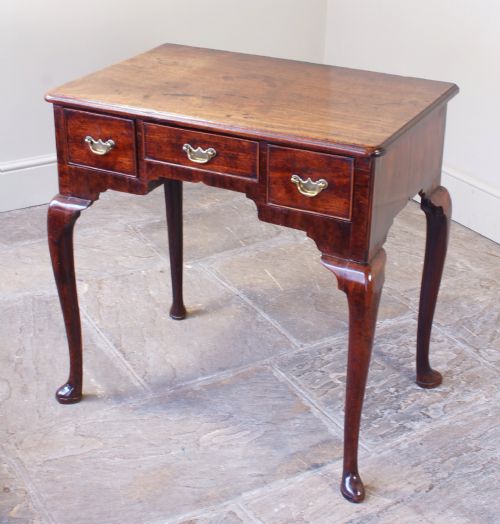


George II Lowboy
A george ii lowboy is a compact and versatile period table offering surface space and drawers for domestic use.
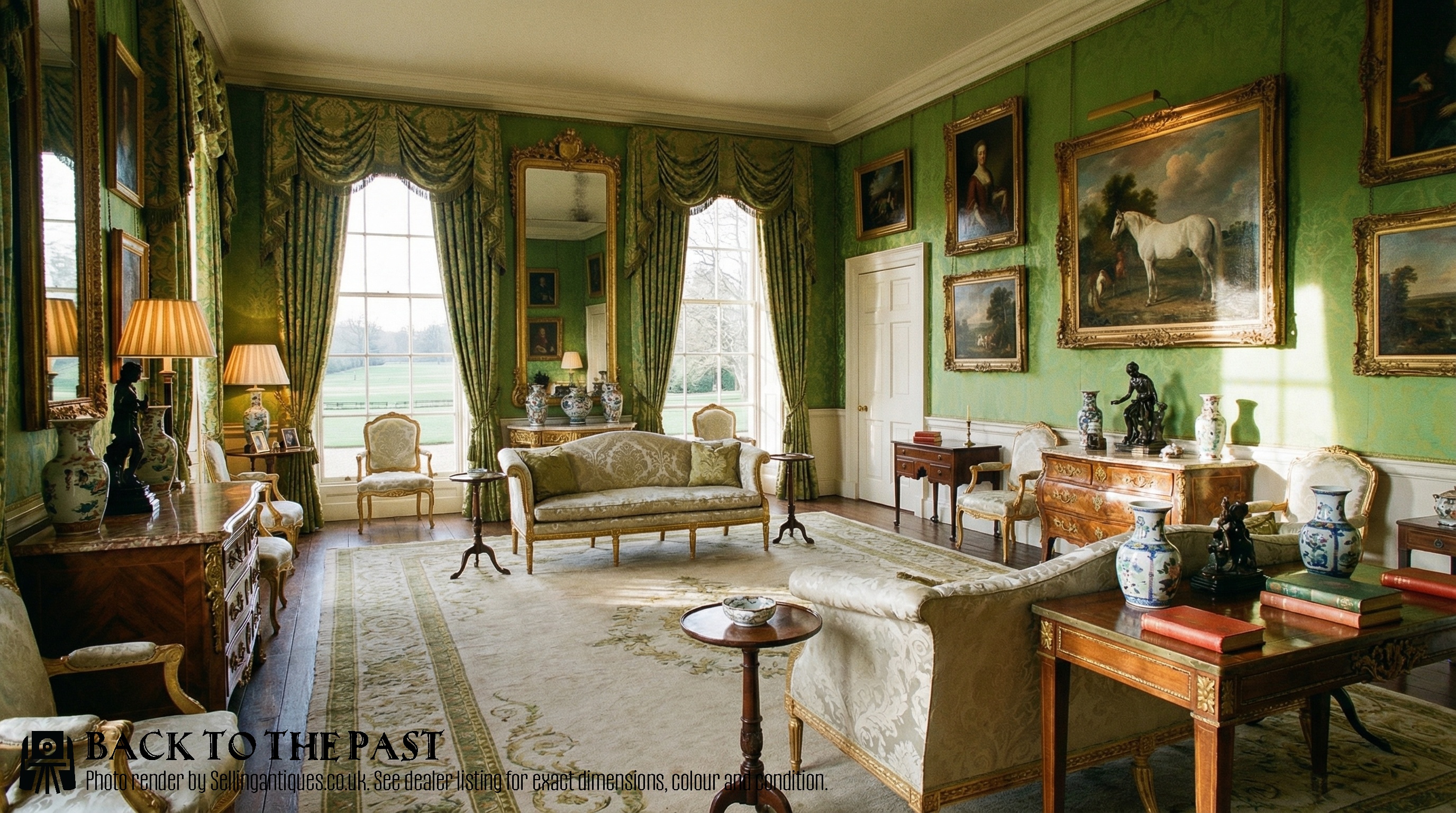
What george ii lowboy pieces are
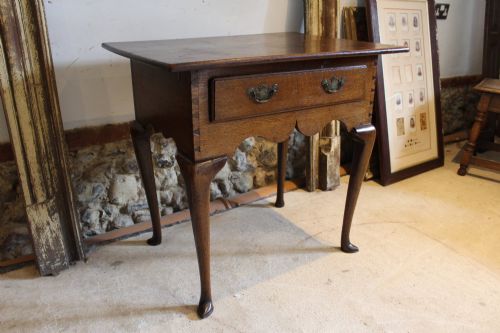
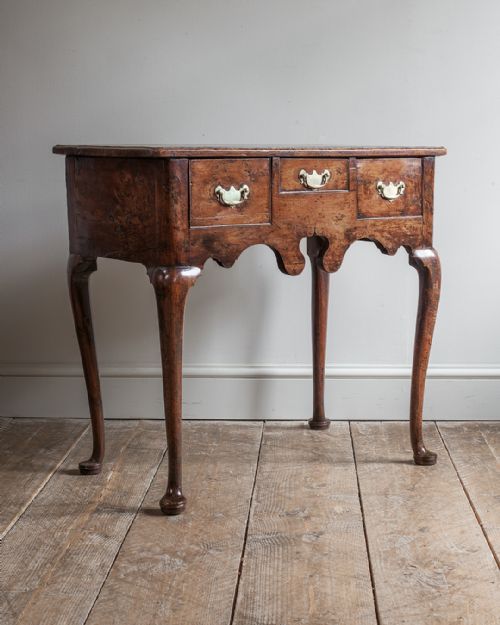
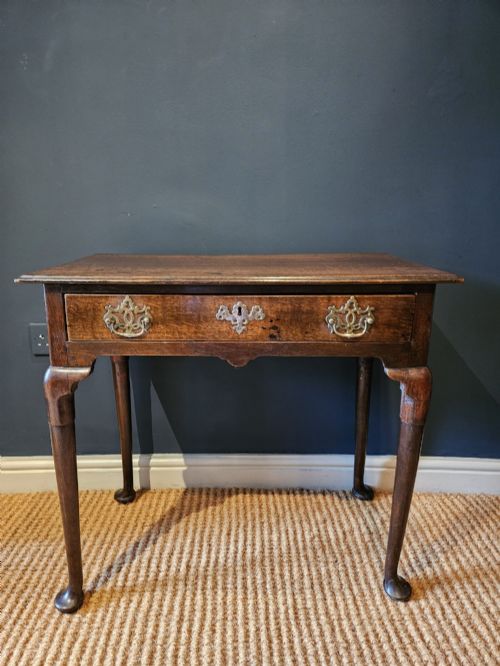
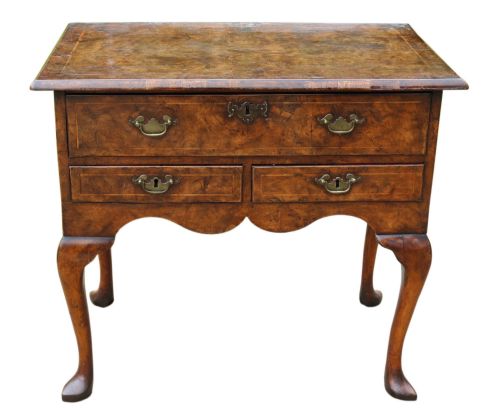
When you search for a george ii lowboy, you encounter low-standing tables designed primarily for dressing or writing, typically fitted with multiple drawers beneath the top surface. These pieces emerge predominantly from the eighteenth century, aligned with the Georgian era, though nineteenth-century revival examples also appear.
The form appears in various configurations, functioning as side tables, desks, or writing tables. Walnut, mahogany, oak, burr elm, fruitwood, and solid plum wood represent the primary timbers encountered across these listings.
Materials and construction
Cabinet makers utilised a range of native and imported timbers, constructing bodies from oak, walnut, mahogany, fruitwood, burr elm, and solid plum wood. Crossbanding and inlay techniques ornamented the surfaces of certain tables.
Fittings such as brass handles and drop pulls completed the drawer assemblies. Tables frequently featured moulded edges to the top boards and rested on slender legs terminating in specific feet.
Retail Price Guide 2026
Typical UK retail prices for george ii lowboy, calculated from the Sellingantiques database of over a million retail prices indexed since 2003. This retail price guide relies exclusively on Sellingantiques data; no external sources or auction records are used, so the figures do not describe the wider market.
Factors of quality
The quality of a piece rests in the choice and figuring of the timber, such as burr walnut or burr elm, and the crispness of the moulded edges and drawer dovetailing. Original brass hardware enhances the integrity of the surviving table.
Proportion and surface patina distinguish superior examples from standard ones. Grain movement and the warmth achieved through age separate better-preserved items from later revival pieces.
The George II Lowboy Glossary
- Lowboy
- A small domestic table with one or more tiers of drawers, commonly used as a dressing table or side table during the eighteenth century.
- Crossbanding
- A strip of veneer applied to the border of a furniture top, running perpendicular to the grain of the central panel.
- Patina
- The surface sheen and mellowing developed by timber over centuries of handling, exposure, and polishing.
- Moulded edge
- A shaped profile worked along the margin of a table top to provide decorative definition.
- Dovetail
- A joint formed by interlocking wedge-shaped fingers, standard in drawer construction.
Frequently Asked Questions
What is a lowboy used for?
A lowboy served historically as a small dressing table or writing desk in domestic bedchambers and parlours. The surface held washing basins, mirrors, or writing materials while the drawers stored personal items.
Today, owners utilise them as hallway side tables or compact desk spaces in living areas. Their modest footprint allows them to fit easily into smaller rooms.
How do I date a lowboy?
Dating relies on examining the timber species, construction methods, and secondary woods used inside the drawer linings. Eighteenth-century pieces display hand-cut dovetails and specific grain patterns typical of the Georgian period.
Revival pieces from the nineteenth century often exhibit machine assistance or different internal timber choices. Original brass hardware also offers clues regarding the timeline of manufacture.
Are lowboys made of solid wood?
Many examples utilise solid timbers such as oak, fruitwood, or walnut throughout the frame and top. Cabinet makers also applied figured veneers like burr walnut or burr elm onto secondary groundwork timbers.
Construction methods varied according to the workshop and the specific materials available to the maker. Examining the drawer interiors reveals whether solid boards or veneered panels form the primary surfaces.
Where should I place a lowboy?
These tables suit hallways, landings, or sitting rooms where surface space is required without a heavy visual footprint. Placing them against a wall allows the drawers to remain fully accessible for everyday storage.
Keep them away from direct heat sources and strong sunlight to protect the polish and prevent the timber from drying out. Routine maintenance involves gentle dusting and occasional waxing.