
George II Furniture
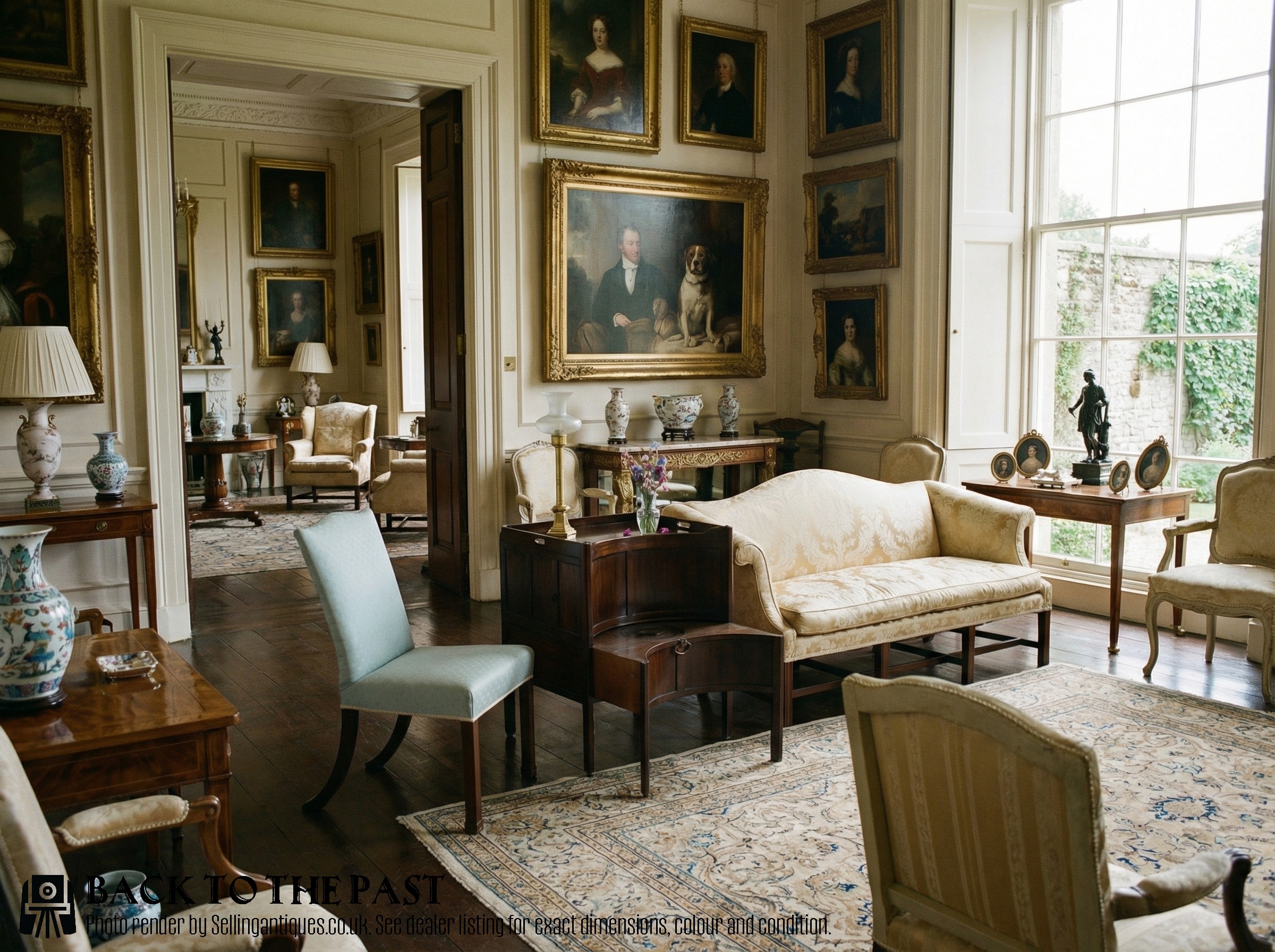
These george ii furniture pieces bring heavy timber warmth and restrained carving into a room, offering functional utility grounded in eighteenth-century craftsmanship.
George II Furniture
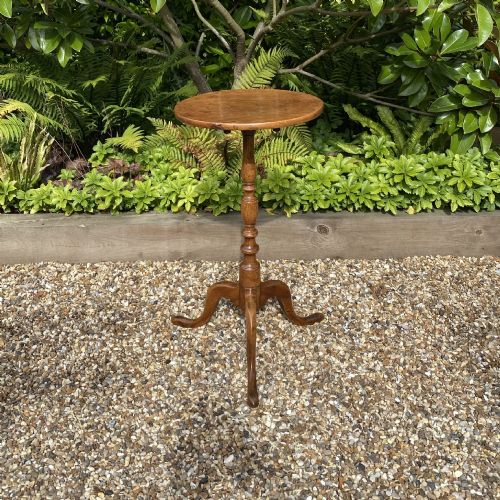
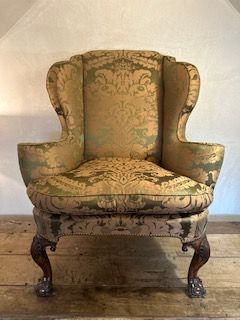
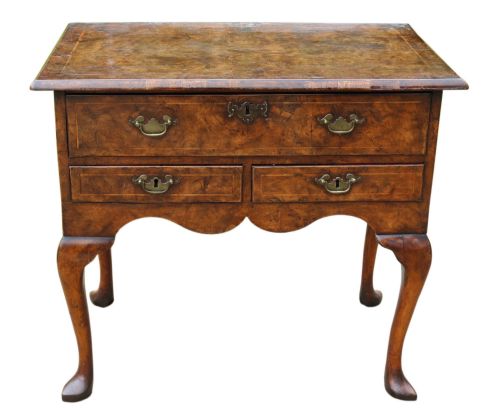
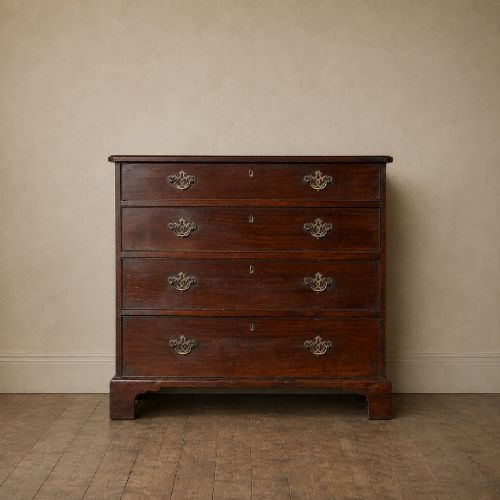
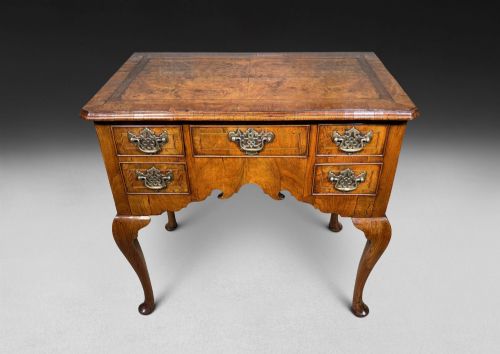
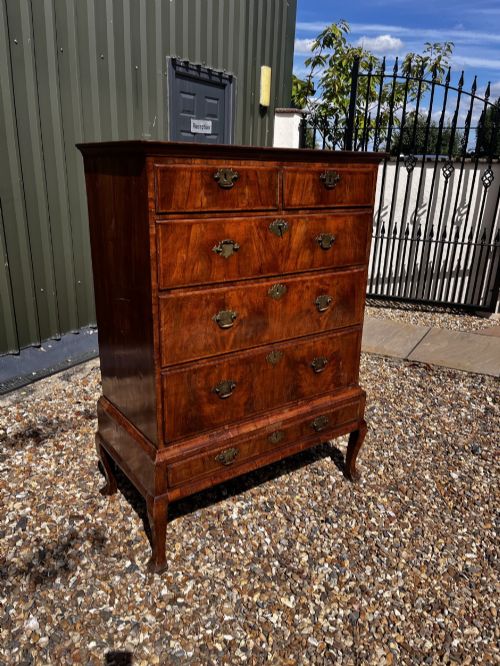
When someone searches for george ii furniture, they encounter sturdy practical forms intended for daily use in domestic spaces, ranging from lowboys and chests of drawers to wing armchairs and wine tables. The material record spans eighteenth-century origins alongside later revival pieces produced during the nineteenth and twentieth centuries.
Materials and construction
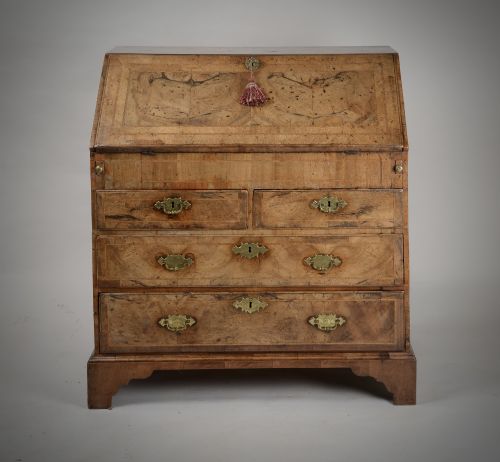
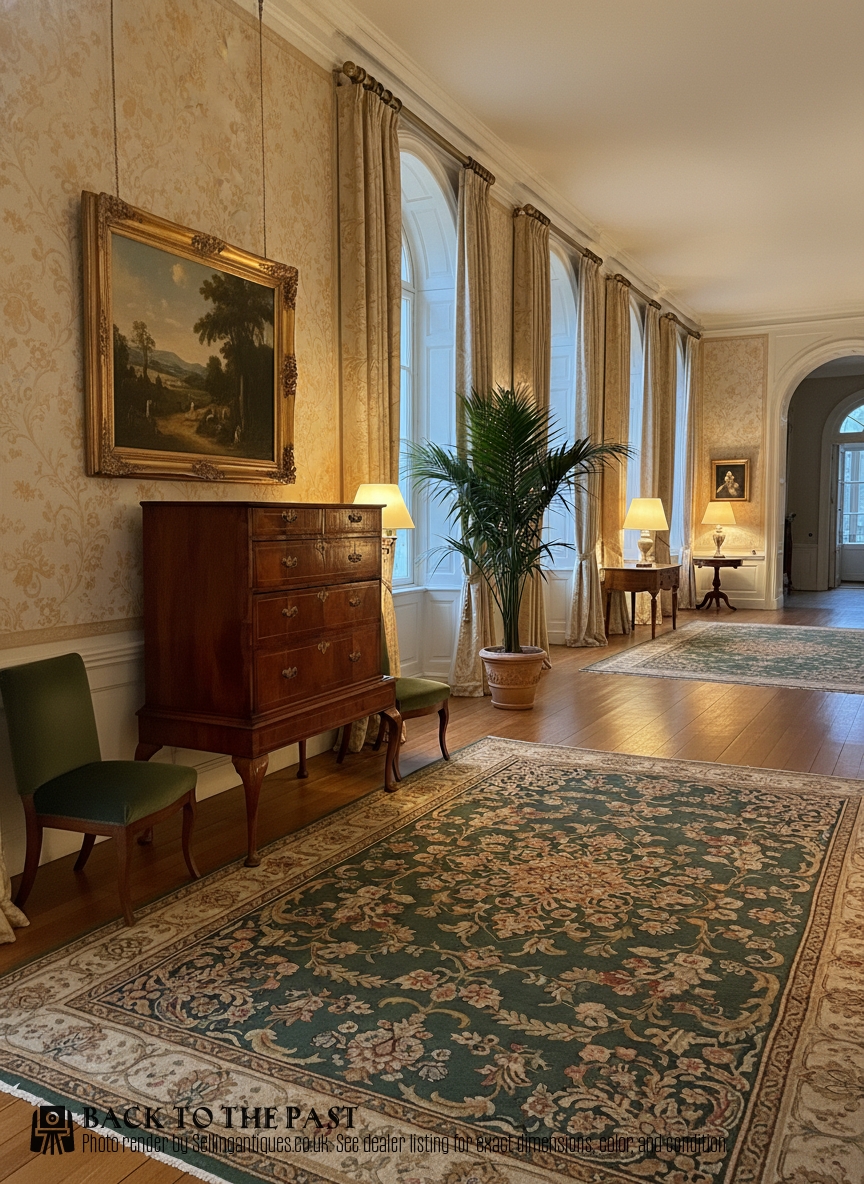
Makers relied on dense hardwoods like walnut, mahogany, and oak, often selecting figured veneers and burr sections to create patterned surfaces on drawer fronts and tabletops. Secondary timbers provided internal framing while brass drop handles and escutcheons secured the opening of drawers and doors.
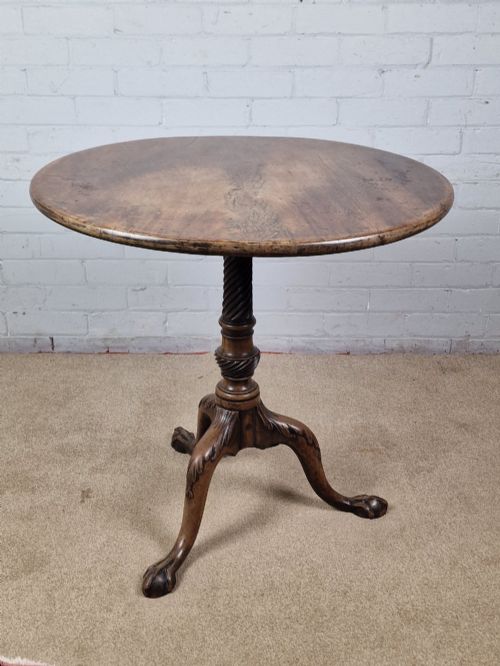
Joinery techniques prioritised structural integrity through mortise and tenon frames, dovetail drawer construction, and panelled backs. Turning lathes shaped spiral columns and cabriole legs, while hand carving defined details such as claw and ball feet or scalloped aprons.
George II Furniture Retail Price Guide 2026
Typical asking prices for george ii furniture among the pieces listed under this phrase on Sellingantiques today, from the lower quarter to the upper quarter. They describe what is for sale here now, not the wider market.
A tiny twenty-centimetre miniature chest of drawers sits alongside full-sized case furniture, proving eighteenth-century proportions charmed makers at any scale.
Judging the range
The distinction between standard items and exceptional pieces rests upon the choice of timber and the precision of the cabinetmaker's hand. Rich figure in walnut veneers, original brass hardware, and crisp carving on cabriole legs separate superior examples from plainer domestic utility items.
Proportion and surface finish dictate the overall success of a piece, where a well-balanced chest on chest or bureau maintains harmonious drawer sequencing and intact patination. Later revival items differ from period originals through their seasoning of timber, tool marks, and construction shortcuts.
The George II Furniture Glossary
- Lowboy
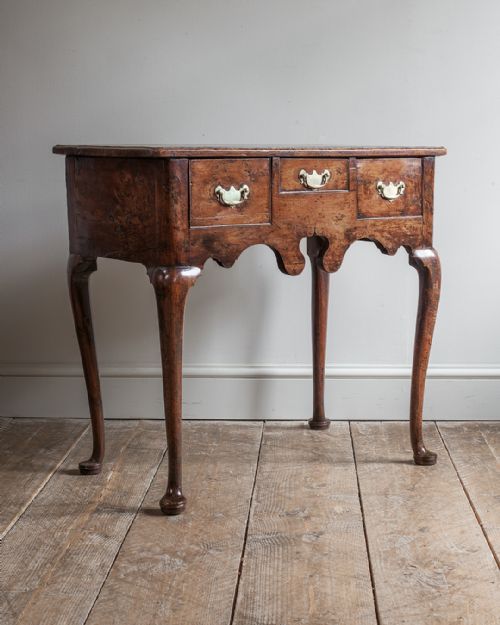
- A small side table or dressing table featuring a low set of drawers beneath the top surface. These typically stood on cabriole legs and served various domestic functions.
- Cabriole leg
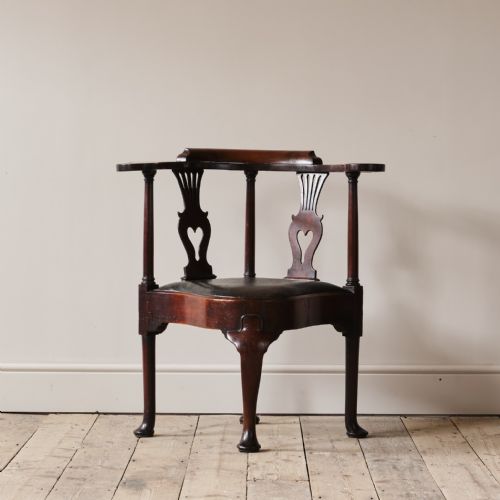
- A furniture leg that curves outward at the knee and tapers inward toward the ankle, often terminating in a hoof, pad, or claw foot.
- Burr walnut
- Wood taken from a growth on a walnut tree, yielding highly figured grain patterns with swirling knots. Cabinetmakers sliced this wood into thin veneers for decorative surfaces.
- Kneehole desk
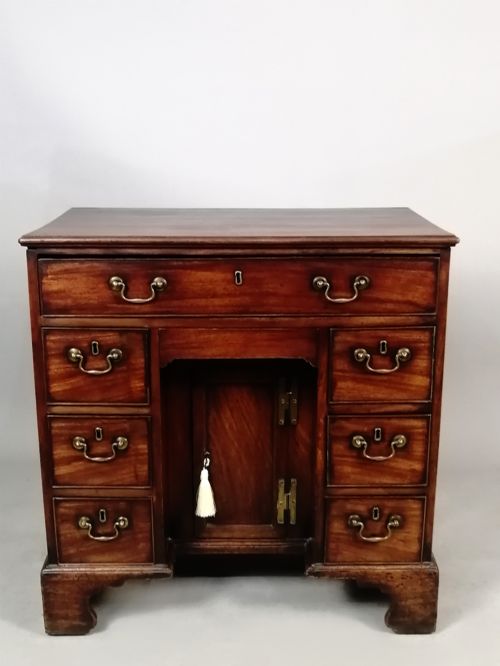
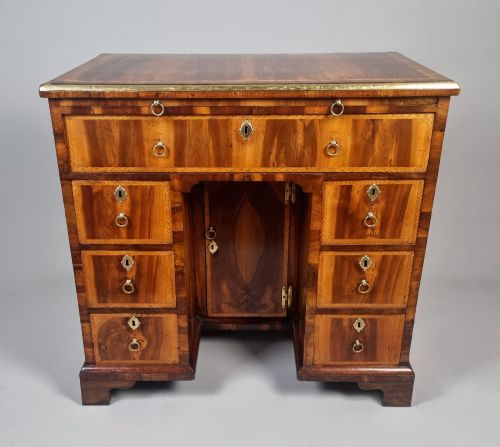
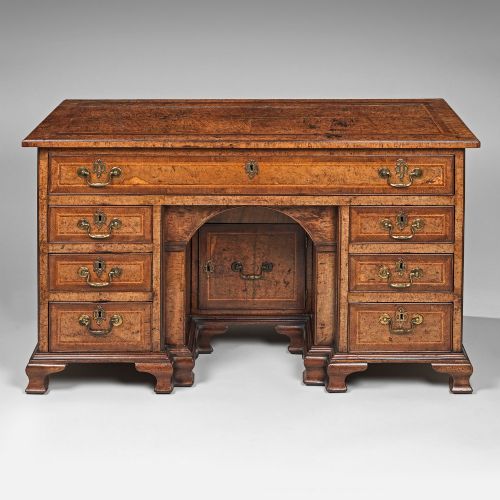
- A compact writing desk featuring a central recess for the sitter's legs, flanked by pedestals of small drawers. They frequently incorporated a recessed cupboard door at the back of the kneehole.
- Drop-leaf table
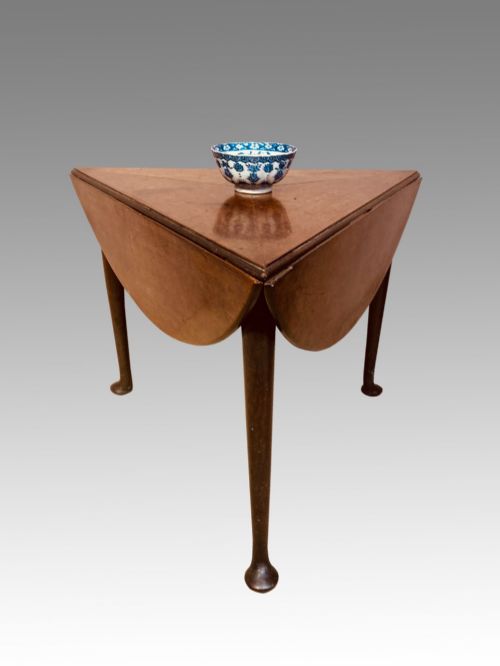
- A table with a fixed centre section and hinged flaps on either side that fold down when not in use. Brackets or swing legs support the flaps when raised.
George II Furniture: Frequently Asked Questions
How do I spot a revival piece?
Revival pieces, such as those from the Victorian era or later, often betray their age through machine-cut joinery, standardised screw types, and different wood seasoning methods. Examining the interior secondary timbers and drawer linings usually reveals the true period of manufacture.
Period originals display hand-cut dovetails and timber movement appropriate to eighteenth-century workshop practices, whereas later copies lack the natural surface patination accumulated over centuries of use.
Were these items used for dining?
Certain forms like mahogany oval drop-leaf tables were specifically designed for dining spaces, providing expandable surfaces for meals before folding away against a wall. Smaller wine tables and occasional tables served mobile functions around the parlour or drawing room.
Dining arrangements in the eighteenth century relied on versatile tables that could be reconfigured easily depending on the number of guests present and the time of day.
What is a brushing slide?
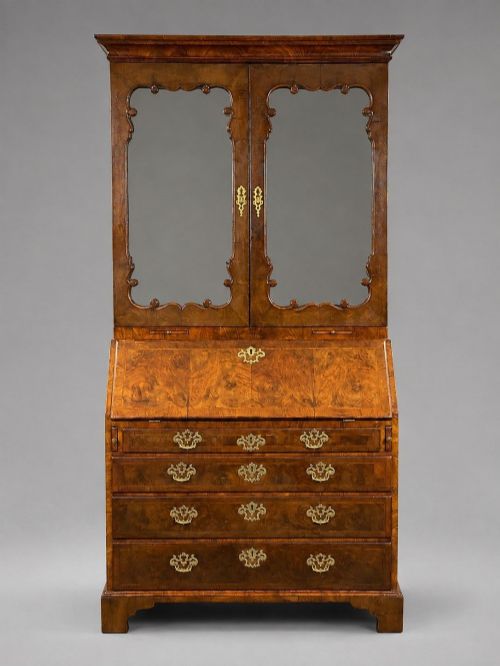
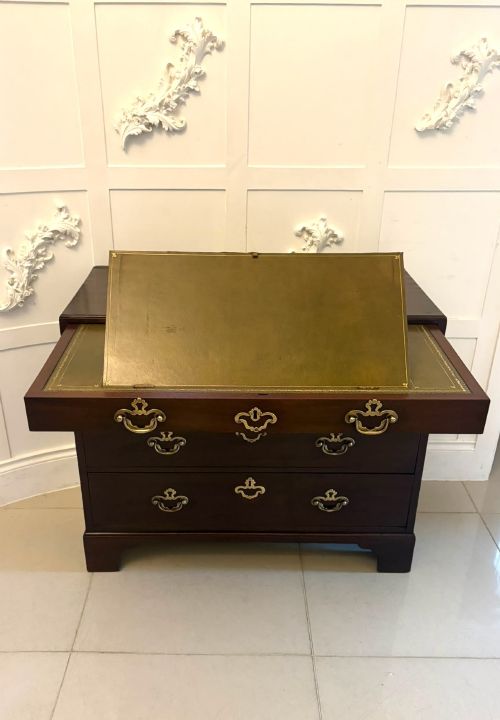
A brushing slide is a pull-out shelf integrated into the top section of a chest of drawers or bureau, positioned just beneath the main surface. Gentlemen and ladies utilised these ledges to dust clothing or write brief notes without opening a full desk.
They appear frequently on mid-eighteenth-century case furniture as a space-saving feature designed for practical daily convenience in bedchambers.
How should I care for walnut?
Walnut furniture requires a stable indoor environment away from direct sunlight and sudden temperature shifts to prevent timber splitting and veneer lifting. Applying a traditional beeswax polish occasionally helps nourish the wood and maintain its surface sheen.
Avoid placing these pieces near active heat sources or air conditioning vents, as dry air causes old hardwoods to contract and stress historical joints.