

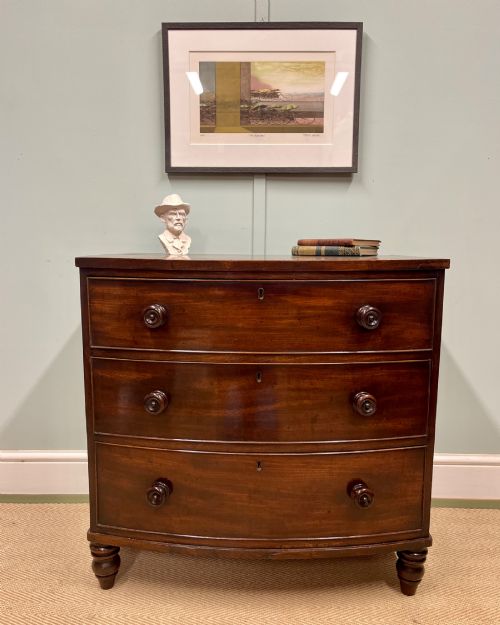
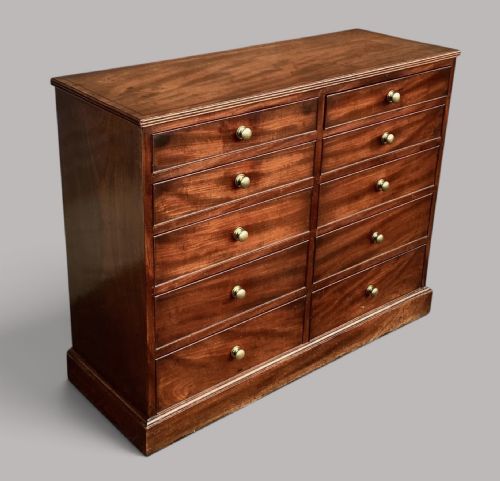
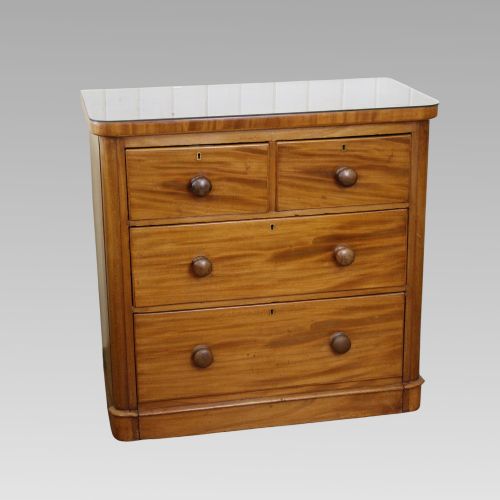
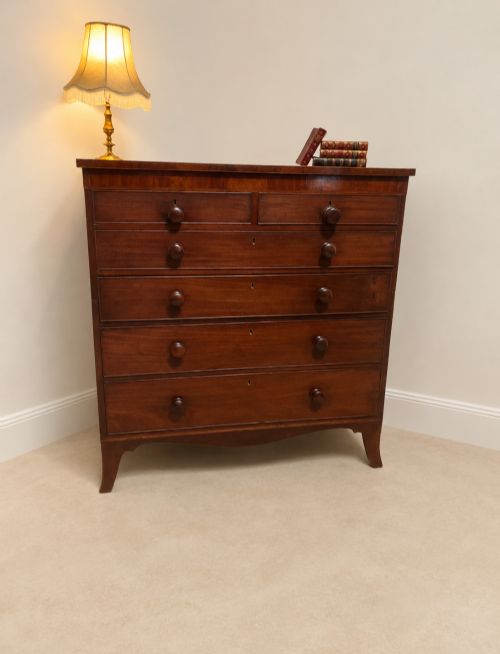
Antique Commode Cabinet
An antique commode cabinet is a low storage piece that brings classic timber and marble to a room.
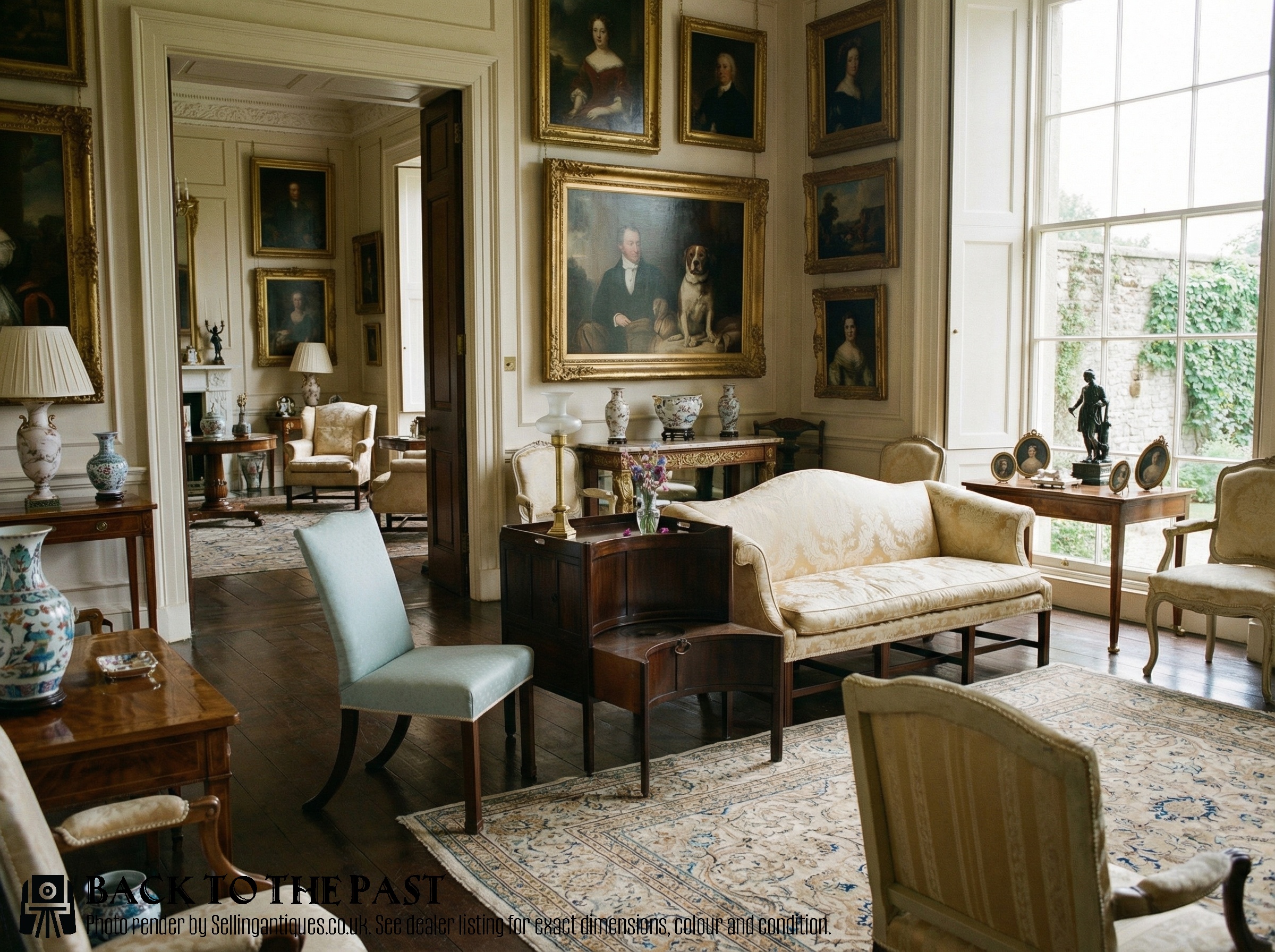
Antique Commode Cabinet
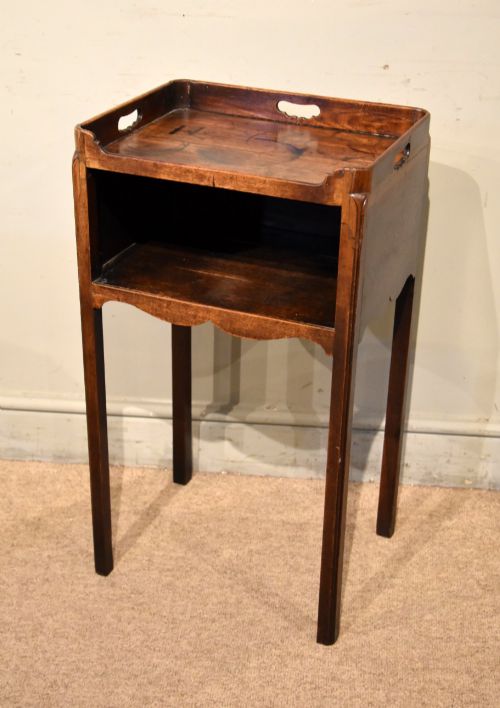
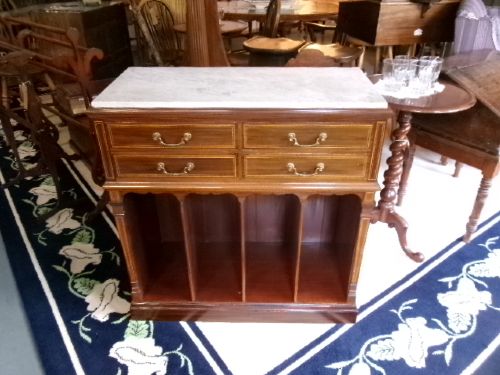
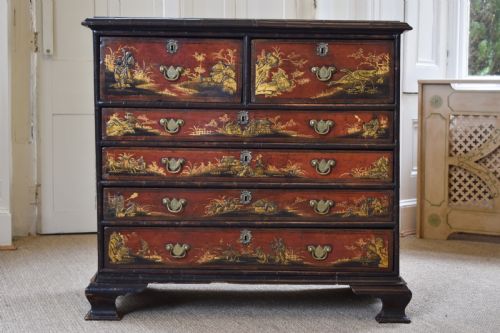
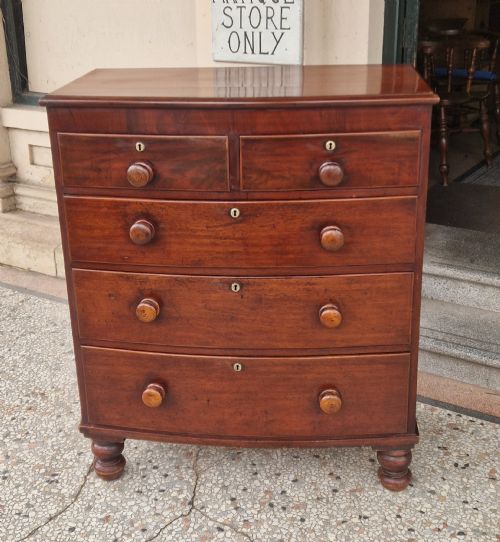
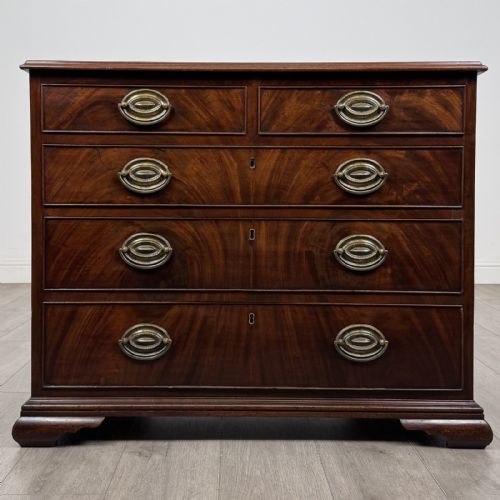
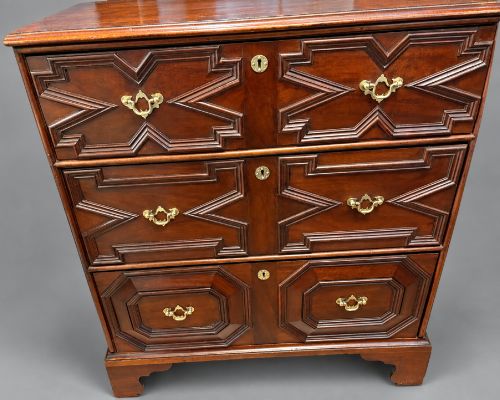
When you search for an antique commode cabinet, you are looking at low storage forms that cross between chests of drawers, bedside cupboards, and side cabinets. These pieces developed across the eighteenth and nineteenth centuries in both British workshops and French ateliers.
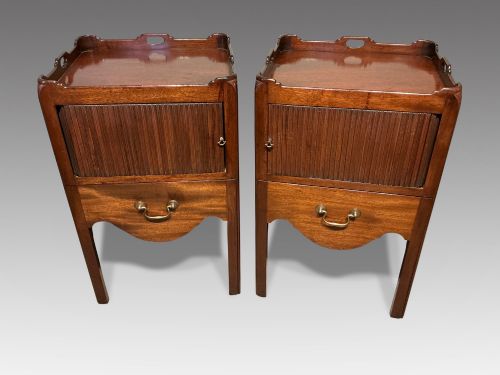
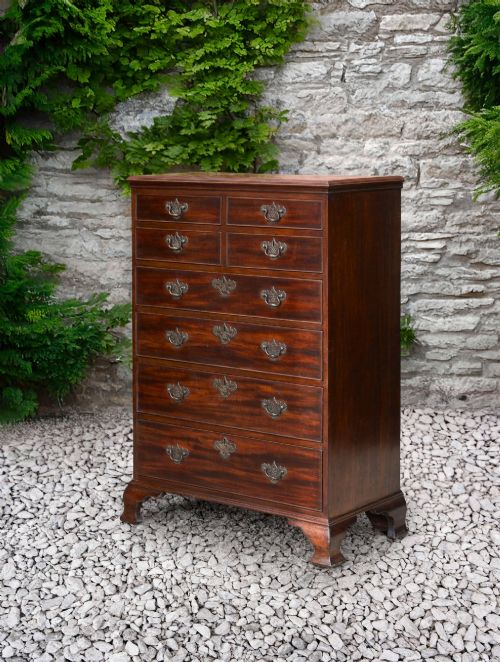
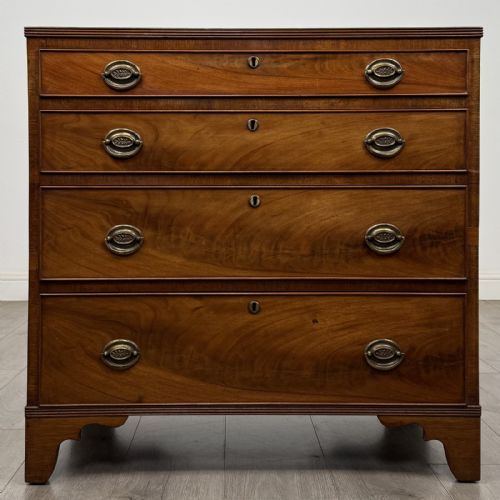
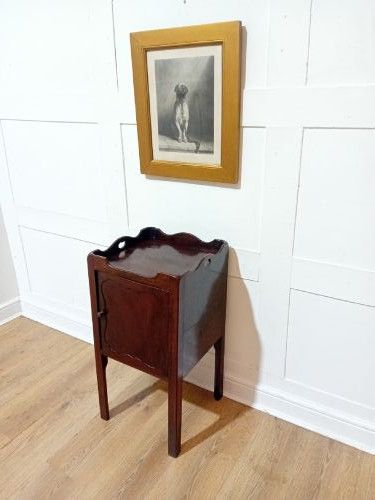
You are most likely to meet mahogany and walnut chests of drawers from the Georgian and Victorian eras, alongside French commodes featuring marble tops and marquetry. Bedside tables, night cupboards, and demi-lune side cabinets also appear frequently.
Origins range widely from provincial British oak pieces to ornate French Louis-style designs mounted in ormolu. The common thread is a compact, functional footprint combined with decorative timber surfaces.
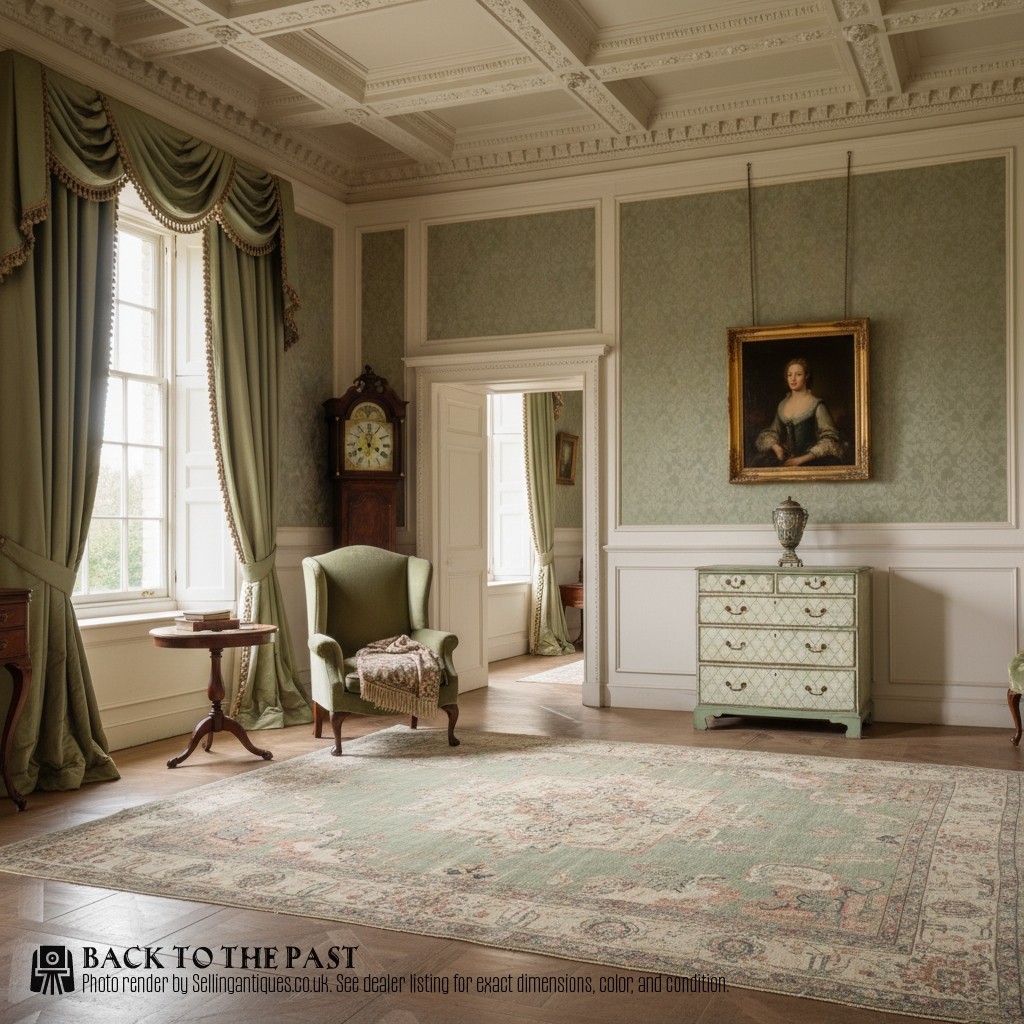
How they were made
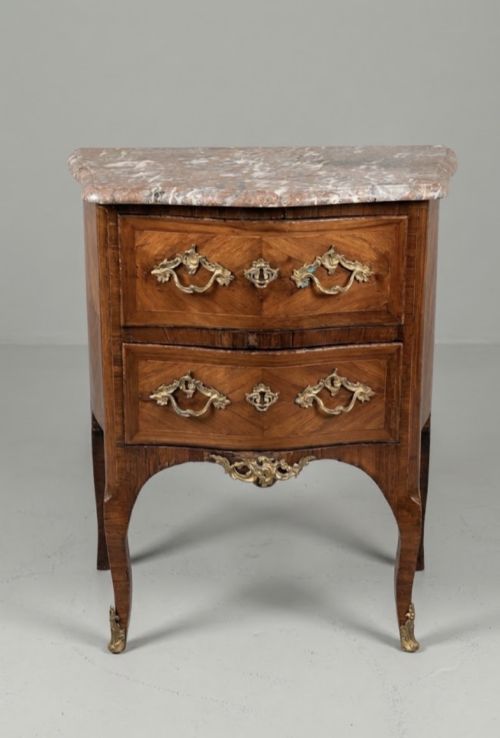
Cabinet makers relied primarily on solid timbers like mahogany, walnut, and oak for the foundational carcase and drawer construction. Finer pieces incorporated veneers of kingwood or satinwood, often arranged in floral marquetry patterns across curved serpentine fronts.
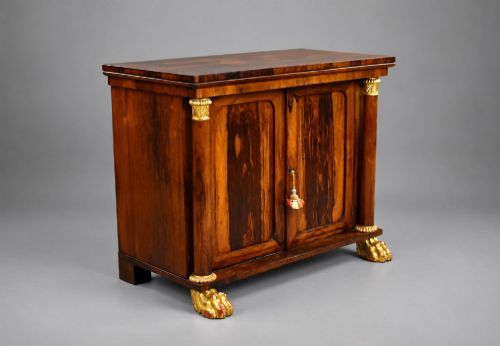
Surface ornamentation made extensive use of cast ormolu mounts to highlight corners and keyhole escutcheons, particularly on French commodes. Heavy grey, rouge, or white marble tops completed many continental designs, fitted precisely to the timber frame below.
Antique Commode Cabinet Retail Price Guide 2026
Typical asking prices for commode cabinet among the pieces listed under this phrase on Sellingantiques today, from the lower quarter to the upper quarter. They describe what is for sale here now, not the wider market.
The listings show pieces spanning from the mid-eighteenth century through the Edwardian era, incorporating mahogany, walnut, oak, and marble.
What varies in quality
The standard of timber selection divides simpler utilitarian furniture from grander reception pieces. Figured mahogany or matched walnut veneers demonstrate a maker's intent to display natural grain patterns across the front drawers and sides.
The crispness of hand-cut dovetails and the weight of cast brass or ormolu mounts indicate the workshop's level of skill. Integrated details such as serpentine shaping and fitted marble tops further separate standard regional pieces from masterworks.
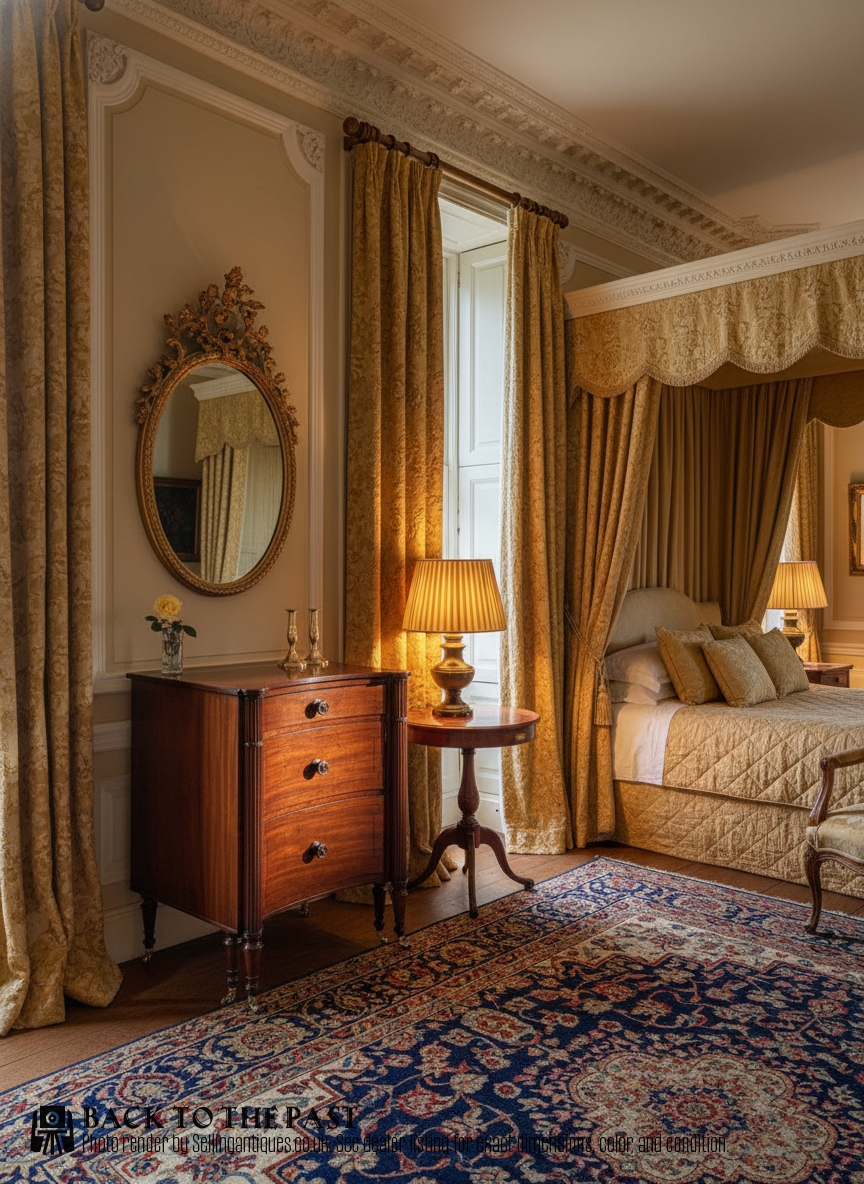
Jacques Bircklé·Henry Dasson·Weisweiler·Heals
The Antique Commode Cabinet Glossary
- Serpentine
- A front shape that curves gently outward in the centre and inward at the sides. This technique demands precise woodworking to follow the undulating line.
- Marquetry
- Inlaid wood veneers forming decorative patterns or pictures. Craftsmen cut contrasting timbers to fit tightly into geometric or floral designs.
- Ormolu
- Gilded bronze mounts applied to furniture for decoration. Found frequently on French pieces from the eighteenth and nineteenth centuries.
- Demi-lune
- A half-moon shape used for small cabinets and commodes. These pieces fit flat against a wall while offering a curved front profile.
- Dovetail
- A traditional interlocking joint used to connect drawer sides to drawer fronts. Hand-cut versions are a marker of older cabinet making.
Antique Commode Cabinet: Frequently Asked Questions
What is an antique commode cabinet?
An antique commode cabinet is a low piece of furniture designed for storage, functioning either as a chest of drawers, a bedside cupboard, or a side cabinet.
These pieces originate from various periods including the Georgian, Victorian, and Edwardian eras, as well as French continental workshops.
How were antique commodes used?
Originally utilised in bedrooms and living spaces, these cabinets held clothing, linens, or personal items depending on their specific form.
Bedside variants held night essentials, while larger French commodes and chest formats served prominent roles in formal rooms.
How do I style a commode cabinet at home?
Place a commode cabinet in a hallway, bedroom, or living room where its timber grain and surface details can act as a focal point.
Top the surface with lamps, mirrors, or small decorative objects while utilising the internal drawers for everyday storage.
How do I tell Georgian from Victorian pieces?
Georgian pieces often display restrained lines, mahogany timbers, and simpler bracket feet, reflecting eighteenth-century design proportions.
Victorian cabinets tend to be heavier in construction, utilising darker finishes and more robust drawer configurations.