

Vintage Bedside Chest
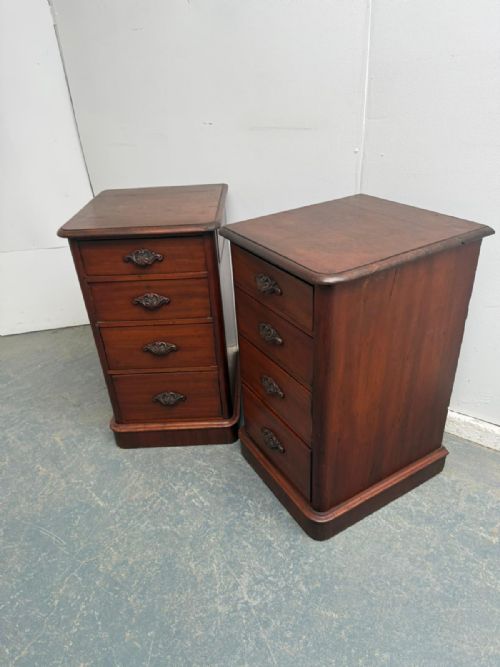
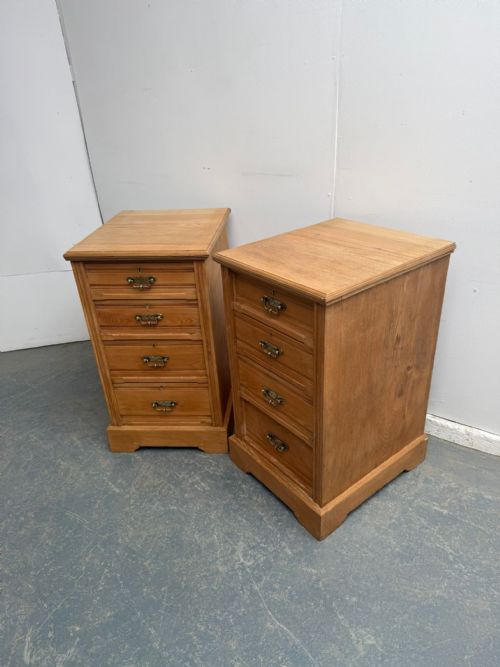
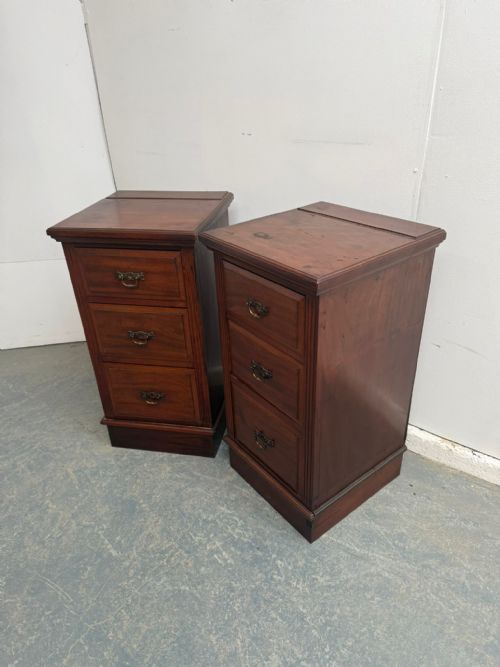
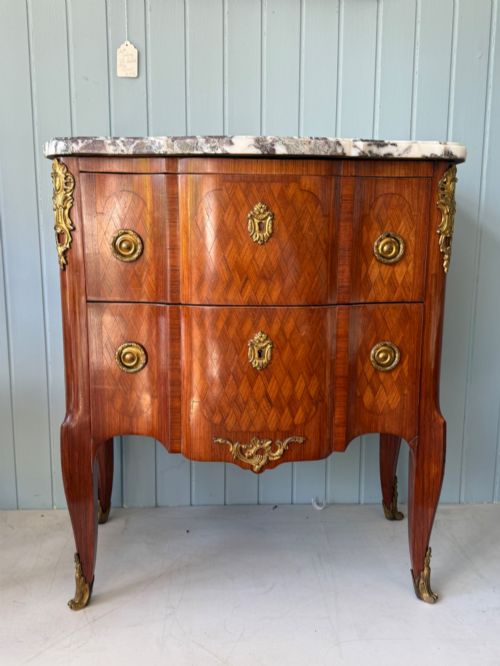
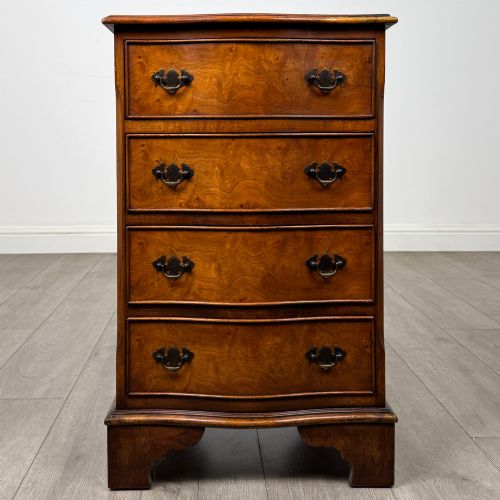
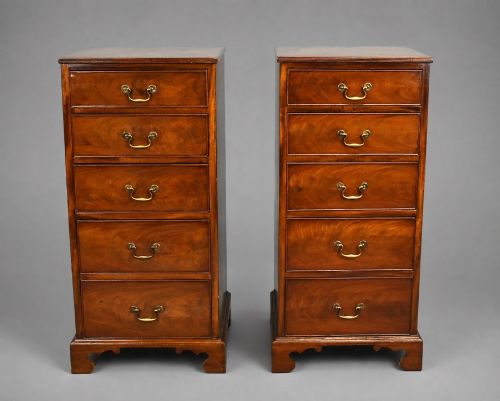
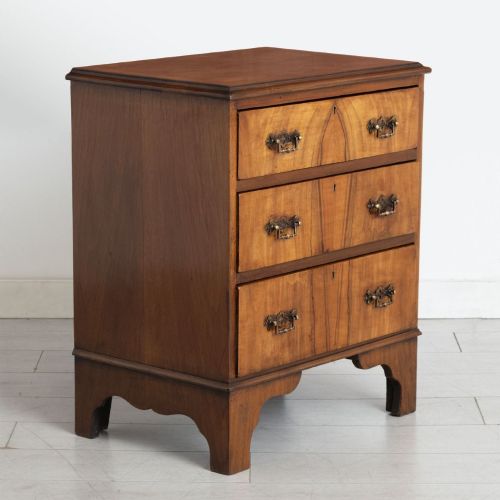
These vintage bedside chest examples are compact pieces of period furniture designed to sit beside a bed, offering practical storage and distinct historical character.
What vintage bedside chest pieces are
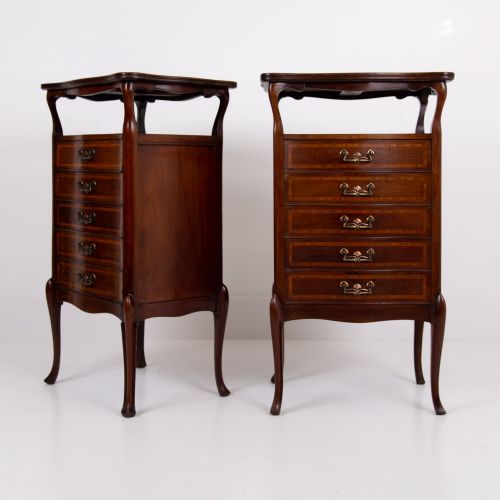
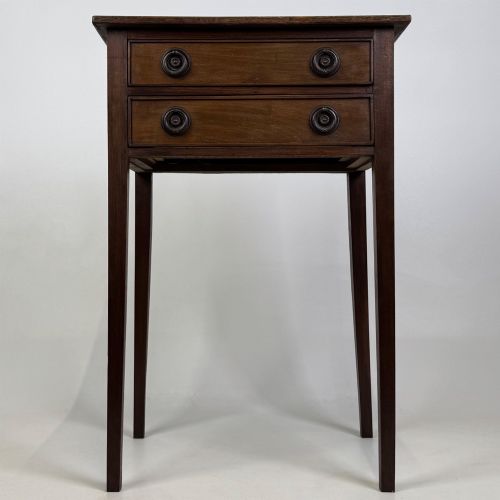
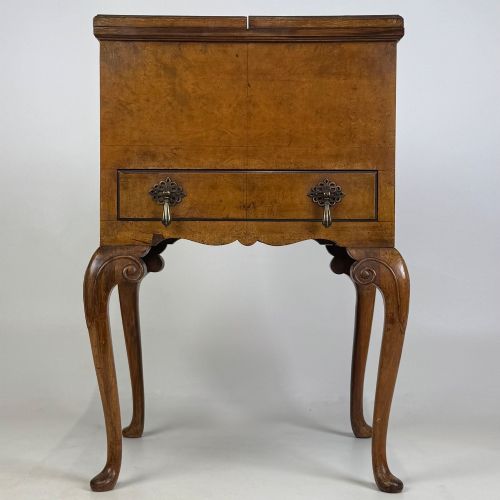
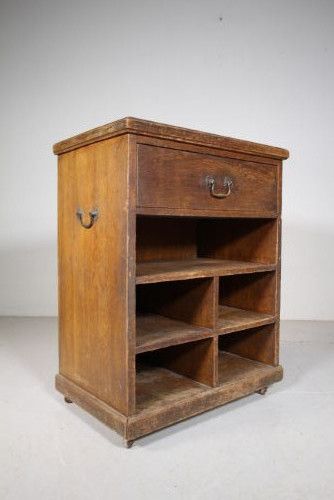
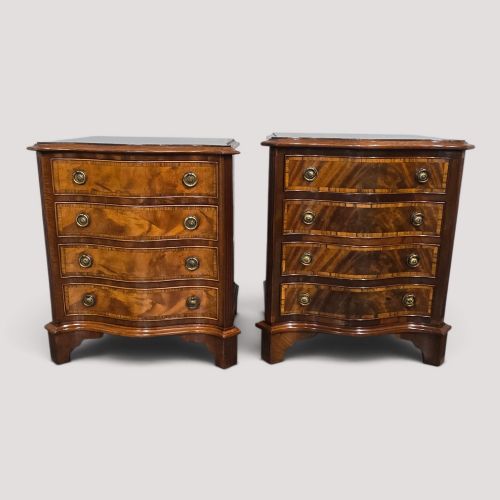
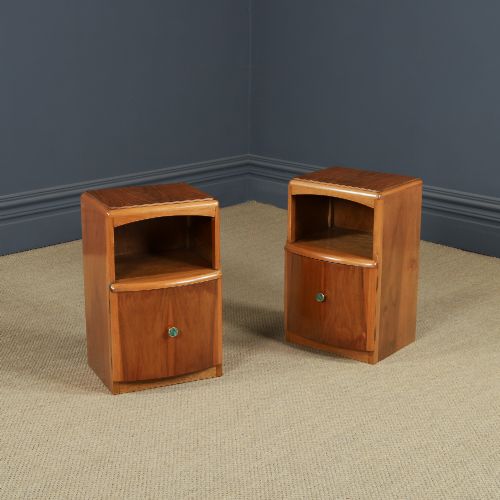
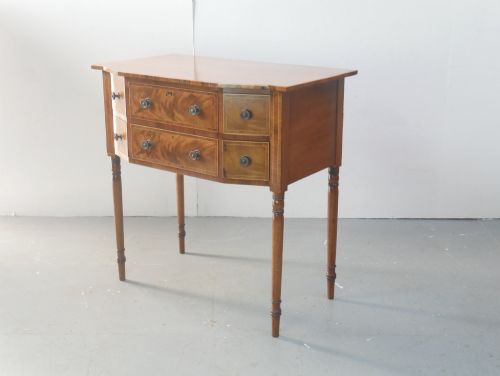
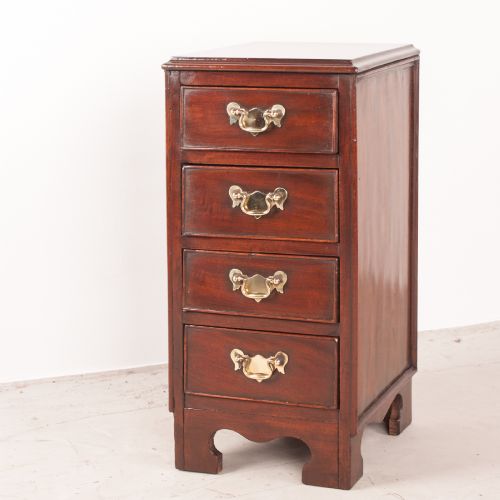
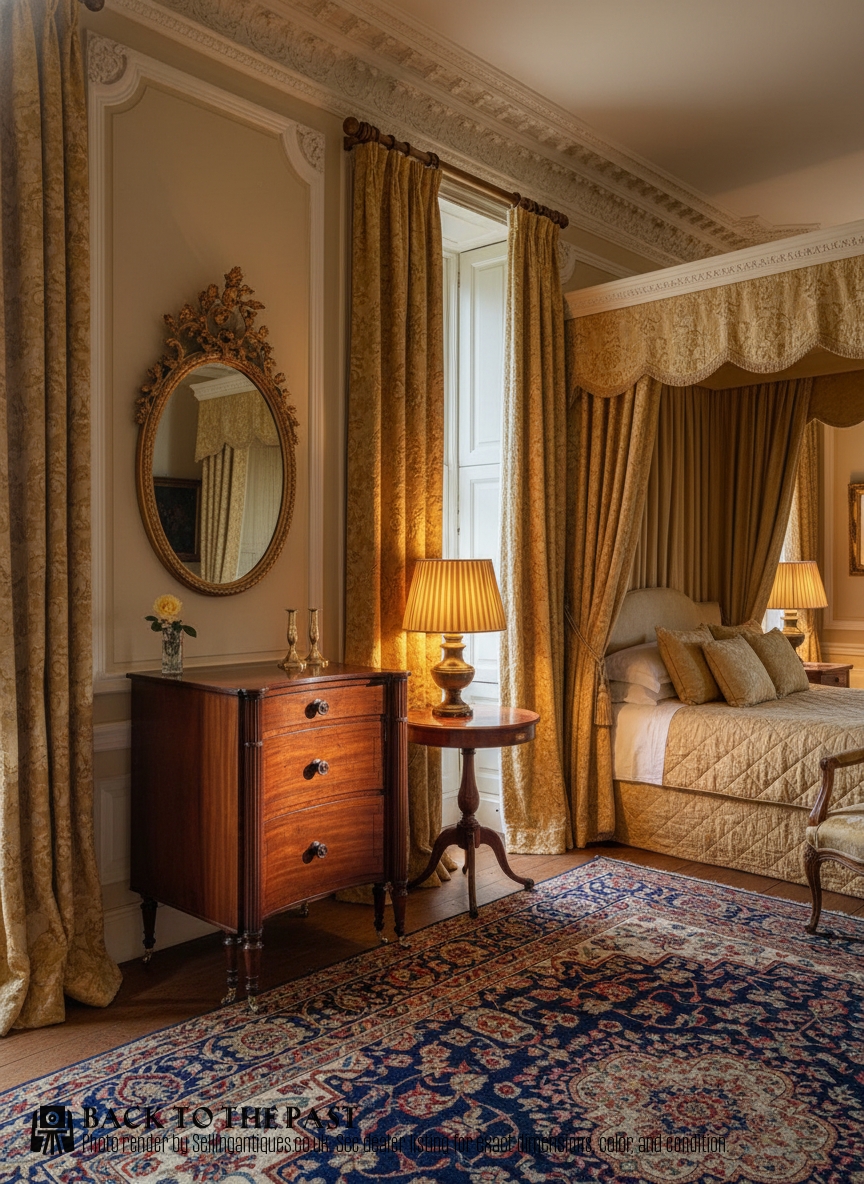
When you search for a vintage bedside chest, you encounter a variety of forms including bedside cabinets, chests of drawers, side tables, and night cabinets. These pieces serve as functional bedroom storage while carrying the design heritage of earlier centuries.
Origins in the evidence range from the late eighteenth century through to the 1920s, demonstrating how bedroom furniture evolved in scale and ornamentation. Each piece reflects the domestic requirements of its original era, from enclosed cupboards to open side tables.
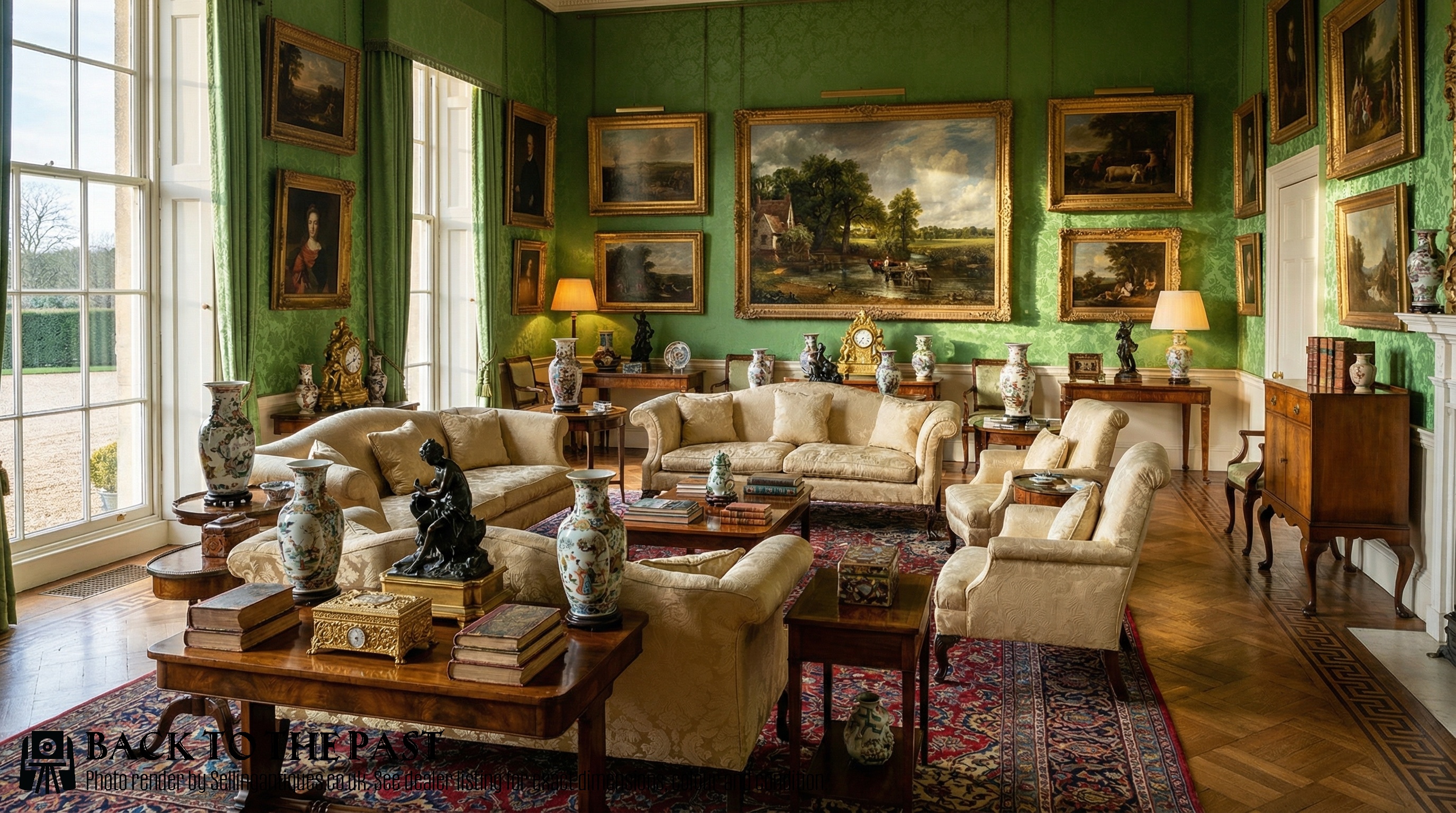
How they were made
Cabinet makers utilised a selection of fine timbers such as mahogany, oak, walnut, and burr walnut veneer. These woods provided durable structures and rich grain patterns that define the exterior appearance of each piece.
Decorative detailing often involved contrasting boxwood and ebony line inlay to accentuate drawer fronts and cabinet tops. Brass hardware, including handles and pulls, completed the construction of these functional bedside items.
Retail Price Guide 2026
Typical UK retail prices for vintage bedside chest, calculated from the Sellingantiques database of over a million retail prices indexed since 2003. This retail price guide relies exclusively on Sellingantiques data; no external sources or auction records are used, so the figures do not describe the wider market.
Early bedside cabinets often hid small secrets behind neat wooden doors, keeping night-time necessities tucked safely away from morning light.
What varies in quality
Quality in these pieces is dictated by the choice of primary timber and the precision of decorative veneers. Fine burr walnut veneer and subtle boxwood or ebony inlay distinguish more ambitious examples from simpler utilitarian forms.
The sophistication of the silhouette also plays a role, with concave fronted designs and matched pairs demonstrating greater craftsmanship. Construction integrity in the drawers and cabinetry separates standard production from superior cabinet work.
Whytock & Reid
The Vintage Bedside Chest Glossary
- Commode
- A low cabinet or chest of drawers, often featuring doors enclosing shelves or a concealed space. In earlier periods, these items served specific domestic functions within the bedroom.
- Inlay
- A technique where contrasting materials such as boxwood and ebony are inserted into the wood surface to create decorative linear patterns. This adds visual refinement to the piece.
- Veneer
- A thin layer of finely figured wood, such as burr walnut, applied to a secondary timber base. This provides a decorative surface while ensuring structural stability.
- Regency
- An English architectural and decorative style dating from the early nineteenth century. Pieces from this period often feature clean architectural lines and refined timber contrasts.
Frequently Asked Questions
What is a vintage bedside chest used for?
These pieces were originally placed next to sleeping quarters to hold night-time necessities and personal items. Today they function practically as bedside storage while bringing period character to a room.
Their compact dimensions allow them to fit easily beside modern bed frames while offering surface space for lighting and enclosed storage underneath.
How do I identify a Georgian bedside chest?
Georgian pieces are identified by their use of solid timbers like mahogany and oak, often featuring understated proportions and traditional joinery. Their design prioritises structural balance and restrained classical detail.
Checking the interior construction and timber types helps confirm the eighteenth or early nineteenth century origin of the cabinet.
Are pairs of bedside chests common?
Matching pairs appear occasionally across different periods, offering symmetrical placement for twin beds or larger master bedrooms. These matched sets require careful comparison to ensure uniform ageing and timber grain.
Finding a matched pair from periods like the Edwardian era or the 1920s provides a cohesive look for a bedroom interior.
What woods were used in these chests?
Cabinet makers relied primarily on mahogany, oak, and walnut for the main structure of the furniture. These hardwoods provided the necessary durability for daily domestic use.
Decorative elements frequently incorporated burr walnut veneer, boxwood, and ebony to create contrast and visual depth on the exterior surfaces.