
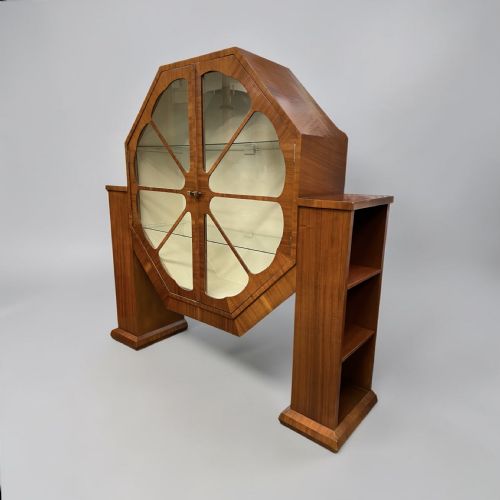
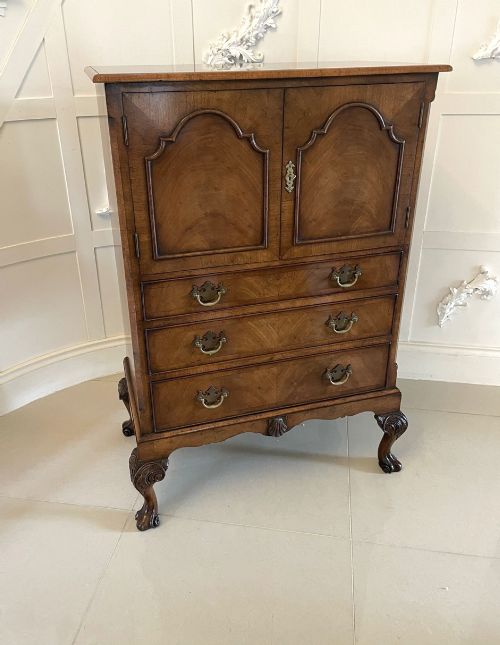
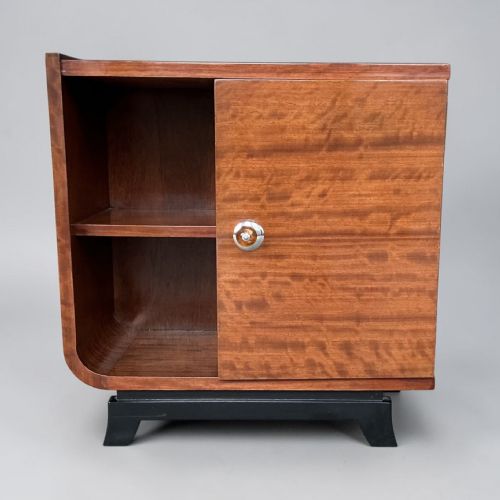
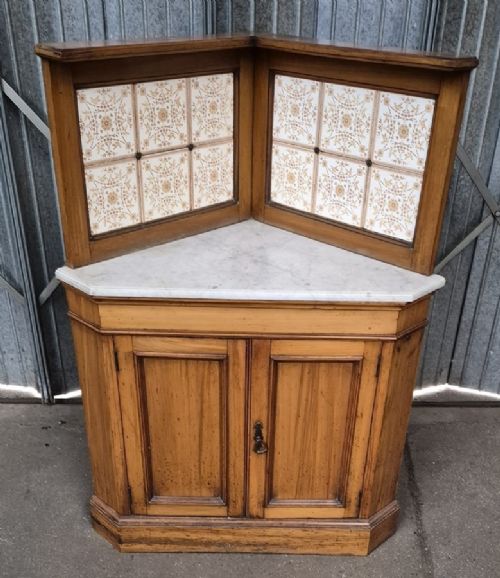


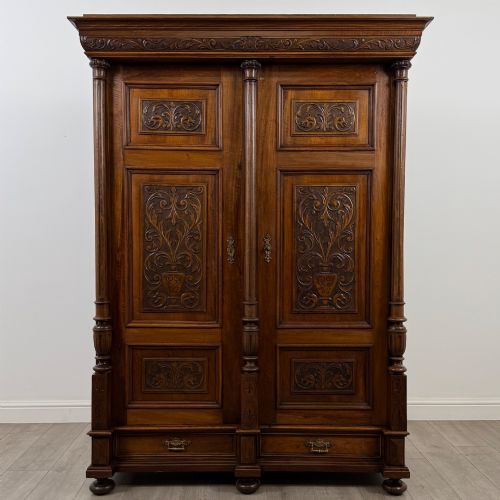
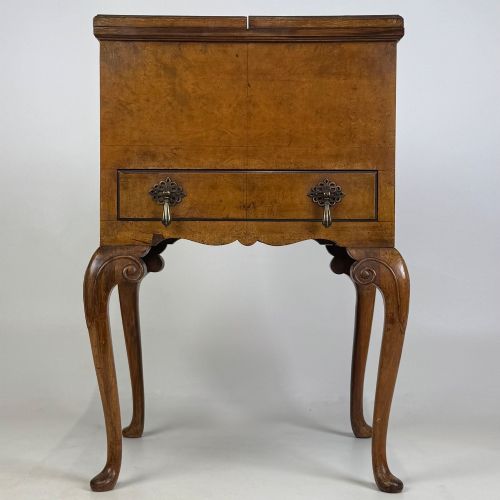
Vintage Walnut Cupboard
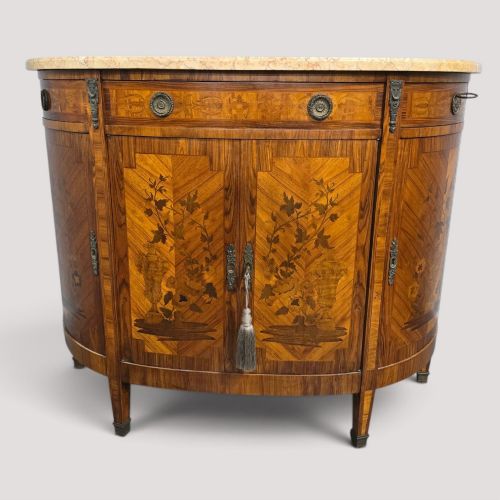
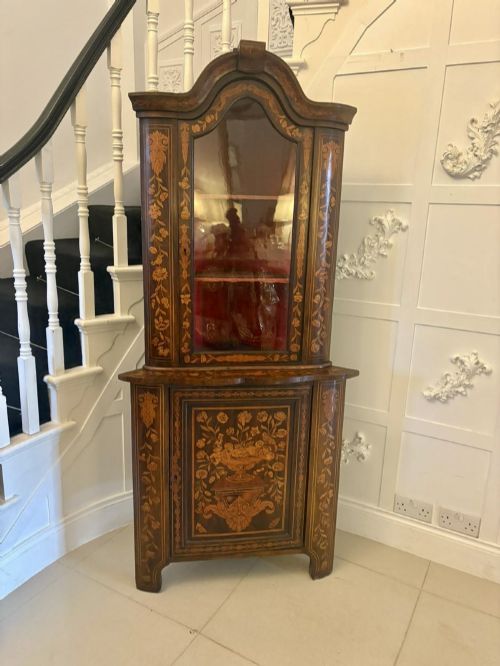
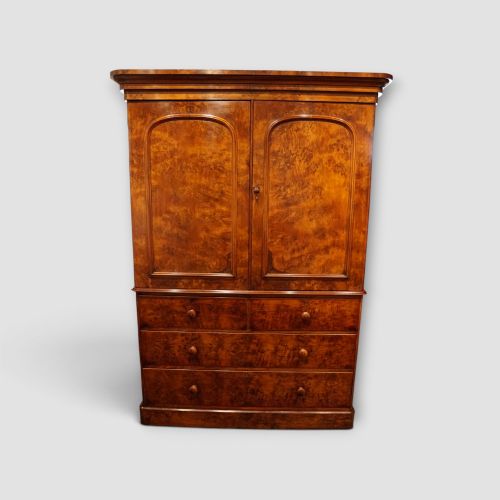
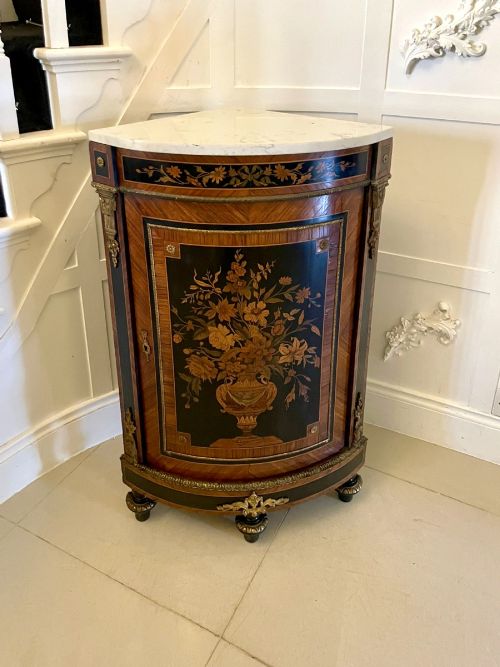
A vintage walnut cupboard brings warm figured grain and compact storage to a room, spanning useful bedside cabinets and tall display pieces.
Defining the vintage walnut cupboard
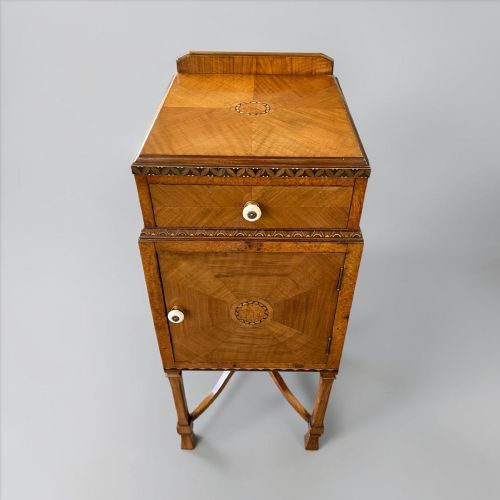
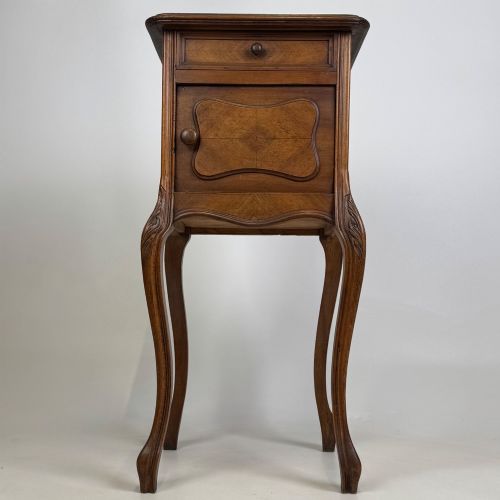
A vintage walnut cupboard encompasses a practical group of furniture pieces designed for storage and display across several distinct historical periods. When searching for a vintage walnut cupboard, buyers encounter forms ranging from compact bedside cabinets to taller chests and glazed display units.
The pieces on this page originate primarily from the Victorian, Edwardian, and Art Deco eras, with specific dates reaching into the 1920s and 1930s. Bedside tables and lamp tables dominate the available forms, alongside larger tallboys and bookcases.
Makers and workshops of the early twentieth century utilised rich timber figures to elevate domestic utility pieces into decorative focal points. Each cabinet reflects the shifting design priorities of its decade, moving from formal revival styles toward streamlined modernism.

Materials and construction methods
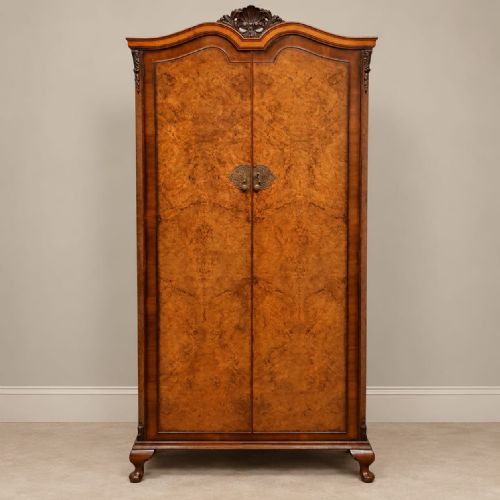
Makers constructed these cabinets using solid wood carcases overlaid with decorative veneers, frequently selecting burr walnut to create striking, highly figured surface patterns. Walnut veneer was carefully applied to panels to showcase the natural swirls and knots of the timber.
Fittings such as brass handles, glass panes, and occasionally bone details complemented the dark timber surfaces. Joinery techniques varied according to the period, supporting sturdy doors and drawers intended for everyday household use.
Retail Price Guide 2026
Typical UK retail prices for vintage walnut cupboard, calculated from the Sellingantiques database of over a million retail prices indexed since 2003. This retail price guide relies exclusively on Sellingantiques data; no external sources or auction records are used, so the figures do not describe the wider market.
Listings feature walnut, burr walnut veneer, brass, glass, and bone across Victorian, Edwardian, 1920, and 1930 periods.
Assessing cabinet quality
Quality in these walnut pieces rests upon the selection and matching of the veneer across the primary surfaces. Finer cabinets display symmetrical grain patterns that flow seamlessly across doors and drawer fronts, demonstrating deliberate planning by the cabinetmaker.
The integration of hardware, such as solid brass handles and well-fitted glass, separates standard utility items from higher-grade production. Superior pieces maintain structural crispness in their mouldings and joints, ensuring the cabinet ages gracefully with daily use.
Walter Carter Harrods
The Vintage Walnut Cupboard Glossary
- Burr walnut
- A prized timber veneer harvested from the growth excrescences on walnut trees, yielding intricate, swirling grain patterns. It was heavily favoured by cabinetmakers for decorative door fronts and tops.
- Tallboy
- A tall chest of drawers or a cupboard stacked upon a chest, offering substantial vertical storage while occupying a small floor footprint. This form maximises capacity in compact rooms.
- Veneer
- A thin slice of superior wood applied over a secondary wood base to provide a decorative surface without requiring solid expensive timber throughout. Skilled application ensures stability and longevity.
- Art Deco
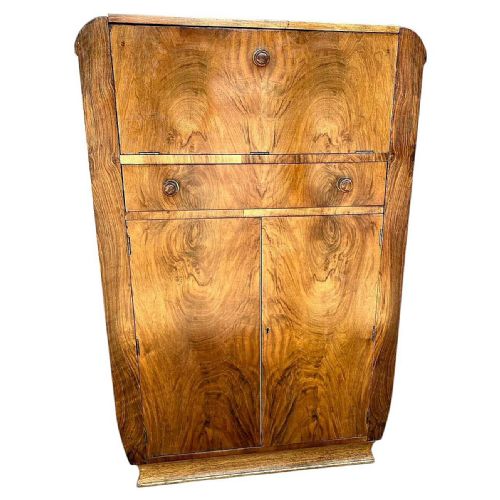
- A design style from the early twentieth century characterised by sleek geometric shapes, stylised motifs, and streamlined forms. Pieces from this era often embrace unadorned surfaces that highlight the natural grain.
- Queen Anne Revival
- A style looking back to early eighteenth-century English furniture designs, often featuring graceful cabriole legs and warm walnut tones. It gained popularity during the Edwardian period.
Frequently Asked Questions
What is a vintage walnut cupboard used for?
These cabinets serve multiple practical storage roles around the home, functioning as bedside tables, lamp tables, or compact display units. Their internal shelving and drawers accommodate books, lighting, and personal items.
Larger variants like tallboys and bookcases provide significant vertical storage capacity while introducing rich timber tones to living spaces and bedrooms.
How do I date a walnut cabinet?
Dating relies on observing stylistic markers, construction methods, and materials consistent with specific historical periods. Pieces from the Victorian and Edwardian eras often display revival details, whereas items from the 1920s and 1930s lean into cleaner Art Deco lines.
Examining the hardware, interior timbering, and veneer cuts helps narrow down the decade of manufacture. Comparing these elements with documented examples provides a reliable chronology.
How do I care for walnut veneer?
Walnut veneer benefits from gentle cleaning with a soft, dry cloth to remove dust without abrasive pressure. Avoiding direct sunlight and extreme temperature fluctuations protects the timber from fading and the veneer from lifting.
Occasional application of appropriate furniture wax helps nourish the wood and maintain its natural lustre over time. Care should be taken to avoid excessive moisture on older glued surfaces.
Are bedside cabinets standard sizes?
Bedside cabinets from these periods vary in height and footprint depending on the decade and intended mattress height of the time. Art Deco and 1920s models often feature compact, geometric proportions suited to smaller spaces.
Victorian and Edwardian versions can be slightly more varied in their dimensions, reflecting custom bedroom suites of the period. Checking specific measurements ensures proper placement beside modern bed frames.