



19th Century Display Case
A 19th century display case brings period presence and glass-fronted protection to treasured objects.

19th Century Display Case
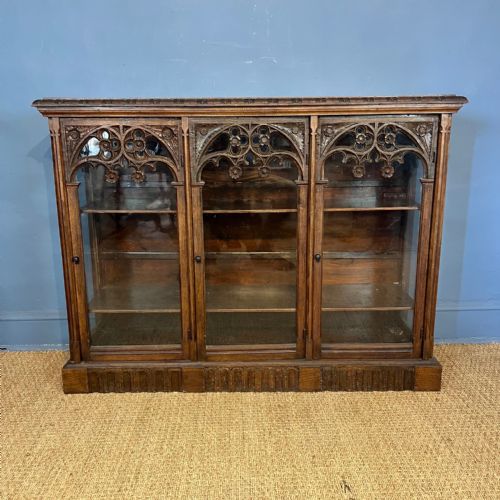
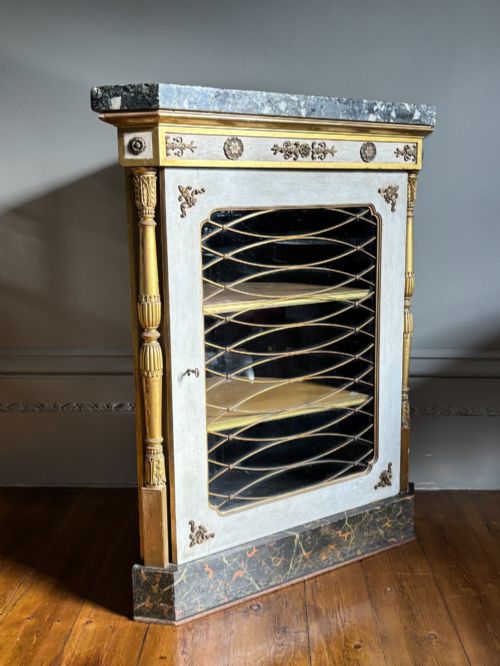
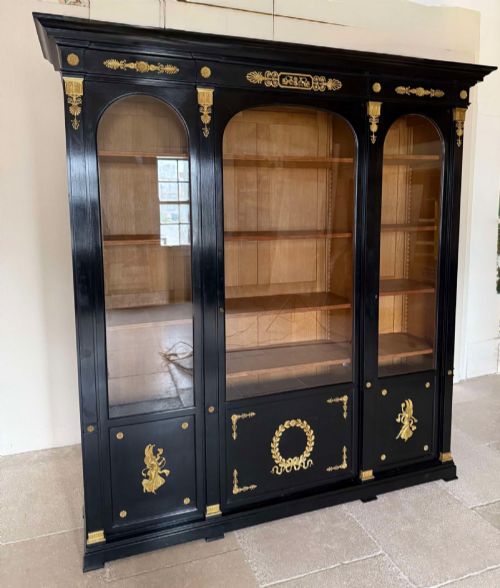
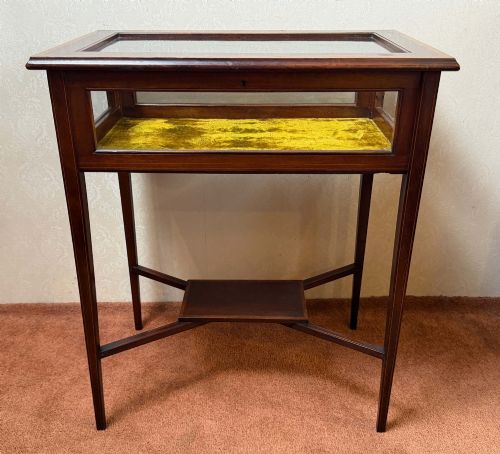
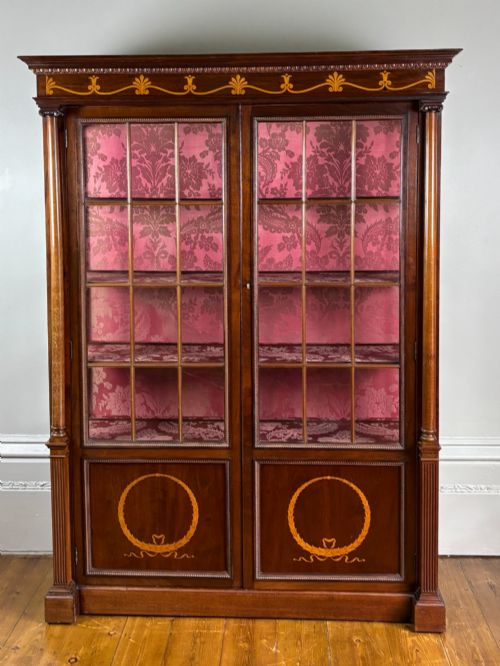
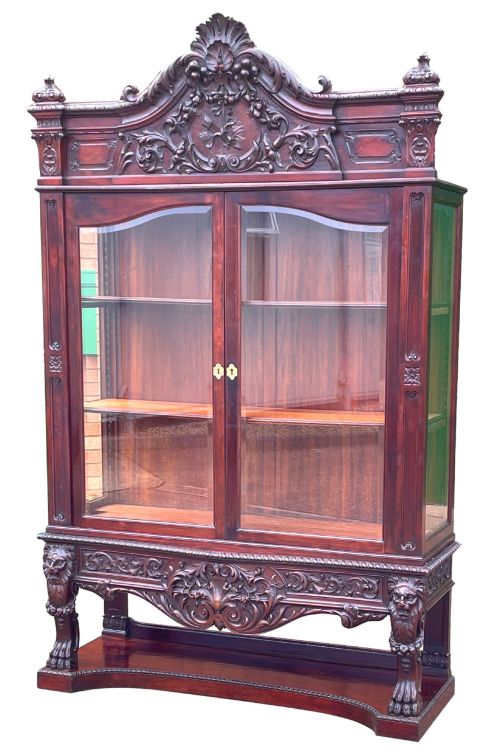
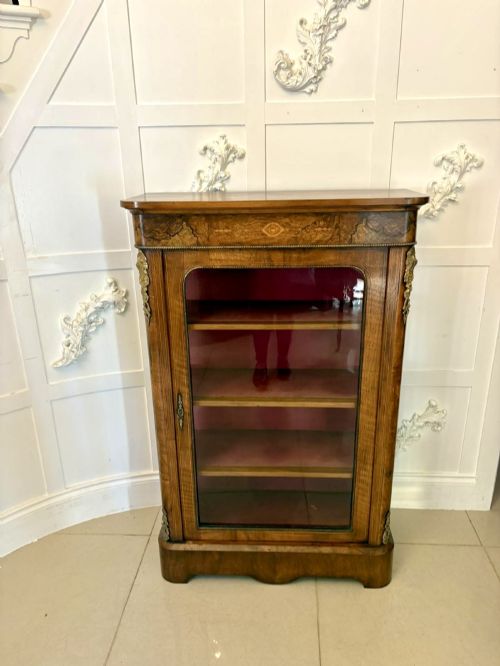
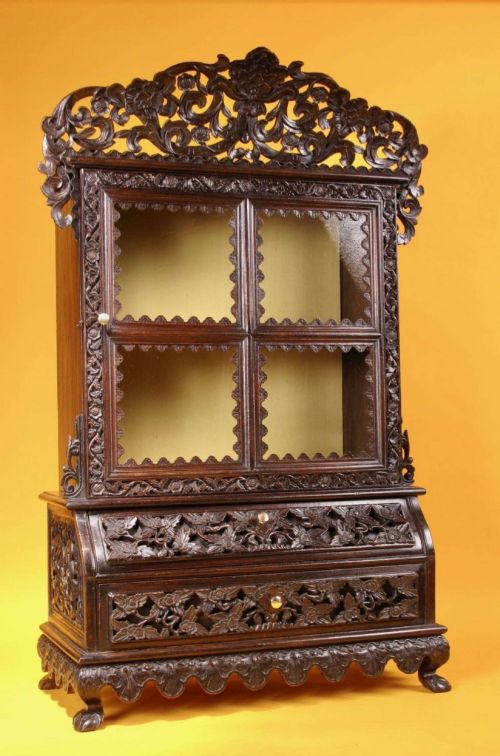
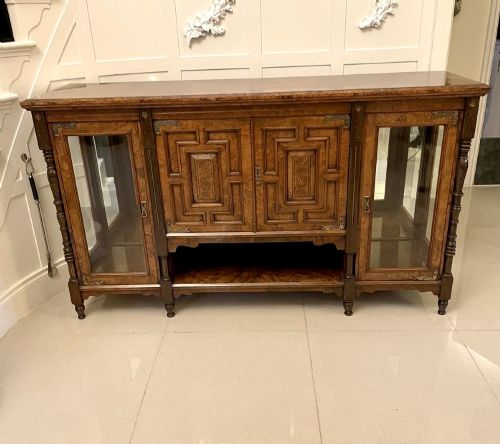
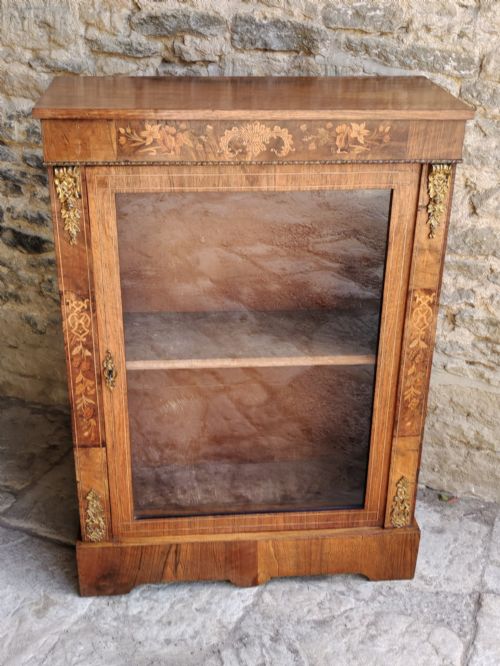
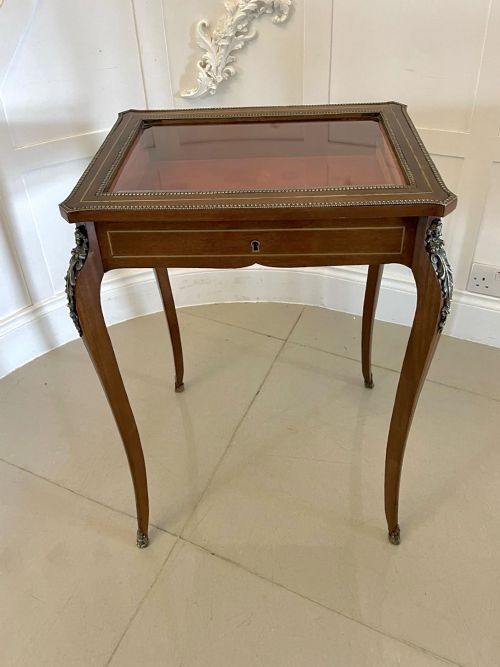
A 19th century display case encompasses a wide variety of glazed furniture designed to exhibit objects, ranging from compact pier cabinets and miniature display pieces to large architectural bookcases and credenzas.
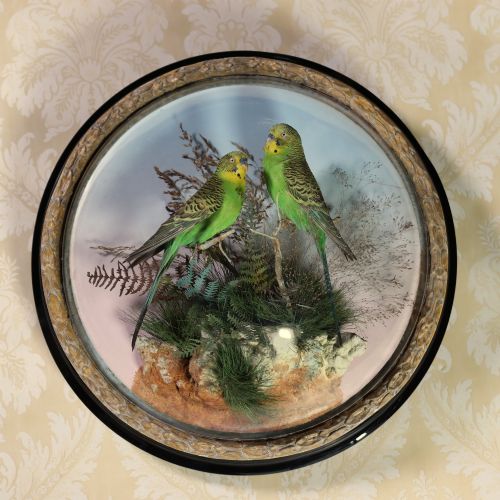
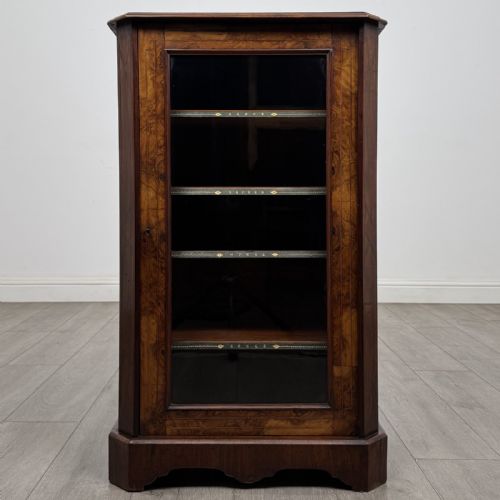
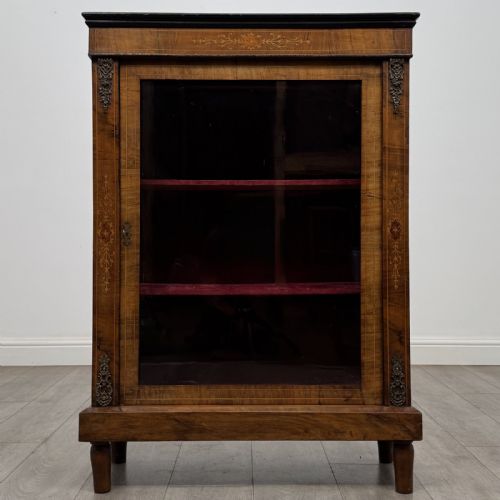
The Victorian period dominates the available selection, frequently represented by walnut and mahogany pier cabinets alongside French vitrines and specialised natural history taxidermy showcases.
Makers and workshops of the era produced these items across diverse revival styles, including Louis XV, French Rococo, Sheraton, and Gothic influences, utilising glass doors and mirrored backs to catch the light.
How They Were Made
Cabinet makers constructed these pieces using dense timbers such as mahogany, walnut, burr walnut, and kingwood, often embellished with marquetry inlay or satinwood banding.
French and English workshops integrated gilt bronze or ormolu mounts, marble tops, and velvet linings to elevate the presentation of ceramics, books, and curiosities.
Glazing techniques utilised securely framed glass panels for doors and sides, supported by brass hardware and fitted shelving within the interior.
19th Century Display Case Retail Price Guide 2026
Typical asking prices for 19th century display case among the pieces listed under this phrase on Sellingantiques today, from the lower quarter to the upper quarter. They describe what is for sale here now, not the wider market.
A solitary brass model of a fortress cannon stands ready to defend its wooden shelf from imaginary invaders.
What Varies in Quality
The refinement of the timber selection and the precision of the cabinet work dictate the standing of a piece, with figured burr veneers and hand-carved mounts marking out superior examples.
The complexity of the design - such as curved glass fronts, breakfront proportions, or detailed marquetry - separates standard workshop production from exhibition-grade creations.
Originality of the glass, brass fittings, and internal velvet linings preserves the integrity and historical value of the cabinet.
Lamb of Manchester·James Winter·J Griffiths of Burford·François Linke
The 19th Century Display Case Glossary
- Pier Cabinet
- A low, narrow cabinet designed to stand against the wall space between windows. These pieces often feature a single glazed door and ormolu mounts.
- Vitrine
- A glass-sided display cabinet used primarily for showcasing porcelain and small decorative objects. French examples frequently incorporate kingwood and vernis martin decoration.
- Ormolu
- Gilded bronze mounts applied to furniture for decorative effect. This technique was heavily utilised during the 19th century in French revival designs.
- Vernis Martin
- A simulated Japanese lacquer technique developed in France, used on the panels of fine display cabinets. It provides a glossy, translucent finish.
- Credenza
- A sideboard or display cabinet that originated in Italy and gained popularity in Victorian dining rooms. They often combine central cupboards with curved lateral display sections.
19th Century Display Case: Frequently Asked Questions
What fits inside a pier cabinet?
These narrow cabinets suit smaller collections such as antique ceramics, glass figurines, or pocket watches. Their slim profile allows them to fit into tighter spaces where a large bookcase cannot go.
Interior shelving is typically adjustable, letting you accommodate items of varying heights while keeping them protected behind glass.
How do I identify a French vitrine?
French display cases of this era generally display softer wood tones like kingwood or walnut, paired with elaborate ormolu mounts and curved glass panels. Many incorporate painted vernis martin lower panels.
They lean heavily into rococo or directoire design styles, differing from the more rectilinear proportions of English Victorian equivalents.
Where should I place a display case?
Position your cabinet away from direct sunlight to protect internal velvet linings and delicate wooden veneers from fading. Stable room temperatures prevent the old timbers from warping.
Ensure the floor is level so that heavy glazed doors open and close smoothly without catching on the frame.
What is a taxidermy display case?
These specialised enclosures house preserved birds, animals, or dioramas behind glass domes or framed wooden boxes. Natural history specimens were popular additions to Victorian parlours.
The enclosures protected fragile feathers and specimens from dust while allowing detailed study.