
Mahogany Collector Cabinet
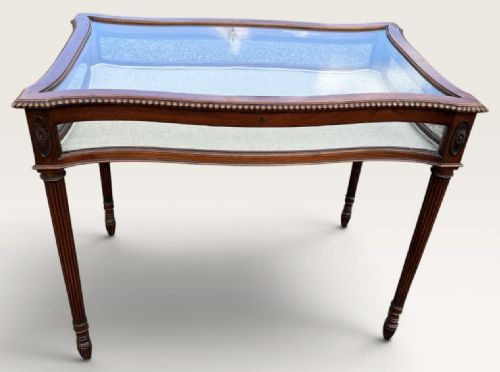
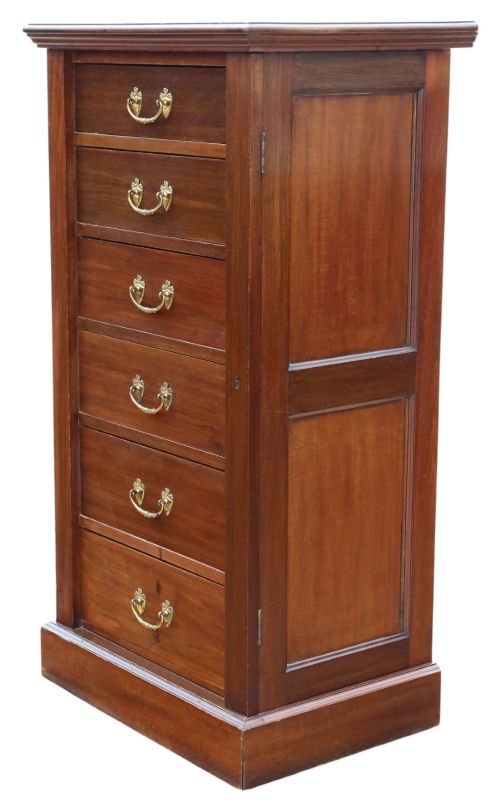
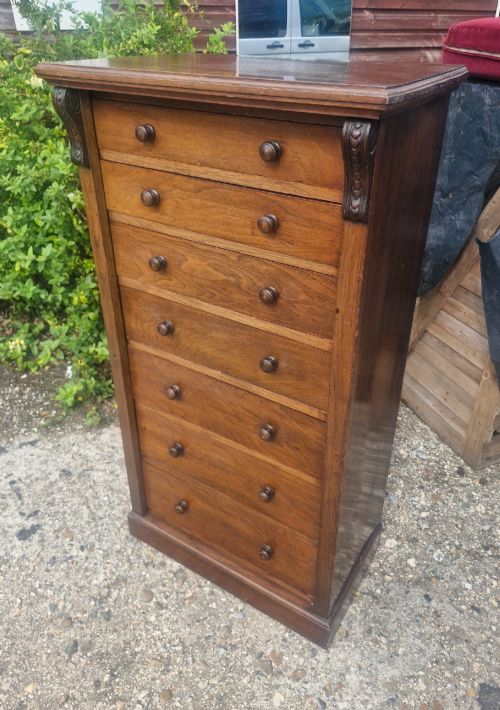
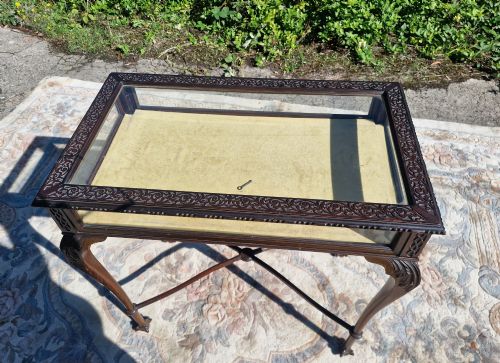
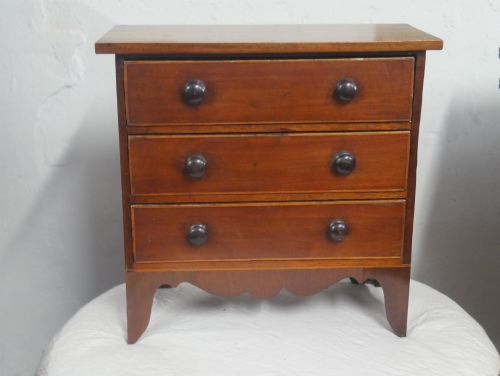
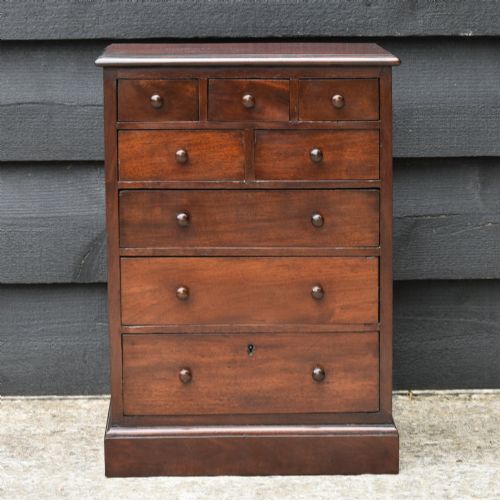
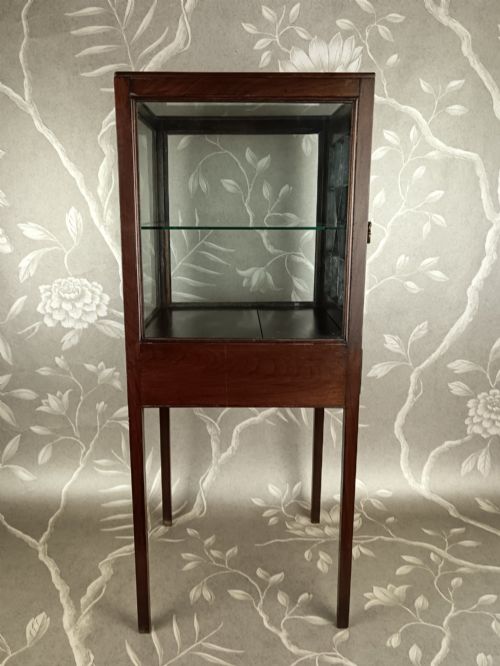
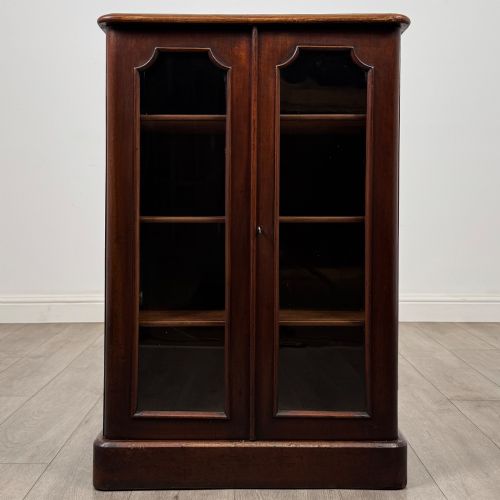
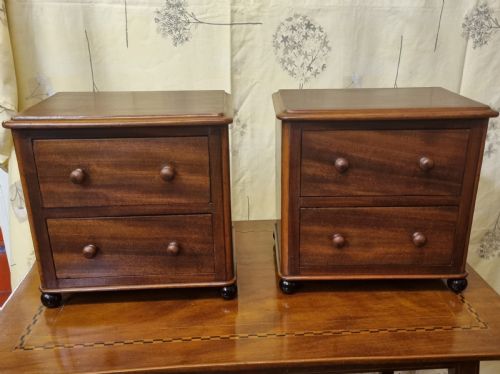
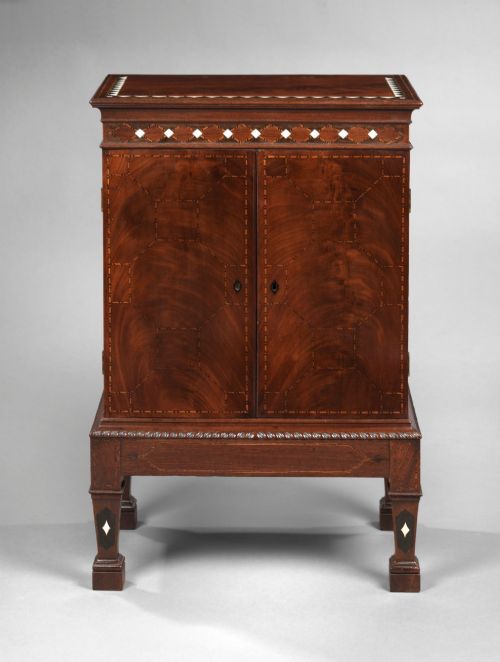
These mahogany collector cabinet pieces house private holdings of natural history specimens and curiosities, offering robust timber frames built to protect delicate objects.
Understanding the mahogany collector cabinet
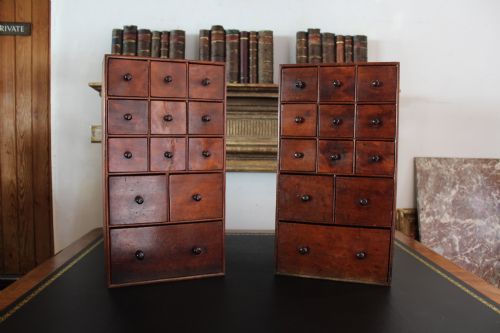
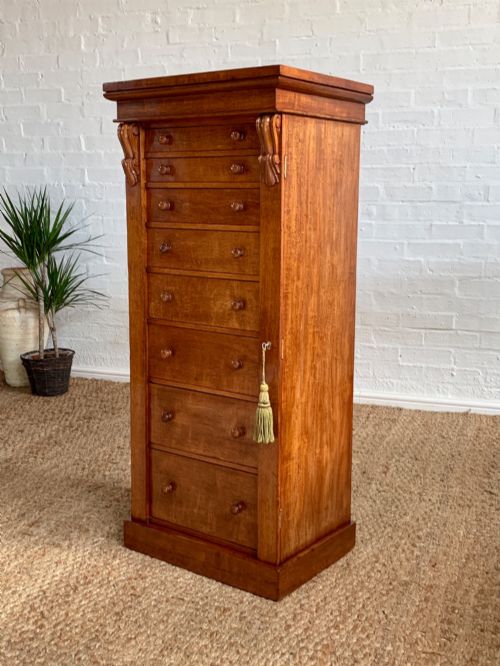
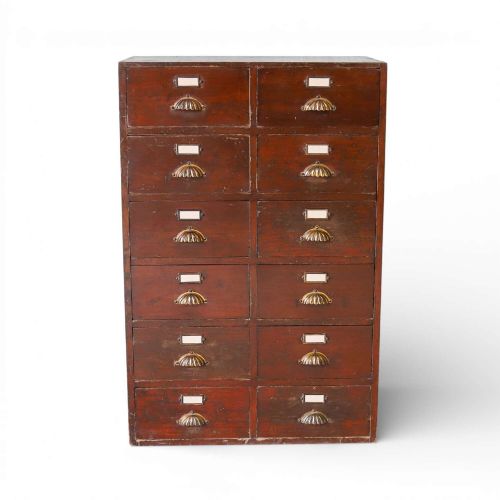
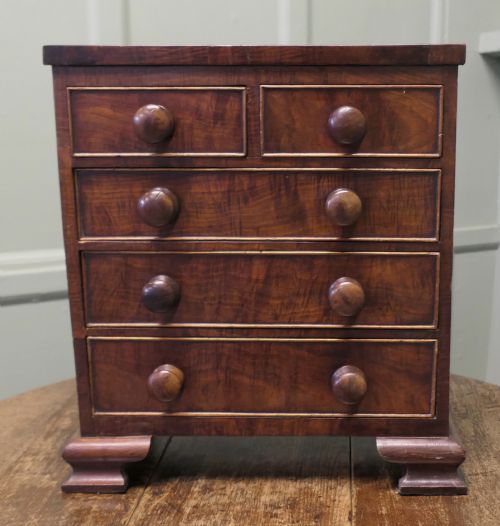
A mahogany collector cabinet serves as a specialised container designed to organise and preserve natural history specimens, ranging from insects to geological samples. These pieces commonly present multi-drawer formats or bow fronted chest structures intended for systematic cataloguing.
The selections span Georgian, Regency, and Victorian periods, alongside later nineteenth century examples. Pieces range from compact table top variants to substantial multi-drawer floor standing units featuring numerous internal compartments.
Makers construct these cabinets to balance utility with visual restraint, ensuring the exterior appearance suits domestic reception rooms while the interior remains strictly functional for scientific study.
Materials and construction methods
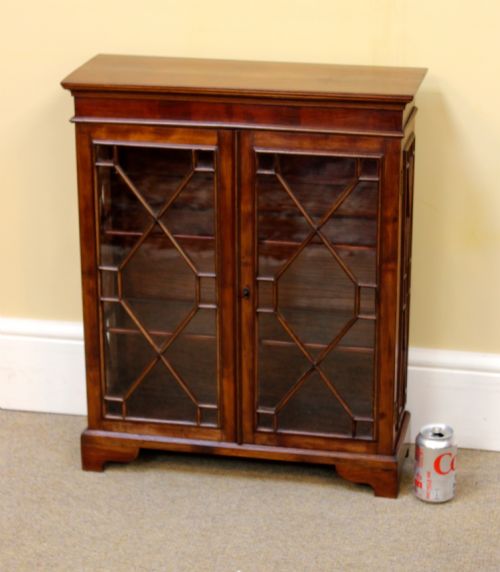
Craftsmen built these units predominantly using solid mahogany and Honduras mahogany, occasionally combining deal frames with mahogany drawer fronts. Decorative elements incorporate brass handles, glass panels, bone inlay, boxwood inlay, and ebony details.
Internal drawer construction relies on precise joinery to house microscope slides, butterflies, or shells safely. Lining materials such as fabric provide a protective bed for fragile specimens within the multi-drawer carcases.
Retail Price Guide 2026
Typical UK retail prices for mahogany collector cabinet, calculated from the Sellingantiques database of over a million retail prices indexed since 2003. This retail price guide relies exclusively on Sellingantiques data; no external sources or auction records are used, so the figures do not describe the wider market.
Listings feature mahogany, brass, glass, bone inlay, and fabric across Georgian, Regency, and Victorian periods.
Factors of distinction
Distinction across the range rests upon the scale of the drawer inventory and the precision of internal fittings. Units featuring twenty or more drawers, graduated dimensions, or specialised housing reflect higher tiers of workshop production.
Material selection and decorative enrichment also set pieces apart, moving from plain functional carcases to versions enhanced with boxwood inlay, bone detailing, and superior cabinet timbers.
Standish·J.T.Crockett·Brady of Edmonton·Watkins & Doncaster
The Mahogany Collector Cabinet Glossary
- Collector cabinet
- A specialised storage unit containing multiple shallow drawers designed to house and protect natural history specimens. These pieces were utilised by naturalists to organise classification systems.
- Bow fronted
- A curved exterior facade where the central section projects outward in a convex arc. This styling softens the geometric lines of standard rectangular storage forms.
- Entomological cabinet
- A specific variant fitted with shallow drawers engineered to store insect collections safely. Such interiors often include glazed frames and airtight seals.
- Specimen cabinet
- An alternative designation for a storage unit holding natural or artificial curiosities. These carcases accommodate varied objects from geological shards to botanical pressings.
- Microscope slide cabinet
- A compact storage format containing numerous very thin drawers sized specifically for glass slides. These units represent a specialised branch of scientific furniture.
Frequently Asked Questions
What were mahogany collector cabinets used for?
These cabinets stored natural history specimens including insects, shells, and botanical samples. Naturalists utilised the shallow drawers to classify and protect delicate items from light and dust.
Over time, collectors adapted the multi-drawer carcases to house other small curiosities and scientific tools such as microscope slides. The sturdy timber construction ensured the contents remained stable during examination.
How do I identify a Georgian specimen cabinet?
Georgian examples often display classic period proportions, sometimes featuring painted panels, boxwood inlay, or Chippendale influence. The timber patination tends to show deeper warmth through age.
Construction details on earlier pieces rely on traditional hand joinery within the drawer frames. Hardware such as brass pulls aligns with eighteenth and early nineteenth century design standards.
Where should I place a cabinet at home?
Position the cabinet away from direct sunlight and strong heat sources to protect the mahogany timber and any internal fabric linings. Stable indoor humidity preserves the joints and drawer fits.
Table top variants sit comfortably on sturdy sideboards, while larger multi-drawer units function well as standalone statement pieces in studies or living spaces.
Why do drawer counts vary so much?
Drawer counts depend entirely on the intended specimen type, ranging from compact five drawer units to extensive systems containing forty or more compartments. Smaller cabinets suited casual collectors, while larger estates served institutional or museum research.
Graduated drawers within a single carcase allowed naturalists to sort objects by size. The density of the internal layout directly reflects the original owner's cataloguing needs.