




Antique Museum Case
An antique museum case secures delicate artefacts behind clear glass, bringing professional exhibition standards into a private room.
Antique Museum Case
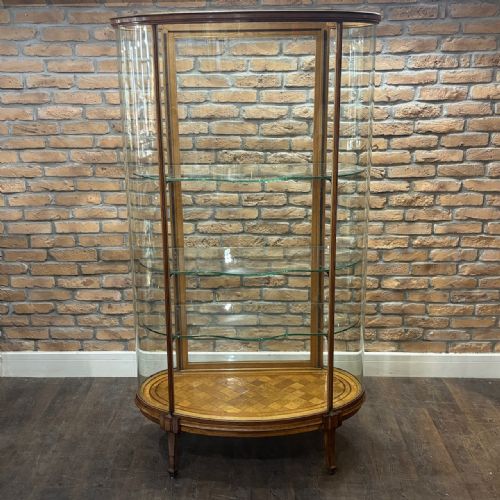
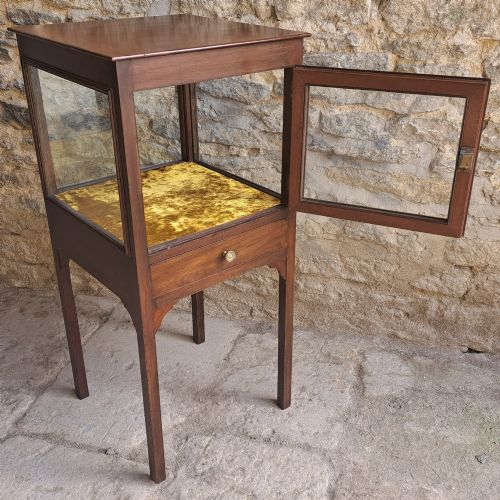
When you search for an antique museum case, you look for substantial exhibition furniture designed to protect and display objects. These pieces range from large oak and bronze showcases to table-top glazed cabinets and towering display units.
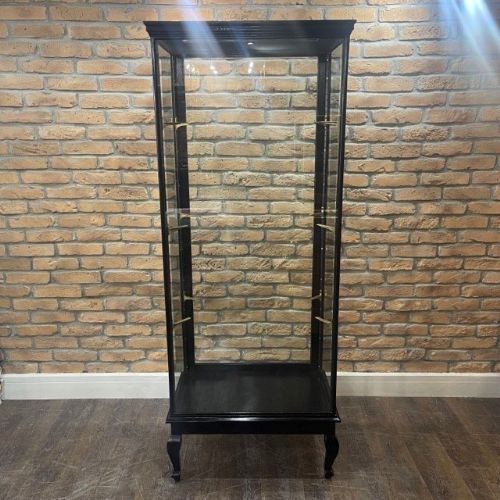
The version you most frequently meet on this page is the large shop display cabinet or counter from the early twentieth century, alongside nineteenth-century mahogany cabinets and French oak display cases.
Makers such as F. Sage & Co. and E. Pollard & Co. Ltd. supplied durable commercial fixtures, while domestic pieces utilised rich timbers like mahogany, walnut, and cedar to house personal collections.
Materials and construction
Makers built these cabinets using solid timbers like mahogany, oak, walnut, and pitch pine, often framing large expanses of glass to maximise visibility. Brass, bronze, and ebonised wood added structural strength and clean decorative outlines to commercial and domestic designs.
Interior linings frequently incorporated velvet or other fabrics to cushion delicate objects. Metal fittings and glazed panels required precise joinery to ensure dust-proof seals for sensitive collections.
A tiny silver-gilt vinaigrette arrives tucked inside its original red Moroccan leather case, complete with the original sponge.
Judging the standard of construction
The standard of an antique museum case depends on the weight of the timber and the clarity of the original glass panes. Heavier bronze or brass framing and robust mahogany joinery separate utilitarian shop fixtures from finer display furniture.
Proportion and execution define the top of the range, seen in balanced double-pedestal forms, intact gold leaf detailing, and specialised architectural elements such as Adam style ornament.
F. Sage & Co·Nathaniel Mills·Siegel·Quincy Showcase Works Illinois·E. Pollard & Co. Ltd.·Edmonds
The Antique Museum Case Glossary
- Vitrine
- A glass-fronted cabinet designed for displaying fine objects or porcelain. These freestanding or table-top pieces protect contents from dust while offering all-round visibility.
- Vinaigrette
- A small ornamental box featuring a perforated grille, containing a sponge soaked in aromatic vinegar. These silver or silver-gilt pieces often survive in fitted leather cases.
- Ebonised
- Wood treated with a dark finish to imitate expensive ebony. This technique was popular for creating striking, uniform dark surfaces on nineteenth and twentieth-century cabinets.
- Showcase
- A glass-topped or glass-fronted counter or cabinet built for commercial or institutional display. They allowed customers or visitors to inspect goods and specimens closely.
Antique Museum Case: Frequently Asked Questions
What fits inside an antique museum case?
These cabinets suit the display of ceramics, books, silver, and smaller artefacts that benefit from physical protection. The deep shelves and glass panels allow collections to remain visible while staying safe from dust and handling.
Larger floor-standing towers and counters accommodate substantial groupings, whereas table-top versions suit delicate items like small silver pieces or natural history specimens.
How do I date a display cabinet?
Dating relies upon timber choice, hardware, and stylistic clues inherent to the period of manufacture. Mahogany and walnut dominate eighteenth and nineteenth-century examples, while ebonised finishes and heavy bronze framing often point toward the Edwardian era and the nineteen-twenties.
Maker plaques and commercial stamps provide precise attribution when present, linking pieces to specific firms such as F. Sage & Co. or Edmonds.
Were these cases used in shops?
Many large display cabinets and counters originated in commercial premises, haberdasheries, and exhibition spaces. Firms constructed them to showcase retail goods securely before private collectors repurposed them for domestic display.
Commercial origins typically account for robust bronze framing, large glass areas, and maker stamps from specialised shopfitters.
How do I care for the glass and wood?
Maintain the timber surfaces using appropriate wax polish and avoid placing cases in direct sunlight to prevent fading. Clean the glass panes gently with standard glass cleaner applied to a cloth rather than sprayed directly near old wood and fabric linings.
Check internal velvet or fabric linings periodically and keep the interior free from excessive moisture to protect antique joints.