


Retail Showcase Cabinet
A retail showcase cabinet brings the crisp, commercial presentation of a bygone shop floor directly into a domestic interior.
Retail Showcase Cabinet
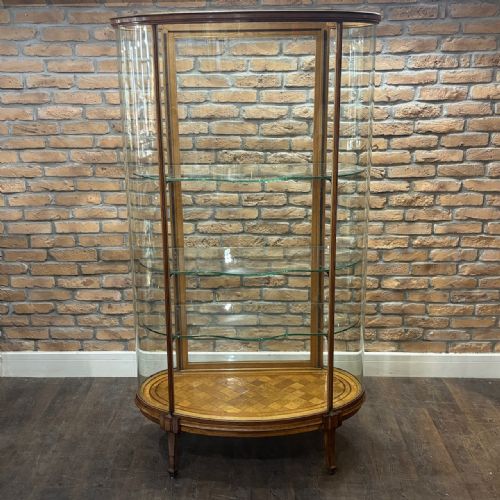
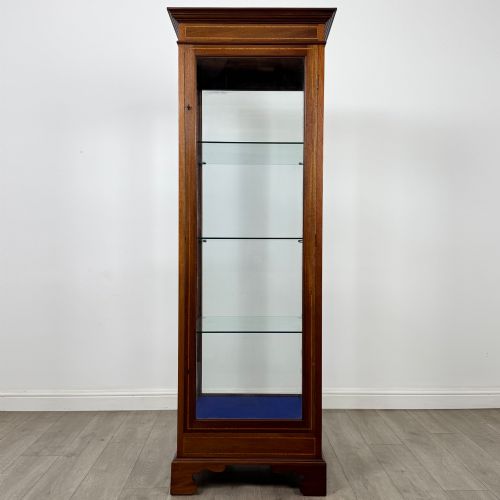
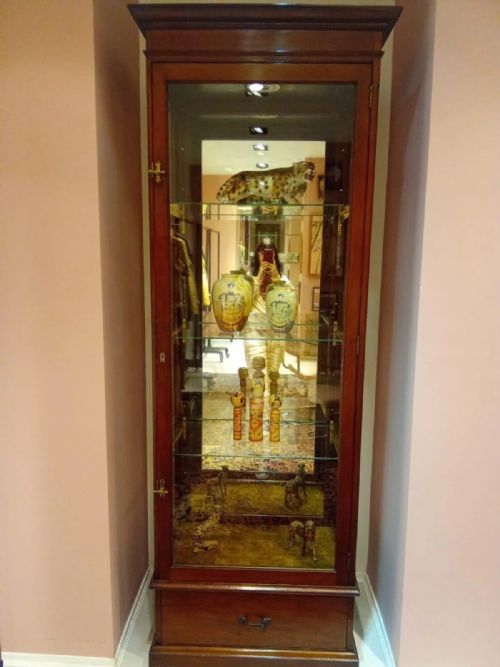
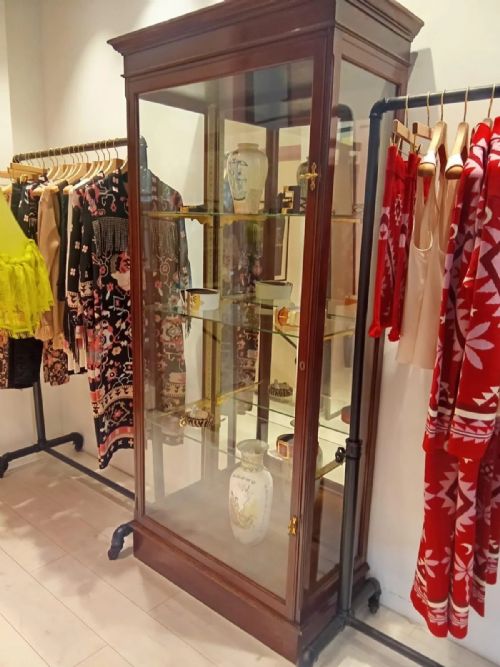
A retail showcase cabinet serves to exhibit goods clearly through glass panels while protecting them from dust and handling. The pieces gathered here span from the late nineteenth century through to the Art Deco period of the 1930s, encompassing both tall freestanding towers and compact countertop models.
Most examples originate from commercial contexts such as general stores, sweet shops, and pharmacies. Shoppers searching this phrase will find that mahogany and oak dominate the surviving examples, often paired with extensive glazing to maximise visibility from every angle.
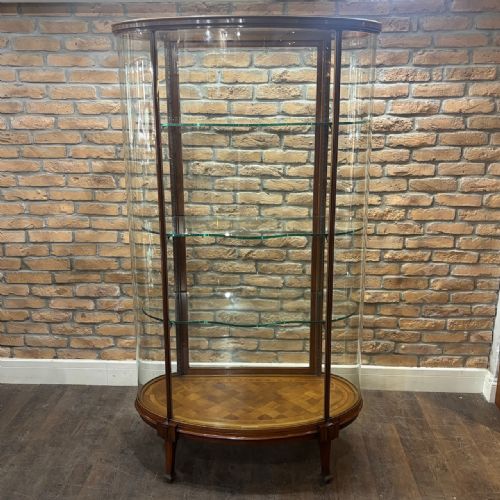
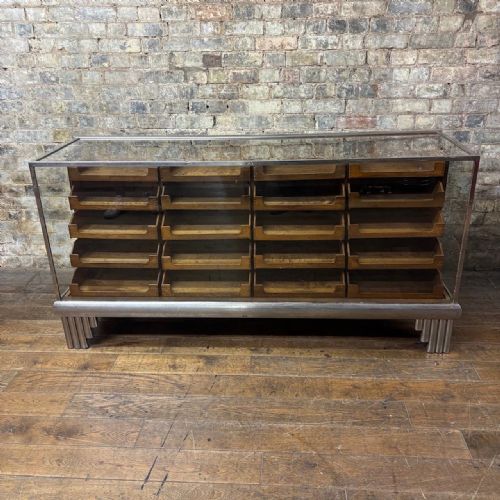
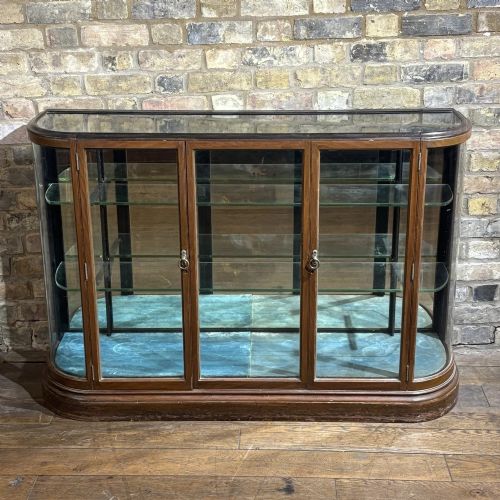
Forms range from long serving counters and bow-end display units to specialised haberdashery cabinets and tabletop vitrines. These structures were built to command attention in a retail environment, making them equally striking centrepieces in modern residential settings.
Materials and Construction
Makers relied heavily on sturdy timbers like mahogany and oak to build the primary frames and bases of these cabinets. These woods were chosen for their structural strength, capable of supporting heavy sheets of plate glass and internal shelving without warping.
Glazing forms the core of the construction, allowing light to flood the interior and illuminate the merchandise on display. Secondary materials such as brass, chrome, aluminium, and ebonised wood appear across fittings, frames, and hardware, alongside mirrored interiors that amplify the sense of space.
Details like adjustable glass shelves and velvet linings point to a high standard of commercial craftsmanship. Metal framing emerges more prominently in the later Art Deco pieces, shifting from traditional timber to steel and aluminium structures.
Listings feature items spanning from the late nineteenth century through to the 1930s, constructed predominantly in mahogany, oak, and glass.
Assessing Quality and Execution
The distinction between standard commercial units and superior pieces lies in the sophistication of the joinery and the choice of secondary materials. Finer cabinets employ carefully selected timber grains, elegant curves such as bow ends, and integrated decorative touches like gold leaf or Adam style motifs.
Hardware and internal fittings also mark out the better examples. Original brass or chrome brackets, smooth-sliding or tightly sealing doors, and mirrored backs in pristine condition indicate a higher grade of original manufacture.
F. Sage & Co.·Dudley & Co·Cadbury·Rowntree·Fry
The Retail Showcase Cabinet Glossary
- Vitrine
- A glass display cabinet used primarily for objects of vertu, curiosities, or fine merchandise. The term often denotes a more decorative or refined piece than a standard utilitarian counter.
- Haberdashery counter
- A long commercial display unit traditionally fitted with numerous shallow drawers featuring glass fronts. These allowed merchants to display small items like ribbons, buttons, and threads while keeping them organised.
- Bow end
- A curved glass or timber end to a cabinet or counter. This technique softens the rectangular silhouette and provides improved visibility from multiple angles.
- Countertop display cabinet
- A smaller, portable vitrine designed to sit atop a shop counter for close customer inspection. These units often feature rear sliding doors for easy access by the shopkeeper.
- Bijouterie table
- A glass-topped display table intended for jewellery and small precious objects. They raise the merchandise to waist height for comfortable viewing.
Retail Showcase Cabinet: Frequently Asked Questions
How were retail showcase cabinets used?
Merchants used these cabinets to present high-value or delicate goods securely while maintaining maximum visibility for customers. The enclosed glass shelves protected stock from dust and handling on busy shop floors.
Countertop versions placed items directly at eye level during transactions, encouraging impulse purchases. Larger freestanding towers and counters organised entire inventories in specialised trades like haberdashery and confectionery.
How do I date a display cabinet?
Dating relies heavily on stylistic shifts in materials and manufacturing techniques across the decades. Victorian and late nineteenth-century examples tend to feature heavy mahogany or oak frames with traditional joinery and mirrored backs.
Early twentieth-century and Edwardian pieces often introduce curved bow ends and refined proportions, while 1930s examples incorporate modern metals like aluminium and chrome alongside Art Deco styling.
Can I use a shop counter at home?
These pieces adapt readily to residential interiors as functional storage and display furniture. Kitchens, living rooms, and hallways benefit from the glass panels which display collections without cluttering the floor plan.
Countertop models sit easily on existing sideboards or desks, whereas larger freestanding cabinets provide substantial vertical display space for ceramics, books, or glassware.
What is an apothecary cabinet?
An apothecary cabinet is a specialised retail unit designed for pharmacies and chemists to organise and display medicines, remedies, and small sundries. They frequently feature countertop proportions with secure glazing.
These pieces often display precise compartmentalization reflecting the exact nature of historical medical retail trade.