
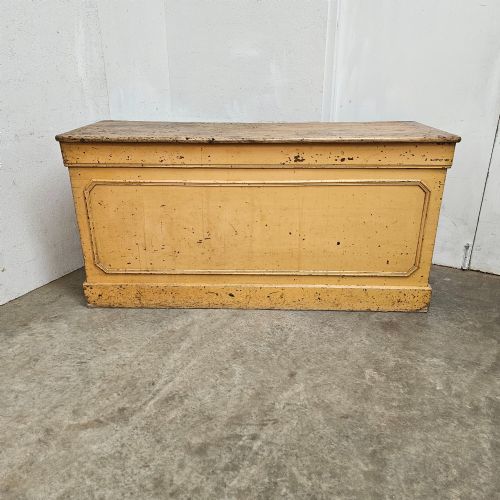


French Shop Display Cabinet
A French shop display cabinet brings commercial craft into domestic rooms, offering glazed panes and timber frames built to showcase goods.
French Shop Display Cabinet
A French shop display cabinet combines structural timber with generous glass panels designed to exhibit wares clearly. These pieces originate from commercial settings, mercantile counters, and domestic interiors spanning the nineteenth and twentieth centuries.
The selection here encompasses counters, vitrines, and wall-mounted shelving units originating from periods such as the Edwardian era, the 1920s, and the 1930s. Buyers frequently encounter oak, mahogany, and painted timber structures shaped by Art Deco, Louis XV revival, and commercial utilitarian traditions.
Forms range from tall stacking bookcases and long ormolu-mounted credenzas to low bijouterie tables and specialised advertising units. Each variation reflects the specific retail or domestic demands of its original period of manufacture.
How They Were Made
Construction relies on sturdy frames of oak, mahogany, pine, and ebonised timber joined to house substantial glass panes for maximum visibility. Metal elements including brass mounts, bronze framing, and ormolu decoration reinforce corners and frame doors.
Surfaces receive varied treatments ranging from original paint finishes and polished mahogany to fabric linings within display compartments. Joinery techniques align with the commercial purpose of each piece, supporting heavy glass doors and shelving systems.
One surviving unit once helped sell paint before finding a second life holding curious objects.
What Varies in Quality
Quality reveals itself in the integration of metal mounts, the clarity of the glass, and the integrity of the timber framing. Superior examples demonstrate precise joinery in glazed doors and refined casting in brass or bronze hardware.
The preservation of original surface treatments, such as early paint layers or polished cabinetwork, distinguishes standard utility items from finely finished vitrines and credenzas. The complexity of the structural form, from simple shelving to detailed Louis XV style carving, marks the upper tier of manufacture.
SIEGEL
The French Shop Display Cabinet Glossary
- Vitrine
- A glass-fronted cabinet designed for displaying fine objects or curiosities. These pieces often feature glazed sides alongside front doors.
- Bijouterie table
- A low display case with a glass top specifically built for showing small valuable items like jewellery. They frequently stand on slender legs.
- Ormolu
- Gilded bronze mounts applied to furniture for decorative effect. This technique was widely utilised during revivalist periods.
- Haberdashery
- Commercial fixtures featuring multiple compartments or drawers intended for drapery and small clothing items. Stacking variants are common in this category.
- Ebonised
- Timber treated to resemble ebony through staining or painting. This dark finish appears frequently on pieces from the early twentieth century.
French Shop Display Cabinet: Frequently Asked Questions
What is a french shop display cabinet?
A French shop display cabinet is a glazed commercial or domestic piece designed to exhibit goods securely. These items originate from retail spaces, jewellers, and homes.
They utilise timber frames and glass panels to provide unobstructed views of the interior contents.
How were these cabinets used originally?
Merchants utilised these cabinets to present merchandise, jewellery, and advertising displays to customers in retail environments. Domestic settings later adopted similar vitrines for personal collections.
Commercial counters and haberdashery units served practical stocking and selling functions daily.
How do I style a display cabinet at home?
These cabinets suit living rooms, dining spaces, and hallways where interior objects require protection and visibility. Lighting and spacing help balance the heavy timber and glass structure.
Pairing them with complementary antique furniture grounds their commercial origins in a domestic room.
How can I tell the period of a cabinet?
Stylistic indicators such as Art Deco geometry, Edwardian proportions, or Louis XV revival curves help establish age. Material choices like ebonised timber, bronze, and original paint finishes also offer clues.
Construction methods and hardware styles further define whether a piece belongs to the nineteenth or twentieth century.