
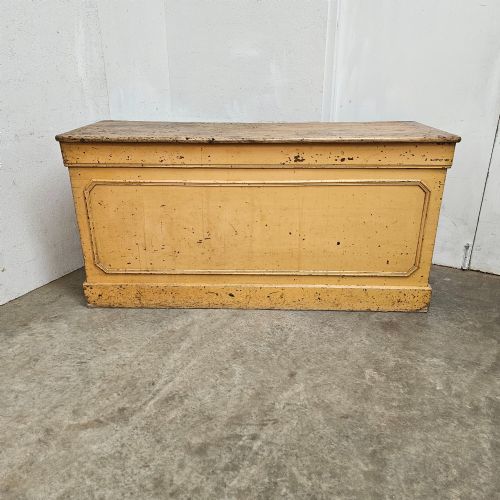


French Retail Display
French retail display pieces bring commercial history directly into the home, offering functional surfaces and glazed cabinets rooted in nineteenth and twentieth century commerce.
French Retail Display
When searching for french retail display, buyers encounter a diverse selection of commercial furnishings originating from nineteenth century shops up through the nineteen-thirties. These items encompass large shop counters, museum display cases, tailor display tables, and specialised advertising display units.
Originating from French provincial settings and Parisian shops, these pieces combine utilitarian durability with distinct aesthetic periods such as Art Deco, Victorian, and French Louis XV style. Buyers most often meet sturdy oak tables, glass-topped bijouterie tables, and upright display stands.
How they were made
Construction relies heavily on robust timbers like oak, pine, and general hardwood, often paired with structural brass, bronze, and glass components. Artisans built these commercial furnishings to withstand heavy daily use in busy retail environments.
Many surfaces retain original paint finishes or later sign writing, reflecting the practical adaptations made during their working lives in shops and museums. Metal elements such as brass frames and bronze shelving provide both structural support and refined decorative framing for the glass enclosures.
Listings span from the nineteenth century through the nineteen-thirties, incorporating Victorian, Edwardian, and Art Deco design movements.
What varies in quality
Quality differentiates between utilitarian workshop pieces and sophisticated items commissioned for high-end Parisian emporiums or museums. Finer examples display superior timber selection, intricate metal casting, and intact original glazing.
The preservation of original finishes, such as early paintwork or authentic sign writing, elevates the interest of a piece. Structural integrity across large display cabinets and heavy shop counters also marks the distinction between standard commercial stock and exceptional craftsmanship.
Siegel·Pierre Iman·Stockman
The French Retail Display Glossary
- Bijouterie table
- A glass-topped display table specifically designed for showing jewellery, small collectibles, and precious items. These tables typically feature a glazed cabinet top raised on slender legs.
- Shop counter
- A substantial commercial furnishing used for serving customers and displaying goods, often fitted with drawers, shelving, or glazed fronts. Nineteenth-century examples frequently feature original timber planks and painted finishes.
- Museum display case
- A specialised enclosure built with extensive glass panels and timber or metal framing to protect and showcase artefacts. These cases prioritize visibility and security.
- Art Deco
- A design style prevalent in the nineteen-twenties and nineteen-thirties characterised by sleek geometric forms and modern industrial materials. Pieces from this era often incorporate bronze and clean-lined glass shelving.
French Retail Display: Frequently Asked Questions
What is a French shop counter?
A French shop counter is a heavy commercial table used historically in European retail spaces to serve patrons and present goods. They often incorporate timber construction, drawers, and occasionally glazed sections.
These counters bring substantial utility and period character to modern interiors, functioning well as kitchen islands or serving surfaces.
How do I identify Art Deco display pieces?
Art Deco display items from the nineteen-twenties and nineteen-thirties feature streamlined geometric lines, bronze frames, and functional glass shelving. They reflect the modern commercial aesthetics of the period.
Unlike ornate nineteenth-century styles, these pieces emphasise industrial simplicity and structural clarity.
What materials are common in these displays?
Common materials include oak, pine, hardwood, brass, bronze, and plate glass. These robust substances ensured the furniture endured heavy commercial handling.
Many pieces also retain layers of original paint or historical sign writing from their working retail lives.