


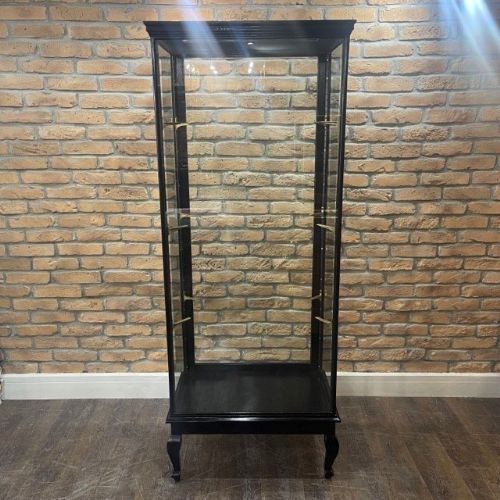


1920s Shop Fittings
These 1920s shop fittings bring authentic commercial character into a home, offering sturdy storage and striking display presence.
1920s Shop Fittings
When you search for 1920s shop fittings, you encounter utilitarian commercial furniture built to withstand daily trade while projecting modern style. The selection centres on large display cabinets, serving counters, and specialised shelving units designed for merchants.
You are most likely to meet mahogany or oak display cabinets and long serving counters originating from this commercial era. Pieces often incorporate glass panels and brass or bronze framing to maximise visibility for merchandise.
The inventory also includes smaller items such as countertop display shelves, hat stands, and vintage mannequins. These diverse objects reflect the practical needs of interwar retail environments, from drapers to jewellers.
How they were made
Workshops utilised dense timbers such as mahogany, oak, and ebonised wood to build robust cabinetry and counters capable of heavy use. Woodwork is frequently paired with glass panes to enclose display spaces while keeping goods visible.
The inventory combines timber woods including mahogany, oak, and ebonised wood with glass, brass, steel, and fabric elements.
What varies in quality
The distinction between standard commercial output and superior execution lies in the refinement of the materials and the integration of stylistic details. Finer examples incorporate elements such as specific leg designs or distinct maker attribution.
Proportion and the preservation of original glazing and hardware dictate the visual strength of a piece. Retaining the original timber finish and structural integrity separates utilitarian survivors from exceptional specimens.
Pollards·Siegel
The 1920s Shop Fittings Glossary
- Drapers counter
- A long timber table traditionally used in fabric shops for measuring and cutting cloth. These counters often feature deep drawers and substantial timber construction.
- Countertop display cabinet
- A smaller enclosed showcase placed upon a sales counter to protect delicate items like jewellery. It typically combines a wooden base with glazed panels.
- Ebonised wood
- Timber treated with a finish to imitate expensive ebony. This dark surface treatment was popular in commercial design to create high contrast.
- Mannequin
- A life-sized form used for displaying garments in shop windows and interiors. Vintage versions utilise materials like cloth over a rigid body.
1920s Shop Fittings: Frequently Asked Questions
How were shop counters used?
Merchants used serving counters as the central transaction point in retail spaces. They provided a solid surface for wrapping goods and interacting with customers.
Inside or beneath these counters, merchants often stored stock or tools of the trade. Their robust construction handled the constant weight of daily commerce.
Where do glass display cabinets fit at home?
Tall tower cabinets and countertop showcases work well in living rooms or studies for displaying collections. Their glass panels protect items from dust while offering clear visibility.
In kitchens, larger cabinetry serves as practical storage for tableware or glassware. The commercial proportions add distinct architectural weight to domestic interiors.
How do I identify the period?
Examine the materials, construction methods, and stylistic cues characteristic of the interwar decades. Timbers like mahogany and oak, paired with brass framing, typify commercial manufacturing from this era.
Design influences often lean towards early forms of Art Deco or functional commercial styling. Hardware and joinery details confirm the manufacturing timeframe.
What maintenance do these pieces need?
Wood surfaces require periodic treatment with appropriate wax or polish to prevent the timber from drying out. Glass panels benefit from standard cleaning agents used carefully around old frames.
Metal components like brass and bronze should be kept dry to preserve their finish. Avoid placing timber cabinets in areas with fluctuating humidity.