



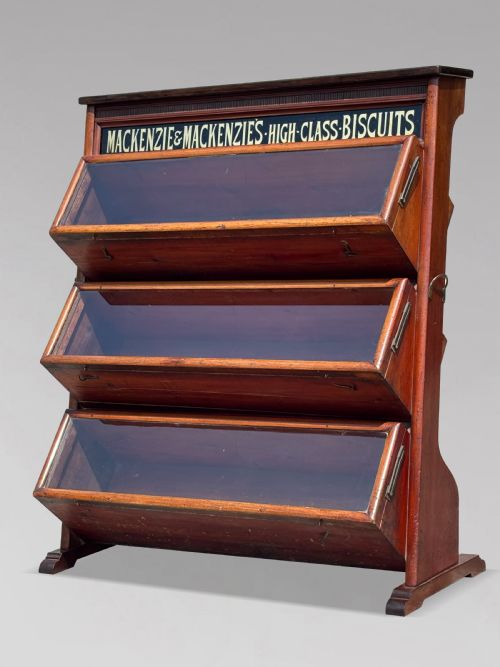


Commercial Display Case
A commercial display case brings shopkeeping history home, offering glazed shelving and sturdy timber frames built for trade.
Commercial Display Case
A commercial display case serves as a shopfitting fixture designed to exhibit retail goods clearly to customers. These pieces originate from periods spanning the Victorian era through the 1920s and 1930s.
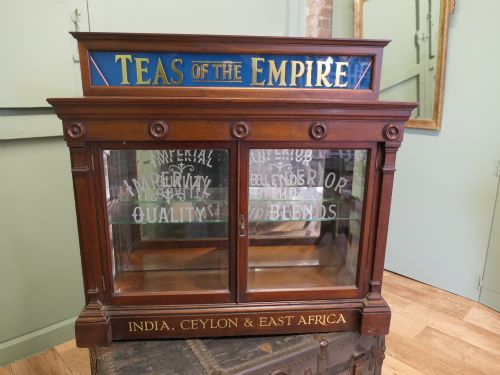
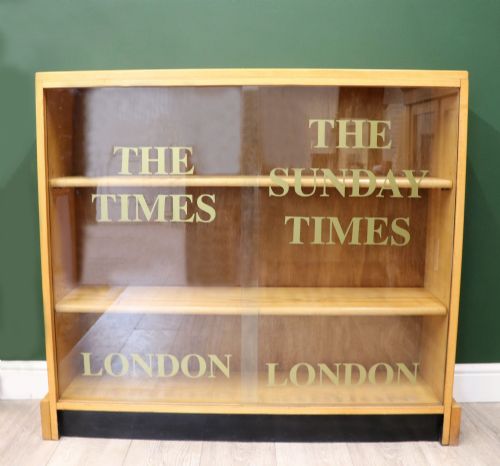
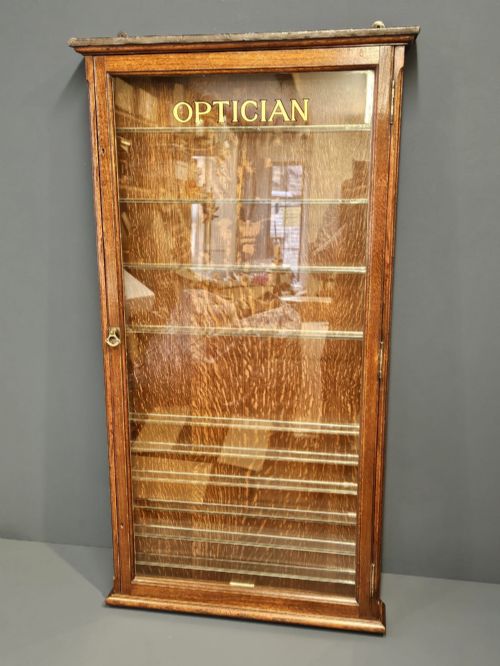
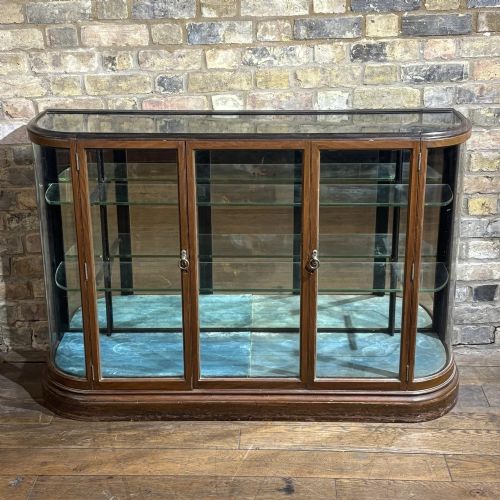
Buyers frequently encounter upright display cabinets alongside low retail shop counter display cases. Common examples incorporate hand sign writing bearing advertising for period businesses or specific trades.
Origins include notable establishments such as Jenners of Edinburgh and John Stow Ltd of Bradford. These functional units reflect the commercial interiors of their respective decades.
Construction and materials
Makers constructed these cabinets using solid timbers like mahogany, paired with extensive glass panels for maximum visibility. Brass fittings and mirror elements frequently complement the woodwork.
Later 20th-century examples incorporate industrial alternatives such as aluminium frames and bronze structures. Selected pieces feature restored finishes and later hand sign written lettering.
Commercial Display Case Retail Price Guide 2026
Typical asking prices for commercial display case among the pieces listed under this phrase on Sellingantiques today, from the lower quarter to the upper quarter. They describe what is for sale here now, not the wider market.
One versatile cabinet carries enough presence to double as a wardrobe, provided your wardrobe requirements involve complete transparency.
Judging quality in trade furniture
Quality rests upon the selection of primary timbers, such as solid mahogany, contrasted with later aluminium or bronze framework. The integration of original brass hardware elevates the finish of individual cabinets.
Original trade provenance and authentic hand sign writing distinguish superior shopfittings from standard utility furniture. The presence of makers' names or historic retail associations marks the upper tier.
Robert West Gunsmith·John Stow Ltd of Bradford·Fry·Jenners of Edinburgh
The Commercial Display Case Glossary
- Shopfitting
- The trade and craft of manufacturing interior fixtures and furniture for retail premises. These fixtures are built to withstand heavy daily commercial use.
- Display Cabinet
- An upright glazed enclosure designed to protect and exhibit merchandise. They often feature multiple internal shelves.
- Display Counter
- A low-profile shop furniture piece with a glass top or front, traditionally positioned for customer interaction at the point of sale.
- Sign Writing
- The traditional craft of painting lettering by hand onto timber or glass surfaces. Historic examples often display period commercial advertising.
Commercial Display Case: Frequently Asked Questions
What is a commercial display case?
A commercial display case is a glazed furniture piece originally built for retail shops and businesses to exhibit goods. These units include upright cabinets and low retail counters.
Materials range from solid mahogany and Victorian glass to later 1930s aluminium and bronze frames. Many feature hand sign written advertising from their working past.
How were these cabinets used?
Merchants utilised these fixtures to showcase products securely while maintaining clear visibility for customers within retail environments.
Upright cabinets stood against walls for general stock, while counters sat at the front of the shop for direct transactions and featured merchandise.
How do I date a shop display case?
Dating relies upon construction materials, architectural styles, and any recorded provenance or maker attribution. Victorian and late 19th-century pieces typically employ solid mahogany and traditional brass hardware.
Later pieces from the 1920s and 1930s introduce industrial materials like aluminium and bronze. Sign writing styles and known firm names also help establish a timeframe.
Can I use a shop counter at home?
These counters and cabinets adapt well to domestic interiors for displaying collections, tableware, or books. Their glass panels and sturdy frames provide both security and visual clarity.
Placing them in modern rooms creates a focal point that highlights their industrial or commercial origins.