









Vintage Shop Cabinet
A vintage shop cabinet brings utilitarian utility and glazed elegance from historic commerce directly into modern domestic interiors.
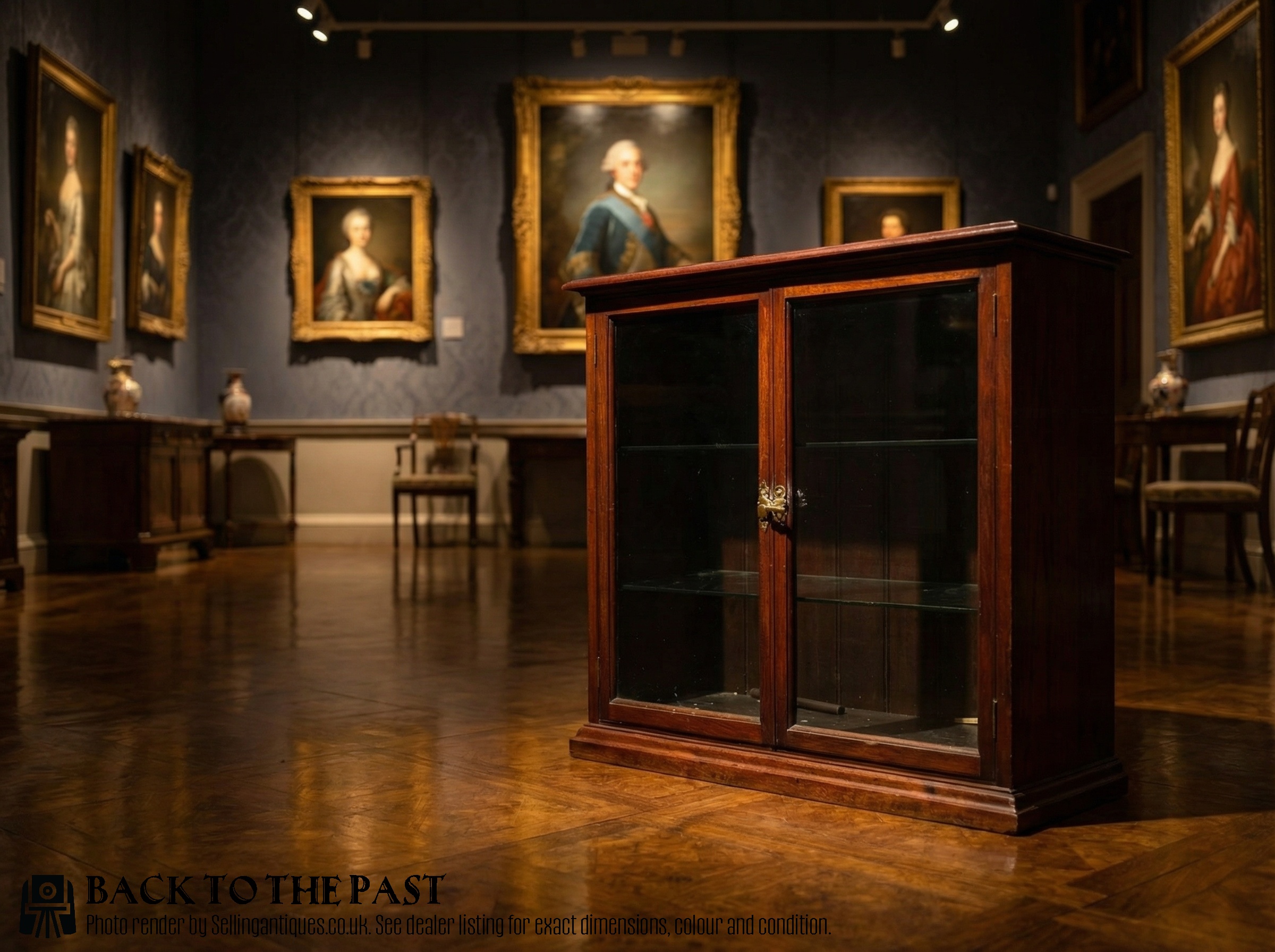
Vintage Shop Cabinet
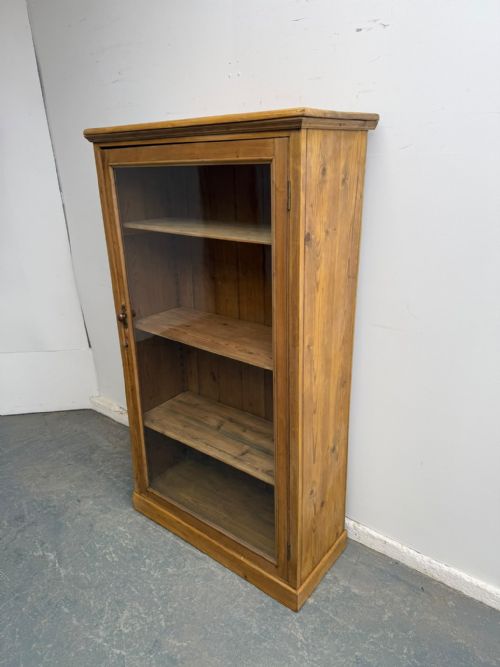
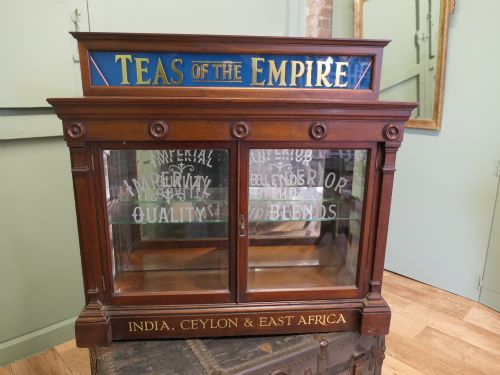
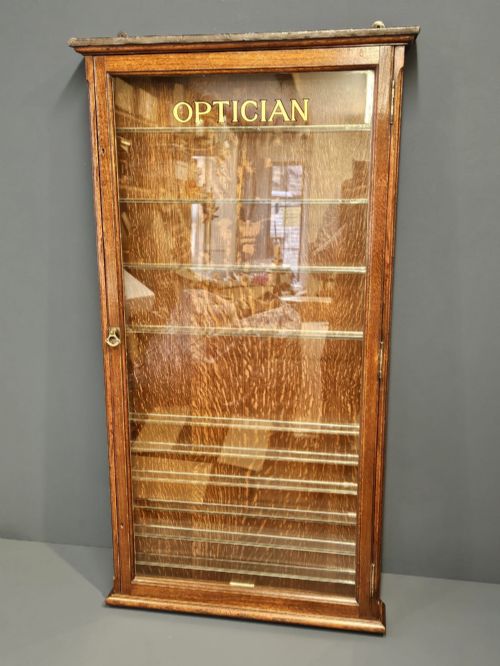
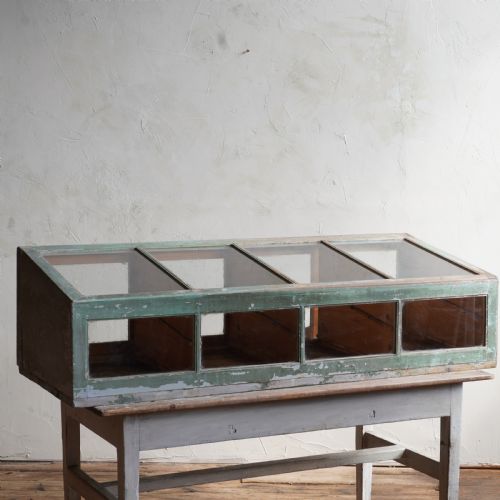
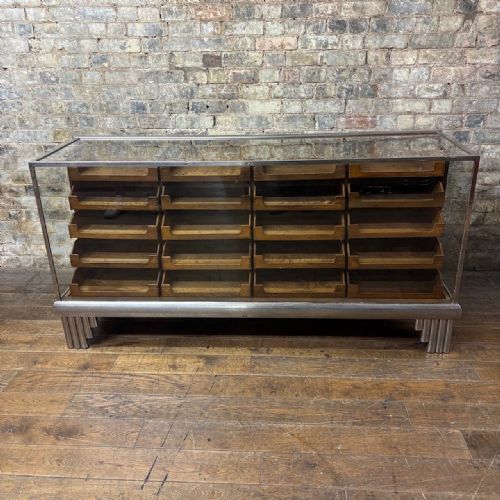
A vintage shop cabinet encompasses commercial retail fittings designed to display or store goods, appearing primarily as glazed display cases, banks of drawers, and counters. When searching for a vintage shop cabinet, buyers encounter pieces originating from Victorian, Edwardian, and Art Deco periods, alongside commercial designs from the 1920s and 1930s.
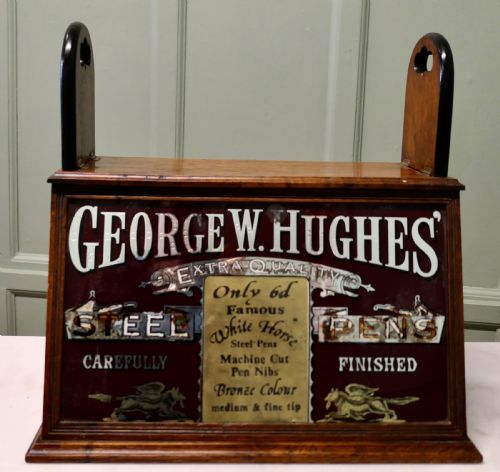
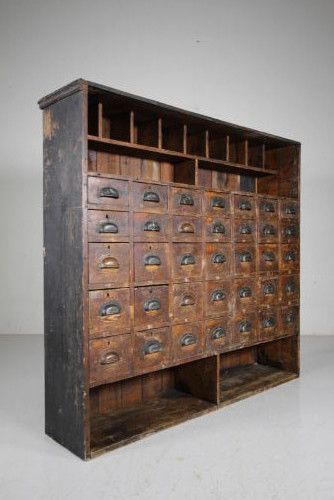
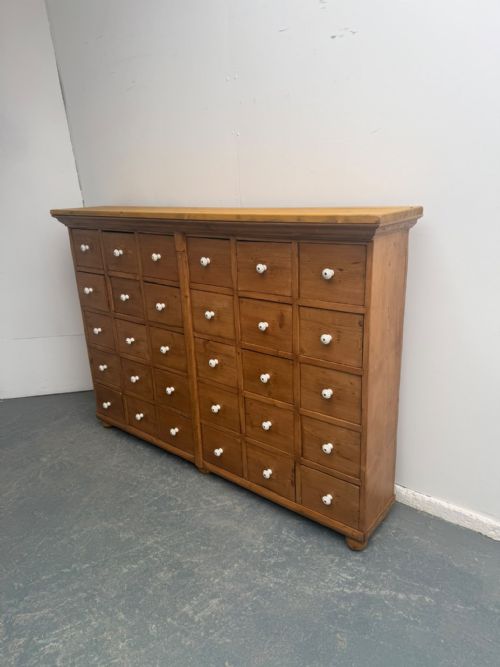
The most common formats on this page include mahogany and oak display cabinets with glass panels, multi-drawer apothecary and haberdashery units, and painted pine shop fittings. These items derive from chemist shops, drapers, and general merchants, carrying the authentic proportions of early retail spaces into domestic settings.
How they were made
Makers utilised dense timbers such as mahogany, oak, and pine to construct robust frames capable of enduring heavy daily retail use. Glass panels and adjustable shelving provide the transparency required for merchandise display, frequently paired with brass or chrome hardware.
Surface treatments range from clear polished mahogany to original painted finishes in white, cream, green, or distressed textures. Specialised construction techniques are visible in multi-drawer banks and bow-end display counters designed for specific trade requirements.
Vintage Shop Cabinet Retail Price Guide 2026
Typical asking prices for vintage shop cabinet among the pieces listed under this phrase on Sellingantiques today, from the lower quarter to the upper quarter. They describe what is for sale here now, not the wider market.
Some multi-drawer units survived decades of storing ribbon and buttons before retiring to domestic living rooms.
What varies in quality
The distinction between standard commercial units and superior examples rests on the integrity of the original timber and specialised hardware. Pieces bearing maker stamps from established shop fitters demonstrate finer cabinet-making standards than unbranded utility furniture.
Originality of the glazed components, internal mirrors, and painted surfaces dictates the overall character of the piece. Surviving commercial lettering and intact multi-drawer configurations elevate the historical significance of individual fittings.
F. Sage & Co·Dudley & Co·Mackenzie's Biscuits
The Vintage Shop Cabinet Glossary
- Haberdashery cabinet
- A multi-drawer storage unit originally utilised in drapers' shops for small sewing goods and textiles, typically featuring glazed drawer fronts or pull-handles.
- Bow end
- A curved glass or timber front on a display cabinet or counter that softens the linear profile and maximises viewing angles for merchandise.
- Shop fitting
- A permanent or semi-permanent interior commercial fixture, such as a counter or bank of drawers, built specifically for retail operations.
- Apothecary unit
- A set of drawers or a cabinet originating from a chemist or pharmacy, traditionally employed for storing medicines and dry ingredients.
Vintage Shop Cabinet: Frequently Asked Questions
How do I date a shop cabinet?
Dating relies on identifying timber choices, construction methods, and stylistic cues such as Victorian proportions or Art Deco geometric lines. Maker stamps and original advertising signage also provide precise chronological markers.
Commercial fittings often reflect the technological shifts of their era, transitioning from heavy 19th-century mahogany to chrome and lighter oak in the 1930s.
Can I use a haberdashery cabinet in a kitchen?
These multi-drawer units suit kitchens exceptionally well for organising cutlery, linens, or dry goods. Their original commercial depth and robust construction provide practical storage capacity.
Ensure the timber is properly conditioned for domestic environments where humidity levels fluctuate.
What is a shop counter used for today?
Original counters function effectively as kitchen islands, sideboards, or workspace surfaces in domestic interiors. Their generous topboards and internal drawer or shelving space offer versatile organisation.
Glass-topped display variants allow for the presentation of collections while maintaining a functional surface.