
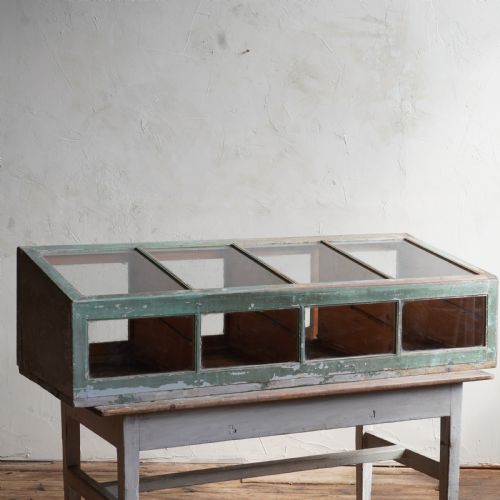


Antique Countertop Showcase
These antique countertop showcase pieces offer glazed protection for small wares, bringing authentic shop history into domestic interiors.
Antique Countertop Showcase
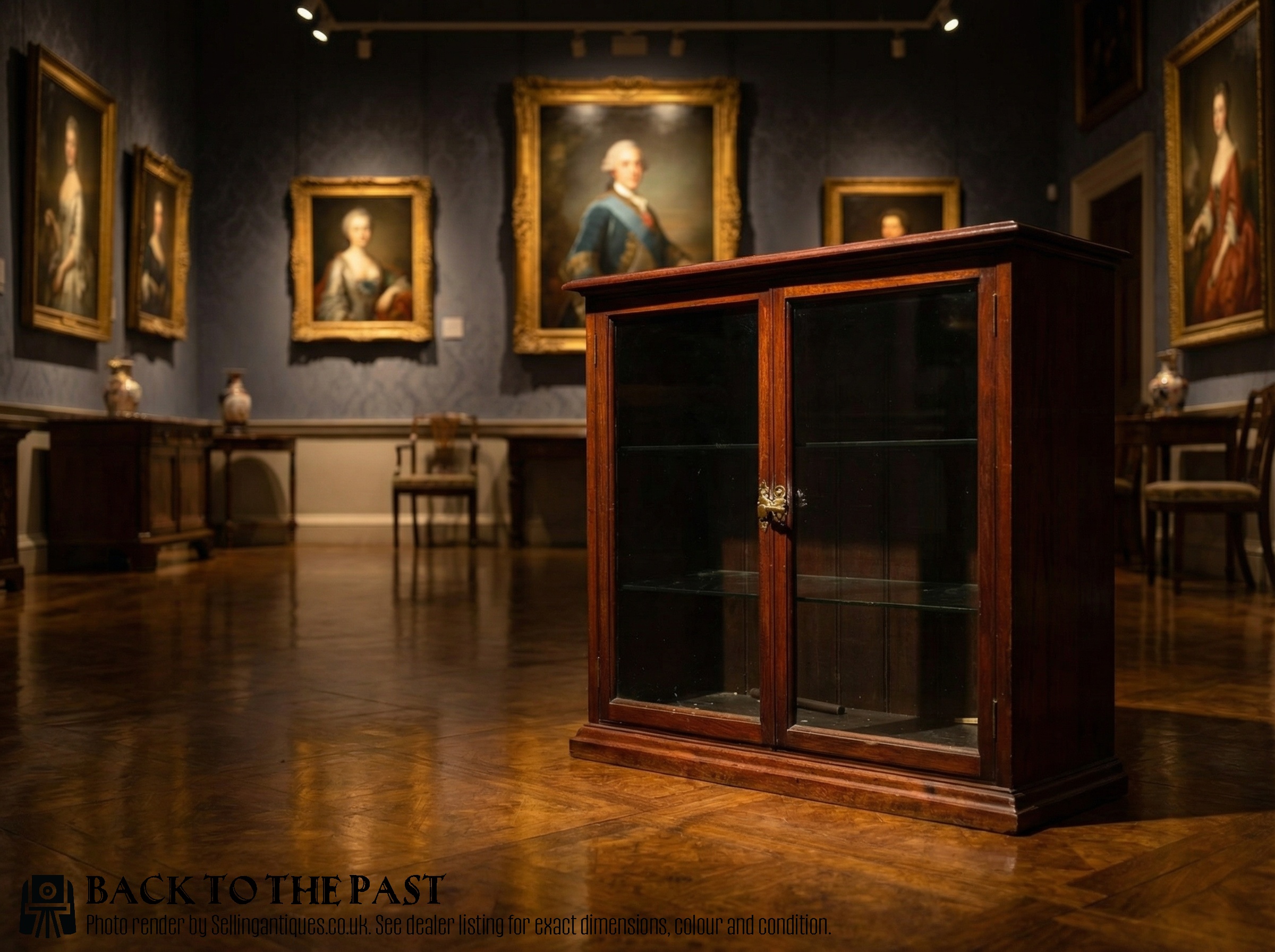
An antique countertop showcase provides glazed viewing space designed originally for retail trade and counter use. Buyers encounter these pieces in forms such as display cabinets, display cases, and display boxes.
The selections span the nineteenth century through the nineteen-thirties, encompassing Victorian, Edwardian, and Art Deco eras. Many examples reflect commercial origins, including apothecary, sweet shop, and general merchant use.
Framed structures typically sit upon shop counters or tables, offering clear visibility from multiple sides. Interiors frequently accommodate small goods, jewellery, or confectionery behind protective glass panes.
Materials and construction
Cabinet makers utilised timber frameworks of mahogany, oak, and ebonised wood to build sturdy outer structures. Brass elements often provide structural edging, hinges, or decorative framing around glazed panels.
Transparent glass forms the primary viewing panels, allowing customers to inspect contents safely while preventing handling. Linings of felt or velvet frequently cover internal bases to cushion delicate merchandise.
The current selection spans the Victorian, Edwardian, and Art Deco periods, incorporating oak, mahogany, brass, and glass.
Assessing quality and craftsmanship
Quality shows in the precision of timber joinery and the integration of brass fittings within the frame. Superior examples maintain original glass and sound structural timber without excessive replacement of components.
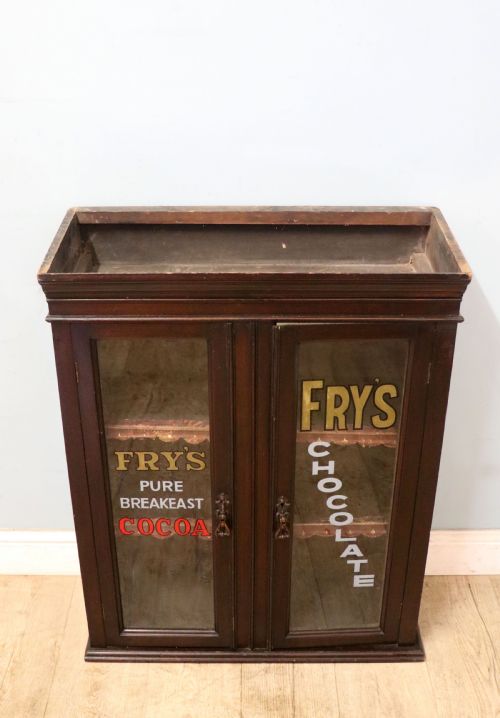
Original commercial lettering, advertising panels, or hand sign-written details enhance character and provenance. The refinement of the moulding and the condition of interior linings distinguish standard utilitarian boxes from finer shopfittings.
F. Sage & Co. London·Rowntree’s Chocolates·Fry’s·Cadburys Chocolate
The Antique Countertop Showcase Glossary
- Countertop showcase
- A glazed display unit built to sit upon a shop counter for retail presentation. These pieces allow customers to view goods while keeping items secure.
- Ebonised
- Timber treated to resemble ebony through a dark staining and polishing process. This finish was common on display cases from the early twentieth century.
- Apothecary
- Pertaining to the trade of preparing and selling medicines and drugs. Cabinets from this origin often feature specialised internal compartments.
- Sign-written
- Hand-painted lettering applied directly to glass or wood surfaces for commercial advertising. Examples often display period confectionery branding.
Antique Countertop Showcase: Frequently Asked Questions
What were antique countertop showcases used for?
Merchants utilised these glazed cabinets on shop counters to display small merchandise safely to customers. Items such as confectionery, jewellery, and apothecary goods sat inside where people could inspect them without handling.
Today, collectors use them in domestic settings to exhibit small personal collections, pocket watches, or curiosities while protecting them from dust.
How do I date an antique countertop showcase?
Dating relies on observing construction methods, timber types, and stylistic indicators such as Edwardian proportions or Art Deco geometric lines. Ebonised finishes and specific brass hardware designs also point toward particular decades around the turn of the twentieth century.
Original commercial sign-writing or manufacturer labels provide further historical clues regarding the period of active retail use.
Are all countertop showcases made of oak?
Oak appears frequently, particularly in Edwardian and Victorian commercial shopfittings, but makers also worked in mahogany, ebonised wood, and brass.
Internal linings vary as well, utilising materials like felt or velvet to cushion the displayed items against the wooden or metal base.
How do I live with a countertop showcase?
Positioning the case on a sturdy table or sideboard allows natural light to pass through the glass panels and illuminate the interior contents. Regular dusting of the exterior glass and gentle care for the timber frame keep the piece in good condition.
Internal displays can be curated with small antiques, creating a personal cabinet of curiosities within a modern room.